
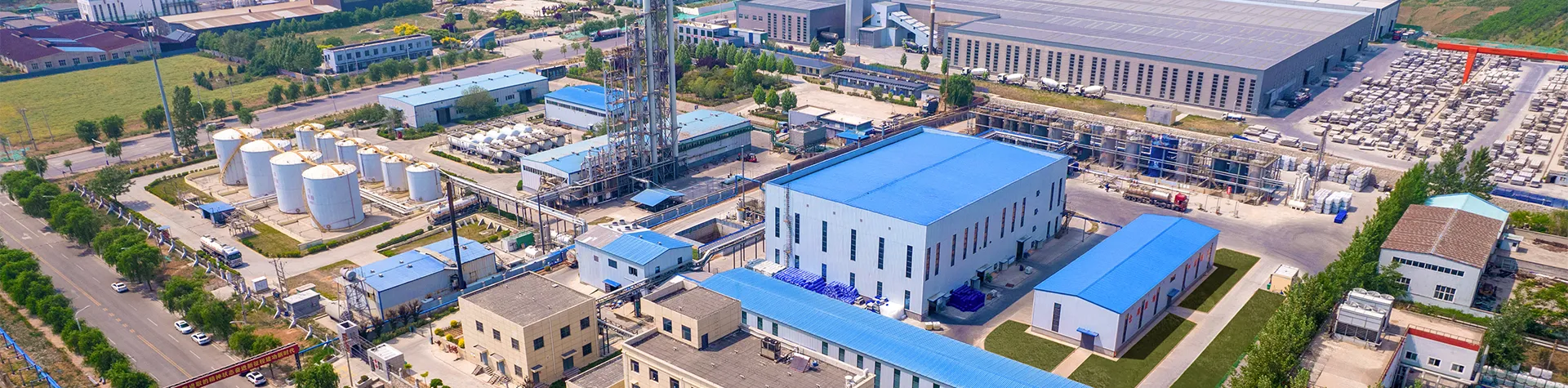
Advanced Scale & Corrosion Inhibitor for Optimal Performance
The Critical Role of scale and corrosion inhibitor in Industrial Operations
In the demanding environment of modern industrial processes, the integrity and efficiency of water-contacting systems are continuously threatened by two pervasive phenomena: scale formation and metallic corrosion. These issues not only lead to significant operational inefficiencies but also result in costly equipment damage, increased maintenance, and unplanned downtime. A robust scale and corrosion inhibitor acts as a cornerstone in preventative maintenance, safeguarding critical infrastructure and ensuring sustainable industrial operations. This article delves into the technical intricacies, application benefits, and strategic considerations for deploying high-performance inhibition solutions, with a focus on advanced phosphonate chemistry like Ethylene Diamine Tetra (Methylene Phosphonic Acid) EDTMPA.
The global market for water treatment chemicals, including scale and corrosion inhibitor chemicals, is projected to reach over $40 billion by 2027, driven by increasing industrialization, stringent environmental regulations, and a growing emphasis on water conservation and reuse. This growth underscores the essential nature of these chemical solutions in sectors ranging from petrochemical and power generation to metallurgy and municipal water treatment.
Current Industry Trends and Challenges in Water Treatment
The industrial water treatment landscape is evolving rapidly, driven by several key trends:
- Sustainability and Environmental Compliance: Increasing regulatory pressure (e.g., stricter discharge limits, limitations on certain chemical compounds) is pushing industries towards more environmentally benign and biodegradable inhibition solutions. This includes a focus on reducing phosphorus discharge in some regions.
- Water Scarcity and Reuse: As fresh water becomes scarcer, industries are compelled to maximize water reuse. This often leads to higher concentrations of dissolved solids in circulating water systems, exacerbating scaling and corrosion challenges, and demanding more potent and stable inhibitors.
- Energy Efficiency: Maintaining optimal heat transfer in systems like cooling towers and boilers directly impacts energy consumption. Effective scale control is paramount to prevent insulating scale layers that reduce heat exchange efficiency and increase energy costs.
- Digitalization and AI in Water Management: Advanced monitoring and control systems, often leveraging AI and IoT, are enabling more precise dosing and performance optimization of scale and corrosion inhibitor programs, moving from reactive to predictive maintenance.
- Material Compatibility: The use of diverse metallurgy in modern industrial plants requires inhibitors that are broadly compatible and effective across various metal types (e.g., carbon steel, stainless steel, copper alloys).
These trends necessitate sophisticated scale and corrosion inhibitor chemicals capable of performing under challenging conditions while adhering to environmental guidelines.
Understanding Ethylene Diamine Tetra (Methylene Phosphonic Acid) EDTMPA
Ethylene Diamine Tetra (Methylene Phosphonic Acid), commonly abbreviated as EDTMPA, is a highly effective organophosphonate chelating agent and scale and corrosion inhibitor. Its robust chemical structure, featuring multiple phosphonic acid groups, grants it exceptional capabilities in sequestering metal ions and inhibiting both scale formation and corrosion processes. EDTMPA is particularly renowned for its broad spectrum of efficacy across varying water chemistries, including high hardness and high pH conditions.
Technical Mechanism of Action:
- Scale Inhibition: EDTMPA acts primarily through three mechanisms:
- Chelation/Sequestration: It forms stable, soluble complexes with scale-forming metal ions like Ca²⁺, Mg²⁺, Ba²⁺, Sr²⁺, and Fe³⁺, preventing their precipitation as insoluble scales (e.g., calcium carbonate, calcium sulfate).
- Threshold Inhibition: At sub-stoichiometric concentrations, EDTMPA interferes with the crystal growth of scale-forming minerals, distorting their crystalline lattice and preventing agglomeration into larger, adherent scale deposits.
- Dispersion: It helps to disperse microcrystals, keeping them suspended in the bulk water phase rather than allowing them to deposit on surfaces.
- Corrosion Inhibition: EDTMPA forms a protective film on metal surfaces by complexing with metal ions and adsorbing onto cathodic and anodic sites, thereby passivating the surface and preventing the electrochemical reactions that lead to corrosion. It is particularly effective for ferrous metals.
The solid form of EDTMPA offers advantages in handling, storage, and transportation, especially for large-scale industrial applications, due to its higher active content and reduced risk of freezing or spillage compared to liquid formulations.
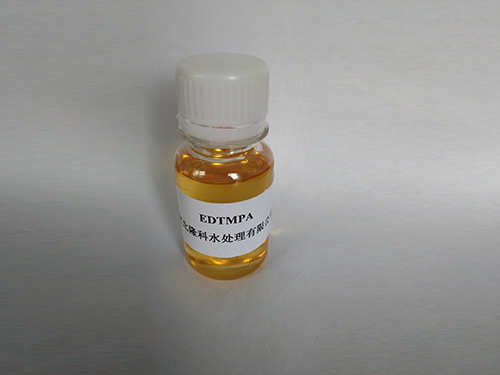
Detailed Manufacturing Process of EDTMPA (Solid Form)
The production of high-purity EDTMPA involves a sophisticated multi-stage chemical synthesis process, ensuring the consistent quality and performance critical for its role as a scale and corrosion inhibitor. While specific proprietary details vary by manufacturer, the general process typically follows these steps:
Process Flow Overview:
- Raw Material Preparation:
Key precursor materials, primarily ethylenediamine (EDA), formaldehyde, and phosphorus acid (H₃PO₃), are carefully sourced and subjected to quality control checks (e.g., purity analysis, moisture content). Maintaining high purity of these starting materials is crucial for the final product's quality.
- Reaction (Mannich-type Reaction):
The synthesis of phosphonates like EDTMPA typically proceeds via a modified Mannich-type reaction under precisely controlled conditions. Ethylenediamine, formaldehyde, and phosphorus acid are reacted in an aqueous medium. This exothermic reaction requires careful temperature control (e.g., between 100°C to 150°C) and pressure management within a specialized reaction vessel, often a glass-lined reactor to prevent contamination and corrosion. The stoichiometry of reactants is critical to achieve the desired degree of phosphonation.
- Maturation/Reflux:
Following the initial reaction phase, the mixture undergoes a maturation or reflux period. This step ensures complete conversion of intermediates and optimizes the yield and purity of EDTMPA. The duration and temperature of reflux are critical parameters, typically monitored to achieve specific conversion rates and minimize side product formation.
- Purification and Filtration:
The crude reaction mixture contains EDTMPA along with unreacted raw materials and byproducts. Purification steps, which may include vacuum distillation to remove excess water and volatile impurities, followed by filtration (e.g., through filter presses using polypropylene filter cloths) to remove insoluble particulates, are essential. Activated carbon treatment might also be employed for decolorization.
- Crystallization/Solidification:
For the solid form of EDTMPA, the purified solution is then subjected to a crystallization process. This often involves cooling the solution under controlled conditions, or the addition of an anti-solvent, to induce the precipitation of EDTMPA crystals. Parameters like cooling rate, agitation, and seed crystal introduction influence crystal size and morphology. Evaporation in specialized crystallizers is also a common method.
- Drying:
The wet crystals are separated from the mother liquor, typically via centrifugation or filtration, and then dried to achieve the desired moisture content. Rotary vacuum dryers, fluid bed dryers, or tray dryers are commonly used. Drying temperatures are carefully controlled to prevent degradation of the product.
- Milling and Sieving:
The dried solid EDTMPA may be milled to a specific particle size distribution using impact mills or hammer mills, followed by sieving to ensure uniform particle size and remove any agglomerates. This ensures product consistency for end-users.
- Quality Control and Packaging:
Throughout the entire process, rigorous quality control (QC) is performed. This includes in-process checks and final product testing against established standards. Common tests include assay (active content), pH, density, heavy metal content, and appearance. Products conforming to standards (e.g., ISO 9001 certified manufacturing) are then packaged in appropriate container111s, such as 25kg bags or larger bulk bags, to prevent contamination and ensure stability during transport and storage.
Testing Standards and Service Life:
EDTMPA, as a critical scale and corrosion inhibitor, is typically tested against international standards such as ISO 11907 for phosphorus content, and various industry-specific corrosion and scale inhibition tests (e.g., NACE standards for oil & gas, ASTM methods for cooling water). When properly applied in accordance with manufacturer guidelines, the service life of industrial equipment protected by EDTMPA can be significantly extended, often by 50% or more, compared to unprotected systems, translating to substantial cost savings and enhanced reliability.
Technical Specifications and Performance Parameters of EDTMPA (Solid)
The efficacy of EDTMPA as a scale and corrosion inhibitor is defined by its precise technical specifications. Below is a typical specification table for EDTMPA (Solid), highlighting key parameters important for industrial applications.
Product Specification: Ethylene Diamine Tetra (Methylene Phosphonic Acid) EDTMPA (Solid)
| Parameter | Specification | Test Method |
|---|---|---|
| Active Content (as EDTMPA, %) | ≥ 90.0 | Titration |
| Phosphorous Acid (as H₃PO₃, %) | ≤ 5.0 | HPLC/Titration |
| Chloride (as Cl⁻, %) | ≤ 1.0 | Potentiometric Titration |
| Fe (ppm) | ≤ 30 | ICP-OES |
| pH (1% solution) | 2.0 - 3.0 | pH Meter |
| Bulk Density (kg/m³) | Approx. 650-800 | Standard method |
| Appearance | White crystalline powder | Visual |
These specifications ensure that the EDTMPA solid provides optimal performance. For instance, a high active content guarantees potency, while low levels of phosphorus acid and chloride minimize potential side reactions or contributions to water system issues.
Application Scenarios Across Diverse Industries
The versatility of EDTMPA makes it an indispensable scale and corrosion inhibitor across a broad spectrum of industrial applications. Its ability to perform in various water chemistries and temperatures underpins its widespread adoption.
Target Industries and Typical Applications:
- Petrochemical & Oil & Gas:
Used in oilfield water systems to prevent scale formation (e.g., barium sulfate, calcium carbonate) in pipelines, downhole equipment, and production wells, and to inhibit corrosion in multi-phase flow lines and storage tanks. This ensures flow assurance and extends asset life.
- Cooling Tower Systems:
As a superior scale and corrosion inhibitor for cooling tower applications, EDTMPA effectively controls the precipitation of calcium carbonate, calcium phosphate, and other hard water scales, maintaining heat transfer efficiency in open recirculating cooling systems. It also provides excellent corrosion protection for steel components.
- Boiler Water Treatment:
Prevents scale formation (e.g., calcium carbonate, silica) on boiler tubes, which can lead to localized overheating and tube failure. Its high thermal stability makes it suitable for high-temperature boiler environments.
- Water Supply & Drainage Systems:
Protects municipal water distribution networks and industrial wastewater treatment plants from scaling and corrosion, preserving pipeline integrity and reducing maintenance needs.
- Metallurgy & Steel Production:
Utilized in continuous casting processes and other water-intensive operations to prevent scale buildup in cooling circuits and protect equipment from corrosion, ensuring consistent product quality and operational uptime.
- Power Generation (Nuclear, Thermal):
Critical for maintaining the efficiency and safety of steam generators, condensers, and other heat exchange equipment by preventing scale and corrosion, which can severely impact thermal efficiency and lead to catastrophic failures.
Technical Advantages and Economic Benefits
The strategic implementation of EDTMPA as a scale and corrosion inhibitor delivers significant technical and economic advantages:
- Superior Scale Control: Highly effective against a wide range of inorganic scales (calcium carbonate, calcium sulfate, barium sulfate, etc.), even under high alkalinity, high hardness, and high-temperature conditions, minimizing deposit formation.
- Robust Corrosion Protection: Forms a stable passivation layer on metal surfaces, offering excellent protection against general and localized corrosion for various metallurgies, especially ferrous metals.
- Energy Saving: By preventing scale buildup on heat transfer surfaces (e.g., heat exchangers, boiler tubes), EDTMPA ensures optimal thermal efficiency, leading to substantial reductions in energy consumption. A 1mm layer of scale can increase energy consumption by 10-12%.
- Extended Equipment Service Life: Mitigating corrosion and scaling significantly prolongs the operational life of industrial assets, reducing the frequency and cost of equipment replacement and major repairs.
- Reduced Maintenance Costs: Less frequent descaling, cleaning, and repair operations contribute to lower labor costs, chemical cleaning expenses, and minimizes production downtime.
- Enhanced Operational Reliability: Stable system performance with reduced risk of sudden failures due to tube blockages or breaches, ensuring continuous process operation.
- Compatibility: Can be used synergistically with other water treatment chemicals and is stable in the presence of oxidizers (e.g., chlorine, bromine) at typical dosing concentrations, making it versatile for complex treatment programs.
- Environmental Profile (Compared to other inhibitors): While a phosphonate, EDTMPA has favorable degradation characteristics compared to some older phosphonate chemistries, and its high efficiency allows for lower dosage rates, minimizing overall chemical discharge.
Vendor Comparison: Choosing the Right Scale and Corrosion Inhibitor Supplier
Selecting the right vendor for scale and corrosion inhibitor chemicals is crucial for long-term operational success. Beyond just product specifications, a comprehensive evaluation considers several factors:
| Feature Category | High-Quality Vendor | Standard Vendor |
|---|---|---|
| Product Quality & Consistency | ISO 9001 certified; strict QC for active content, purity, and low impurities. Consistent batch-to-batch quality. | Variable quality; less stringent QC; higher impurity levels possible. |
| Technical Support & Expertise | Dedicated technical team, on-site support, water analysis, dosage recommendations, troubleshooting. Years of service (e.g., 20+ years in chemical manufacturing). | Basic product information; limited application support; generic advice. |
| Customization & Formulations | Ability to tailor solutions for specific water chemistries, system designs, or environmental constraints. Develop proprietary blends. | Off-the-shelf products only; limited adaptability. |
| Supply Chain & Logistics | Robust global supply chain; multiple manufacturing sites; reliable lead times; flexible packaging options; compliant shipping. | Single-source reliance; potential for delays; limited packaging choices. |
| Regulatory Compliance & Certifications | NSF, FDA (where applicable), REACH, or local regulatory compliance; full safety data sheets (SDS) and technical datasheets. | Basic documentation; may not meet all regional regulatory requirements. |
| Pricing Model | Value-driven pricing; long-term cost-effectiveness from superior performance and support. | Lower initial price, but potentially higher total cost of ownership due to performance issues. |
Companies with a long-standing reputation, like those with over two decades in specialty chemical manufacturing, typically demonstrate the authoritative experience and expertise necessary for delivering reliable scale and corrosion inhibitor chemicals.
Customized Solutions for Optimal Performance
While EDTMPA offers robust general protection, the unique characteristics of each industrial water system often necessitate tailored solutions. A professional chemical supplier specializes in developing customized scale and corrosion inhibitor programs.
This involves a multi-step approach:
- Detailed System Analysis: Comprehensive assessment of water chemistry (hardness, alkalinity, pH, dissolved solids, specific ions), system metallurgy, operating temperatures, flow rates, and existing scale/corrosion issues.
- Problem Identification: Pinpointing the primary scaling minerals (e.g., CaCO₃, CaSO₄, BaSO₄, SiO₂) and predominant corrosion mechanisms (e.g., pitting, general corrosion, microbiologically induced corrosion).
- Formulation Development: Blending EDTMPA with other inhibitors (e.g., copolymers, other phosphonates, azoles for yellow metal protection) and dispersants to create a synergistic, multi-functional product perfectly suited to the specific challenges. This often involves laboratory testing under simulated system conditions.
- Dosing Strategy Optimization: Determining optimal dosage rates and points of addition to maximize effectiveness while minimizing chemical consumption and cost.
- Ongoing Monitoring & Adjustment: Continuous monitoring of water parameters and inhibitor performance, with periodic adjustments to the treatment program to adapt to changing operational conditions or water quality.
Such customized solutions, often backed by in-house R&D and analytical capabilities, ensure maximum efficiency, cost-effectiveness, and compliance with local environmental regulations.
Application Case Studies: Proven Success with EDTMPA
Real-world applications demonstrate the tangible benefits of a high-performance scale and corrosion inhibitor like EDTMPA.
Case Study 1: Large Petrochemical Refinery Cooling Water System
Challenge: A major petrochemical refinery experienced persistent calcium carbonate and calcium phosphate scaling in its open recirculating cooling towers, leading to reduced heat exchange efficiency, increased blowdown, and frequent mechanical cleaning. Corrosion rates on carbon steel exchangers were also elevated (averaging 7-9 MPY).
Solution: A customized treatment program was implemented, centered around EDTMPA as the primary scale and corrosion inhibitor for cooling tower applications, alongside a polymeric dispersant. The initial dosage was 10 ppm of active EDTMPA, carefully monitored and adjusted based on real-time water quality data.
Results: Within three months, the system showed a remarkable reduction in scale formation, with heat exchanger performance improving by 18%. Corrosion rates dropped significantly to below 2 MPY, extending the expected service life of critical heat exchangers. The frequency of chemical cleaning was reduced by 70%, leading to an estimated annual saving of $350,000 in operational and maintenance costs.
Case Study 2: Geothermal Power Plant Brine Treatment
Challenge: A geothermal power plant faced severe silica and calcium silicate scaling in its heat exchangers and injection wells due to the hypersaline, high-temperature brine. Traditional inhibitors were ineffective, causing frequent fouling and wellbore plugging.
Solution: After extensive laboratory simulations, a high-concentration EDTMPA formulation (dosed at 25 ppm active) was introduced into the brine stream upstream of the heat exchangers. The unique stability of EDTMPA under extreme conditions was a key factor in its selection.
Results: Over a 12-month period, the plant observed a 90% reduction in silica scale deposition on heat exchange surfaces, restoring thermal efficiency. Injection well plugging incidents decreased by 85%, significantly improving plant uptime and reducing costly well workovers. The total cost savings from reduced maintenance and increased energy production exceeded $1.2 million annually.
These examples highlight the robust performance and economic benefits achievable with properly engineered ethylenediaminetetra methylenephosphonic acid based solutions.
Frequently Asked Questions (FAQ)
Q1: What is the recommended dosage for EDTMPA?
A1: The optimal dosage of EDTMPA varies significantly based on water chemistry (hardness, alkalinity, pH, temperature), system type, and specific scaling/corrosion challenges. Typically, for cooling water systems, dosages range from 3-15 ppm. For more aggressive conditions or specialized applications, it can be higher. A detailed water analysis and system assessment are crucial for precise recommendations. We provide full technical support to determine the ideal dosage for your specific needs.
Q2: Is EDTMPA environmentally friendly?
A2: While EDTMPA is a phosphonate, its advanced chemistry often allows for lower effective dosages compared to older generations of inhibitors. We adhere to all regional environmental regulations (e.g., REACH, local discharge limits) and provide comprehensive safety data sheets (SDS). We also work with clients to optimize treatment programs for minimal environmental impact, aligning with sustainability goals.
Q3: Can EDTMPA be used in conjunction with other water treatment chemicals?
A3: Yes, EDTMPA is highly compatible with most common water treatment chemicals, including biocides, dispersants, and other scale/corrosion inhibitors. It is frequently formulated into blended products to create synergistic treatment solutions that address complex water chemistry issues comprehensively. Our technical team can advise on compatible product combinations.
Q4: What is the shelf life of EDTMPA (Solid)?
A4: When stored in original, unopened packaging in a cool, dry place away from direct sunlight, solid EDTMPA typically has a shelf life of at least two years from the date of manufacture. Proper storage conditions are essential to maintain product integrity.
Logistics & Customer Support
Lead Time and Fulfillment:
We maintain robust inventory levels and a streamlined logistics network to ensure prompt delivery. Standard lead times for EDTMPA (Solid) are typically 5-10 business days for domestic shipments and 15-30 days for international orders, depending on destination and shipping method. For urgent requirements or bulk orders, please contact our sales team for expedited options and customized fulfillment plans. Our global distribution capabilities ensure reliable supply.
Warranty Commitments:
Our EDTMPA products are manufactured under strict ISO 9001 quality management systems and are guaranteed to meet or exceed the specified technical parameters. We provide a comprehensive product warranty against manufacturing defects and non-conformance to our stated specifications for a period of 12 months from the date of purchase. Full terms and conditions are available upon request.
Customer Support:
Our dedicated team of chemical engineers and technical specialists provides unparalleled customer support. This includes:
- Pre-Sales Consultation: Expert advice on product selection, application, and dosage optimization.
- On-Site Technical Assistance: Where feasible, our experts can visit your facilities to conduct water analysis, troubleshoot issues, and optimize treatment programs.
- Post-Sales Support: Rapid response to inquiries, technical data requests, and assistance with product handling and safety.
- Training: Providing training sessions for your operational staff on best practices for handling and applying scale and corrosion inhibitor chemicals.
We are committed to building long-term partnerships through exceptional product quality and unwavering support.
Conclusion
The effective management of scale and corrosion is not merely a maintenance task but a strategic imperative for industrial longevity and profitability. Ethylene Diamine Tetra (Methylene Phosphonic Acid) EDTMPA stands out as a high-performance scale and corrosion inhibitor, offering robust protection, enhanced efficiency, and significant economic advantages across a wide range of demanding applications. By partnering with a reputable supplier that offers high-quality products, comprehensive technical support, and customized solutions, industries can ensure the sustained reliability and performance of their critical water systems.
References
- Water Quality Association (WQA) Industry Fact Sheet: Scale Prevention Technologies.
- NACE International (now AMPP): Corrosion Basics – An Introduction.
- American Society for Testing and Materials (ASTM) Standards for Water and Environmental Technology.
- International Organization for Standardization (ISO) 9001:2015 - Quality Management Systems.
- U.S. Environmental Protection Agency (EPA) Water Treatment Chemical Regulations.
-
Comprehensive Analysis on Why Aluminum Chlorohydrate Safe for UseNewsApr.16,2026
-
Industrial Applications and Guide to Chloride of AluminiumNewsApr.09,2026
-
Exploring Aluminium Chloride Properties Applications and Sourcing InformationNewsApr.07,2026
-
Comprehensive Guide to Chloride Aluminium Properties Applications and SourcingNewsApr.04,2026
-
Understanding Aluminium Chloride Properties Applications and Sourcing DetailsNewsMar.31,2026
-
Understanding Aluminium Chloride Properties Applications and SourcingNewsMar.28,2026