
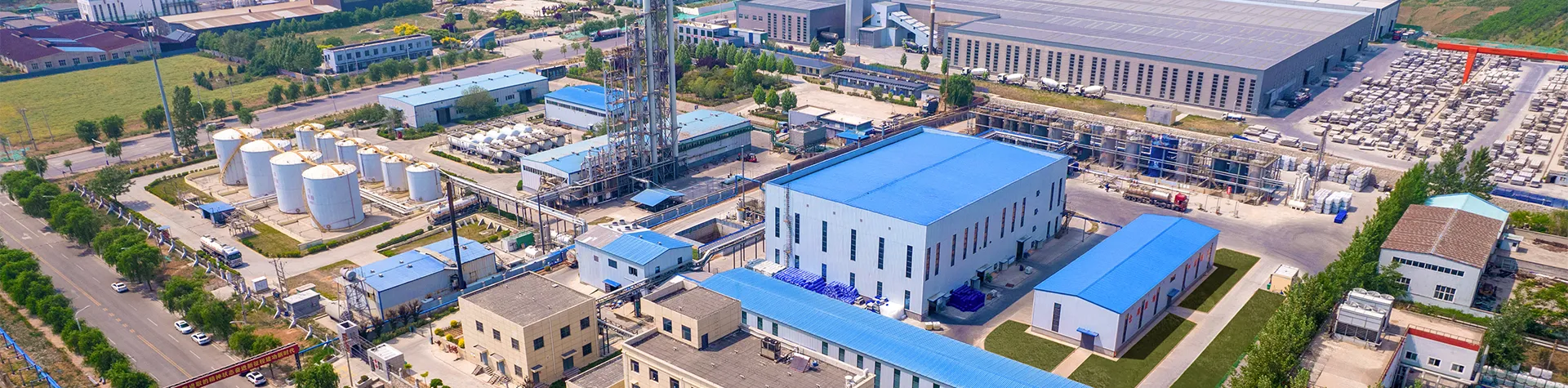
Amino Tri Methylene Phosphonic Acid (ATMP) Scale & Corrosion Inhibitor
The Crucial Role of Amino Tri Methylene Phosphonic Acid (ATMP) in Industrial Water Treatment
In the complex world of industrial fluid systems, preventing scale formation and corrosion is paramount for operational efficiency, asset longevity, and environmental compliance. Among the myriad of chemical solutions, amino tri methylene phosphonic acid, commonly abbreviated as ATMP, stands out as a highly effective and versatile phosphonate. This organic phosphonate excels as a chelating agent, scale inhibitor, and corrosion inhibitor, finding extensive application across a spectrum of demanding industries. Its unique molecular structure allows it to sequester metal ions, disrupt crystal growth, and form a protective film on metal surfaces, making it indispensable in modern water treatment paradigms. The persistent challenge of maintaining optimal performance in cooling towers, boilers, and reverse osmosis systems necessitates robust solutions like ATMP, which contribute significantly to reducing maintenance costs, extending equipment lifespan, and ensuring uninterrupted process flows.
Industries ranging from petrochemicals to power generation rely heavily on sophisticated water management strategies. The efficacy of an inhibitor water treatment program directly impacts operational uptime and overall profitability. ATMP's ability to perform effectively under varying pH and temperature conditions, coupled with its excellent hydrolytic stability, positions it as a preferred choice for severe service applications where conventional treatments may falter. This article delves into the technical intricacies, application advantages, and strategic deployment of ATMP, offering a comprehensive guide for B2B decision-makers and technical professionals.
Manufacturing Process of Amino Tri Methylene Phosphonic Acid (ATMP)
The production of amino tri methylene phosphonic acid atmp involves a meticulously controlled chemical synthesis process, typically starting from primary raw materials such as ammonia, formaldehyde, and phosphorus acid. The manufacturing process is designed to yield a high-purity product that meets stringent industrial specifications for various water treatment applications.
Process Flow:
Step 1: Raw Material Preparation
Ammonia (NH₃), Formaldehyde (CH₂O), and Phosphorus Acid (H₃PO₃) are precisely measured and pre-treated to ensure purity and concentration. Quality control checks are performed to meet material specifications.
Step 2: Mannich-Type Reaction
These components undergo a Mannich-type reaction in a controlled reactor, typically at elevated temperatures and pressures. This reaction forms the aminomethylenephosphonic acid intermediate.
Step 3: Phosphorylation & Hydrolysis
Further phosphorylation and hydrolysis steps ensure the complete formation of the phosphonate groups and the desired molecular structure of ATMP.
Step 4: Purification & Crystallization
The crude product undergoes purification processes, including filtration, crystallization, and washing, to remove impurities and co-products, achieving high purity levels.
Step 5: Drying & Packaging
The purified ATMP is then dried (if solid form is desired) and packaged according to industry standards, ready for distribution as a liquid solution or crystalline powder.
Quality Control and Testing Standards:
Throughout the manufacturing process, rigorous quality control measures are implemented. These include in-process testing for pH, density, active content, and impurity levels. Final products are tested against international standards such as ISO 9001 (Quality Management) and often meet specific industry benchmarks for various sectors. Key parameters like chelation value, scale inhibition rate, and corrosion inhibition efficiency are verified. Our ATMP products typically undergo testing to ensure compliance with relevant environmental and safety regulations, including those pertaining to biodegradability and toxicity profiles.
Target Industries and Advantages:
The robust nature of ATMP makes it a cornerstone in various industrial water treatment programs.
- Petrochemical: Essential for cooling water systems and process water loops, preventing scale from calcium carbonate, barium sulfate, and iron oxides, thereby ensuring energy saving and corrosion resistance in heat exchangers.
- Metallurgy: Used in quenching water and cooling systems to maintain efficient heat transfer and protect expensive machinery from scaling and pitting.
- Power Generation: Critical for boiler feed water treatment and cooling tower systems in thermal and nuclear power plants, enhancing energy efficiency and preventing turbine and pipe damage.
- Water Supply & Drainage: Applied in municipal water treatment for stabilization and in wastewater systems to prevent mineral deposition in pipes and pumps.
- Oil & Gas: Deployed in injection water systems to prevent scale formation in pipelines and wells, crucial for maintaining flow assurance.
The long service life of ATMP formulations within these systems means less frequent chemical dosing and reduced operational intervention, translating directly into enhanced system reliability and substantial cost savings.
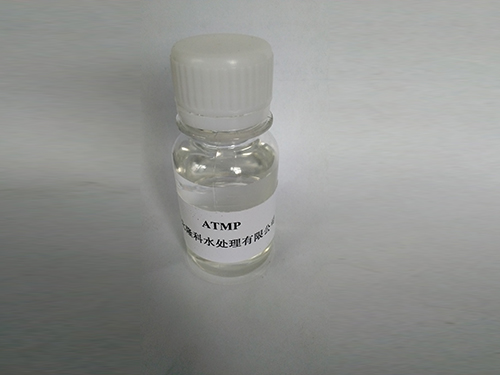
Industry Trends in Water Treatment and ATMP Demand
The global industrial water treatment market is experiencing dynamic shifts, driven by increasing industrialization, escalating water scarcity concerns, and more stringent environmental regulations. There is a growing emphasis on sustainable water management practices, including wastewater reuse and minimal liquid discharge (MLD) systems. These trends significantly amplify the demand for high-performance chemical additives like amino tris methylene phosphonic acid (ATMP).
The market for `inhibitor water treatment` solutions is projected to grow substantially, with a compound annual growth rate (CAGR) estimated at over 6% between 2023 and 2030, according to recent industry reports. This growth is primarily fueled by the expanding energy sector, particularly power generation and oil & gas exploration, alongside the burgeoning manufacturing and infrastructure development worldwide. The drive towards optimizing operational costs and improving energy efficiency further propels the adoption of effective `scale inhibitor water treatment` chemicals. Phosphonates, with ATMP leading the charge, are favored for their stability and broad-spectrum efficacy against various scales, including calcium carbonate, calcium sulfate, and barium sulfate.
Furthermore, regulatory bodies globally are tightening limits on discharge quality, leading industries to invest in more advanced treatment technologies. ATMP's role in preventing fouling and scaling in membranes used in reverse osmosis (RO) and nanofiltration (NF) systems is becoming increasingly critical as these technologies gain traction for water purification and reuse. Innovation in ATMP formulations, including synergistic blends with other polymers and dispersants, is also a key trend, aimed at enhancing performance in challenging water chemistries and reducing the overall environmental footprint of treatment programs.
Technical Specifications of Amino Trimethylene Phosphonic Acid (ATMP)
Understanding the precise technical specifications of amino trimethylene phosphonic acid atmp is crucial for its effective deployment in industrial water treatment. Our ATMP product is available in both liquid and solid forms, offering flexibility for various application needs. Below is a detailed specification table for the commonly used liquid form (50% active content).
Product Specification Table: ATMP (50% Solution)
| Parameter | Unit | Value (Typical) | Method/Standard |
|---|---|---|---|
| Active Content (as ATMP) | % | 50.0 - 52.0 | GB/T 28169-2011 |
| Appearance | - | Clear, colorless to pale yellow aqueous solution | Visual |
| pH (1% solution) | - | 1.5 - 2.5 | ASTM E70 |
| Density (20°C) | g/cm³ | 1.30 - 1.35 | ISO 2811 |
| Total Phosphorus (as PO₄³⁻) | % | 20.0 - 22.0 | APHA 4500-P |
| Chloride (as Cl⁻) | % | < 0.5 | ASTM D512 |
| Iron (as Fe) | ppm | < 20 | ICP-OES |
| Solubility in Water | % | Completely soluble | Visual |
Note: These specifications are typical values and may vary slightly. Custom specifications can be provided upon request to meet specific application requirements. Our products are manufactured under strict ISO 9001 certified quality management systems.
Key Application Scenarios for ATMP
The versatility and high-performance characteristics of amino tri methylene phosphonic acid make it suitable for a wide range of industrial applications where water quality and system integrity are critical. Its dual action as a scale and corrosion inhibitor provides a comprehensive solution for challenging environments.
- Cooling Water Systems: In open recirculating cooling systems (e.g., cooling towers), ATMP effectively inhibits calcium carbonate, calcium sulfate, and silica scale formation. It also offers good corrosion inhibition, especially in conjunction with zinc salts or other corrosion inhibitors, protecting heat exchangers, piping, and other metallic components.
- Boiler Water Treatment: For industrial boilers, ATMP prevents the deposition of hardness salts and iron oxides, which can significantly reduce heat transfer efficiency and lead to tube failures. It helps maintain clean boiler surfaces, extending operational cycles and reducing blowdown frequency.
- Oilfield Water Treatment: In the oil and gas industry, ATMP is widely used in injection water, produced water, and drilling fluids to prevent scale formation (e.g., barium sulfate, strontium sulfate, calcium carbonate) in pipelines, downhole equipment, and production wells. This is crucial for maintaining flow assurance and preventing costly blockages.
- Reverse Osmosis (RO) Systems: As a highly effective antiscalant for membrane systems, ATMP prevents the precipitation of sparingly soluble salts on membrane surfaces, thereby reducing membrane fouling, extending membrane life, and maintaining optimal permeate flux in RO, nanofiltration (NF), and ultrafiltration (UF) plants.
- Textile Dyeing and Printing: ATMP's chelating properties are utilized to complex metal ions present in process water, preventing their interference with dyes and pigments, improving color consistency, and reducing textile degradation.
- Metal Surface Treatment: In pickling and cleaning operations, ATMP can prevent corrosion of base metals while effectively removing scales and oxides.
These scenarios demonstrate ATMP's critical role in safeguarding industrial assets, optimizing energy consumption, and ensuring the reliability of water-intensive processes.
Technical Advantages of ATMP
The robust chemical structure of amino trimethylene phosphonic acid atmp confers several distinct technical advantages that set it apart as a premium water treatment chemical.
- Superior Scale Inhibition: ATMP is a highly effective chelating agent and crystal distortion agent. It can chelate with metal ions like Ca²⁺, Mg²⁺, Fe²⁺, and Cu²⁺, preventing them from forming insoluble scales. Furthermore, it adsorbs onto the surface of micro-crystals, disrupting their growth and agglomeration, thereby keeping scale-forming salts dispersed in the water. This efficacy extends to various scales, including calcium carbonate, calcium sulfate, and barium sulfate.
- Excellent Corrosion Inhibition: ATMP forms a stable protective film on metal surfaces, acting as a cathodic inhibitor. This thin, impervious film prevents corrosive agents (e.g., oxygen, chlorides) from directly contacting the metal, significantly reducing general and localized corrosion rates in systems made of carbon steel, stainless steel, and copper alloys.
- High Chemical and Thermal Stability: Unlike some other phosphonates or traditional polyphosphates, ATMP exhibits remarkable hydrolytic stability and resistance to degradation under high temperature and pH conditions, making it suitable for demanding industrial applications such as high-temperature cooling systems and boiler feed water.
- Synergistic Effects: ATMP can be effectively combined with other water treatment chemicals, such as polycarboxylates, polyelectrolytes, and zinc salts, to achieve synergistic improvements in both scale and corrosion inhibition, allowing for more comprehensive and cost-effective treatment programs.
- Good Compatibility: It shows good compatibility with common water treatment biocides and dispersants, allowing for integrated and balanced water treatment programs without adverse interactions.
These advantages underscore ATMP's position as a reliable and high-performance solution for maintaining the integrity and efficiency of critical industrial water systems.
ATMP Vendor Comparison: Key Considerations
Selecting the right supplier for amino tri methylene phosphonic acid is as critical as selecting the product itself. The quality, consistency, and support provided by a vendor can significantly impact the success of your water treatment program. Here’s a comparison framework to assist in vendor evaluation.
Key Vendor Evaluation Criteria:
- Product Purity and Consistency: Verifiable active content, low impurity levels (e.g., iron, chloride), and consistent batch quality are paramount for predictable performance.
- Certifications and Compliance: Adherence to international standards (ISO 9001, REACH, FDA for specific applications) and local regulatory requirements.
- Technical Support and Expertise: Availability of experienced technical teams for application guidance, troubleshooting, and customized solution development.
- Supply Chain Reliability: Robust logistics, stable production capacity, and consistent lead times, especially for critical industrial operations.
- Customization Capabilities: Ability to provide tailored formulations, concentrations, or blended products based on unique system requirements.
- Pricing Structure and Value: Competitive pricing coupled with excellent product quality and service, reflecting total cost of ownership rather than just unit price.
Comparison Table: Hypothetical ATMP Suppliers
| Feature | LKPBTC (Our Offering) | Competitor A | Competitor B |
|---|---|---|---|
| Active Content (50% Sol.) | 50-52% (Consistent) | 48-51% (Variable) | 50% (Standard) |
| ISO 9001 Certified | Yes | Yes | No |
| Technical Support | Dedicated & On-site | Email/Phone only | Limited |
| Lead Time (Standard) | 5-7 Business Days | 10-14 Business Days | Varies significantly |
| Custom Formulations | Available | Limited | No |
| Pricing Competitiveness | Excellent Value | Moderate | Low (lower quality) |
This table provides a generalized comparison. Specific vendor capabilities should always be verified through direct engagement and technical data sheets. LKPBTC maintains a steadfast commitment to product excellence and customer satisfaction.
Customized Solutions and Integration with Existing Systems
Recognizing that every industrial water system presents unique challenges, we specialize in providing customized solutions based on amino tri methylene phosphonic acid to optimize performance and cost-efficiency. Our approach involves a detailed analysis of your specific operational parameters, water chemistry, and regulatory landscape.
Our Customization Process:
- System Audit & Water Analysis: Our experts conduct a thorough review of your existing water treatment program, system design, and perform comprehensive water analyses (e.g., Langelier Saturation Index, Ryznar Stability Index, scaling potential, corrosion rates).
- Formulation Development: Based on the audit, we can formulate tailored ATMP solutions. This may involve adjusting the active concentration, incorporating synergistic dispersants, polymers, or other corrosion inhibitors to create a multi-functional blend optimized for your specific needs (e.g., high-temperature stability, broad-spectrum scale control, specific metal protection).
- Dosing Strategy & Implementation: We provide precise recommendations for dosing rates, injection points, and monitoring protocols to ensure maximum efficacy and minimize chemical consumption. Our technical team assists with seamless integration into existing dosing equipment and control systems.
- Performance Monitoring & Optimization: Post-implementation, we offer ongoing support and monitoring to track performance, verify scale and corrosion inhibition, and make any necessary adjustments to ensure continuous optimal protection and cost-effectiveness.
This tailored approach ensures that our ATMP products deliver not just a chemical, but a complete water management solution that aligns perfectly with your operational goals and environmental commitments.
Application Case Studies: Real-World Impact of ATMP
The proven efficacy of amino trimethylene phosphonic acid atmp is best demonstrated through its successful application in various industrial settings. Here are examples showcasing its impact:
Case Study 1: Petrochemical Cooling Tower Optimization
A major petrochemical complex faced persistent issues with calcium carbonate and iron oxide scaling in its critical cooling towers, leading to reduced heat exchange efficiency and increased energy consumption. Previous treatment programs struggled to cope with high-cycle operations and fluctuating water quality.
- Solution: Implementation of an ATMP-based scale and corrosion inhibitor blend, tailored to the specific water chemistry and operating conditions of the cooling system.
- Results:
- Achieved over 95% reduction in calcium carbonate deposition as measured by heat exchanger monitoring.
- Extended cleaning cycles from 6 months to 18 months, leading to significant maintenance cost savings.
- Improved heat transfer coefficient by 15%, resulting in a 3% reduction in energy consumption for cooling.
- Reduced overall corrosion rates by 40% (monitored via corrosion coupons).
- Customer Feedback: "The ATMP program provided by LKPBTC has dramatically improved our cooling tower performance and reliability, exceeding the results of previous solutions."
Case Study 2: Boiler Scale Prevention in a Power Plant
A thermal power plant experienced frequent scaling in its high-pressure boilers, primarily from hardness salts and silica. This necessitated unscheduled shutdowns for acid cleaning, impacting power generation capacity.
- Solution: A specialized ATMP liquid formulation was introduced into the boiler feed water as part of a comprehensive internal treatment program.
- Results:
- Eliminated hard scale formation on boiler tubes, maintaining clean heat exchange surfaces.
- Extended boiler operational periods between scheduled maintenance by over 30%.
- Reduced chemical cleaning frequency by 50%, saving operational time and chemical costs.
- Maintained stable steam generation efficiency.
- Service Case Details: Our engineers worked on-site to optimize dosing points and concentrations, providing ongoing analytical support to ensure treatment efficacy.
These cases exemplify how targeted application of ATMP can lead to tangible improvements in operational efficiency, asset protection, and cost reduction across diverse industrial sectors.
Frequently Asked Questions (FAQ)
What is the primary function of ATMP in water treatment?
ATMP serves as an effective scale inhibitor, preventing the formation of various mineral scales (e.g., calcium carbonate, barium sulfate, iron oxides), and also acts as a corrosion inhibitor by forming a protective film on metal surfaces in industrial water systems.
Is ATMP effective across different pH ranges?
Yes, ATMP exhibits good stability and performance across a broad pH range, typically from acidic to alkaline conditions, making it suitable for diverse industrial environments.
Can ATMP be used with other water treatment chemicals?
Absolutely. ATMP demonstrates excellent compatibility with various other phosphonates, polymers, dispersants, and non-oxidizing biocides, allowing for the formulation of synergistic and comprehensive water treatment programs.
What are the typical storage conditions for ATMP?
ATMP should be stored in a cool, dry, well-ventilated area, away from direct sunlight and incompatible materials. Ensure container111s are tightly sealed. It has a typical shelf life of 2 years when stored properly.
Procurement & Support Information
Lead Time & Fulfillment:
We maintain robust production and inventory management to ensure timely delivery. Standard lead time for ATMP (liquid 50% solution or solid powder) is typically 5-7 business days for domestic orders, and 14-21 business days for international shipments, depending on destination and customs procedures. Expedited shipping options are available upon request. All orders are processed with meticulous attention to packaging and documentation to ensure product integrity upon arrival.
Warranty Commitments:
Our Amino Trimethylene Phosphonic Acid products are guaranteed to meet the published technical specifications and industry standards for purity and performance. We offer a product warranty against manufacturing defects and non-conformance to agreed-upon specifications for a period of 12 months from the date of shipment, provided the product has been stored and handled according to our recommendations.
Customer Support:
Our dedicated customer support team and technical experts are available to provide comprehensive assistance, including:
- Pre-sales consultation and product selection guidance.
- Technical data sheets, safety data sheets (SDS), and regulatory compliance documentation.
- Troubleshooting support and application optimization advice.
- Order tracking and logistics coordination.
- Post-sales technical assistance and performance monitoring.
For immediate assistance, please visit our contact page or reach out to your assigned account manager.
Conclusion
Amino Trimethylene Phosphonic Acid (ATMP) represents a cornerstone of modern industrial water treatment strategies. Its exceptional capabilities as a scale and corrosion inhibitor, coupled with its robust stability and versatility, make it an indispensable chemical for protecting critical assets, enhancing operational efficiency, and ensuring the longevity of industrial systems across diverse sectors. As industries continue to face evolving water quality challenges and stringent environmental regulations, high-performance phosphonates like ATMP will remain vital in delivering sustainable and cost-effective water management solutions.
References
- Environmental Protection Agency (EPA). (2012). Technical Review of Chemicals Used in Cooling Water Treatment.
- Nalco Water, an Ecolab Company. (2019). The Water Handbook: A Guide to Industrial Water Treatment.
- ASTM International. (2020). Annual Book of ASTM Standards.
- American Water Works Association (AWWA). (2017). Water Quality and Treatment: A Handbook on Drinking Water (6th ed.).
- Journal of Chemical Engineering & Technology. (Various Issues). Research on Phosphonate-Based Scale and Corrosion Inhibitors.
-
Comprehensive Analysis on Why Aluminum Chlorohydrate Safe for UseNewsApr.16,2026
-
Industrial Applications and Guide to Chloride of AluminiumNewsApr.09,2026
-
Exploring Aluminium Chloride Properties Applications and Sourcing InformationNewsApr.07,2026
-
Comprehensive Guide to Chloride Aluminium Properties Applications and SourcingNewsApr.04,2026
-
Understanding Aluminium Chloride Properties Applications and Sourcing DetailsNewsMar.31,2026
-
Understanding Aluminium Chloride Properties Applications and SourcingNewsMar.28,2026