

Amino Tri Methylene Phosphonic Acid ATMP Scale Inhibitor
Amino Trimethylene Phosphonic Acid (ATMP): Field Notes, Specs, and Buying Advice
If you work in water treatment or cleaning chemistry, you’ve met amino tri methylene phosphonic acid —often sold as ATMP, CAS 6419-19-8. It’s one of those quietly indispensable phosphonates: strong chelation, excellent threshold inhibition, and, to be honest, a lifesaver in hard, scaling-prone circuits.
What’s trending? Three things I keep hearing from plant managers: lower phosphorous-to-performance ratios, tougher global compliance (REACH, ISO-driven QC), and smarter dosing tied to online conductivity and LSI tracking. In fact, many customers say ATMP still beats newer blends in hot, alkaline loops where calcium carbonate won’t quit.
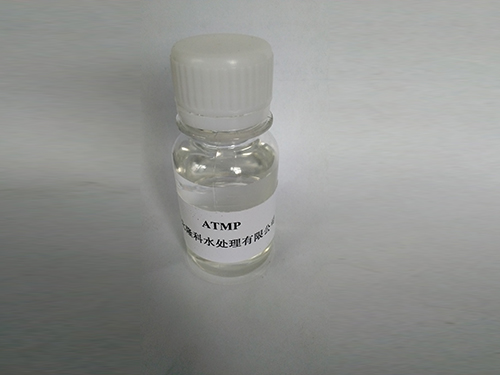
Where it fits: application scenarios
- Industrial cooling towers and chillers (scale/corrosion control; synergistic with phosphonates and azoles)
- Oilfield waterflood and produced-water re-use (tolerates high TDS; stable vs. hydrolysis)
- RO/UF pretreatment (threshold inhibition to keep membranes cleaner, real-world use may vary)
- Detergents and CIP cleaners (chelates Ca/Mg/Fe; helps keep soils mobile)
- Pulp & paper, textile dyeing, and municipal/industrial boilers (when scale is public enemy #1)
Process flow (how quality ATMP is made)
Materials: phosphorous acid (H3PO3), ammonia, and formaldehyde—plus controlled acid catalysis. Method, in brief: a Mannich-type condensation; temperature-hold (≈80–95°C); careful pH steering; vacuum concentration; stabilization; fine filtration; QA release. Testing includes pH, active acid, color, density, trace metals, and chloride. Typical service life in closed loops: 30–90 days between dosing checks; in open recirc towers, you’re topping up continuously based on bleed rates.
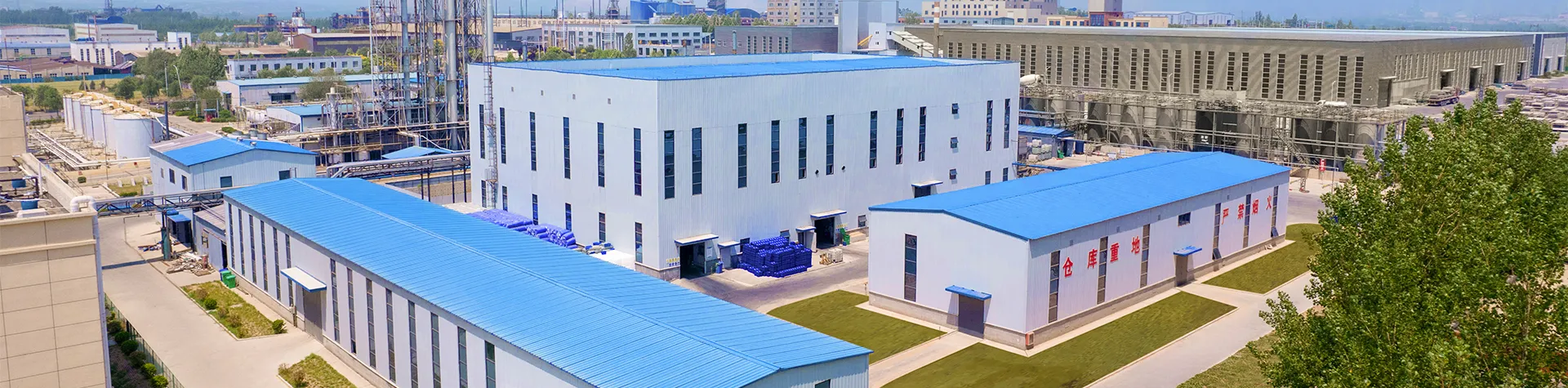
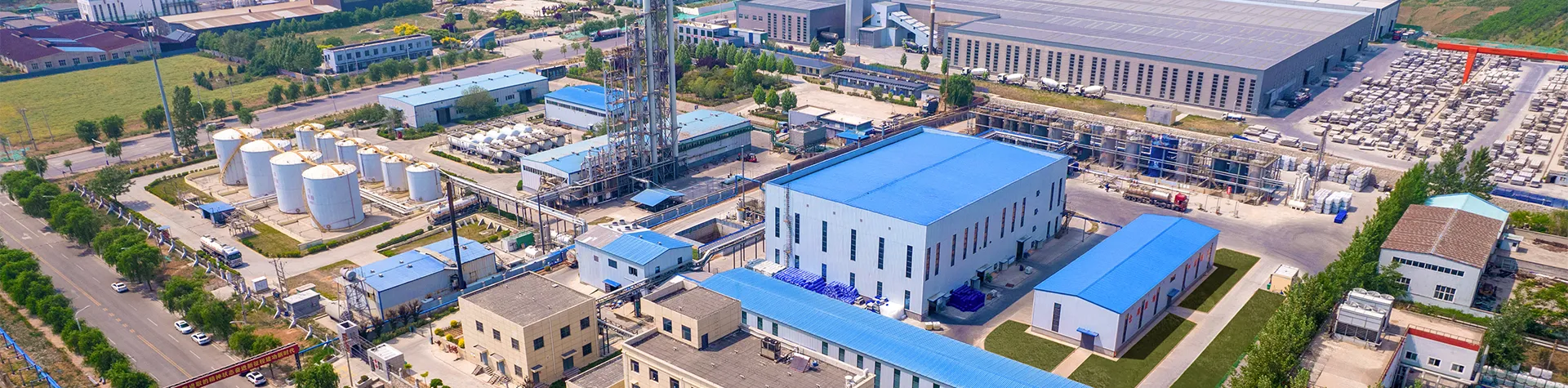
Origin of the product featured here: No. 3, North of Haohua East Road, North Park, Neiqiu County Industrial Zone, Xingtai City, Hebei Province.
Technical specifications (Amino Trimethylene Phosphonic Acid, ATMP)
| Parameter | Typical Value (≈) | Test/Standard |
|---|---|---|
| Active content (as acid) | 50% ± 1% | Titrimetric, internal SOP referencing APHA |
| pH (1% solution) | 2.0–3.0 | ISO 10523 |
| Density (20°C) | ≈1.31 g/cm³ | ASTM D4052 |
| Color, APHA | ≤ 100 | ASTM D1209 |
| Fe (ppm) | ≤ 20 | ICP-OES |
| Chloride (wt%) | ≤ 1.0% | Ion chromatography |
Note: real-world values may vary slightly by batch; certificate of analysis (CoA) governs.
Field performance and test data
In hard make-up water (Ca2+ > 200 ppm as CaCO3), ATMP shows reliable threshold inhibition of CaCO3 at modest dosages (5–20 mg/L as product), especially when paired with polymers. Lab glassware corrosion screening (e.g., ASTM D1384-type setups) often indicates low attack rates on copper/brass when ATMP is used with an azole; your mileage will vary with chloride, temperature, and flow.
Advantages customers point out
- Thermal and hydrolytic stability; sticks around where polycarboxylates can taper off
- Strong chelation with Fe/Ca/Mg; helps keep heat exchange surfaces clean
- Works across wide pH; tolerant of high ionic strength
Vendor comparison (procurement quick view)
| Vendor | Strengths | MOQ / Lead Time | Certifications | Notes |
|---|---|---|---|---|
| Hebei Plant (LKPBTC) | Consistent 50% grade, factory origin, solid QC feedback | 1 MT / 7–14 days | ISO 9001; REACH-ready docs | Best landed cost in Asia/EU corridors |
| Global Brand B | Extensive tech service; multi-plant redundancy | Drum / 2–4 weeks | ISO 14001, 45001 | Higher price, flexible formulations |
| Regional Trader C | Agile logistics; mixed sourcing | 500 kg / stock-dependent | CoA per lot | Verify origin and spec stability |
Customization and packaging
Customs I’ve seen work well: adjusted active (e.g., 47–52%), low-chloride grades for membrane plants, and blended packages (ATMP + PBTC + polymer). Packaging: 250 kg drums, 1,250 kg IBC, or bulk ISO—always with corrosion-resistant liners.
Mini case study
A textile dye-house switched to amino tri methylene phosphonic acid at 12 mg/L (as product) plus a low-dose dispersant. Result: steadier ΔP across heat exchangers and fewer unscheduled cleans. “Surprisingly simple,” their utility lead told me—“once we stabilized make-up alkalinity, the fouling backed off.”
Compliance, safety, and standards to know
- CAS: 6419-19-8; consult SDS for handling (acidic; avoid mixing with strong oxidizers)
- Typical references: ECHA registration dossiers; ASTM D1209, D4052; APHA methods for phosphorous species
- Certifications commonly requested: ISO 9001; statements for REACH, RoHS; sometimes NSF/ANSI 60 for potable adjuncts (check scope)
Bottom line: amino tri methylene phosphonic acid remains a practical, durable backbone for modern water treatment and cleaning formulations—especially where scale is persistent and budgets are realistic.
Authoritative citations
- European Chemicals Agency (ECHA). ATMP (CAS 6419-19-8) registration dossier. https://echa.europa.eu/
- ASTM International. ASTM D4052 and ASTM D1209 (density, color). https://www.astm.org/
- APHA. Standard Methods for the Examination of Water and Wastewater (phosphorous/phosphonate-related methods). https://www.standardmethods.org/
- ASTM D1384. Standard Test Method for Corrosion in Glassware (cooling fluids). https://www.astm.org/
-
Comprehensive Analysis on Why Aluminum Chlorohydrate Safe for UseNewsApr.16,2026
-
Industrial Applications and Guide to Chloride of AluminiumNewsApr.09,2026
-
Exploring Aluminium Chloride Properties Applications and Sourcing InformationNewsApr.07,2026
-
Comprehensive Guide to Chloride Aluminium Properties Applications and SourcingNewsApr.04,2026
-
Understanding Aluminium Chloride Properties Applications and Sourcing DetailsNewsMar.31,2026
-
Understanding Aluminium Chloride Properties Applications and SourcingNewsMar.28,2026