
Amino Tri Methylene Phosphonic Acid | ATMP Scale Inhibitor
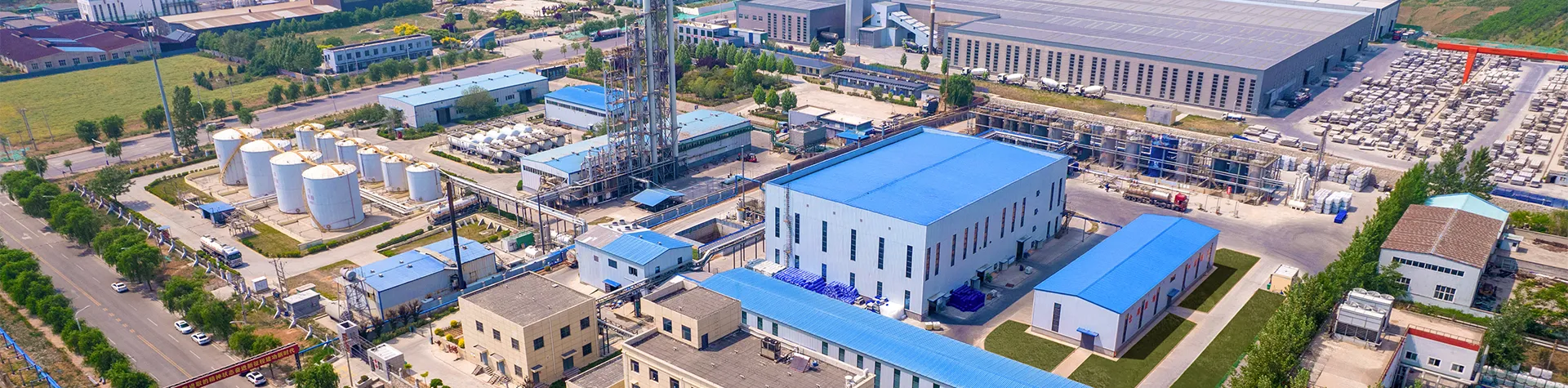
Amino Tri Methylene Phosphonic Acid is a key solution in the environmental protection industry, specifically within water treatment and Water treatment chemicals. This article explores how Hebei Longke Water Treatment Co., Ltd. supports professionals with durable, high-performance products, and explains why this product is an ideal choice for businesses in these sectors.
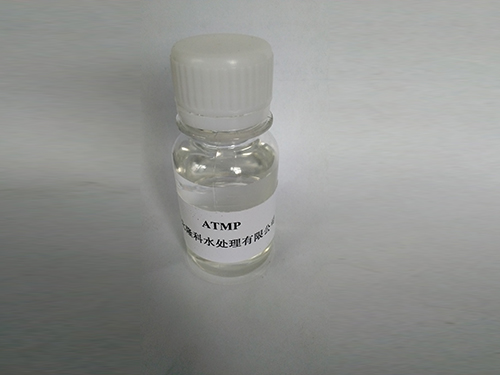
Table of Contents
- Amino Tri Methylene Phosphonic Acid Overview
- Benefits & Use Cases of Amino Tri Methylene Phosphonic Acid in Water treatment chemicals
- Cost, Maintenance & User Experience
- Sustainability & Market Trends in environmental protection industry
- Conclusion on Amino Tri Methylene Phosphonic Acid from Hebei Longke Water Treatment Co., Ltd.
Amino Tri Methylene Phosphonic Acid Overview
Amino Tri Methylene Phosphonic Acid (also written as amino trimethylene phosphonic acid ATMP or amino tris methylene phosphonic acid) is a high-performance phosphonate used as a threshold scale and corrosion control agent in industrial water systems. Chemically, it is a multi-dentate chelating molecule (CAS No. 6419-19-8, formula C3H12NO9P3) that forms stable complexes with divalent and trivalent metal ions. In practical terms, this translates into robust prevention of CaCO3 and CaSO4 scaling and better stabilization of metals in recirculating cooling water, RO pre-treatment, and other critical processes.
Compared with traditional polyphosphates, ATMP resists hydrolysis and chlorine oxidation, works effectively at low dosages (often 1–10 mg/L in maintenance dosing), and maintains performance across a wide pH and temperature window. Many formulators blend ATMP with dispersant polymers and zinc/azole packages to enhance both scale and corrosion control. Hebei Longke Water Treatment Co., Ltd. supplies consistent, high-purity Amino Tri Methylene Phosphonic Acid with tight quality control on active content and trace metals—critical factors for plant reliability and compatibility with downstream equipment. For technical details and specifications, visit the product page: https://www.lkpbtc.com/amino-trimethylene-phosphonic-acid-atmp.html
Benefits & Use Cases of Amino Tri Methylene Phosphonic Acid in Water treatment chemicals
In the water treatment chemicals portfolio, Amino Tri Methylene Phosphonic Acid is a go-to component for scale inhibitor water treatment programs in recirculating cooling towers, air washers, district cooling, geothermal loops, and oilfield water injection. It is also used in RO/UF pre-treatment to mitigate carbonate and sulfate scaling, improving membrane run length. In boilers (low to medium pressure), it helps keep heat-transfer surfaces clean when part of balanced internal treatment packages. Beyond utilities, ATMP supports metal cleaning, pigment dispersion, and industrial cleaners where sequestering hardness and stabilizing metal ions are essential.
Key advantages for B2B operators include excellent threshold inhibition at low ppm, broad pH compatibility, strong chlorine resistance, and proven synergy with modern acrylic/maleic copolymers. These traits cut chemical consumption and extend asset life by minimizing deposition and under-deposit corrosion. Hebei Longke Water Treatment Co., Ltd. pairs product quality with application know-how—helping formulators and plant teams tune dosage, cycles of concentration, and blend ratios for reliable performance under changing make-up water chemistry and heat loads typical of industrial sites.
Cost, Maintenance & User Experience
Total cost of ownership for inhibitor water treatment programs hinges on dose efficiency, operational stability, and maintenance frequency. Because Amino Tri Methylene Phosphonic Acid delivers effective scale control at low concentrations, it typically reduces chemical spend per cubic meter treated while helping maintain higher heat-exchanger efficiency and lower pump energy. By limiting scale formation, ATMP also decreases unplanned downtime and cleaning costs. Typical control strategies include maintaining phosphonate residuals verified by colorimetric or photometric methods, alongside monitoring indices (LSI/RSI) and conductivity to target cycles of concentration safely.
Operations teams report stable delta-T across exchangers, fewer softener upsets when ATMP is used downstream, and easier compliance with internal KPI dashboards focused on water, energy, and maintenance. Hebei Longke Water Treatment Co., Ltd. supports this with consistent supply, technical guidance on start-up/shock dosing (e.g., 5–20 mg/L depending on water chemistry), and compatibility advice for blends with zinc, azoles, and polymers. The net effect is measurable ROI through longer run lengths, predictable dosing, and simplified field control.
Sustainability & Market Trends in environmental protection industry
Water-stressed regions and tightening discharge limits are pushing facilities to operate at higher cycles, reuse process water, and minimize cleaning events. Within this context, Amino Tri Methylene Phosphonic Acid helps plants meet performance targets at very low dosing, supporting resource efficiency. Market trends favor phosphonate–polymer hybrids that lower total phosphorus while sustaining deposit control, and data-driven dosing (online monitoring and automation) that keeps residuals within narrow optimum ranges to balance performance and compliance. For RO plants and district cooling, selecting robust antiscalants also supports lower energy intensity and longer asset life—key sustainability levers.
Hebei Longke Water Treatment Co., Ltd. positions its amino trimethylene phosphonic acid ATMP for forward-looking programs: consistent quality for precise dosing, technical support to optimize blends that reduce total phosphorus loading, and guidance on best practices that align with local permits and corporate ESG goals. By helping customers use the least chemical for the most effect, Longke enables both operational resilience and credible environmental performance.
Conclusion on Amino Tri Methylene Phosphonic Acid from Hebei Longke Water Treatment Co., Ltd.
For B2B decision makers in the environmental protection industry, Amino Tri Methylene Phosphonic Acid remains a proven cornerstone of scale inhibitor water treatment programs—efficient at low doses, robust across variable chemistries, and compatible with modern multifunctional blends. Hebei Longke Water Treatment Co., Ltd. combines dependable product quality with application expertise, helping facilities protect assets, conserve energy, and operate reliably. Contact us: email: sale@longkehg.com. Visit our website: https://www.lkpbtc.com
-
Comprehensive Analysis on Why Aluminum Chlorohydrate Safe for UseNewsApr.16,2026
-
Industrial Applications and Guide to Chloride of AluminiumNewsApr.09,2026
-
Exploring Aluminium Chloride Properties Applications and Sourcing InformationNewsApr.07,2026
-
Comprehensive Guide to Chloride Aluminium Properties Applications and SourcingNewsApr.04,2026
-
Understanding Aluminium Chloride Properties Applications and Sourcing DetailsNewsMar.31,2026
-
Understanding Aluminium Chloride Properties Applications and SourcingNewsMar.28,2026