


Comprehensive Guide to Aluminum Chloride AlCl₃ Properties Applications and Safety
Understanding Aluminum Chloride (AlCl₃): Properties, Applications & Safety
Aluminum chloride (AlCl₃) is a versatile chemical compound widely used in various industrial applications. Its properties as a Lewis acid make it a crucial catalyst in organic synthesis. This article provides a comprehensive overview of aluminum chloride, covering its properties, production methods, applications, safety considerations, and sourcing options. For high-quality aluminum chloride and other chemical products, explore our offerings at LKP BTC. Understanding the nuances of this compound is critical for safe and effective utilization across diverse industries.
Chemical and Physical Properties of Aluminum Chloride
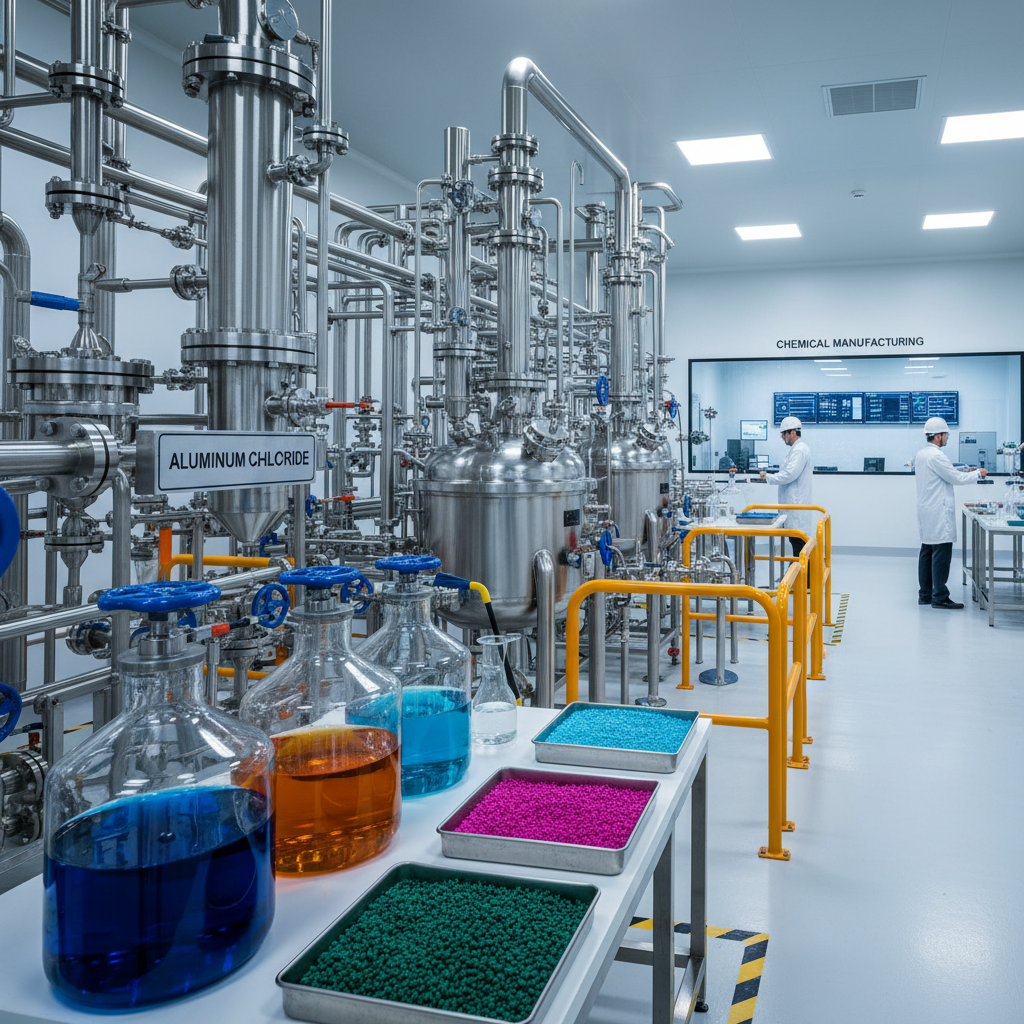
Aluminum chloride exists in various forms, but the most common is anhydrous aluminum chloride, a white crystalline solid. It's highly reactive with water, releasing heat and forming hydrogen chloride gas. This reactivity stems from its Lewis acidity, meaning it readily accepts electron pairs. Key physical properties include a high melting point (192.7 °C) and a boiling point (178 °C), though it often sublimes before reaching its boiling point. It's also soluble in various organic solvents like dichloromethane and carbon disulfide. Its molecular weight is approximately 133.34 g/mol. Its hygroscopic nature requires careful handling and storage in air-tight containers.
Key Highlights: Highly reactive with water, strong Lewis acid, soluble in organic solvents, hygroscopic nature.
Production Methods for Aluminum Chloride
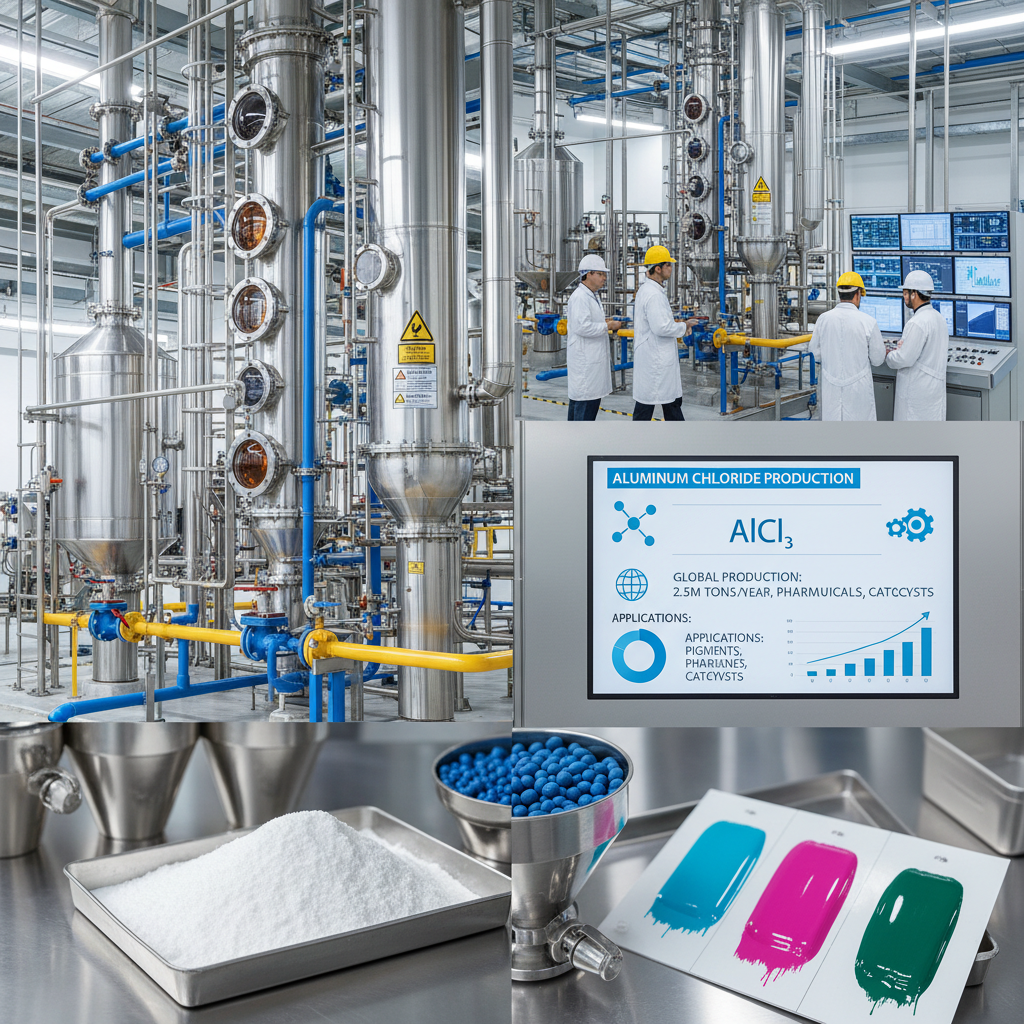
Aluminum chloride is primarily produced through two main industrial processes: the chlorination of aluminum metal and the reaction of aluminum hydroxide with hydrochloric acid. The chlorination of aluminum involves reacting aluminum metal with chlorine gas at elevated temperatures. This is a direct and efficient method. Alternatively, aluminum hydroxide is reacted with concentrated hydrochloric acid, resulting in aluminum chloride and water. This method is often used for producing hydrated forms of aluminum chloride. The anhydrous form is typically obtained by heating the hydrated product to drive off the water.
Production Method Benefits:
• Chlorination of Aluminum: High purity, efficient process.
• Aluminum Hydroxide + HCl: Cost-effective, suitable for hydrated forms.
• Both methods require careful control to prevent unwanted byproducts.
Key Applications of Aluminum Chloride
Aluminum chloride finds widespread use in various industries. In organic chemistry, it serves as a crucial Lewis acid catalyst in Friedel-Crafts alkylation and acylation reactions, essential for producing numerous organic compounds. It’s also used in the production of aluminum alkyls, important reagents in polymerization reactions. In the petroleum industry, it acts as a catalyst in cracking processes. Furthermore, aluminum chloride is utilized in antiperspirants to reduce perspiration. It also has applications in textile processing, as a mordant in dyeing, and in water treatment as a coagulant.
Safety Considerations and Handling of Aluminum Chloride
Aluminum chloride is corrosive and reacts violently with water, generating heat and hydrochloric acid gas. Therefore, it's crucial to handle it with appropriate personal protective equipment (PPE), including gloves, safety glasses, and a respirator. Avoid contact with skin and eyes. Ensure adequate ventilation when working with this chemical. In case of contact, immediately flush the affected area with plenty of water and seek medical attention. Storage should be in a cool, dry, and well-ventilated area, away from moisture and incompatible materials. Review the Safety Data Sheet (SDS) before handling.
Sourcing High-Quality Aluminum Chloride from LKP BTC
LKP BTC is a trusted supplier of high-quality aluminum chloride for a wide range of industrial applications. We offer various grades and packaging options to meet your specific requirements. Our commitment to quality control and reliable delivery ensures you receive a consistent and dependable product. We prioritize customer satisfaction and offer competitive pricing. Contact us today to discuss your needs and request a quote. We are dedicated to providing exceptional service and support.
Conclusion: Partner with LKP BTC for Reliable Aluminum Chloride Supply
Choosing the right supplier for aluminum chloride is crucial for maintaining operational efficiency and product quality. LKP BTC offers a commitment to quality, reliability, and customer service. We provide a consistent and dependable supply of this essential chemical, ensuring your operations run smoothly. Contact us today to learn how we can meet your specific needs.
Frequently Asked Questions (FAQs)
What are the primary hazards associated with aluminum chloride?
Aluminum chloride is corrosive and reacts violently with water, producing hydrochloric acid fumes. These fumes are irritating to the respiratory system and eyes. Direct contact with skin can cause burns. Proper handling procedures, including the use of appropriate personal protective equipment (PPE) such as gloves, safety glasses, and respirators, are essential. Always work in a well-ventilated area and follow the safety guidelines outlined in the Safety Data Sheet (SDS).
How should I store aluminum chloride to prevent degradation?
Aluminum chloride should be stored in a cool, dry, and well-ventilated area, away from moisture, heat sources, and incompatible materials, such as strong bases and oxidizing agents. Containers should be tightly sealed to prevent exposure to humidity. Storing the chemical in its original packaging is recommended. Regularly inspect containers for any signs of damage or leakage. It’s critical to prevent contact with water as this causes a rapid reaction and can damage the container.
What are some common applications of aluminum chloride in the pharmaceutical industry?
Aluminum chloride is utilized in the pharmaceutical industry primarily as a topical astringent to reduce bleeding from minor cuts and abrasions. It’s also employed as a component in antiperspirants, helping to block sweat ducts. In research and development, it serves as a catalyst in the synthesis of various pharmaceutical compounds. However, it's not generally used internally due to its corrosive nature and potential toxicity.
Can LKP BTC provide custom packaging options for aluminum chloride?
Yes, LKP BTC offers custom packaging options to meet specific customer requirements. We can accommodate various container sizes and materials, as well as specific labeling requests. We understand that different applications may require different packaging solutions, and we strive to provide flexible and tailored services to our clients. Please contact our sales team to discuss your specific packaging needs and receive a customized quote.
-
Comprehensive Analysis on Why Aluminum Chlorohydrate Safe for UseNewsApr.16,2026
-
Industrial Applications and Guide to Chloride of AluminiumNewsApr.09,2026
-
Exploring Aluminium Chloride Properties Applications and Sourcing InformationNewsApr.07,2026
-
Comprehensive Guide to Chloride Aluminium Properties Applications and SourcingNewsApr.04,2026
-
Understanding Aluminium Chloride Properties Applications and Sourcing DetailsNewsMar.31,2026
-
Understanding Aluminium Chloride Properties Applications and SourcingNewsMar.28,2026