
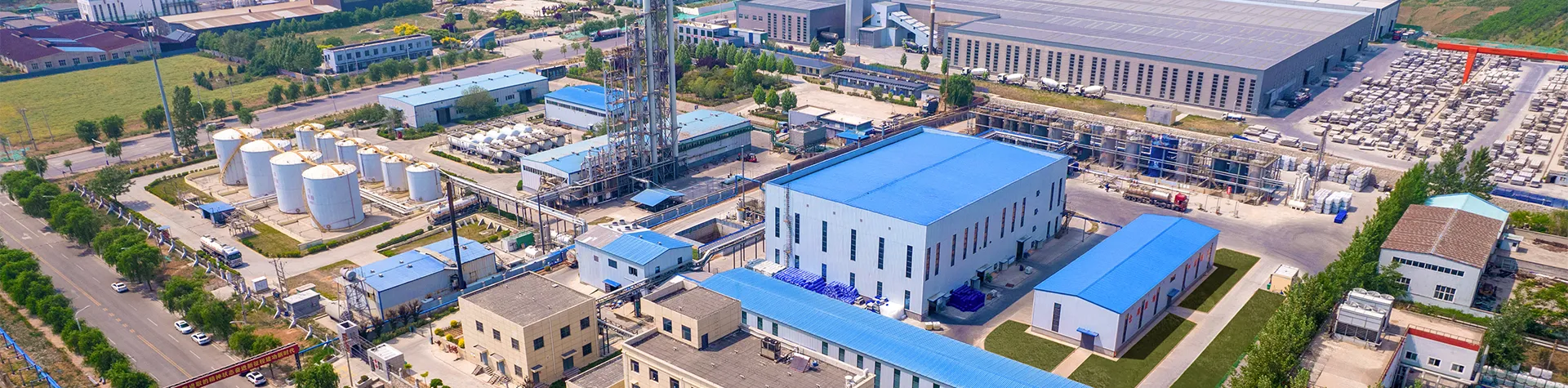
Comprehensive Guide to PAC Aluminum Chloride for Water and Wastewater Treatment
Understanding PAC Aluminum Chloride: A Comprehensive Guide
Poly Aluminum Chloride (PAC) is a widely used coagulant in water and wastewater treatment, offering superior performance compared to traditional aluminum salts. This versatile chemical effectively removes impurities, clarifying water for various applications. This article will delve into the properties, applications, benefits, and handling of PAC Aluminum Chloride, providing a comprehensive overview for professionals in water treatment, industrial processes, and beyond. Understanding PAC's capabilities is key to optimizing water purification and achieving regulatory compliance.
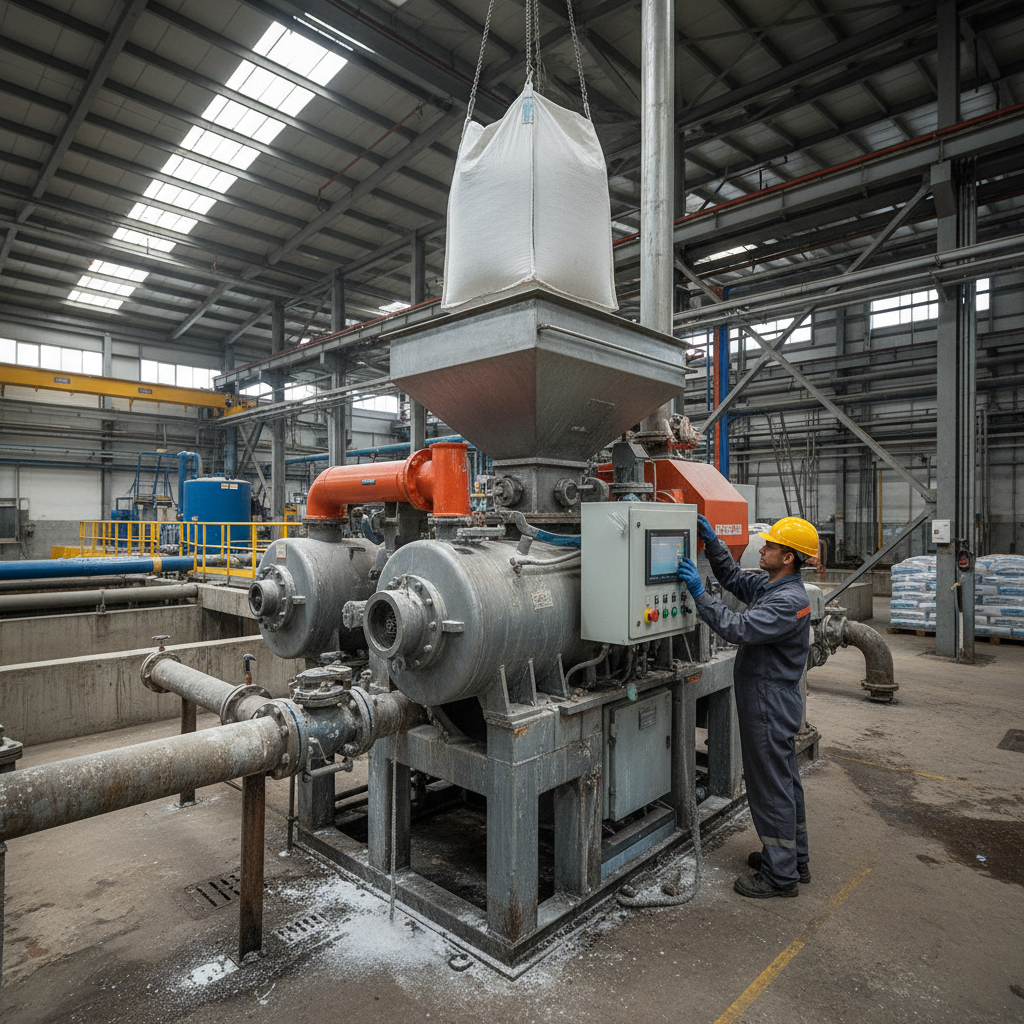
What is Poly Aluminum Chloride (PAC)?
PAC, specifically PAC Aluminum Chloride, is a highly effective inorganic polymer formed through the hydrolysis of aluminum chloride. It differs from conventional aluminum sulfate (alum) by possessing a higher charge density and a wider molecular weight distribution. This results in more efficient coagulation, even in challenging water conditions like low temperatures and high turbidity. The polymer structure allows PAC to neutralize negatively charged particles in water, promoting floc formation and aiding in their removal through sedimentation or filtration. This makes it a preferred choice for many water treatment facilities.
Key Highlights: PAC’s polymeric structure increases charge neutralization efficiency, improves floc formation, and broadens applicability in diverse water conditions compared to traditional coagulants.
Applications of PAC Aluminum Chloride
PAC Aluminum Chloride finds extensive use across a range of industries. Primary applications include municipal drinking water treatment, industrial wastewater treatment (textile, paper, chemical), and sewage treatment. Specifically, it’s crucial for removing suspended solids, turbidity, color, organic matter, and certain heavy metals from water sources. Furthermore, it's employed in processes like dewatering sludge and improving the efficiency of filtration systems. The versatility of PAC makes it a critical component in maintaining water quality standards and protecting environmental health.
PAC Application Areas:
• Municipal Water Treatment
• Industrial Wastewater Treatment
• Sewage Treatment Plants
• Paper Mill Effluent Treatment
• Dewatering of Sludge
PAC Aluminum Chloride vs. Alum: A Comparative Analysis
While both PAC Aluminum Chloride and alum (aluminum sulfate) are coagulants, PAC exhibits several advantages. PAC generally requires lower dosage, performs effectively over a wider pH range, produces less sludge, and provides superior turbidity removal. Alum's performance is highly pH-dependent, often requiring pH adjustment, adding to treatment costs. PAC’s higher charge density enables it to neutralize a larger number of suspended particles, resulting in clearer water. The reduced sludge volume simplifies disposal and lowers associated costs.
Product Specifications & Handling
Our PAC Aluminum Chloride is available in liquid and solid forms, with varying aluminum content. Proper handling requires wearing appropriate personal protective equipment (PPE) such as gloves, safety glasses, and a respirator. Avoid contact with skin and eyes. Store in a cool, dry, well-ventilated area. Refer to the Material Safety Data Sheet (MSDS) for detailed safety and handling instructions.
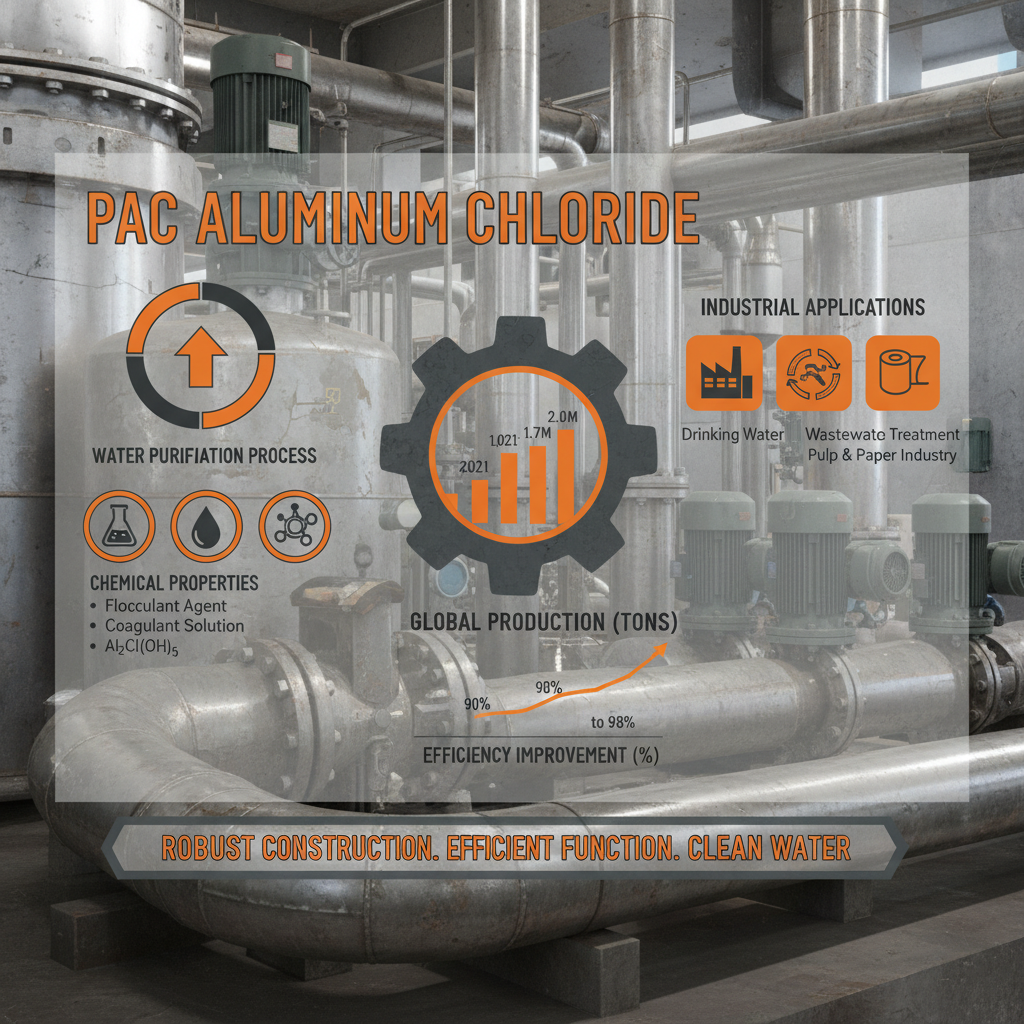
Conclusion: Optimizing Water Treatment with PAC
Investing in high-quality PAC Aluminum Chloride from a trusted supplier like LKPBTC ensures efficient and reliable water treatment. Its superior performance, reduced sludge production, and wider operational range make it an economically and environmentally sound choice. Contact us today to learn more about how PAC can optimize your water purification process.
Frequently Asked Questions (FAQs)
What is the optimal dosage of PAC for my water treatment system?
The optimal dosage of PAC depends heavily on the raw water quality, including turbidity, pH, and the concentration of suspended solids. Jar tests are essential to determine the most effective dosage for your specific water source. These tests involve varying PAC concentrations and observing the resulting floc formation and sedimentation. Start with a low dosage and gradually increase it until optimal clarity is achieved. Our team at LKPBTC can assist you with jar testing and dosage recommendations.
How does PAC affect the pH of treated water?
PAC Aluminum Chloride generally lowers the pH of treated water due to the hydrolysis of aluminum ions. However, its effect is less pronounced than that of alum. pH adjustment may be necessary after PAC treatment, depending on the desired final pH and local regulations. Careful monitoring of pH levels is crucial for optimal performance and to prevent corrosion in distribution systems.
Is PAC environmentally friendly?
When used responsibly and in accordance with regulations, PAC is considered relatively environmentally friendly compared to some other coagulants. The aluminum residuals in sludge are generally non-toxic, and the reduced sludge volume minimizes disposal costs and environmental impact. However, proper sludge management and disposal practices are essential to prevent any potential environmental concerns. LKPBTC is committed to sustainable practices and responsible chemical handling.
What are the storage requirements for PAC Aluminum Chloride?
PAC should be stored in a cool, dry, and well-ventilated area, away from direct sunlight and incompatible materials such as strong acids and bases. Containers should be tightly sealed to prevent contamination and evaporation. For liquid PAC, storage tanks should be made of corrosion-resistant materials. Always refer to the Material Safety Data Sheet (MSDS) for specific storage recommendations.
-
Comprehensive Analysis on Why Aluminum Chlorohydrate Safe for UseNewsApr.16,2026
-
Industrial Applications and Guide to Chloride of AluminiumNewsApr.09,2026
-
Exploring Aluminium Chloride Properties Applications and Sourcing InformationNewsApr.07,2026
-
Comprehensive Guide to Chloride Aluminium Properties Applications and SourcingNewsApr.04,2026
-
Understanding Aluminium Chloride Properties Applications and Sourcing DetailsNewsMar.31,2026
-
Understanding Aluminium Chloride Properties Applications and SourcingNewsMar.28,2026