
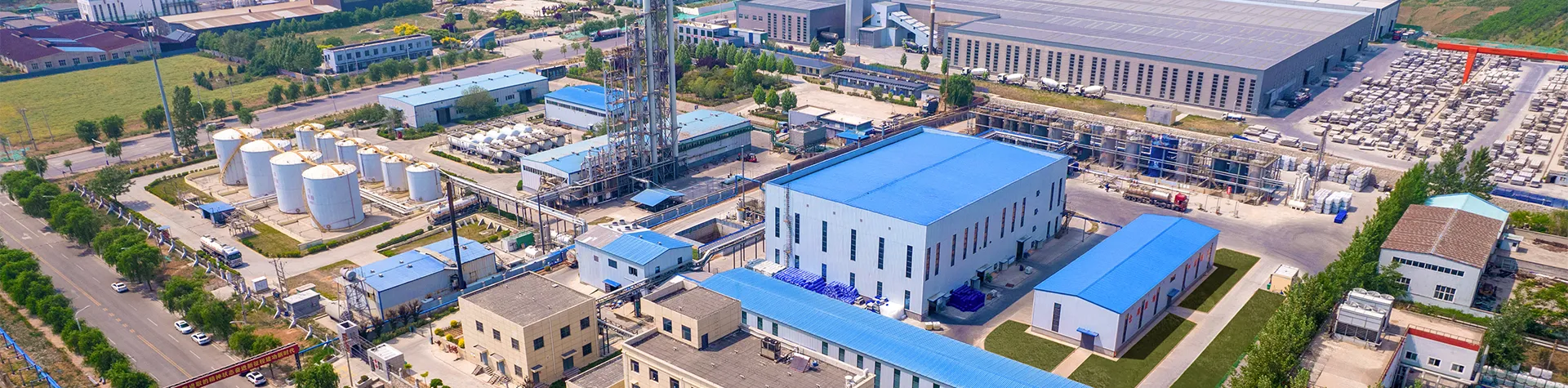
Comprehensive Guide to PAC Coagulant Water Treatment and Its Applications
Understanding PAC Coagulant Water Treatment
Water treatment is crucial for ensuring safe and clean water supplies. Among various treatment methods, coagulation plays a vital role in removing suspended particles. Polyaluminum Chloride (PAC) is a highly effective coagulant widely used in both industrial and municipal water treatment plants. This article will explore the science behind PAC, its advantages, applications, and how it compares to other coagulants. We’ll also direct you to LKPBTC for high-quality PAC solutions. Efficient water treatment is essential for public health and environmental sustainability.
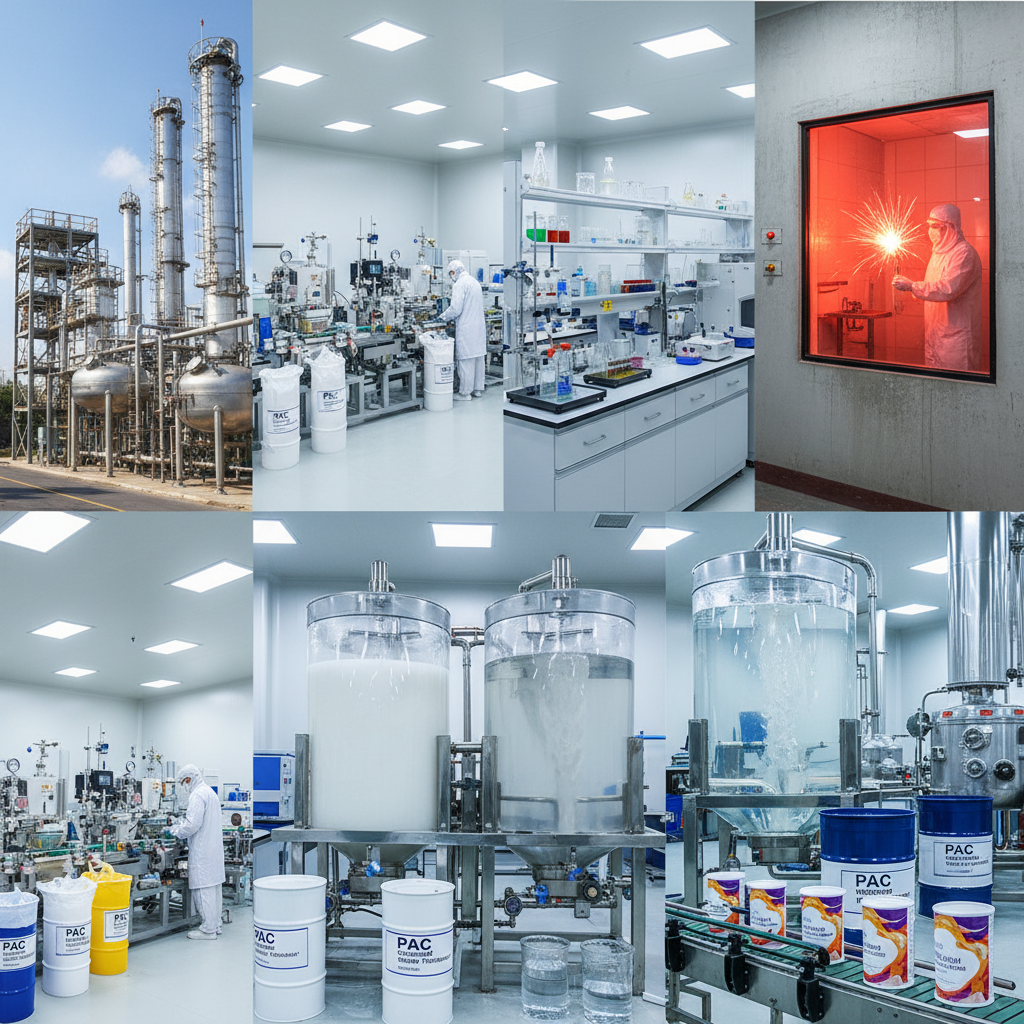
What is PAC and How Does it Work?
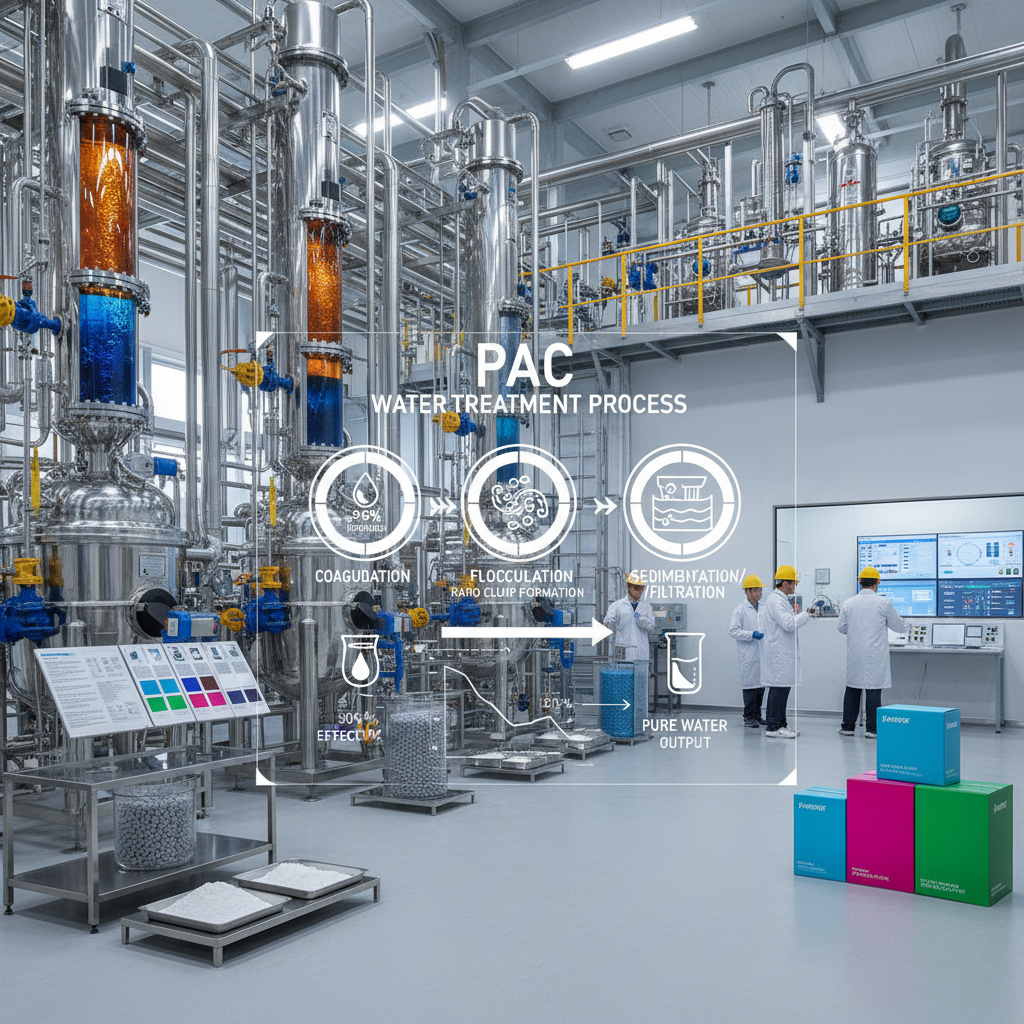
PAC, or Polyaluminum Chloride, is an inorganic polymer with the general formula [Al2(OH)nCl6-n]m, where 'n' and 'm' represent varying degrees of polymerization. It’s created by partially neutralizing aluminum hydroxide with hydrochloric acid. The resulting compound has a high positive charge, making it exceptionally effective at neutralizing the negative charges of suspended particles in water. This neutralization process destabilizes the particles, causing them to clump together—a process known as coagulation. These larger clumps, or flocs, can then be easily removed through sedimentation or filtration. LKPBTC’s PAC offerings are tailored to various water quality challenges.
Key Benefits of PAC: Highly effective at removing turbidity, color, and organic matter. Works over a wide pH range. Produces strong, fast-settling flocs.
Applications of PAC Coagulant in Water Treatment
PAC finds widespread use across diverse water treatment applications. Municipal water treatment plants utilize it to clarify raw water sources, removing turbidity and improving water quality for drinking. Industrial wastewater treatment employs PAC to remove pollutants, heavy metals, and suspended solids, ensuring compliance with environmental regulations. Specific applications include: drinking water purification, industrial effluent treatment, paper mill wastewater treatment, textile industry wastewater treatment, and oil-water separation. LKPBTC offers custom PAC formulations for these various industries.
Key Application Areas:
• Drinking Water Treatment
• Industrial Wastewater Treatment
• Paper Mill Effluent
• Textile Industry Discharge
PAC vs. Other Coagulants: A Comparative Analysis
While several coagulants are available, PAC offers significant advantages over traditional options like alum (aluminum sulfate) and ferric chloride. PAC generally performs effectively over a wider pH range, reducing the need for pH adjustment. It produces larger, denser flocs that settle more rapidly, improving treatment efficiency. Furthermore, PAC typically generates less sludge compared to alum, reducing disposal costs. The following table summarizes a comparison of these common coagulants:
Choosing the Right PAC Product: LKPBTC’s Solutions
Selecting the appropriate PAC product is crucial for optimal performance. Factors to consider include water source characteristics (turbidity, pH, organic matter content), treatment goals, and existing infrastructure. LKPBTC offers a comprehensive range of PAC products tailored to diverse needs. Our experienced team provides technical support and assists customers in selecting the most suitable solution for their specific applications. We pride ourselves on delivering consistent quality and reliable performance.
Safety Considerations & Best Practices
While PAC is generally safe when handled properly, certain precautions should be observed. Avoid contact with skin and eyes; wear appropriate personal protective equipment (PPE) such as gloves and safety glasses. In case of contact, flush thoroughly with water. Refer to the Safety Data Sheet (SDS) for detailed safety information. Proper storage in a cool, dry place away from incompatible materials is also essential. LKPBTC provides comprehensive SDS documentation with all our products.
Conclusion: Optimizing Water Treatment with PAC
PAC is a powerful and versatile coagulant that plays a critical role in ensuring clean and safe water supplies. Its superior performance, broad application range, and cost-effectiveness make it a preferred choice for water treatment professionals. Partnering with a reliable supplier like LKPBTC ensures access to high-quality PAC products and expert technical support. Investing in effective water treatment is an investment in public health and a sustainable future.
Frequently Asked Questions (FAQs)
What is the optimal dosage of PAC for my water treatment system?
Determining the optimal PAC dosage requires a jar test to assess the water's specific characteristics. Factors like turbidity, pH, and alkalinity influence the required dosage. Typically, dosages range from 5 to 50 mg/L, but this can vary significantly. LKPBTC’s technical team can assist you in conducting jar tests and determining the most effective dosage for your system, ensuring optimal performance and cost-efficiency. Incorrect dosages can lead to under-treatment or excessive chemical use.
How does pH affect PAC performance?
PAC is most effective within a pH range of 5.0 to 9.0. Outside this range, coagulation efficiency can decrease significantly. Lower pH levels enhance PAC's charge neutralization capability, while higher pH levels can lead to precipitation of aluminum hydroxide. Regular pH monitoring and adjustment may be necessary to maintain optimal PAC performance. LKPBTC offers PAC products formulated for specific pH conditions.
Is PAC safe for drinking water treatment?
Yes, PAC is approved for use in drinking water treatment by regulatory agencies worldwide when used within specified limits. The aluminum residual in treated water must comply with established standards. LKPBTC's PAC products are manufactured to meet these stringent requirements, ensuring safe and reliable water purification.
What are the benefits of using PAC over other aluminum-based coagulants?
PAC offers several advantages over traditional aluminum-based coagulants like alum. It has a wider pH operating range, generates less sludge, and typically forms larger, denser flocs that settle more quickly. This results in improved treatment efficiency, reduced chemical consumption, and lower disposal costs. It's particularly effective in treating water with low alkalinity.
-
Comprehensive Analysis on Why Aluminum Chlorohydrate Safe for UseNewsApr.16,2026
-
Industrial Applications and Guide to Chloride of AluminiumNewsApr.09,2026
-
Exploring Aluminium Chloride Properties Applications and Sourcing InformationNewsApr.07,2026
-
Comprehensive Guide to Chloride Aluminium Properties Applications and SourcingNewsApr.04,2026
-
Understanding Aluminium Chloride Properties Applications and Sourcing DetailsNewsMar.31,2026
-
Understanding Aluminium Chloride Properties Applications and SourcingNewsMar.28,2026