
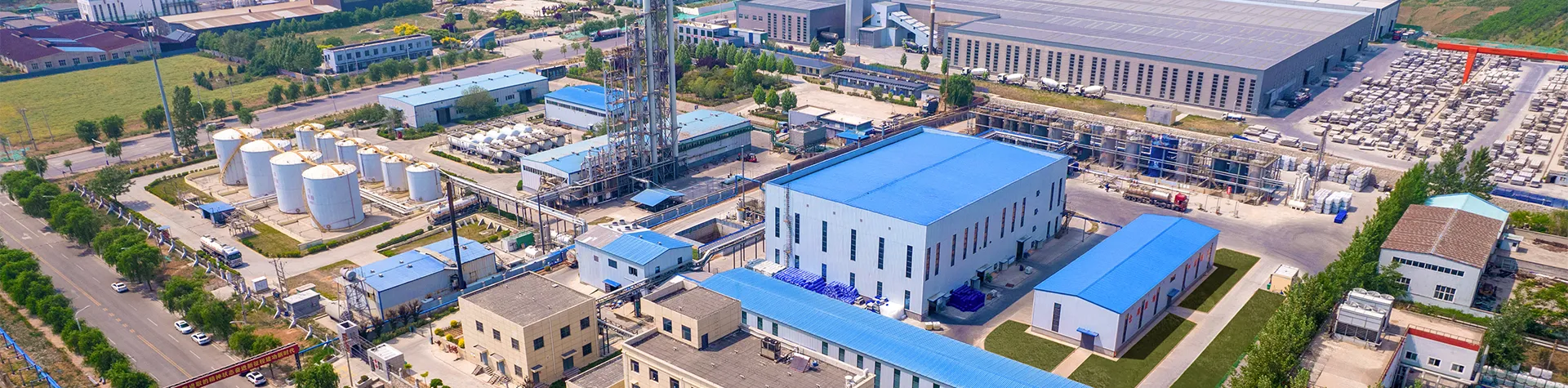
Comprehensive Guide to PACL Coagulant for Effective Water Treatment
Understanding PACL Coagulant: A Comprehensive Guide
Poly Aluminum Chloride (PACL) is a widely used coagulant in water and wastewater treatment. Its effectiveness in removing impurities and improving water quality makes it a crucial component in various industrial and municipal applications. This article provides an in-depth exploration of PACL coagulant, covering its properties, applications, benefits, and considerations for optimal usage. Choosing the right coagulant is essential for efficient water treatment, and LKPTBTC offers a range of high-quality PACL solutions tailored to diverse needs. We'll delve into why PACL is a trusted choice for many industries.
What is PACL Coagulant?
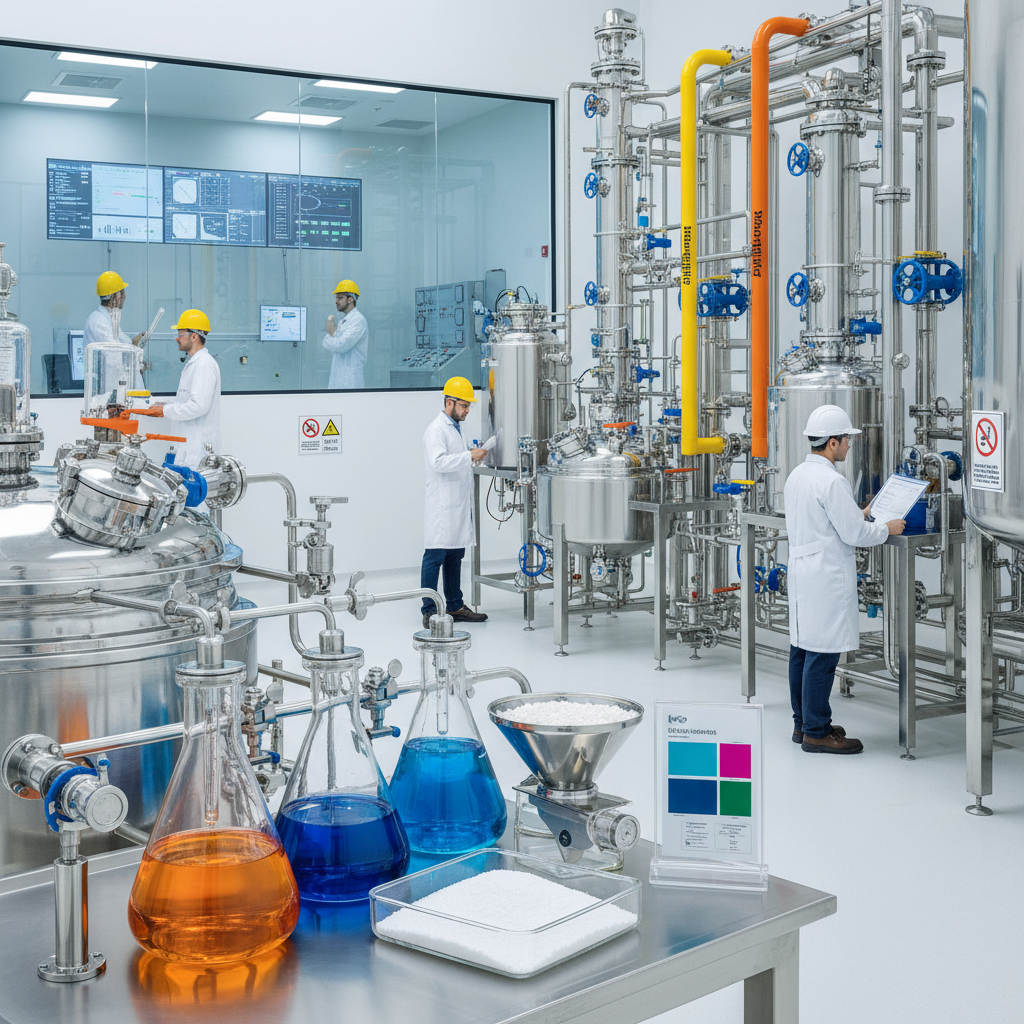
Poly Aluminum Chloride (PACL) is an inorganic polymer coagulant widely employed for water purification. Unlike traditional aluminum sulfate (alum), PACL exhibits a higher charge density and a wider pH application range, making it more effective in removing suspended solids and dissolved organic matter. It works by neutralizing the negative charges of particles in water, causing them to clump together (coagulate) and form larger, heavier flocs that can then be easily removed through sedimentation or filtration. LKPTBTC’s PACL coagulant is manufactured to stringent quality standards, ensuring optimal performance and reliability.
Key Highlights: PACL offers high coagulation efficiency, operates across a wide pH range, and reduces sludge volume compared to other coagulants.
Applications of PACL Coagulant
PACL finds diverse applications across various industries. Key uses include: Municipal Water Treatment - removing turbidity and improving drinking water quality; Wastewater Treatment - eliminating pollutants from industrial and domestic wastewater; Paper Manufacturing - improving paper quality and reducing water consumption; Textile Industry - treating dye-containing wastewater; Mining Industry - clarifying process water and managing tailings. LKPTBTC offers tailored PACL solutions to address the specific challenges of each application.
Application Benefits:
• Enhanced water clarity
• Reduced pollutant levels
• Improved process efficiency
• Cost-effective treatment
PACL Coagulant vs. Alum: A Detailed Comparison
While both PACL and aluminum sulfate (alum) are commonly used coagulants, PACL offers several advantages. Alum typically requires a narrower pH range for optimal performance and generates a larger volume of sludge. PACL, with its higher charge density and broader pH effectiveness, often results in reduced sludge production and improved coagulation efficiency. The following table highlights a detailed comparison:
Factors Affecting PACL Coagulation
Optimizing PACL coagulation requires careful consideration of several factors. These include water temperature, pH level, turbidity, and the dosage of PACL. Proper jar testing is crucial to determine the optimal PACL dosage for specific water conditions. The water’s composition (e.g., organic matter content) can also influence coagulation efficiency. LKPTBTC provides technical support to assist customers in optimizing PACL usage for their specific applications.
Product Specifications & Available Forms
LKPTBTC offers PACL coagulant in various forms, including liquid and powder, to suit different handling and application requirements. Here’s a snapshot of our standard product specifications:
Conclusion: The Superior Choice for Water Treatment
PACL coagulant stands as a highly effective solution for a wide range of water and wastewater treatment applications. Its superior performance, reduced sludge generation, and broad pH operating range make it a preferred choice for industries seeking efficient and cost-effective treatment solutions. LKPTBTC is dedicated to providing high-quality PACL products and expert support to ensure optimal results. Investing in high-quality coagulants like PACL is a crucial step towards sustainable water management.
Frequently Asked Questions (FAQs)
What is the optimal dosage of PACL for my water source?
Determining the optimal PACL dosage requires a jar test. This involves adding varying amounts of PACL to samples of your water source and observing the clarity of the resulting water. Factors influencing dosage include turbidity, pH, temperature, and the specific characteristics of the water. It's best to start with a lower dosage and gradually increase it until optimal floc formation and clarity are achieved. LKPTBTC’s technical team can provide guidance on conducting jar tests and interpreting results.
How should PACL be stored?
PACL should be stored in a cool, dry, and well-ventilated area. Avoid exposure to direct sunlight and extreme temperatures. Liquid PACL should be stored in corrosion-resistant containers. Powdered PACL should be stored in airtight containers to prevent moisture absorption. Always refer to the Safety Data Sheet (SDS) for detailed storage and handling instructions.
Is PACL safe for drinking water treatment?
Yes, PACL is approved for use in drinking water treatment when used within the recommended dosage limits set by regulatory agencies. It's crucial to ensure the PACL used meets relevant quality standards and is certified for potable water applications. Proper monitoring and control are essential to maintain water quality and ensure compliance with drinking water regulations.
-
Comprehensive Analysis on Why Aluminum Chlorohydrate Safe for UseNewsApr.16,2026
-
Industrial Applications and Guide to Chloride of AluminiumNewsApr.09,2026
-
Exploring Aluminium Chloride Properties Applications and Sourcing InformationNewsApr.07,2026
-
Comprehensive Guide to Chloride Aluminium Properties Applications and SourcingNewsApr.04,2026
-
Understanding Aluminium Chloride Properties Applications and Sourcing DetailsNewsMar.31,2026
-
Understanding Aluminium Chloride Properties Applications and SourcingNewsMar.28,2026