
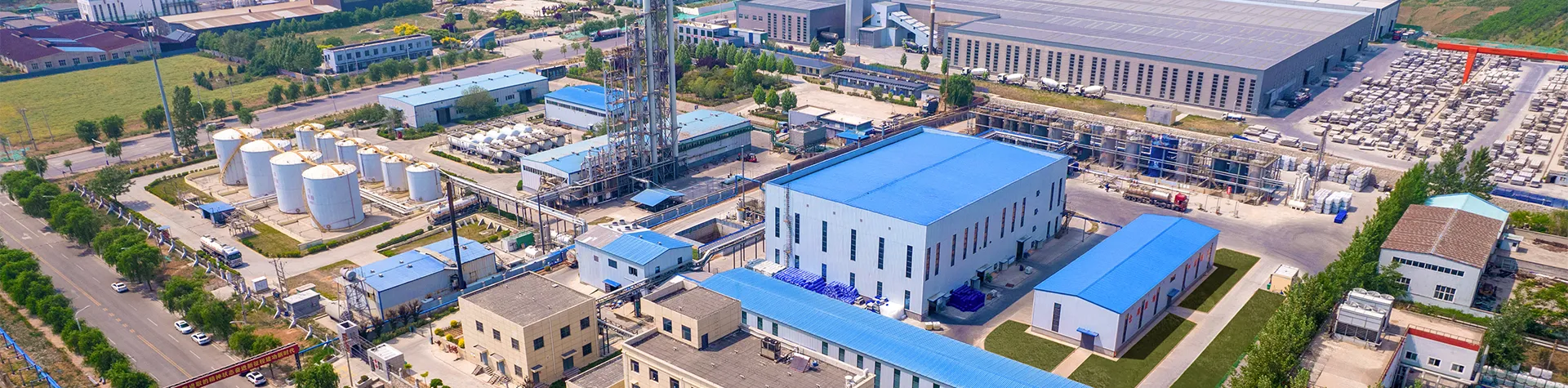
Comprehensive Guide to Polyaluminium Chloride in Water Treatment Applications
Polyaluminium Chloride in Water Treatment: A Comprehensive Guide
Polyaluminium Chloride (PAC) is a widely used coagulant in water and wastewater treatment. Its effectiveness in removing suspended solids, turbidity, and pollutants makes it a crucial component in ensuring safe and clean water supplies. This article delves into the properties, applications, benefits, and considerations when using Polyaluminium Chloride, providing a detailed overview for water treatment professionals and those interested in this essential chemical process. Understanding PAC’s mechanisms and optimal usage is key to maximizing water quality.
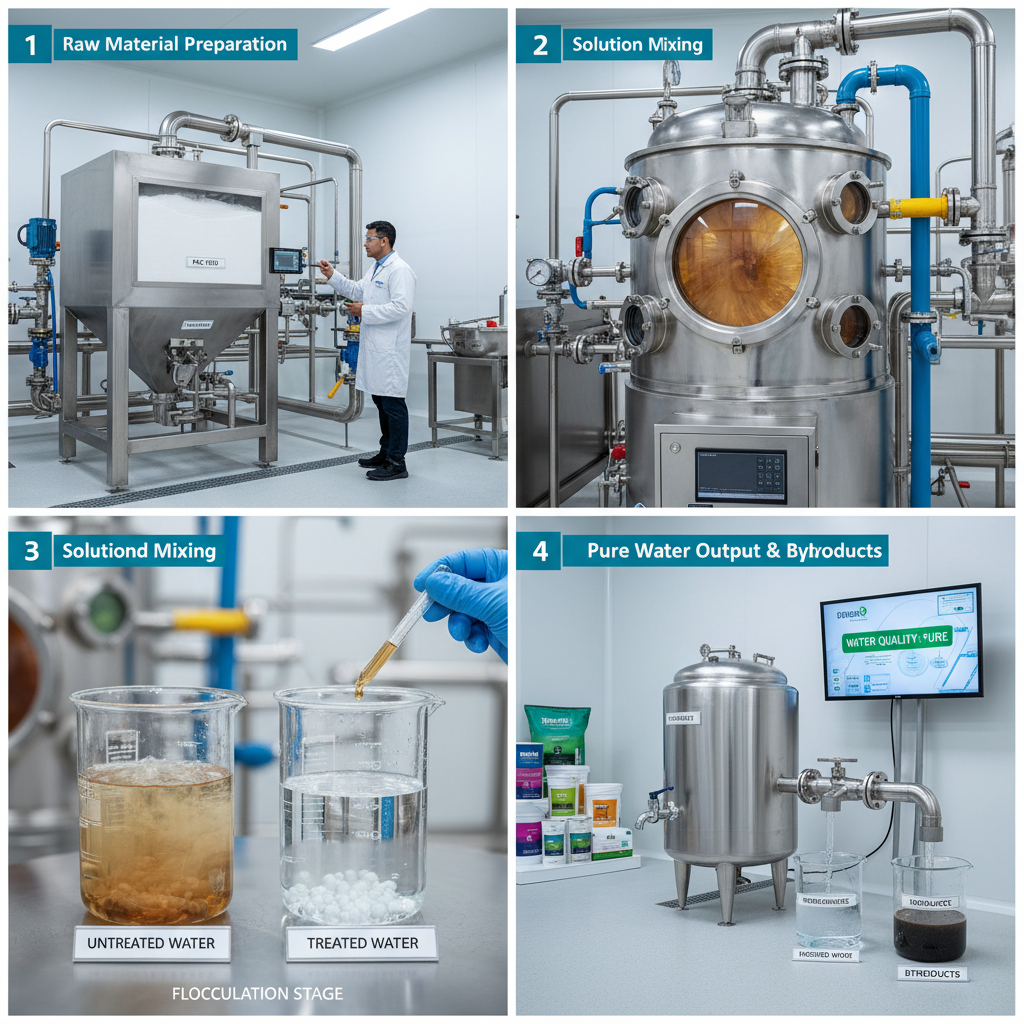
What is Polyaluminium Chloride (PAC)?
Polyaluminium Chloride is a family of water-soluble, multi-meric aluminum salts. It’s produced through the partial neutralization of aluminum hydroxide with hydrochloric acid. Unlike traditional aluminum sulfate (alum), PAC exhibits a wider pH operating range and generally requires a lower dosage for effective coagulation. Its high charge density facilitates the neutralization of negatively charged particles in water, leading to their aggregation and subsequent removal. The degree of polymerization and basicity significantly influence PAC's performance in different water treatment applications. LKP BTC offers a variety of PAC formulations to suit diverse water treatment needs.
Key Highlights: PAC exhibits a wider pH operating range and generally requires a lower dosage for effective coagulation compared to traditional alum.
Applications of Polyaluminium Chloride in Water Treatment
PAC finds broad application across various water treatment processes. Primarily, it's used for the coagulation and flocculation of suspended solids in drinking water plants. It's also effective in removing color, organic matter, and certain heavy metals. Wastewater treatment utilizes PAC for removing phosphorus, reducing turbidity, and improving overall effluent quality. Furthermore, PAC is employed in industrial water treatment, paper mills (for retention aid), and even in cosmetic applications. Its adaptability to different water compositions makes it a versatile solution.
PAC Application Areas:
• Drinking Water Treatment
• Wastewater Treatment
• Industrial Process Water
• Paper Manufacturing
Polyaluminium Chloride vs. Other Coagulants
When selecting a coagulant, it's important to consider the alternatives. Alum (aluminum sulfate) is a traditional choice, but PAC often demonstrates superior performance. Ferric chloride is another option, but it can impart a yellowish color to the treated water. Polyacrylamide (PAM) is commonly used as a flocculant alongside coagulants. PAC generally requires lower dosages than alum, leading to reduced sludge production and lower treatment costs. Its wider pH range also minimizes the need for pH adjustment, simplifying the treatment process.
Factors Affecting PAC Performance
Several factors influence the effectiveness of PAC. Water temperature plays a role, with lower temperatures generally requiring higher dosages. The initial turbidity and organic matter content of the water also impact PAC demand. Proper mixing is crucial for effective coagulation – rapid mixing promotes particle collisions, while slow mixing encourages floc formation. The basicity of the PAC and the water's alkalinity also require careful consideration to optimize performance. LKP BTC's technical support team can assist in optimizing PAC dosage and treatment parameters for specific water conditions.
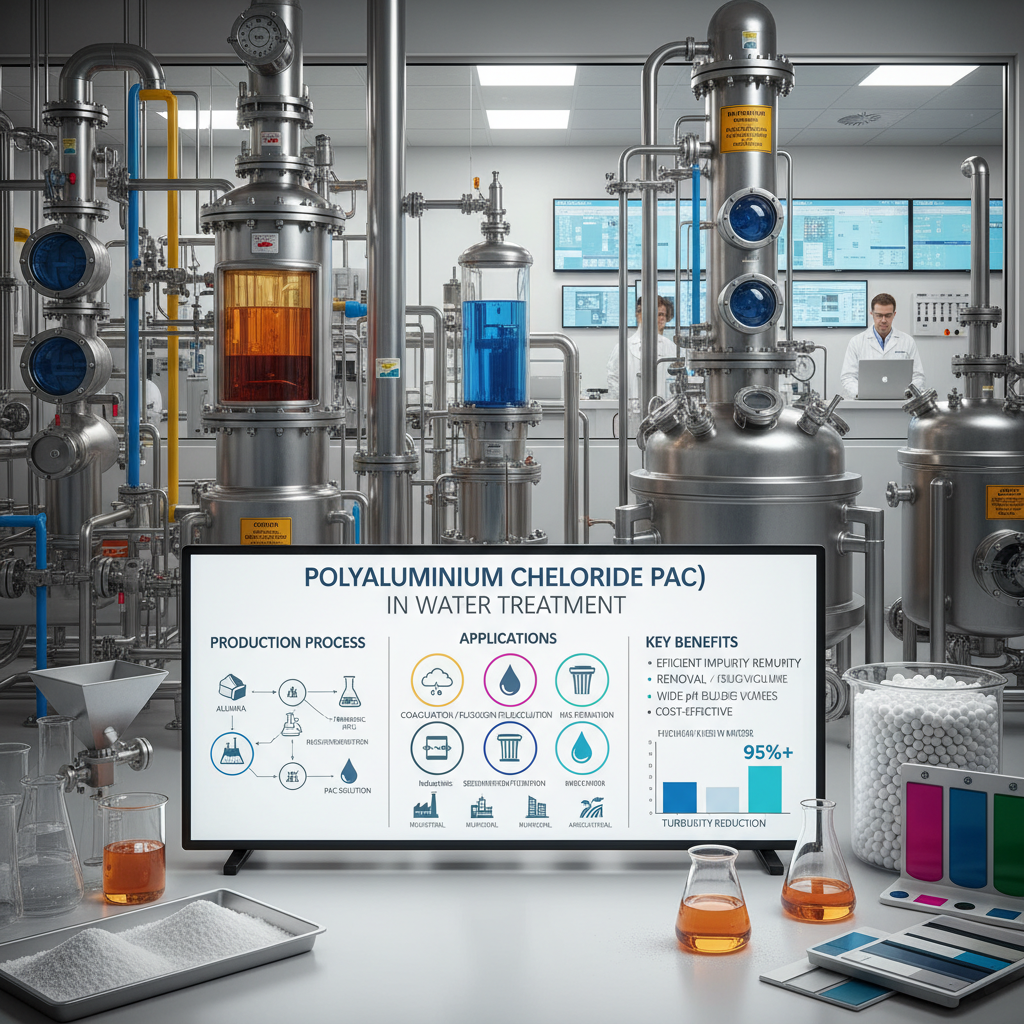
Product Specifications and Handling
LKP BTC offers Polyaluminium Chloride in liquid and solid forms, with varying aluminum content (typically 10-30%) and basicity levels. Proper storage in cool, dry conditions is essential to maintain product stability. PAC is corrosive and should be handled with appropriate personal protective equipment (PPE), including gloves, eye protection, and respiratory protection. Refer to the Safety Data Sheet (SDS) for detailed handling and safety information.
Conclusion: Optimizing Water Treatment with PAC
Polyaluminium Chloride is a highly effective coagulant, offering significant advantages over traditional methods. Its versatility, lower dosage requirements, and wide pH operating range make it an ideal choice for diverse water treatment applications. Choosing a reliable supplier like LKP BTC ensures consistent product quality and expert technical support. By embracing PAC technology, water treatment facilities can enhance water quality, reduce costs, and contribute to a more sustainable future.
Frequently Asked Questions (FAQs)
What is the optimal dosage of PAC for my water source?
Determining the optimal PAC dosage requires a jar test, which simulates the coagulation-flocculation process on a small scale. This test involves adding varying doses of PAC to water samples and observing the resulting floc formation. The dosage that produces the clearest water with the largest, most easily settled flocs is considered optimal. Several factors influence the dosage, including water temperature, turbidity, alkalinity, and the presence of organic matter. It’s highly recommended to consult with a water treatment specialist or LKP BTC's technical team to develop a tailored dosage plan for your specific water source. Overdosing can lead to residual aluminum in the treated water, while underdosing may result in inadequate clarification.
How does pH affect the performance of PAC?
PAC is most effective within a specific pH range, typically between 5 and 9. Outside this range, the coagulation process may be hindered. At lower pH levels, the positive charge of PAC may be reduced, limiting its ability to neutralize negatively charged particles. At higher pH levels, aluminum hydroxide precipitation can occur, reducing the available PAC for coagulation. It’s often necessary to adjust the pH of the water before adding PAC to ensure optimal performance. Monitoring and controlling pH is a critical aspect of successful PAC treatment.
What are the potential environmental concerns associated with using PAC?
While PAC is generally considered safe when used correctly, there are potential environmental concerns. Residual aluminum in the treated water can be toxic to aquatic life. Proper dosage control and optimization are crucial to minimize this risk. The sludge generated during the coagulation process also requires responsible disposal. This sludge may contain aluminum and other contaminants and should be managed in accordance with local regulations. LKP BTC is committed to providing environmentally responsible PAC products and supporting sustainable water treatment practices.
Can PAC be used in combination with other treatment processes?
Yes, PAC is frequently used in combination with other water treatment processes to enhance overall performance. It's commonly paired with flocculants like polyacrylamide (PAM) to promote the formation of larger, more settleable flocs. PAC can also be used in conjunction with filtration processes, such as sand filtration or membrane filtration, to remove residual solids. Additionally, it's often integrated into disinfection systems to improve the effectiveness of chlorine or UV disinfection. A well-designed treatment train can leverage the synergistic benefits of different processes to achieve optimal water quality.
-
Comprehensive Analysis on Why Aluminum Chlorohydrate Safe for UseNewsApr.16,2026
-
Industrial Applications and Guide to Chloride of AluminiumNewsApr.09,2026
-
Exploring Aluminium Chloride Properties Applications and Sourcing InformationNewsApr.07,2026
-
Comprehensive Guide to Chloride Aluminium Properties Applications and SourcingNewsApr.04,2026
-
Understanding Aluminium Chloride Properties Applications and Sourcing DetailsNewsMar.31,2026
-
Understanding Aluminium Chloride Properties Applications and SourcingNewsMar.28,2026