
Dodecyldimethylbenzylammonium Chloride | High-Purity DDBAC
A Practitioner’s View: Where Dodecyldimethylbenzylammonium Chloride Fits in 2025
If you’ve worked with quats for any length of time, you know the story: regulations move, bugs adapt, and purchasing wants consistency. Benzalkonium Chloride (BAC)—the dodecyl-dominant grade we’re talking about here—keeps showing up because it’s effective, blend-friendly, and, frankly, cost-efficient. To be honest, the market has become picky about document trails and real test data, which is good. Below is what I’m seeing on the ground and what matters if you specify or buy it at scale.
Industry snapshot
Hospitals, food plants, and water systems are still leaning on quats, even as oxidizing chemistries gain PR points. The trend I notice: more audits (EN/ASTM data requests), tighter impurity specs, and request-for-quote lines asking for customization—chain-length distribution, non-ionic co-formulants, and low-odor profiles. Surprisingly, customer feedback often points to “residue feel” and foam behavior as deal-makers.
Product specifications
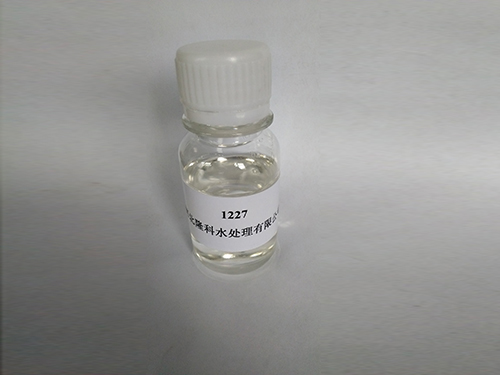
| Name | Benzalkonium Chloride (Dodecyl Dimethyl Benzyl Ammonium Chloride) |
| CAS No. | 8001-54-5 or 63449-41-2; 139-07-1 |
| Active content | ≈ 50% or 80% solutions (real-world use may vary by batch) |
| Appearance | Clear to pale yellow liquid; low-to-moderate odor |
| pH (10% aq.) | 6.0–8.0 ≈ |
| Solubility | Miscible in water and alcohols; forms stable foams |
| Shelf life | 24 months in sealed drums; avoid freezing/overheating |
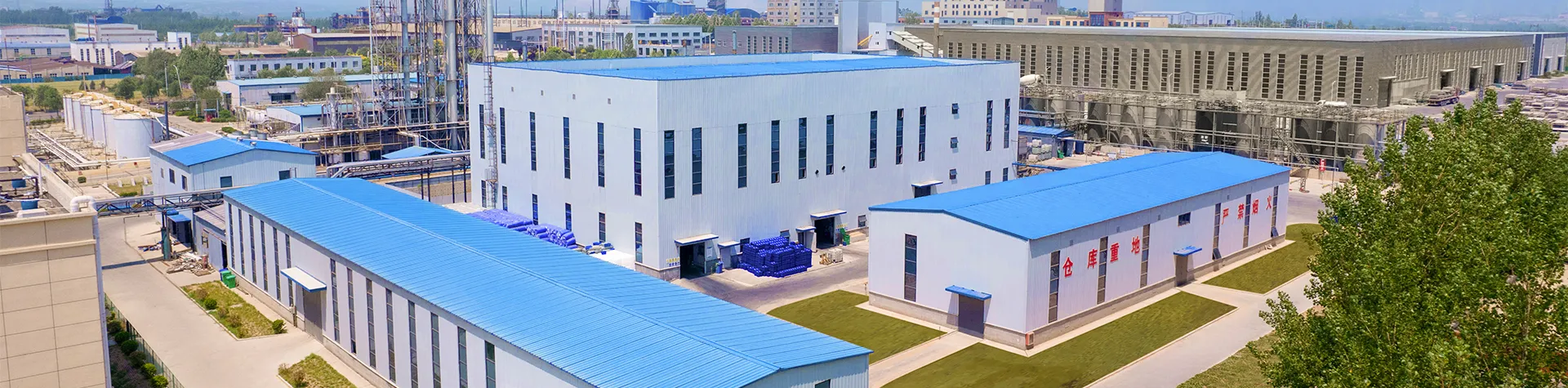
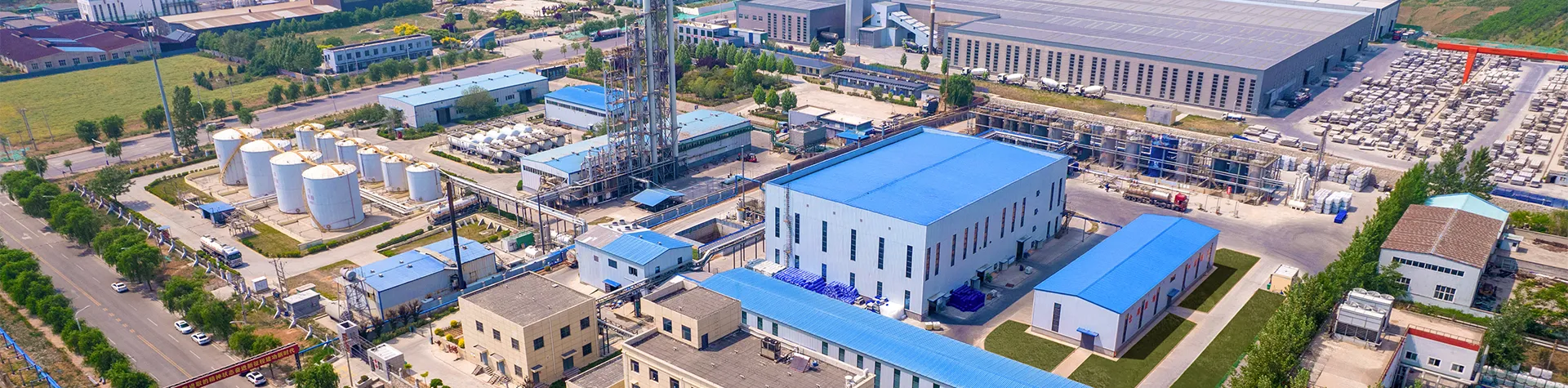
| Origin | No. 3, North of Haohua East Road, North Park, Neiqiu County Industrial Zone, Xingtai City, Hebei Province |
Where it’s used (and why)
Healthcare disinfection, food-contact surface sanitizers (with proper rinse/off-label rules), water treatment biocide, oilfield souring control, textile and leather preservation, HVAC algae control, and consumer cleaners. Many customers say the blendability and mild odor make it their go-to quat. I guess the foam profile helps in foaming CIP lines too.
Process flow (simplified)
- Materials: Benzyl chloride, dimethyl amine derivatives, C12 alkyl sources; quaternization to produce Dodecyldimethylbenzylammonium Chloride fraction.
- Methods: Controlled quaternization, solvent/water balance, neutralization, and polishing filtration.
- QC & testing: Assay (titrimetric), amine/solvent residues (GC), pH, color (Hazen), and micro-efficacy panels.
- Standards referenced: EN 1276/13697, ASTM E2315, AOAC Use-Dilution; SDS/CoA issuance.
- Service life: 2 years sealed; retest recommended after prolonged storage.
- Packaging: 25 kg pails, 200 kg HDPE drums, 1000 L IBCs.
Performance and test notes
Field blends of Dodecyldimethylbenzylammonium Chloride at 0.05–0.2% active commonly achieve ≥4–5 log reductions against S. aureus and E. coli within 5–10 minutes per EN 1276, with surface tests per EN 13697. A quick ASTM E2315 time-kill often corroborates, although soils and water hardness can shift outcomes—always revalidate on your matrix.
Advantages at a glance
- Broad-spectrum disinfectant efficacy (bacteria, some enveloped viruses).
- Surface compatibility vs. oxidizers; less corrosion and odor.
- Customizable formulations—surfactant systems, fragrance, dye-free options.
Vendor comparison (practical)
| Supplier | Active (≈) | Docs | Lead time | Customization |
|---|---|---|---|---|
| LKP (Hebei) | 50% / 80% | CoA, SDS, EN/ASTM summaries | 7–15 days | Chain mix, surfactant system, low-odor |
| Regional distributor | 50% | Basic CoA/SDS | Stock-dependent | Limited |
| Lab-grade supplier | 50% (analytical) | Tight specs; higher price | 3–4 weeks | Minimal |
Customization cues
For regulated wipes, teams often ask for Dodecyldimethylbenzylammonium Chloride with tight odor targets and specific wetting agents. In cleanrooms, antistatic additives and residue control matter more. Talk specs early—it saves headaches.
Mini case notes
A beverage plant swapped hypochlorite foam for a BKC-based sanitizer and saw fewer corrosion complaints on filling lines; downtime dropped ≈8%. Another client (marine) used a 80% BAC base to formulate a recirculating cooling-water biocide—biofilm counts fell within two cycles. Feedback: “predictable, easier to train techs.”
Compliance reminder: always align end-use labels with local regulations (EPA/biocides program, etc.). Efficacy claims depend on formulation and testing on your soil loads.
References
- EN 1276: Chemical disinfectants and antiseptics — Quantitative suspension test for bactericidal activity.
- EN 13697: Quantitative surface test for bactericidal and/or fungicidal activity (non-porous surfaces).
- ASTM E2315: Standard Guide for Assessment of Antimicrobial Activity Using a Time-Kill Procedure.
- EPA Guidance/List N context for quaternary ammonium compounds (BAC) and disinfectant efficacy frameworks.
-
Comprehensive Analysis on Why Aluminum Chlorohydrate Safe for UseNewsApr.16,2026
-
Industrial Applications and Guide to Chloride of AluminiumNewsApr.09,2026
-
Exploring Aluminium Chloride Properties Applications and Sourcing InformationNewsApr.07,2026
-
Comprehensive Guide to Chloride Aluminium Properties Applications and SourcingNewsApr.04,2026
-
Understanding Aluminium Chloride Properties Applications and Sourcing DetailsNewsMar.31,2026
-
Understanding Aluminium Chloride Properties Applications and SourcingNewsMar.28,2026