


Industrial Flocculant: A Dual Effect Tool for Efficient Water Purification and Cost Optimization
In the field of industrial wastewater treatment and water resource purification, Industrial Flocculant has become a key element in achieving efficient water purification and cost control due to its unique purification principle and significant performance advantages. Industrial Flocculant is a type of chemical agent that can cause suspended particles in water to aggregate and form flocs, thereby accelerating particle sedimentation and achieving solid-liquid separation. It changes the physical and chemical properties of pollutants in water through mechanisms such as electrical neutralization and bridging adsorption, making the purification process more efficient.
The biggest highlight of Industrial Flocculant is its outstanding performance and low cost
Compared to traditional water purification agents, it only requires a small amount of addition to quickly cause pollutant aggregation, significantly reducing sedimentation time and improving water purification efficiency. Taking polyacrylamide based coagulants and flocculants as an example, their unique polymer long-chain structure can fully stretch in water, capturing pollutants like a "molecular fishing net" and forming dense flocs. At the same time, Industrial Flocculant's production process is constantly innovating, with a wide range of raw material sources and controllable costs. In addition, there is no need for complex equipment assistance during use, further reducing the overall water purification cost. In addition, some of the new Industrial Flocculants also have good environmental adaptability and can stably function under different water quality and pH conditions, reducing the additional treatment costs caused by water quality differences.
Industrial Flocculant has a wide range of application scenarios
In the paper industry, it can effectively remove suspended solids such as fibers and fillers from wastewater, recycle water resources, and reduce the cost of subsequent sludge treatment; In the metallurgical industry, it is possible to quickly separate metal particles from water in the slurry, improve mineral processing efficiency, and save water resources. In the field of municipal sewage treatment, coagulant flocculant is indispensable. Whether it is organic impurities in domestic sewage or solid particles in mixed rainwater and sewage, it can efficiently treat and ensure that the effluent quality meets the standards. Due to its cost advantage, it effectively relieves the operating pressure of urban sewage treatment systems.
To further improve water purification efficiency and reduce costs, Industrial Flocculant's technological innovation has never stopped
Researchers have developed composite coagulant and flocculant chemicals to organically combine different functional pharmaceutical components and enhance flocculation performance; Developing biodegradable Industrial Flocculant using biotechnology to ensure purification efficiency while reducing the risk of secondary pollution to the environment. In addition, the application of intelligent dosing systems can accurately control the dosage of Industrial Flocculant based on real-time changes in water quality, avoiding chemical waste and optimizing costs from the source.
Coagulants and flocculants in water treatment, as the core elements of industrial water purification, provide reliable guarantees for industrial production and urban sewage treatment with their efficient purification capacity and low cost advantages. From traditional applications to technological innovations, it is always exploring better solutions. With the continuous development of technology, Industrial Flocculant will continue to break through and contribute more to water resource purification and sustainable development with a more environmentally friendly, efficient, and economical attitude.
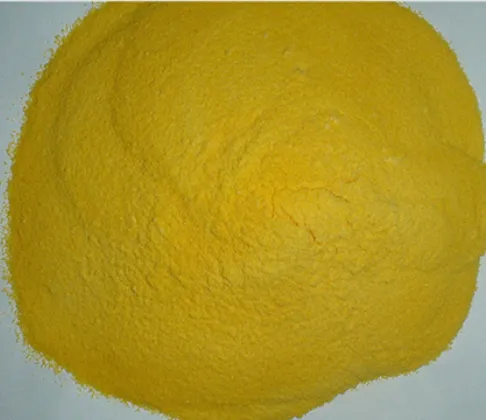
Industrial Flocculant FAQs
What is the main function of Industrial Flocculant?
Industrial Flocculant utilizes charge neutralization and bridging to aggregate small suspended particles in water into large flocs, facilitating precipitation or filtration separation, thereby efficiently removing turbidity, heavy metals, and some organic matter, significantly reducing subsequent treatment costs.
Why can Industrial Flocculant reduce water purification costs?
Compared to membrane filtration or advanced oxidation technologies, Industrial Flocculant can quickly treat large amounts of wastewater with only a small amount of addition. The equipment is simple, the energy consumption is low, and the sludge dewatering is better, reducing the cost of sludge disposal. The comprehensive cost advantage is obvious.
What are the common types of low-cost Industrial Flocculants?
Inorganic: polyaluminum chloride (PAC), aluminum sulfate (lowest cost but average efficiency);
Organic polymer: Polyacrylamide (PAM, dosage needs to be controlled to balance effectiveness and cost);
Natural modified class: starch or chitosan derivatives (environmentally friendly but less stable).
How to optimize the use of Industrial Flocculant to further save costs?
Accurate dosing: Determine the optimal dosing amount through experiments to avoid excessive waste;
Compound use: The combination of inorganic and organic Industrial Flocculant can reduce the amount of high priced PAM used;
PH adjustment: Adjust the pH of the wastewater to the optimal range of Industrial Flocculant (such as PAC at 68 for optimal performance).
What are the application limitations of low-cost Industrial Flocculant?
The removal effect of soluble organic compounds (such as dyes) is limited and requires coordination with other processes;
Some industrial flocculants (such as aluminum salts) may cause residual metal ions to exceed the standard and require subsequent testing;
Low temperature or high salt wastewater may reduce flocculation efficiency, and it is necessary to choose low temperature or salt resistant types.
-
Comprehensive Analysis on Why Aluminum Chlorohydrate Safe for UseNewsApr.16,2026
-
Industrial Applications and Guide to Chloride of AluminiumNewsApr.09,2026
-
Exploring Aluminium Chloride Properties Applications and Sourcing InformationNewsApr.07,2026
-
Comprehensive Guide to Chloride Aluminium Properties Applications and SourcingNewsApr.04,2026
-
Understanding Aluminium Chloride Properties Applications and Sourcing DetailsNewsMar.31,2026
-
Understanding Aluminium Chloride Properties Applications and SourcingNewsMar.28,2026