
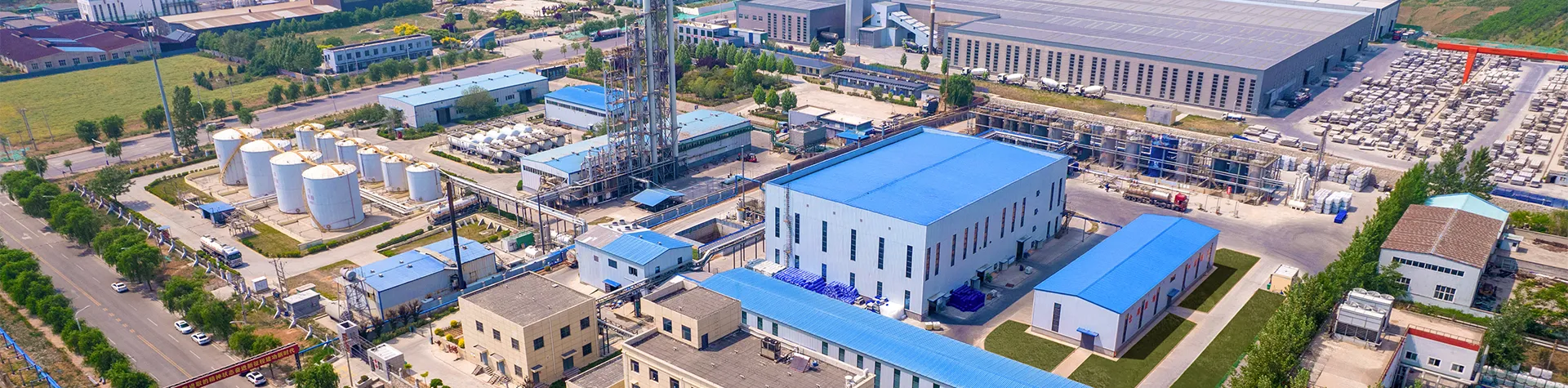
Isothiazolinones: High-Purity Biocide, Fast Delivery & OEM
isothiazolinones, chloro isothiazolinone, isothiazolinone price, isothiazolinone uses, cas 2682 20 4, cas 26172 55 4 is a key solution in the manufacturing industry, specifically within Chemical raw material and chemical product manufacturing industry and Manufacturing of specialized chemical products. This article explores how Hebei Longke Water Treatment Co., Ltd. supports professionals with durable, high-performance products, and explains why this product is an ideal choice for businesses in these sectors.
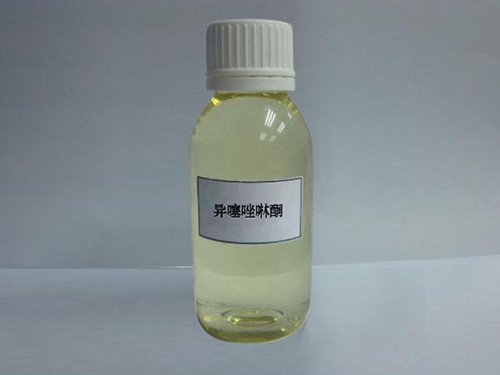
Table of Contents
- isothiazolinones, chloro isothiazolinone, isothiazolinone price, isothiazolinone uses, cas 2682 20 4, cas 26172 55 4 Overview
- Benefits & Use Cases of isothiazolinones, chloro isothiazolinone, isothiazolinone price, isothiazolinone uses, cas 2682 20 4, cas 26172 55 4 in Manufacturing of specialized chemical products
- Cost, Maintenance & User Experience
- Sustainability & Market Trends in manufacturing
- Conclusion on isothiazolinones, chloro isothiazolinone, isothiazolinone price, isothiazolinone uses, cas 2682 20 4, cas 26172 55 4 from Hebei Longke Water Treatment Co., Ltd.
isothiazolinones, chloro isothiazolinone, isothiazolinone price, isothiazolinone uses, cas 2682 20 4, cas 26172 55 4 Overview
Isothiazolinones are a family of highly effective industrial biocides used to control bacteria, fungi, and algae across wet-process manufacturing. The most widely adopted blend—CMIT/MIT—combines 5‑chloro‑2‑methyl‑4‑isothiazolin‑3‑one (chloro isothiazolinone; CAS 26172‑55‑4) and 2‑methyl‑4‑isothiazolin‑3‑one (CAS 2682‑20‑4). This synergy delivers broad-spectrum preservation at very low use levels, making it a staple in waterborne systems, polymer dispersions, and process water loops. Typical commercial grades include aqueous solutions in standard ratios (e.g., 3:1 CMIT:MIT) and active contents tailored for industrial dosing. Effective pH windows commonly range from ~4–9, with demonstrated stability in most waterborne formulations when dosed correctly.
Hebei Longke Water Treatment Co., Ltd. manufactures CMIT/MIT with tight quality control, offering consistent assay, low impurity profiles, and lot-to-lot reproducibility—key for B2B decision makers seeking predictable preservation performance. Whether you’re formulating specialty chemicals or maintaining clean manufacturing circuits, Longke’s technical team supports product selection, dosing guidance, and compatibility checks. For detailed specifications and documentation, visit the product page: isothiazolinones CMIT/MIT.
Benefits & Use Cases of isothiazolinones, chloro isothiazolinone, isothiazolinone price, isothiazolinone uses, cas 2682 20 4, cas 26172 55 4 in Manufacturing of specialized chemical products
In Manufacturing of specialized chemical products, isothiazolinones deliver reliable in‑can and wet-state preservation for waterborne coatings, polymer emulsions, adhesives, sealants, inks, detergents, leather auxiliaries, gypsum slurries, and paper chemicals. In utilities and ancillary processes, they help control microbial growth in cooling towers, RO pretreatment, metalworking fluids, and recirculating wash systems—protecting process integrity and equipment.
Key advantages for B2B users include low use-dose efficacy, broad-spectrum activity, rapid microbial knockdown, and compatibility with a wide range of chemistries. Chloro isothiazolinone (CMIT; CAS 26172‑55‑4) combined with MIT (CAS 2682‑20‑4) provides synergistic performance across bacteria and fungi, reducing spoilage and viscosity drift while maintaining color and odor profiles. Hebei Longke Water Treatment Co., Ltd. supports tailored application guidance—whether continuous low-level dosing in process water or batch preservation in high‑value formulations—to balance efficacy and formulation stability. Packaging flexibility (drums and IBCs), fast lead times, and technical service give buyers an operational edge from pilot to plant scale.
Cost, Maintenance & User Experience
When evaluating isothiazolinone price, B2B decision makers consider several drivers: active content, CMIT:MIT ratio, order volume, packaging type, and compliance documentation requirements. Total cost of ownership is best measured by avoided losses—fewer contaminated batches, reduced downtime, lower customer complaints, and longer shelf stability. At typical industrial preservation rates (for example, tens to a few hundred ppm depending on system demands), the cost per ton of finished product is often a fraction of the value protected.
Customers in the Chemical raw material and chemical product manufacturing industry report improved batch consistency, cleaner transfer lines, and less filter fouling after adopting optimized CMIT/MIT dosing. Maintenance best practices include storing product in HDPE or stainless steel at 5–35°C, preventing alkaline contamination, and using closed-transfer systems to maximize operator safety and product integrity. Hebei Longke Water Treatment Co., Ltd. provides COA, SDS, and technical datasheets to streamline audits and scale-up, plus guidance to fine‑tune dosage based on bioburden, pH, and residence time—helping you achieve strong ROI with predictable preservation performance.
Sustainability & Market Trends in manufacturing
Waterborne and low‑VOC formulations continue to gain share, increasing the importance of robust wet‑state preservation. Regulations worldwide are evolving to address worker safety, product labeling, and use conditions—making traceability, responsible dosing, and documentation essential. Within this context, isothiazolinones remain a mainstay for industrial preservation due to high potency at low concentrations, which can reduce overall chemical footprint when managed correctly. Clear visibility into isothiazolinone uses, safe handling, and exposure controls is now a key buying criterion for B2B stakeholders.
Hebei Longke Water Treatment Co., Ltd. is investing in forward‑looking practices: optimized active concentrations to reduce over‑dosing, closed‑loop IBC solutions to minimize waste, and data‑driven dosing support to maintain efficacy with fewer interventions. The company actively supports customers with up‑to‑date SDS, COA, and application guidance aligned with current market expectations. As the market grows more demanding, Longke’s focus on quality, consistency, and responsible supply positions its isothiazolinones—including chloro isothiazolinone (CAS 26172‑55‑4) and MIT (CAS 2682‑20‑4)—as dependable choices for sustainable manufacturing operations.
Conclusion on isothiazolinones, chloro isothiazolinone, isothiazolinone price, isothiazolinone uses, cas 2682 20 4, cas 26172 55 4 from Hebei Longke Water Treatment Co., Ltd.
From coatings and adhesives to process water systems, isothiazolinones provide cost‑effective, low‑dose, broad‑spectrum preservation that protects productivity and product quality. Addressing both performance and compliance needs, Hebei Longke Water Treatment Co., Ltd. supplies consistent CMIT/MIT solutions—chloro isothiazolinone (CAS 26172‑55‑4) and MIT (CAS 2682‑20‑4)—backed by responsive technical service. For current isothiazolinone price, application support, and documentation, our team is ready to help.
Contact us: email: sale@longkehg.com
Visit our website: https://www.lkpbtc.com | Product page: Isothiazolinones CMIT/MIT
-
Comprehensive Analysis on Why Aluminum Chlorohydrate Safe for UseNewsApr.16,2026
-
Industrial Applications and Guide to Chloride of AluminiumNewsApr.09,2026
-
Exploring Aluminium Chloride Properties Applications and Sourcing InformationNewsApr.07,2026
-
Comprehensive Guide to Chloride Aluminium Properties Applications and SourcingNewsApr.04,2026
-
Understanding Aluminium Chloride Properties Applications and Sourcing DetailsNewsMar.31,2026
-
Understanding Aluminium Chloride Properties Applications and SourcingNewsMar.28,2026