
lk-2000 Scale Inhibitor: Prevent Limescale & Corrosion?
Field Notes on a Quiet Workhorse: lk-2000 Carboxylate-Sulfonate Copolymer
In water treatment, specs are loud but results whisper. The acrylic acid–sulfonate blend behind lk-2000 has been showing up—quietly—in cooling towers, RO pre-treatment skids, and paper mills where calcium phosphate and carbonate tend to wreak havoc. To be honest, I first heard about it from an operations manager who’d grown tired of acid cleanings every other month.
What it is and why it matters
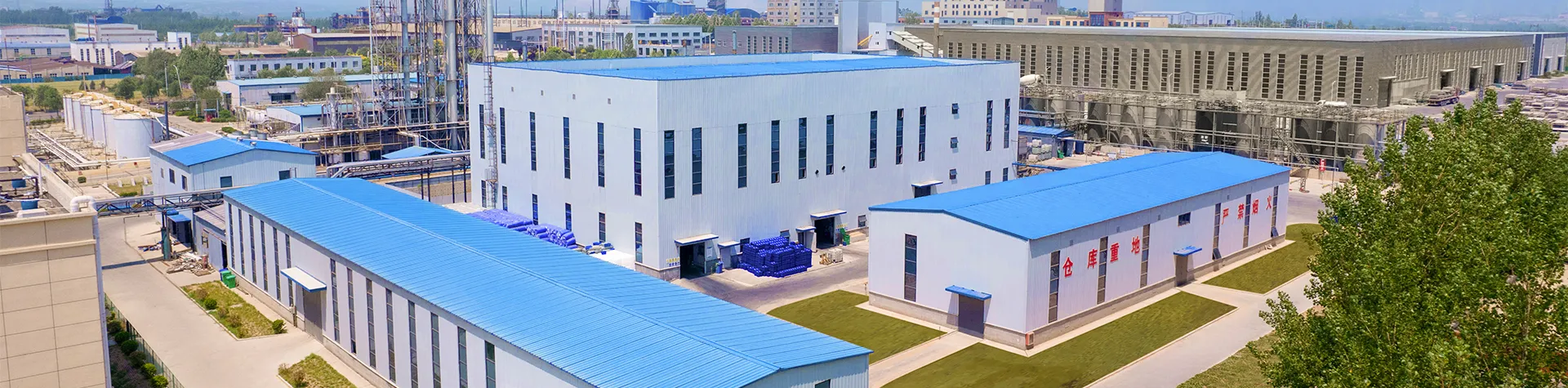
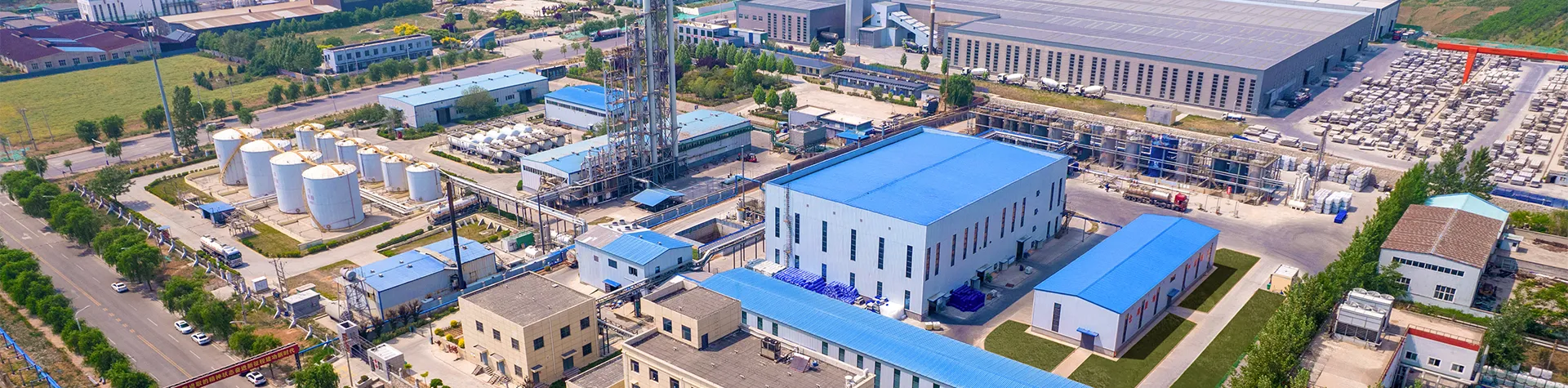
LK-2000 Carboxylate-Sulfonate Copolymer is a threshold scale inhibitor and dispersant. In practical terms, lk-2000 interferes with crystal growth and keeps inorganic particles—calcium carbonate, calcium phosphate, even mixed iron—suspended so they don’t cement themselves onto heat-transfer surfaces. The vendor is based in Xingtai City, Hebei Province (No. 3, North of Haohua East Road, Neiqiu county Industrial Zone), which, for the record, is a hub with a lot of polymer know-how.
Process flow and quality gates
Materials: acrylic acid + sulfonate monomers; initiators for free-radical copolymerization. Method: controlled aqueous polymerization with temperature/ratio profiling to target molecular weight ranges. Testing: CaCO3 inhibition per NACE/ASTM-style jar tests; dispersion index in high-TDS water; corrosion impact screening in coupon rigs. Service life: shelf life around 12–24 months, sealed, cool/dry. Industries: HVAC cooling water, power plant condensers, RO pre-treatment, mining process water, paper & pulp white water, and some geothermal loops.
Typical specifications (lab values, real-world use may vary)
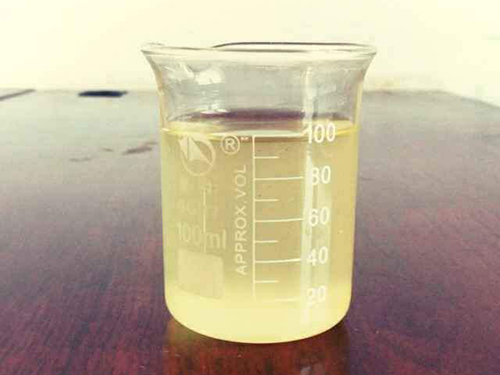
| Appearance | Clear to slightly hazy amber liquid |
| Active content | ≈ 30–40% (w/w) |
| pH (as supplied) | 2.0–4.0 (around) |
| Density @ 25°C | ≈ 1.15 g/mL |
| Molecular weight | Low–medium MW dispersant grade (vendor-controlled) |
| Compatibilities | Chlorine, bromine, common biocides; most phosphonates |
Application scenarios and dosage
- Open recirculating cooling systems: 5–20 mg/L active, tuned by LSI/RSI and phosphate loading.
- RO pre-treatment: 2–8 mg/L (reduce scaling, lengthen CIP intervals).
- Paper & pulp: 10–30 mg/L to keep fillers/pigments dispersed; watch retention aid balance.
- High-alkalinity makeup water: pair with phosphonates; maintain alkalinity control.
Many customers say lk-2000 “buys time” under stress—high cycles, warm basins—where other single-function dispersants stall. That’s anecdotal, but I’ve seen similar trends in site logs.
Performance notes and test data
In jar tests (hardness ≈ 500–800 mg/L as CaCO3, 60–70°C), lk-2000 typically shows >95% inhibition of CaCO3 precipitation at 10 mg/L active and holds calcium phosphate dispersion above 90% at 15 mg/L. Field snapshot: a 2,500 RT cooling system cut acid cleanings from quarterly to once per season; delta-T recovered by ≈ 0.8–1.1°C after two weeks of dosing and blowdown optimization. Your mileage may vary with iron load and orthophosphate control.
Advantages and certifications
- Dual-function threshold inhibition + dispersion in one drum.
- Low phosphorus formulation; easier discharge permitting in some regions.
- Generally compatible with oxidizing biocides.
- Vendor indicates ISO 9001 production; REACH/RoHS documentation available on request.
Vendor comparison (indicative)
| Vendor | Strengths | Considerations |
|---|---|---|
| LKP (Hebei) | Tight spec control; customization; direct factory support | Lead time ≈ 2–4 weeks export, depending on batch size |
| Competitor A | Global stocking; bundled service contracts | Higher price per active; less flexible on MW targets |
| Competitor B | Good logistics in APAC; standard dispersants | Scale inhibition on phosphate not as strong in my tests |
Customization and integration
Formulators often ask for adjusted molecular weight, counter-ions (e.g., sodium), or blend-ready concentrates with phosphonates/azoles. lk-2000 plays nicely in multifunctional packages; just validate stability under oxidants and high ionic strength.
Mini case study
A beverage plant in a hard-water region ran 5.5 cycles with chronic CaP scale. Switched to lk-2000 at 12 mg/L with orthophosphate control under 3 mg/L. After 30 days: makeup reduced by ~7%, heat-exchanger approach improved by 0.9°C, and CIP frequency dropped from 6 to 4 per quarter. The maintenance lead told me, “Not flashy, just works.” Fair enough.
Standards and references
Benchmark against ASTM and NACE protocols for scaling/dispersion. Track calcium hardness (ASTM D511), conductivity (ASTM D1125), and corrosion coupons (NACE SP0775) to get the full picture.
References:
- ASTM D511 – Standard Test Methods for Calcium and Magnesium in Water.
- ASTM D1125 – Standard Test Methods for Electrical Conductivity and Resistivity of Water.
- NACE SP0775 – Preparation, Installation, and Analysis of Corrosion Coupons in Oilfield Operations.
- Cooling Technology Institute (CTI) Guidelines for Cycles of Concentration and Scaling Control.
-
Comprehensive Analysis on Why Aluminum Chlorohydrate Safe for UseNewsApr.16,2026
-
Industrial Applications and Guide to Chloride of AluminiumNewsApr.09,2026
-
Exploring Aluminium Chloride Properties Applications and Sourcing InformationNewsApr.07,2026
-
Comprehensive Guide to Chloride Aluminium Properties Applications and SourcingNewsApr.04,2026
-
Understanding Aluminium Chloride Properties Applications and Sourcing DetailsNewsMar.31,2026
-
Understanding Aluminium Chloride Properties Applications and SourcingNewsMar.28,2026