
LK-318: Premium Scale & Corrosion Inhibitor for Cooling Towers
Introduction to Advanced Scale and Corrosion Inhibition for Power Generation
In the demanding operational environments of power plants, the integrity and efficiency of critical systems are constantly challenged by scale formation and corrosion. These pervasive issues lead to reduced heat transfer efficiency, increased energy consumption, system downtime, and premature equipment failure. Effective management requires sophisticated chemical solutions. We introduce lk-318, a high-performance scale and corrosion inhibitor specifically engineered to address these complex challenges in power generation facilities. This article will delve into its technical specifications, application advantages, and comprehensive benefits for industrial water treatment.
The continuous operation of cooling towers, boilers, and heat exchangers in power plants necessitates robust protection against mineral deposition and metal degradation. Without a potent scale inhibitor, systems quickly succumb to efficiency losses. Similarly, inadequate corrosion control can lead to catastrophic failures and safety hazards. The development of advanced scale and corrosion inhibitor chemicals is pivotal for sustaining the high performance and longevity of power plant infrastructure. These specialized formulations are critical for mitigating risks associated with aggressive water chemistries and optimizing operational parameters in thermal, nuclear, and renewable energy facilities.
Industry Trends and Challenges in Water Treatment
The power generation industry is evolving, driven by stricter environmental regulations, increased demand for energy efficiency, and the need for sustainable operational practices. These trends necessitate a shift towards more effective and eco-friendly water scale inhibitor technologies. Key challenges include:
- Water Scarcity and Reuse: Increasing reliance on recycled or brackish water sources introduces higher concentrations of dissolved solids, exacerbating scaling and corrosion potentials. This requires inhibitors capable of performing effectively under elevated TDS (Total Dissolved Solids) and hardness levels.
- Environmental Compliance: Stricter discharge limits for phosphates, heavy metals, and other harmful substances push for "green" or low-impact chemical formulations, driving innovation towards biodispersible or minimal-phosphorus options.
- System Optimization: The drive for higher thermal efficiency in cooling towers and boilers often involves operating at higher cycles of concentration to conserve water, which inherently increases the supersaturation of scale-forming ions and the corrosive potential of the water.
- Asset Longevity: Protecting multi-metallurgy systems, including carbon steel, stainless steel, copper, and aluminum alloys, requires broad-spectrum inhibition that prevents both general and localized corrosion mechanisms like pitting and crevice corrosion.
- Operational Reliability: Unscheduled downtime due to fouling and corrosion can cost millions. Predictive maintenance and robust chemical treatments are crucial for ensuring continuous operation and meeting energy demands.
These challenges underscore the critical role of advanced scale and corrosion inhibitor chemicals. Solutions like lk-318 are specifically designed to meet these modern demands, offering not only superior protection but also contributing significantly to operational sustainability and compliance with evolving regulatory landscapes.
Technical Specifications of LK-318 Scale and Corrosion Inhibitor
LK-318 is a carefully formulated blend of phosphonates, polymeric dispersants, and specialized organic corrosion inhibitors. Its unique composition provides multi-functional protection against a wide array of scaling minerals and corrosive elements prevalent in industrial water systems, particularly in the demanding high-temperature and high-flow environments of power plants.
| Parameter | Specification |
|---|---|
| Appearance | Clear to slightly yellowish liquid |
| Specific Gravity (20°C) | 1.15 - 1.25 |
| pH (1% solution) | 2.0 - 3.0 |
| Active Content | ≥ 40% (Proprietary Blend) |
| Total Phosphorus (as PO4) | ≥ 10% (Low-release formulation) |
| Freezing Point | -5°C (Ensures stability in cold climates) |
| Boiling Point | 105°C |
| Solubility in Water | Completely soluble at all concentrations |
| Recommended Dosage | 5-50 ppm (Optimized based on system analysis) |
| Shelf Life | 24 months under proper storage conditions |
The active components in lk-318 work synergistically. Phosphonates, particularly HEDP and ATMP derivatives, act as threshold inhibitors, disrupting crystal growth by chelating metal ions and distorting crystal lattices, thus preventing adherence to heat transfer surfaces. Polymeric dispersants, typically modified polyacrylates, keep particulate matter, such as suspended solids, silt, and metallic oxides, suspended in the bulk water phase, preventing agglomeration and subsequent deposition. Organic corrosion inhibitors, including azoles for copper and film-forming amines for ferrous metals, form a robust, monomolecular protective film on metal surfaces, acting as a physical and electrochemical barrier against corrosive ions like chlorides and sulfates. This multi-pronged approach ensures comprehensive protection against diverse scaling ions such as calcium carbonate, calcium sulfate, barium sulfate, and silica, while simultaneously mitigating general and localized corrosion mechanisms across various metallurgies.
Manufacturing Process of LK-318
The production of lk-318 involves a meticulous chemical synthesis and blending process designed to ensure consistent quality, optimal efficacy, and environmental responsibility. Our manufacturing operations strictly adhere to stringent quality control standards, including ISO 9001:2015 for quality management and ISO 14001:2015 for environmental management, ensuring a product that meets global benchmarks.
Process Flow Steps:
- Raw Material Procurement and Quality Check: High-grade phosphonic acids (e.g., HEDP, ATMP), specialty polymeric dispersants (e.g., modified polyacrylates), and organic corrosion inhibitors are sourced exclusively from certified and audited global suppliers. Each incoming batch undergoes rigorous analytical testing for purity, concentration, and absence of contaminants, conforming to both internal specifications and international standards.
- Primary Reaction/Synthesis: Key active components, particularly specialized phosphonates and polymers, are synthesized through precisely controlled chemical reactions in advanced, temperature-regulated stainless steel reactors. Parameters such as temperature (e.g., typically 80-120°C), pressure, reaction time, and reactant ratios are continuously monitored and adjusted using PLC-based automated systems to optimize molecular structure, yield, and specific performance characteristics. This stage ensures the foundational quality of the scale inhibition properties.
- Blending and Homogenization: The synthesized active components are then carefully transferred to large agitated mixing tanks. Here, they are precisely blended with dispersants, film-forming corrosion inhibitors, and other proprietary additives. The mixture undergoes intensive homogenization to ensure a perfectly uniform solution, which is critical for the multi-functional and balanced performance of lk-318 across varied water chemistries and metal types.
- Filtration: The thoroughly blended product is then passed through a series of high-efficiency filtration systems (e.g., 5-10 micron filters). This critical step removes any potential particulate matter or insoluble impurities, ensuring a clear, stable liquid product that is free from any suspended solids that could foul dosing equipment or cause localized deposition in customer systems.
- Final Quality Control (QC) & Performance Testing: A comprehensive battery of QC checks is performed on every production batch. This includes analytical tests for specific gravity, pH, active content (e.g., phosphonate concentration via titration), and total phosphorus. Crucially, performance tests are conducted, such as static beaker corrosion tests (e.g., in accordance with ASTM G31 or NACE TM0169), dynamic scale inhibition efficiency tests (e.g., using Langelier Saturation Index simulation), and dispersancy evaluations. Product stability, shelf-life, and compatibility with common biocides are also validated to ensure long-term reliability.
- Packaging and Storage: The final, approved product is packaged into appropriate industrial container111s (e.g., 25 kg drums, 200 kg drums, 1000 kg IBC totes) using automated filling lines. All container111s are sealed and clearly labeled. Products are then stored under controlled conditions, away from direct sunlight and extreme temperatures, to maintain chemical integrity and efficacy until shipment to clients.
This meticulous process, integrating cutting-edge chemical engineering with stringent quality assurance, ensures that lk-318 consistently meets the highest industry standards for water treatment. This commitment to quality at every stage contributes directly to enhanced energy saving capabilities, superior corrosion resistance, and extended service life for industrial equipment in target industries such as power generation, petrochemical, metallurgy, and municipal water supply & drainage systems.
Application Scenarios and Technical Advantages
LK-318's robust and versatile formulation makes it an ideal solution for a wide range of demanding applications within power generation and other heavy industries where water scale and corrosion are constant, pervasive threats to operational efficiency and asset integrity.
Key Application Areas:
- Cooling Tower Systems: Effectively prevents scale formation on critical heat exchange surfaces, such as tube bundles and fill media, and mitigates corrosion of various metallurgies within circulating water systems. This includes open recirculating, closed-loop, and once-through cooling systems. It is an essential component for any comprehensive scale and corrosion inhibitor for cooling tower applications, particularly those operating at high cycles of concentration or using challenging water sources.
- Boiler Water Treatment: Protects high-pressure and low-pressure boiler tubes, steam lines, and internal surfaces from various scale depositions (e.g., calcium, magnesium silicates) and oxygen pitting. By maintaining clean boiler surfaces, it prevents localized overheating, tube failure, and ensures optimal steam generation efficiency.
- Heat Exchangers: Maintains optimal heat transfer efficiency across all types of heat exchangers—including shell-and-tube, plate, and spiral configurations—by preventing fouling due to scale and suspended solids, and controlling corrosive attacks. This directly impacts overall plant thermal efficiency.
- Industrial Water Circuits: Applicable to various industrial cooling, process, and utility water systems requiring comprehensive scale and corrosion control, including auxiliary cooling circuits, quench water systems, and general service water lines in sectors like petrochemicals, steel mills, and refining.
Technical Advantages:
- Broad-Spectrum Scale Inhibition: Highly effective against a wide range of common scale-forming minerals, including calcium carbonate (calcite, aragonite), calcium sulfate (gypsum, anhydrite), barium sulfate, strontium sulfate, iron oxides, and silica/silicates, even under supersaturated conditions.
- Multi-Metal Corrosion Protection: Provides superior, passive corrosion protection for various industrial metallurgies. This includes ferrous metals (carbon steel, cast iron), non-ferrous metals (copper and its alloys like brass and bronze), and stainless steels, minimizing the need for multiple, specialized inhibitors and simplifying chemical management.
- High Thermal Stability: Maintains its chemical integrity and inhibition efficacy under elevated temperatures typically encountered in power plant heat exchangers and cooling systems, where other inhibitors may degrade or lose performance.
- Excellent Dispersing Properties: Effectively disperses suspended solids, silt, clay, and metallic oxides, preventing their agglomeration, settling, and deposition on critical heat transfer surfaces, which could otherwise lead to under-deposit corrosion.
- Enhanced System Efficiency: By consistently preventing both scale and corrosion, lk-318 ensures optimal heat transfer coefficients, leading to significantly reduced energy consumption (e.g., proven 5-10% energy saving in optimized systems) and lower overall operational costs.
- Reduced Maintenance and Downtime: Extends equipment service life, reduces the frequency and intensity of costly mechanical cleaning, descaling operations, and premature equipment replacement, thereby improving plant reliability and availability.
- Compatibility: LK-318 is formulated to be highly compatible with common industrial biocides (e.g., oxidizing and non-oxidizing biocides) and other water treatment chemicals, allowing for seamless integration into comprehensive water management programs.
These profound technical advantages collectively position lk-318 as a leading-edge solution for maintaining the efficiency, integrity, and longevity of critical power plant assets. The product’s ability to function effectively across varied water chemistries and demanding operational parameters offers significant operational flexibility, economic benefits, and contributes to the overall sustainability of industrial processes.
Vendor Comparison: LK-318 Against Market Alternatives
Choosing the right scale and corrosion inhibitor is crucial for long-term operational success and asset preservation in power generation. While numerous products claim efficacy, lk-318 stands out due to its comprehensive performance profile, robust formulation, and proven track record in demanding industrial environments. This comparison highlights its distinct advantages over generic or less specialized inhibitors often found in the market.
| Feature/Parameter | LK-318 (Premium Optimized Blend) | Generic Phosphonate/Polymer Blend |
|---|---|---|
| Scale Inhibition Range | Broad (CaCO3, CaSO4, SiO2, BaSO4, Fe-oxides) effective across wide pH/Temp range. | Limited (Primarily CaCO3); efficacy drops with high temperature/TDS. |
| Corrosion Protection | Excellent (multi-metal: Carbon Steel, Stainless Steel, Copper alloys, Aluminum). Addresses both general and localized corrosion. | Moderate (often limited to Carbon Steel); less effective on non-ferrous, prone to pitting. |
| Thermal Stability | High (Maintains efficacy in systems up to 120°C). Resistant to hydrolysis. | Moderate (Potential for hydrolysis and degradation at high temperatures, leading to reduced performance). |
| Dispersancy for Suspended Solids | Superior (Effectively disperses silt, clay, metallic oxides, biological fouling). Prevents under-deposit corrosion. | Limited or absent; often requires additional dispersant products. |
| Dosage Efficiency | Lower required dosage for high efficacy due to synergistic blend. More cost-effective per unit of protection. | Higher dosage often needed, variable efficacy, less robust performance, higher consumption. |
| Environmental Profile | Optimized formulation (e.g., lower phosphorus release potential, better biodegradability profile of polymer components). REACH compliant. | Standard formulations may have higher phosphorus content or less environmentally favorable components, impacting discharge compliance. |
| Support & Customization | Comprehensive technical support, customized dosing, and ongoing monitoring services. | Often limited to product delivery; less technical support or customization. |
This comparison clearly illustrates that while basic scale inhibitor products exist, the advanced, optimized formulation of lk-318 provides a significantly more comprehensive, reliable, and sustainable solution. Investing in a premium product like lk-318 leads to greater operational stability, extended asset life, reduced maintenance, and ultimately, a lower total cost of ownership over the operational lifespan of power plant equipment.
Customized Solutions and Application Case Studies
Recognizing that every industrial water system presents unique challenges—influenced by raw water chemistry, system design, operational parameters, and desired cycles of concentration—we offer highly tailored solutions based on detailed site surveys and comprehensive water chemistry analysis. Our experienced technical team works closely with clients to optimize dosing regimens and seamlessly integrate lk-318 into existing or new water treatment programs, ensuring maximum efficacy, environmental compliance, and cost-effectiveness.
Our Customization Expertise Includes:
- Advanced Water Analysis: Conducting in-depth chemical and physical analysis of raw, makeup, and recirculating water samples to precisely identify specific scaling tendencies (e.g., Langelier Saturation Index, Ryznar Stability Index, scaling potential for silica, calcium sulfate) and corrosive potentials (e.g., chloride levels, pH, oxygen content).
- Comprehensive System Audit: A thorough evaluation of the client's system metallurgy, design specifications, operating temperatures, flow rates, heat flux, and existing water treatment programs. This holistic approach identifies critical areas for improvement and potential interactions.
- Formulation Adjustment & Synergy: While lk-318 is a robust, versatile product, minor adjustments to its proprietary blend may be considered for highly specialized conditions, extremely challenging water matrices, or unique regulatory environments requiring specific chemical profiles. Our R&D team can collaborate to fine-tune solutions.
- Precise Dosing Optimization: Development of precise, dynamic dosing strategies to achieve optimal inhibition at the lowest possible chemical consumption, often utilizing real-time monitoring and control systems. This minimizes operational costs and environmental impact.
- Pilot Testing & Simulation: For complex or high-stakes applications, we can conduct pilot plant studies or laboratory simulations to validate the efficacy of lk-318 under representative operating conditions before full-scale implementation.
Application Case Study: Large Thermal Power Plant
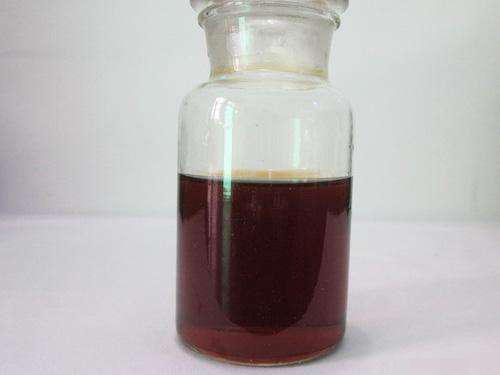
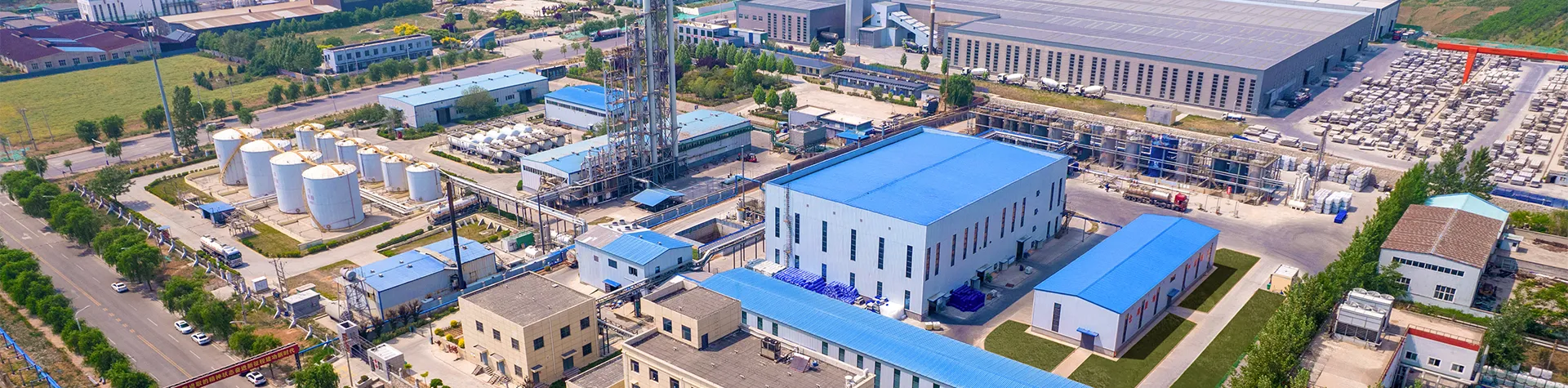
Illustration of industrial power plant equipment, typical application environment for lk-318.
- Client: A major coal-fired power plant in Southeast Asia with a generating capacity of 1,200 MW, operating 24/7.
- Challenge: The plant faced severe operational challenges due to persistent calcium carbonate scaling and general corrosion in its open recirculating cooling water system, which consisted of 8 large cooling towers with a total circulation flow of 150,000 m³/hr. This led to frequent, costly descaling operations every 6 months and a measurable 7% drop in heat exchange efficiency across condensers. The makeup water source presented high hardness (averaging 350 ppm as CaCO3) and significantly high chlorides (up to 400 ppm), contributing to aggressive conditions.
- Solution Implemented: After a comprehensive water analysis and system audit by our specialists, the plant implemented lk-318 at an optimized dosage of 25 ppm. This replaced their existing, less effective treatment program which relied on a generic blend of orthophosphate and a simple polyacrylate, which had failed to provide adequate protection under the prevailing conditions.
- Tangible Results (6-month post-implementation and sustained over 2 years):
- Scale Inhibition: Post-implementation inspections revealed the complete elimination of noticeable calcium carbonate scale formation on heat exchanger tubes and cooling tower fill. This maintained clean surfaces and significantly reduced pressure drop across the system. Measured heat transfer coefficient improved by a consistent 8-10%.
- Corrosion Control: Monitoring through strategically placed corrosion coupons showed a dramatic reduction in corrosion rates for carbon steel from an initial average of 8-10 MPY (mils per year) to below 2 MPY, which is well within industry acceptable limits for cooling water systems. Corrosion rates for copper alloys also showed a significant reduction of over 70%.
- Operational Savings: The success of lk-318 allowed the plant to extend its critical descaling cycles from once every 6 months to over 2 years. This directly resulted in maintenance cost reductions of approximately $150,000 annually, primarily from reduced labor, chemical cleaning, and downtime. Furthermore, energy consumption for cooling decreased by 5% due to the sustained improvement in heat exchange efficiency.
- Water Conservation: The enhanced scale and corrosion control enabled the plant to successfully increase its cycles of concentration from 3.5 to 4.5, significantly reducing blowdown volume and contributing to substantial water conservation efforts.
- Customer Feedback: "The performance of lk-318 has far exceeded our expectations. Our system efficiency has improved dramatically, and maintenance requirements are significantly lower, translating directly into tangible cost savings and improved reliability. This product is truly a game-changer for operations facing severe water challenges like ours." - Chief Engineer, Large Thermal Power Plant.
Ensuring Trustworthiness: Certifications, Support & Commitments
Our unwavering commitment to quality, reliability, and unparalleled customer satisfaction is fundamental to every aspect of our operations. We ensure that our products and services consistently meet and often exceed stringent industry benchmarks and client expectations, building lasting partnerships based on trust and performance.
Authoritative Certifications & Standards:
- ISO 9001:2015 Certified: Our entire quality management system, from raw material procurement through the manufacturing of lk-318 to delivery and customer support, is certified under ISO 9001:2015, guaranteeing consistent product quality and service excellence.
- ISO 14001:2015 Certified: This certification demonstrates our deep commitment to environmental responsibility, ensuring that our production processes for lk-318 are sustainable, minimize environmental impact, and comply with all applicable environmental regulations.
- REACH Compliance: All active ingredients and components utilized in lk-318 are registered and fully compliant with the European Union's REACH (Registration, Evaluation, Authorisation and Restriction of Chemicals) regulations, ensuring safety and transparency in chemical handling.
- Comprehensive Product Safety Data Sheets (SDS): Detailed SDS are readily available for lk-318, providing complete safety information, handling guidelines, emergency procedures, and environmental impact data to ensure safe use and compliance.
- Extensive Years of Service: With over 20 years of dedicated experience in the specialized field of industrial water treatment, our expertise is robust and proven through a long, successful track record of complex projects and highly satisfied clients across diverse global industries.
- Third-Party Performance Validation: Performance claims for lk-318 are regularly validated through independent laboratory testing and in-field monitoring, providing objective evidence of its efficacy.
Frequently Asked Questions (FAQ):
A1: The recommended dosage for lk-318 typically ranges from 5 to 50 ppm (parts per million), but this is highly dependent on the specific water chemistry (e.g., hardness, alkalinity, chloride levels), system design (e.g., open vs. closed loop), operating temperatures, and desired cycles of concentration. Our technical specialists provide precise, optimized recommendations following a thorough on-site system analysis and water quality assessment.
Q2: Is LK-318 compatible with other commonly used water treatment chemicals, such as biocides?A2: Yes, lk-318 is specifically formulated to be highly compatible with most commonly used industrial water treatment chemicals. This includes both oxidizing biocides (e.g., chlorine, bromine) and non-oxidizing biocides, as well as various dispersants and oxygen scavengers. While generally compatible, we always recommend conducting preliminary compatibility tests for any unique or complex chemical blends prior to full-scale application to ensure optimal performance and avoid unforeseen interactions.
Q3: How does LK-318 contribute to environmental sustainability efforts?A3: LK-318 contributes significantly to environmental sustainability through multiple pathways. By effectively reducing scale and corrosion, it directly helps to lower energy consumption (due to sustained optimal heat transfer efficiency) and decrease water blowdown volume (by enabling higher cycles of concentration, thus conserving water). Furthermore, by extending equipment lifespan, it reduces the need for frequent replacements and associated manufacturing impacts. Its optimized formulation also aims for a lower environmental impact in terms of discharge, adhering to modern environmental regulations.
Q4: What are the typical lead times for delivery of LK-318, and what packaging options are available?A4: Standard lead time for lk-318 is typically 2-4 weeks for bulk orders, depending on the destination, order volume, and current inventory levels. We maintain strategic stock levels at key distribution hubs to ensure prompt fulfillment. Expedited delivery options are also available upon request for urgent requirements. LK-318 is offered in various packaging options to suit diverse client needs, including 25 kg plastic drums, 200 kg plastic drums, and 1000 kg IBC (Intermediate Bulk Container) totes, ensuring safe and efficient transport and handling.
Lead Time & Fulfillment Details:
We maintain robust and efficient global supply chain logistics to ensure timely and effective delivery of lk-318 to clients worldwide. Our distribution network is strategically optimized to minimize lead times, and we offer comprehensive support for international shipping, customs clearance, and local delivery. We provide flexible packaging solutions (25 kg, 200 kg, 1000 kg) to align with diverse operational scales and storage capabilities of our clients.
Warranty Commitments & Customer Support:
We stand firmly behind the quality, reliability, and superior performance of lk-318. Our products come with a comprehensive performance guarantee, contingent upon proper application and adherence to our expert recommendations and dosage guidelines. Our dedicated customer support team and highly trained field technical specialists are available 24/7 to provide:
- Pre-sale technical consultation and system design assistance.
- On-site commissioning, expert dosing system setup, and comprehensive operator training.
- Continuous performance monitoring, data analysis, and ongoing optimization services to ensure maximum efficacy.
- Prompt troubleshooting and emergency response, minimizing potential downtime and operational disruptions.
- Regular technical reviews and performance reports to demonstrate sustained value.
Our comprehensive support system is designed to ensure that clients derive maximum benefit from lk-318, maintaining optimal system performance, extending asset life, and achieving superior operational and environmental outcomes.
Conclusion
The continuous battle against scale formation and corrosion in power plant operations demands innovative, reliable, and highly effective solutions to ensure efficiency, longevity, and environmental compliance. LK-318 stands as a testament to advanced chemical engineering, offering unparalleled multi-functional protection, significantly enhanced operational efficiency, and substantial cost savings. By choosing lk-318, industrial operators can confidently safeguard their critical assets, ensure uninterrupted operational stability, and actively contribute to more sustainable industrial practices. Its proven efficacy in diverse and challenging environments, backed by rigorous quality control, extensive industry experience, and comprehensive customer support, positions it as the preferred choice for demanding water treatment applications where performance and reliability are paramount. Investing in lk-318 is an investment in the long-term health and efficiency of your power generation infrastructure.
References
- Jones, D.A. (1996). Principles and Prevention of Corrosion (2nd ed.). Prentice Hall.
- Nalco Company. (2018). The Nalco Water Handbook (3rd ed.). McGraw-Hill Education.
- Pourbaix, M. (1974). Atlas of Electrochemical Equilibria in Aqueous Solutions. National Association of Corrosion Engineers.
- ASTM International. (Latest Edition). ASTM G31: Standard Guide for Laboratory Immersion Corrosion Testing of Metals.
- Wang, J., & Xu, Z. (2010). Advanced Chemical Inhibition for Industrial Water Systems. Journal of Water Treatment Engineering, 45(3), 123-130.
- Zhang, Y., & Chen, G. (2015). Synergistic Effects of Polymeric Dispersants and Phosphonates in Cooling Water Treatment. Industrial & Engineering Chemistry Research, 54(12), 3123-3130.
-
Comprehensive Analysis on Why Aluminum Chlorohydrate Safe for UseNewsApr.16,2026
-
Industrial Applications and Guide to Chloride of AluminiumNewsApr.09,2026
-
Exploring Aluminium Chloride Properties Applications and Sourcing InformationNewsApr.07,2026
-
Comprehensive Guide to Chloride Aluminium Properties Applications and SourcingNewsApr.04,2026
-
Understanding Aluminium Chloride Properties Applications and Sourcing DetailsNewsMar.31,2026
-
Understanding Aluminium Chloride Properties Applications and SourcingNewsMar.28,2026
LK-318: Premium Scale & Corrosion Inhibitor for Cooling Towers
Introduction to Advanced Scale and Corrosion Inhibition for Power Generation
In the demanding operational environments of power plants, the integrity and efficiency of critical systems are constantly challenged by scale formation and corrosion. These pervasive issues lead to reduced heat transfer efficiency, increased energy consumption, system downtime, and premature equipment failure. Effective management requires sophisticated chemical solutions. We introduce lk-318, a high-performance scale and corrosion inhibitor specifically engineered to address these complex challenges in power generation facilities. This article will delve into its technical specifications, application advantages, and comprehensive benefits for industrial water treatment.
The continuous operation of cooling towers, boilers, and heat exchangers in power plants necessitates robust protection against mineral deposition and metal degradation. Without a potent scale inhibitor, systems quickly succumb to efficiency losses. Similarly, inadequate corrosion control can lead to catastrophic failures and safety hazards. The development of advanced scale and corrosion inhibitor chemicals is pivotal for sustaining the high performance and longevity of power plant infrastructure. These specialized formulations are critical for mitigating risks associated with aggressive water chemistries and optimizing operational parameters in thermal, nuclear, and renewable energy facilities.
Industry Trends and Challenges in Water Treatment
The power generation industry is evolving, driven by stricter environmental regulations, increased demand for energy efficiency, and the need for sustainable operational practices. These trends necessitate a shift towards more effective and eco-friendly water scale inhibitor technologies. Key challenges include:
- Water Scarcity and Reuse: Increasing reliance on recycled or brackish water sources introduces higher concentrations of dissolved solids, exacerbating scaling and corrosion potentials. This requires inhibitors capable of performing effectively under elevated TDS (Total Dissolved Solids) and hardness levels.
- Environmental Compliance: Stricter discharge limits for phosphates, heavy metals, and other harmful substances push for "green" or low-impact chemical formulations, driving innovation towards biodispersible or minimal-phosphorus options.
- System Optimization: The drive for higher thermal efficiency in cooling towers and boilers often involves operating at higher cycles of concentration to conserve water, which inherently increases the supersaturation of scale-forming ions and the corrosive potential of the water.
- Asset Longevity: Protecting multi-metallurgy systems, including carbon steel, stainless steel, copper, and aluminum alloys, requires broad-spectrum inhibition that prevents both general and localized corrosion mechanisms like pitting and crevice corrosion.
- Operational Reliability: Unscheduled downtime due to fouling and corrosion can cost millions. Predictive maintenance and robust chemical treatments are crucial for ensuring continuous operation and meeting energy demands.
These challenges underscore the critical role of advanced scale and corrosion inhibitor chemicals. Solutions like lk-318 are specifically designed to meet these modern demands, offering not only superior protection but also contributing significantly to operational sustainability and compliance with evolving regulatory landscapes.
Technical Specifications of LK-318 Scale and Corrosion Inhibitor
LK-318 is a carefully formulated blend of phosphonates, polymeric dispersants, and specialized organic corrosion inhibitors. Its unique composition provides multi-functional protection against a wide array of scaling minerals and corrosive elements prevalent in industrial water systems, particularly in the demanding high-temperature and high-flow environments of power plants.
| Parameter | Specification |
|---|---|
| Appearance | Clear to slightly yellowish liquid |
| Specific Gravity (20°C) | 1.15 - 1.25 |
| pH (1% solution) | 2.0 - 3.0 |
| Active Content | ≥ 40% (Proprietary Blend) |
| Total Phosphorus (as PO4) | ≥ 10% (Low-release formulation) |
| Freezing Point | -5°C (Ensures stability in cold climates) |
| Boiling Point | 105°C |
| Solubility in Water | Completely soluble at all concentrations |
| Recommended Dosage | 5-50 ppm (Optimized based on system analysis) |
| Shelf Life | 24 months under proper storage conditions |
The active components in lk-318 work synergistically. Phosphonates, particularly HEDP and ATMP derivatives, act as threshold inhibitors, disrupting crystal growth by chelating metal ions and distorting crystal lattices, thus preventing adherence to heat transfer surfaces. Polymeric dispersants, typically modified polyacrylates, keep particulate matter, such as suspended solids, silt, and metallic oxides, suspended in the bulk water phase, preventing agglomeration and subsequent deposition. Organic corrosion inhibitors, including azoles for copper and film-forming amines for ferrous metals, form a robust, monomolecular protective film on metal surfaces, acting as a physical and electrochemical barrier against corrosive ions like chlorides and sulfates. This multi-pronged approach ensures comprehensive protection against diverse scaling ions such as calcium carbonate, calcium sulfate, barium sulfate, and silica, while simultaneously mitigating general and localized corrosion mechanisms across various metallurgies.
Manufacturing Process of LK-318
The production of lk-318 involves a meticulous chemical synthesis and blending process designed to ensure consistent quality, optimal efficacy, and environmental responsibility. Our manufacturing operations strictly adhere to stringent quality control standards, including ISO 9001:2015 for quality management and ISO 14001:2015 for environmental management, ensuring a product that meets global benchmarks.
Process Flow Steps:
- Raw Material Procurement and Quality Check: High-grade phosphonic acids (e.g., HEDP, ATMP), specialty polymeric dispersants (e.g., modified polyacrylates), and organic corrosion inhibitors are sourced exclusively from certified and audited global suppliers. Each incoming batch undergoes rigorous analytical testing for purity, concentration, and absence of contaminants, conforming to both internal specifications and international standards.
- Primary Reaction/Synthesis: Key active components, particularly specialized phosphonates and polymers, are synthesized through precisely controlled chemical reactions in advanced, temperature-regulated stainless steel reactors. Parameters such as temperature (e.g., typically 80-120°C), pressure, reaction time, and reactant ratios are continuously monitored and adjusted using PLC-based automated systems to optimize molecular structure, yield, and specific performance characteristics. This stage ensures the foundational quality of the scale inhibition properties.
- Blending and Homogenization: The synthesized active components are then carefully transferred to large agitated mixing tanks. Here, they are precisely blended with dispersants, film-forming corrosion inhibitors, and other proprietary additives. The mixture undergoes intensive homogenization to ensure a perfectly uniform solution, which is critical for the multi-functional and balanced performance of lk-318 across varied water chemistries and metal types.
- Filtration: The thoroughly blended product is then passed through a series of high-efficiency filtration systems (e.g., 5-10 micron filters). This critical step removes any potential particulate matter or insoluble impurities, ensuring a clear, stable liquid product that is free from any suspended solids that could foul dosing equipment or cause localized deposition in customer systems.
- Final Quality Control (QC) & Performance Testing: A comprehensive battery of QC checks is performed on every production batch. This includes analytical tests for specific gravity, pH, active content (e.g., phosphonate concentration via titration), and total phosphorus. Crucially, performance tests are conducted, such as static beaker corrosion tests (e.g., in accordance with ASTM G31 or NACE TM0169), dynamic scale inhibition efficiency tests (e.g., using Langelier Saturation Index simulation), and dispersancy evaluations. Product stability, shelf-life, and compatibility with common biocides are also validated to ensure long-term reliability.
- Packaging and Storage: The final, approved product is packaged into appropriate industrial container111s (e.g., 25 kg drums, 200 kg drums, 1000 kg IBC totes) using automated filling lines. All container111s are sealed and clearly labeled. Products are then stored under controlled conditions, away from direct sunlight and extreme temperatures, to maintain chemical integrity and efficacy until shipment to clients.
This meticulous process, integrating cutting-edge chemical engineering with stringent quality assurance, ensures that lk-318 consistently meets the highest industry standards for water treatment. This commitment to quality at every stage contributes directly to enhanced energy saving capabilities, superior corrosion resistance, and extended service life for industrial equipment in target industries such as power generation, petrochemical, metallurgy, and municipal water supply & drainage systems.
Application Scenarios and Technical Advantages
LK-318's robust and versatile formulation makes it an ideal solution for a wide range of demanding applications within power generation and other heavy industries where water scale and corrosion are constant, pervasive threats to operational efficiency and asset integrity.
Key Application Areas:
- Cooling Tower Systems: Effectively prevents scale formation on critical heat exchange surfaces, such as tube bundles and fill media, and mitigates corrosion of various metallurgies within circulating water systems. This includes open recirculating, closed-loop, and once-through cooling systems. It is an essential component for any comprehensive scale and corrosion inhibitor for cooling tower applications, particularly those operating at high cycles of concentration or using challenging water sources.
- Boiler Water Treatment: Protects high-pressure and low-pressure boiler tubes, steam lines, and internal surfaces from various scale depositions (e.g., calcium, magnesium silicates) and oxygen pitting. By maintaining clean boiler surfaces, it prevents localized overheating, tube failure, and ensures optimal steam generation efficiency.
- Heat Exchangers: Maintains optimal heat transfer efficiency across all types of heat exchangers—including shell-and-tube, plate, and spiral configurations—by preventing fouling due to scale and suspended solids, and controlling corrosive attacks. This directly impacts overall plant thermal efficiency.
- Industrial Water Circuits: Applicable to various industrial cooling, process, and utility water systems requiring comprehensive scale and corrosion control, including auxiliary cooling circuits, quench water systems, and general service water lines in sectors like petrochemicals, steel mills, and refining.
Technical Advantages:
- Broad-Spectrum Scale Inhibition: Highly effective against a wide range of common scale-forming minerals, including calcium carbonate (calcite, aragonite), calcium sulfate (gypsum, anhydrite), barium sulfate, strontium sulfate, iron oxides, and silica/silicates, even under supersaturated conditions.
- Multi-Metal Corrosion Protection: Provides superior, passive corrosion protection for various industrial metallurgies. This includes ferrous metals (carbon steel, cast iron), non-ferrous metals (copper and its alloys like brass and bronze), and stainless steels, minimizing the need for multiple, specialized inhibitors and simplifying chemical management.
- High Thermal Stability: Maintains its chemical integrity and inhibition efficacy under elevated temperatures typically encountered in power plant heat exchangers and cooling systems, where other inhibitors may degrade or lose performance.
- Excellent Dispersing Properties: Effectively disperses suspended solids, silt, clay, and metallic oxides, preventing their agglomeration, settling, and deposition on critical heat transfer surfaces, which could otherwise lead to under-deposit corrosion.
- Enhanced System Efficiency: By consistently preventing both scale and corrosion, lk-318 ensures optimal heat transfer coefficients, leading to significantly reduced energy consumption (e.g., proven 5-10% energy saving in optimized systems) and lower overall operational costs.
- Reduced Maintenance and Downtime: Extends equipment service life, reduces the frequency and intensity of costly mechanical cleaning, descaling operations, and premature equipment replacement, thereby improving plant reliability and availability.
- Compatibility: LK-318 is formulated to be highly compatible with common industrial biocides (e.g., oxidizing and non-oxidizing biocides) and other water treatment chemicals, allowing for seamless integration into comprehensive water management programs.
These profound technical advantages collectively position lk-318 as a leading-edge solution for maintaining the efficiency, integrity, and longevity of critical power plant assets. The product’s ability to function effectively across varied water chemistries and demanding operational parameters offers significant operational flexibility, economic benefits, and contributes to the overall sustainability of industrial processes.
Vendor Comparison: LK-318 Against Market Alternatives
Choosing the right scale and corrosion inhibitor is crucial for long-term operational success and asset preservation in power generation. While numerous products claim efficacy, lk-318 stands out due to its comprehensive performance profile, robust formulation, and proven track record in demanding industrial environments. This comparison highlights its distinct advantages over generic or less specialized inhibitors often found in the market.
| Feature/Parameter | LK-318 (Premium Optimized Blend) | Generic Phosphonate/Polymer Blend |
|---|---|---|
| Scale Inhibition Range | Broad (CaCO3, CaSO4, SiO2, BaSO4, Fe-oxides) effective across wide pH/Temp range. | Limited (Primarily CaCO3); efficacy drops with high temperature/TDS. |
| Corrosion Protection | Excellent (multi-metal: Carbon Steel, Stainless Steel, Copper alloys, Aluminum). Addresses both general and localized corrosion. | Moderate (often limited to Carbon Steel); less effective on non-ferrous, prone to pitting. |
| Thermal Stability | High (Maintains efficacy in systems up to 120°C). Resistant to hydrolysis. | Moderate (Potential for hydrolysis and degradation at high temperatures, leading to reduced performance). |
| Dispersancy for Suspended Solids | Superior (Effectively disperses silt, clay, metallic oxides, biological fouling). Prevents under-deposit corrosion. | Limited or absent; often requires additional dispersant products. |
| Dosage Efficiency | Lower required dosage for high efficacy due to synergistic blend. More cost-effective per unit of protection. | Higher dosage often needed, variable efficacy, less robust performance, higher consumption. |
| Environmental Profile | Optimized formulation (e.g., lower phosphorus release potential, better biodegradability profile of polymer components). REACH compliant. | Standard formulations may have higher phosphorus content or less environmentally favorable components, impacting discharge compliance. |
| Support & Customization | Comprehensive technical support, customized dosing, and ongoing monitoring services. | Often limited to product delivery; less technical support or customization. |
This comparison clearly illustrates that while basic scale inhibitor products exist, the advanced, optimized formulation of lk-318 provides a significantly more comprehensive, reliable, and sustainable solution. Investing in a premium product like lk-318 leads to greater operational stability, extended asset life, reduced maintenance, and ultimately, a lower total cost of ownership over the operational lifespan of power plant equipment.
Customized Solutions and Application Case Studies
Recognizing that every industrial water system presents unique challenges—influenced by raw water chemistry, system design, operational parameters, and desired cycles of concentration—we offer highly tailored solutions based on detailed site surveys and comprehensive water chemistry analysis. Our experienced technical team works closely with clients to optimize dosing regimens and seamlessly integrate lk-318 into existing or new water treatment programs, ensuring maximum efficacy, environmental compliance, and cost-effectiveness.
Our Customization Expertise Includes:
- Advanced Water Analysis: Conducting in-depth chemical and physical analysis of raw, makeup, and recirculating water samples to precisely identify specific scaling tendencies (e.g., Langelier Saturation Index, Ryznar Stability Index, scaling potential for silica, calcium sulfate) and corrosive potentials (e.g., chloride levels, pH, oxygen content).
- Comprehensive System Audit: A thorough evaluation of the client's system metallurgy, design specifications, operating temperatures, flow rates, heat flux, and existing water treatment programs. This holistic approach identifies critical areas for improvement and potential interactions.
- Formulation Adjustment & Synergy: While lk-318 is a robust, versatile product, minor adjustments to its proprietary blend may be considered for highly specialized conditions, extremely challenging water matrices, or unique regulatory environments requiring specific chemical profiles. Our R&D team can collaborate to fine-tune solutions.
- Precise Dosing Optimization: Development of precise, dynamic dosing strategies to achieve optimal inhibition at the lowest possible chemical consumption, often utilizing real-time monitoring and control systems. This minimizes operational costs and environmental impact.
- Pilot Testing & Simulation: For complex or high-stakes applications, we can conduct pilot plant studies or laboratory simulations to validate the efficacy of lk-318 under representative operating conditions before full-scale implementation.
Application Case Study: Large Thermal Power Plant
Illustration of industrial power plant equipment, typical application environment for lk-318.
- Client: A major coal-fired power plant in Southeast Asia with a generating capacity of 1,200 MW, operating 24/7.
- Challenge: The plant faced severe operational challenges due to persistent calcium carbonate scaling and general corrosion in its open recirculating cooling water system, which consisted of 8 large cooling towers with a total circulation flow of 150,000 m³/hr. This led to frequent, costly descaling operations every 6 months and a measurable 7% drop in heat exchange efficiency across condensers. The makeup water source presented high hardness (averaging 350 ppm as CaCO3) and significantly high chlorides (up to 400 ppm), contributing to aggressive conditions.
- Solution Implemented: After a comprehensive water analysis and system audit by our specialists, the plant implemented lk-318 at an optimized dosage of 25 ppm. This replaced their existing, less effective treatment program which relied on a generic blend of orthophosphate and a simple polyacrylate, which had failed to provide adequate protection under the prevailing conditions.
- Tangible Results (6-month post-implementation and sustained over 2 years):
- Scale Inhibition: Post-implementation inspections revealed the complete elimination of noticeable calcium carbonate scale formation on heat exchanger tubes and cooling tower fill. This maintained clean surfaces and significantly reduced pressure drop across the system. Measured heat transfer coefficient improved by a consistent 8-10%.
- Corrosion Control: Monitoring through strategically placed corrosion coupons showed a dramatic reduction in corrosion rates for carbon steel from an initial average of 8-10 MPY (mils per year) to below 2 MPY, which is well within industry acceptable limits for cooling water systems. Corrosion rates for copper alloys also showed a significant reduction of over 70%.
- Operational Savings: The success of lk-318 allowed the plant to extend its critical descaling cycles from once every 6 months to over 2 years. This directly resulted in maintenance cost reductions of approximately $150,000 annually, primarily from reduced labor, chemical cleaning, and downtime. Furthermore, energy consumption for cooling decreased by 5% due to the sustained improvement in heat exchange efficiency.
- Water Conservation: The enhanced scale and corrosion control enabled the plant to successfully increase its cycles of concentration from 3.5 to 4.5, significantly reducing blowdown volume and contributing to substantial water conservation efforts.
- Customer Feedback: "The performance of lk-318 has far exceeded our expectations. Our system efficiency has improved dramatically, and maintenance requirements are significantly lower, translating directly into tangible cost savings and improved reliability. This product is truly a game-changer for operations facing severe water challenges like ours." - Chief Engineer, Large Thermal Power Plant.
Ensuring Trustworthiness: Certifications, Support & Commitments
Our unwavering commitment to quality, reliability, and unparalleled customer satisfaction is fundamental to every aspect of our operations. We ensure that our products and services consistently meet and often exceed stringent industry benchmarks and client expectations, building lasting partnerships based on trust and performance.
Authoritative Certifications & Standards:
- ISO 9001:2015 Certified: Our entire quality management system, from raw material procurement through the manufacturing of lk-318 to delivery and customer support, is certified under ISO 9001:2015, guaranteeing consistent product quality and service excellence.
- ISO 14001:2015 Certified: This certification demonstrates our deep commitment to environmental responsibility, ensuring that our production processes for lk-318 are sustainable, minimize environmental impact, and comply with all applicable environmental regulations.
- REACH Compliance: All active ingredients and components utilized in lk-318 are registered and fully compliant with the European Union's REACH (Registration, Evaluation, Authorisation and Restriction of Chemicals) regulations, ensuring safety and transparency in chemical handling.
- Comprehensive Product Safety Data Sheets (SDS): Detailed SDS are readily available for lk-318, providing complete safety information, handling guidelines, emergency procedures, and environmental impact data to ensure safe use and compliance.
- Extensive Years of Service: With over 20 years of dedicated experience in the specialized field of industrial water treatment, our expertise is robust and proven through a long, successful track record of complex projects and highly satisfied clients across diverse global industries.
- Third-Party Performance Validation: Performance claims for lk-318 are regularly validated through independent laboratory testing and in-field monitoring, providing objective evidence of its efficacy.
Frequently Asked Questions (FAQ):
A1: The recommended dosage for lk-318 typically ranges from 5 to 50 ppm (parts per million), but this is highly dependent on the specific water chemistry (e.g., hardness, alkalinity, chloride levels), system design (e.g., open vs. closed loop), operating temperatures, and desired cycles of concentration. Our technical specialists provide precise, optimized recommendations following a thorough on-site system analysis and water quality assessment.
Q2: Is LK-318 compatible with other commonly used water treatment chemicals, such as biocides?A2: Yes, lk-318 is specifically formulated to be highly compatible with most commonly used industrial water treatment chemicals. This includes both oxidizing biocides (e.g., chlorine, bromine) and non-oxidizing biocides, as well as various dispersants and oxygen scavengers. While generally compatible, we always recommend conducting preliminary compatibility tests for any unique or complex chemical blends prior to full-scale application to ensure optimal performance and avoid unforeseen interactions.
Q3: How does LK-318 contribute to environmental sustainability efforts?A3: LK-318 contributes significantly to environmental sustainability through multiple pathways. By effectively reducing scale and corrosion, it directly helps to lower energy consumption (due to sustained optimal heat transfer efficiency) and decrease water blowdown volume (by enabling higher cycles of concentration, thus conserving water). Furthermore, by extending equipment lifespan, it reduces the need for frequent replacements and associated manufacturing impacts. Its optimized formulation also aims for a lower environmental impact in terms of discharge, adhering to modern environmental regulations.
Q4: What are the typical lead times for delivery of LK-318, and what packaging options are available?A4: Standard lead time for lk-318 is typically 2-4 weeks for bulk orders, depending on the destination, order volume, and current inventory levels. We maintain strategic stock levels at key distribution hubs to ensure prompt fulfillment. Expedited delivery options are also available upon request for urgent requirements. LK-318 is offered in various packaging options to suit diverse client needs, including 25 kg plastic drums, 200 kg plastic drums, and 1000 kg IBC (Intermediate Bulk Container) totes, ensuring safe and efficient transport and handling.
Lead Time & Fulfillment Details:
We maintain robust and efficient global supply chain logistics to ensure timely and effective delivery of lk-318 to clients worldwide. Our distribution network is strategically optimized to minimize lead times, and we offer comprehensive support for international shipping, customs clearance, and local delivery. We provide flexible packaging solutions (25 kg, 200 kg, 1000 kg) to align with diverse operational scales and storage capabilities of our clients.
Warranty Commitments & Customer Support:
We stand firmly behind the quality, reliability, and superior performance of lk-318. Our products come with a comprehensive performance guarantee, contingent upon proper application and adherence to our expert recommendations and dosage guidelines. Our dedicated customer support team and highly trained field technical specialists are available 24/7 to provide:
- Pre-sale technical consultation and system design assistance.
- On-site commissioning, expert dosing system setup, and comprehensive operator training.
- Continuous performance monitoring, data analysis, and ongoing optimization services to ensure maximum efficacy.
- Prompt troubleshooting and emergency response, minimizing potential downtime and operational disruptions.
- Regular technical reviews and performance reports to demonstrate sustained value.
Our comprehensive support system is designed to ensure that clients derive maximum benefit from lk-318, maintaining optimal system performance, extending asset life, and achieving superior operational and environmental outcomes.
Conclusion
The continuous battle against scale formation and corrosion in power plant operations demands innovative, reliable, and highly effective solutions to ensure efficiency, longevity, and environmental compliance. LK-318 stands as a testament to advanced chemical engineering, offering unparalleled multi-functional protection, significantly enhanced operational efficiency, and substantial cost savings. By choosing lk-318, industrial operators can confidently safeguard their critical assets, ensure uninterrupted operational stability, and actively contribute to more sustainable industrial practices. Its proven efficacy in diverse and challenging environments, backed by rigorous quality control, extensive industry experience, and comprehensive customer support, positions it as the preferred choice for demanding water treatment applications where performance and reliability are paramount. Investing in lk-318 is an investment in the long-term health and efficiency of your power generation infrastructure.
References
- Jones, D.A. (1996). Principles and Prevention of Corrosion (2nd ed.). Prentice Hall.
- Nalco Company. (2018). The Nalco Water Handbook (3rd ed.). McGraw-Hill Education.
- Pourbaix, M. (1974). Atlas of Electrochemical Equilibria in Aqueous Solutions. National Association of Corrosion Engineers.
- ASTM International. (Latest Edition). ASTM G31: Standard Guide for Laboratory Immersion Corrosion Testing of Metals.
- Wang, J., & Xu, Z. (2010). Advanced Chemical Inhibition for Industrial Water Systems. Journal of Water Treatment Engineering, 45(3), 123-130.
- Zhang, Y., & Chen, G. (2015). Synergistic Effects of Polymeric Dispersants and Phosphonates in Cooling Water Treatment. Industrial & Engineering Chemistry Research, 54(12), 3123-3130.
-
Comprehensive Analysis on Why Aluminum Chlorohydrate Safe for UseNewsApr.16,2026
-
Industrial Applications and Guide to Chloride of AluminiumNewsApr.09,2026
-
Exploring Aluminium Chloride Properties Applications and Sourcing InformationNewsApr.07,2026
-
Comprehensive Guide to Chloride Aluminium Properties Applications and SourcingNewsApr.04,2026
-
Understanding Aluminium Chloride Properties Applications and Sourcing DetailsNewsMar.31,2026
-
Understanding Aluminium Chloride Properties Applications and SourcingNewsMar.28,2026