
PAM Polyacrylamide: Fast-Settling, Cost-Saving Flocculant
Pam Polyacrylamide is a key solution in the chemical industry industry, specifically within fine chemicals and Water treatment chemicals. This article explores how Hebei Longke Water Treatment Co., Ltd. supports professionals with durable, high-performance products, and explains why this product is an ideal choice for businesses in these sectors.
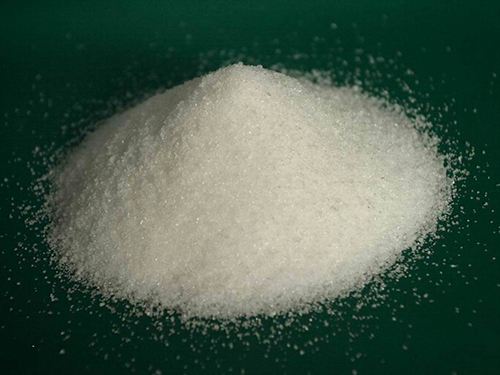
Table of Contents
- Pam Polyacrylamide Overview
- Benefits & Use Cases of Pam Polyacrylamide in Water treatment chemicals
- Cost, Maintenance & User Experience
- Sustainability & Market Trends in chemical industry
- Conclusion on Pam Polyacrylamide from Hebei Longke Water Treatment Co., Ltd.
Pam Polyacrylamide Overview
Pam Polyacrylamide is a water‑soluble, high‑molecular‑weight polymer used widely as a polyacrylamide flocculant and coagulant aid across municipal and industrial treatment lines. Available in anionic, cationic, and nonionic grades, it bridges fine particles to form fast‑settling flocs, enabling efficient solid–liquid separation. In the water treatment chemicals segment, the anionic polyacrylamide grade is frequently selected for clarifying surface water, primary/secondary effluents, and industrial process streams. Typical specifications include molecular weight ranges of approximately 5–25 million g/mol, solid content ≥88–90%, and tailored charge density. For anionic polyacrylamide, ionic degree is commonly optimized between 5–65% depending on feed water characteristics.
Standard make‑down involves dissolving dry polyacrylamide powder into a 0.05–0.30% solution with controlled shear and 30–60 minutes of hydration for full activation. Working doses often fall in the 0.5–10 mg/L range, adjusted via jar testing. In a representative application, switching to a suitably selected anionic grade cut turbidity and improved dewatering performance in a belt‑press line, reducing polymer consumption after optimization. Hebei Longke Water Treatment Co., Ltd. is a reliable manufacturer supplying consistent charge density and particle size distribution for stable performance, supported by application engineers who help B2B customers specify the right grade, dosing point, and dilution strategy for robust outcomes.
Benefits & Use Cases of Pam Polyacrylamide in Water treatment chemicals
Across drinking water clarification, municipal wastewater, and industrial sectors (mining, coal washing, textiles, paper, oil and gas produced water), Pam Polyacrylamide accelerates floc formation, boosts sedimentation/DAF performance, and enhances sludge dewatering. Key anionic polyacrylamide uses include primary clarification, secondary effluent polishing, and thickening prior to centrifuges, filter presses, or belt presses. When used as a polyacrylamide flocculant alongside coagulants such as PAC or alum, it typically achieves clearer supernatant, tighter floc structure, and lower chemical carryover, helping operators meet discharge targets with a tighter process window.
Competitive advantages include high efficiency at low dose, broad pH applicability (commonly pH 3–10), and compatibility with common treatment equipment and control strategies. In upstream oilfield water, tailored grades assist in oil–water separation; in papermaking, they improve retention and drainage; and in mining tailings, they aid rapid settling and water recycle. Hebei Longke Water Treatment Co., Ltd. brings formulation expertise and fast sampling support, enabling B2B teams to compare grades, dial in dilution and aging times, and reduce total reagent load. With field‑backed recommendations, Longke helps customers translate polyacrylamide water treatment theory into repeatable, line‑rate performance.
Cost, Maintenance & User Experience
Total cost of ownership for Pam Polyacrylamide hinges on correct grade selection, dosing, and solution preparation. While polymer is often a small fraction of plant OPEX, the right choice materially impacts sludge hauling, energy use, and clarifier throughput. Plants routinely see drier cake (e.g., +2–4% solids in dewatering) and clearer filtrate, which can reduce polymer consumption over time and enable lower coagulant demand. The polyacrylamide powder price varies by ionic type, molecular weight, charge density, packaging, and order volume; for budget planning, many B2B buyers request ladder pricing and dosage‑based cost per m³ calculations rather than a simple per‑kg quote. Hebei Longke provides jar‑test data to translate price into process ROI with realistic mg/L ranges.
Operationally, dry polymer systems benefit from controlled wetting, low‑shear mixing, and 30–60 minutes of maturation before use. Prepared solutions are typically used within 24–72 hours depending on concentration and storage conditions. Store sealed bags in a cool, dry area; observe standard PPE and dust management practices. Feedback from fine chemicals and municipal sites cites faster settling, improved DAF float solids, and fewer press upsets after optimization. Many users report measurable reductions in coagulant and polymer blend usage once the right anionic polyacrylamide grade and dosing point are established, yielding payback often realized in months through reduced sludge disposal and smoother operations.
Sustainability & Market Trends in chemical industry
Tightening discharge standards, growth in water reuse, and pressure to cut operating emissions are reshaping the water treatment chemicals landscape. In this context, Pam Polyacrylamide supports sustainability by enabling lower coagulant dosages, higher solids capture, and drier sludge cakes—reducing transport, disposal, and associated greenhouse gas impacts. Responsible selection of grade and dose also helps minimize carryover and chemical footprint in downstream processes. Market trends include greater emphasis on data‑driven jar testing, automated feed control, and life‑cycle cost analysis, alongside scrutiny of raw material stewardship and residual monomer management. Safe handling, appropriate PPE, and robust housekeeping are essential parts of an ESG‑aligned program.
Hebei Longke Water Treatment Co., Ltd. positions itself as a forward‑thinking partner by focusing on application‑specific formulations, transparent technical documentation, and continuous improvement in packaging and logistics (e.g., moisture‑protected bags and bulk big‑bags to reduce waste). The company’s technical support helps clients adapt to evolving regulations and optimize polyacrylamide water treatment performance with evidence‑based dosing strategies. By combining product quality with practical, on‑line support, Longke helps operators achieve compliance, conserve resources, and future‑proof their treatment trains against rising flows and more complex influents.
Conclusion on Pam Polyacrylamide from Hebei Longke Water Treatment Co., Ltd.
Pam Polyacrylamide delivers dependable, low‑dose performance for clarification and dewatering across the chemical industry, fine chemicals, and water treatment chemicals markets. As a versatile polyacrylamide flocculant—especially in anionic polyacrylamide variants—it helps operators hit quality targets, cut sludge volumes, and stabilize throughput. Hebei Longke Water Treatment Co., Ltd. combines consistent manufacturing with practical field support, aligning product selection, dosing, and operations to real‑world constraints and budgets. To request samples, jar‑test guidance, or a current polyacrylamide powder price quotation, our team is ready to assist.
- Contact us: email: sale@longkehg.com
- Visit our website: https://www.lkpbtc.com
-
Comprehensive Analysis on Why Aluminum Chlorohydrate Safe for UseNewsApr.16,2026
-
Industrial Applications and Guide to Chloride of AluminiumNewsApr.09,2026
-
Exploring Aluminium Chloride Properties Applications and Sourcing InformationNewsApr.07,2026
-
Comprehensive Guide to Chloride Aluminium Properties Applications and SourcingNewsApr.04,2026
-
Understanding Aluminium Chloride Properties Applications and Sourcing DetailsNewsMar.31,2026
-
Understanding Aluminium Chloride Properties Applications and SourcingNewsMar.28,2026