
PAM Polyacrylamide: High-Efficiency Flocculant, Low Dosage
Pam Polyacrylamide is a key solution in the chemical industry industry, specifically within fine chemicals and Water treatment chemicals. This article explores how Hebei Longke Water Treatment Co., Ltd. supports professionals with durable, high-performance products, and explains why this product is an ideal choice for businesses in these sectors.
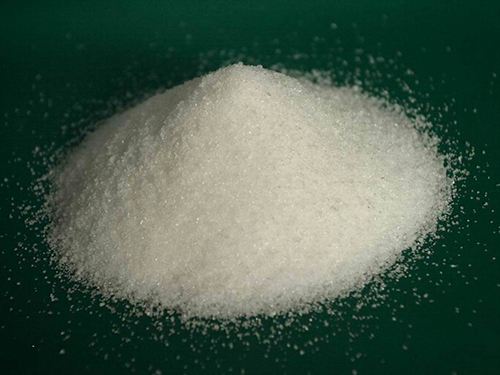
Table of Contents
- Pam Polyacrylamide Overview
- Benefits & Use Cases of Pam Polyacrylamide in Water treatment chemicals
- Cost, Maintenance & User Experience
- Sustainability & Market Trends in chemical industry
- Conclusion on Pam Polyacrylamide from Hebei Longke Water Treatment Co., Ltd.
Pam Polyacrylamide Overview
Pam Polyacrylamide (PAM) is a high–molecular weight, water‑soluble polymer widely used as a polyacrylamide flocculant and coagulant aid across municipal and industrial water cycles. In the chemical industry’s fine chemicals segment, PAM enhances solid–liquid separation, boosts clarifier throughput, and improves sludge dewatering efficiency. Available as anionic, cationic, and nonionic grades, PAM’s performance depends on molecular weight and charge density, which are selected to match water matrices and unit operations. Typical specifications include high molecular weight chains designed for particle bridging, free‑flowing white granular or powder forms, and rapid dissolution for make‑down systems.
For polyacrylamide water treatment, anionic polyacrylamide is frequently applied in raw water clarification, tailings settling, and DAF systems; cationic grades dominate in sludge conditioning and dewatering. A recent project snapshot: a textile effluent plant adopted an anionic grade to stabilize color removal and reduce carryover to secondary treatment, enabling steadier compliance with TSS targets. As a reliable manufacturer, Hebei Longke Water Treatment Co., Ltd. provides consistent quality, technical selection support, and application guidance—helping B2B decision makers deploy the right PAM grade with confidence.
Benefits & Use Cases of Pam Polyacrylamide in Water treatment chemicals
In water treatment chemicals, Pam Polyacrylamide delivers fast floc formation, strong shear resistance, and efficient settling—key for potable water pretreatment, industrial wastewater clarification, and thickening/dewatering. Common use cases include raw water clarification with metal salt coagulants, DAF float enhancement in food and beverage plants, primary clarifier performance in refineries and chemicals manufacturing, and centrifuge/filter-press dewatering for municipal or industrial sludges. Anionic polyacrylamide uses extend to mining and mineral processing for tailings consolidation and process water recovery, where lower turbidity and higher thickener underflow solids translate into measurable operational gains.
Competitive advantages of Longke’s portfolio include tailored charge density and molecular weight selection to minimize dosage, broad pH compatibility, and excellent performance as a polyacrylamide flocculant alongside aluminum- or iron-based coagulants. Hebei Longke Water Treatment Co., Ltd. supports jar testing, on-site commissioning, and operator training—accelerating grade selection and startup. For sites standardizing across multiple plants, Longke offers consistent supply, clear documentation, and responsive service, helping teams lock in process stability while reducing overall chemical consumption and handling complexity.
Cost, Maintenance & User Experience
For B2B buyers, total cost of ownership matters more than the headline polyacrylamide powder price. PAM’s high activity often reduces required dosages versus alternative chemistries, trimming OPEX in coagulants, sludge hauling, and energy. Because correct grade selection improves capture and cake solids, many plants experience shorter dewatering cycles and fewer equipment interventions, translating into better uptime. Longke’s make‑down guidance—covering wetting, aging time, and solution strength (commonly 0.05–0.3%)—helps operators maintain polymer efficiency and avoid gel formation or fisheyes that can raise consumption.
Users in fine chemicals report smoother clarifier operation and more stable effluent quality after switching to optimized PAM programs, alongside simplified inventory thanks to standardized grades. Durable packaging, long shelf life when stored dry, and clean dissolution minimize maintenance burden. Longke supports data-driven optimization—tracking turbidity, solids capture, and dewatering KPIs—so plants can quantify ROI beyond reagent cost alone. When evaluating suppliers, consider not only polyacrylamide powder price but also application expertise, delivery reliability, and technical service, which determine long-term value.
Sustainability & Market Trends in chemical industry
Tighter discharge permits, resource efficiency goals, and water reuse targets are reshaping the chemical industry. PAM helps operators meet TSS and color limits, reduce coagulant demand, and cut sludge volumes—supporting decarbonization through lower transport and disposal impacts. Market trends include greater transparency on residual monomer content, preference for high‑efficacy grades that enable dose reduction, and digital monitoring to optimize polymer feed in real time. In potable and sensitive applications, buyers increasingly seek products that meet stringent regulatory frameworks and quality thresholds.
Hebei Longke Water Treatment Co., Ltd. positions sustainability at the core of its offering: product stewardship, formulation refinement for high activity at lower dosage, and end‑to‑end technical support that minimizes waste. By aligning with evolving standards and providing documentation to support compliance, Longke enables customers to future‑proof operations. Whether your priority is tightening effluent control, advancing circular water strategies, or improving ESG metrics, the right Pam Polyacrylamide program can be a practical, immediate lever for progress.
Conclusion on Pam Polyacrylamide from Hebei Longke Water Treatment Co., Ltd.
Pam Polyacrylamide stands out in the fine chemicals segment of water treatment chemicals for its efficiency, flexibility across processes, and proven performance as a polyacrylamide flocculant. From anionic polyacrylamide in clarification to cationic grades for dewatering, PAM helps plants stabilize operations and lower lifecycle costs. Hebei Longke Water Treatment Co., Ltd. backs this with dependable manufacturing and hands‑on application support. Ready to improve your program and evaluate the right grade at the right dose? Contact us: email: sale@longkehg.com. Visit our website: https://www.lkpbtc.com
-
Comprehensive Analysis on Why Aluminum Chlorohydrate Safe for UseNewsApr.16,2026
-
Industrial Applications and Guide to Chloride of AluminiumNewsApr.09,2026
-
Exploring Aluminium Chloride Properties Applications and Sourcing InformationNewsApr.07,2026
-
Comprehensive Guide to Chloride Aluminium Properties Applications and SourcingNewsApr.04,2026
-
Understanding Aluminium Chloride Properties Applications and Sourcing DetailsNewsMar.31,2026
-
Understanding Aluminium Chloride Properties Applications and SourcingNewsMar.28,2026