
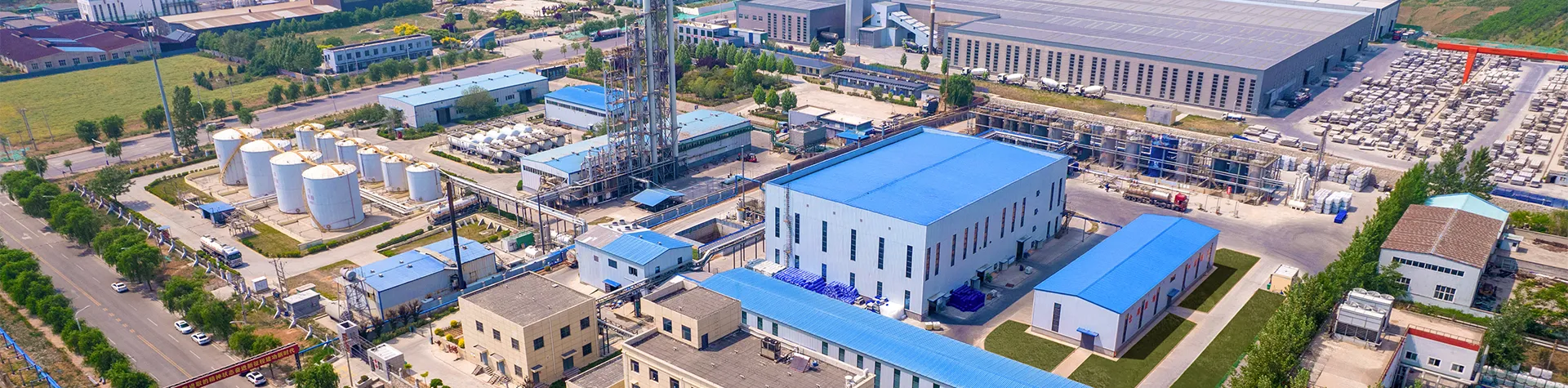
PAPE: High-Efficiency Polyhydric Alcohol Phosphate Ester
Introduction to Polyhydric Alcohol Phosphate Ester (PAPE)
In the realm of advanced chemical solutions for industrial water treatment and corrosion inhibition, Polyhydric Alcohol Phosphate Ester(PAPE) stands out as a critical component. This innovative compound is specifically engineered to address complex challenges in various industrial systems, offering superior performance in scale inhibition, corrosion control, and dispersion. As industries increasingly demand environmentally responsible and highly effective solutions, PAPE has emerged as a preferred choice due to its multifaceted benefits and adaptability.
Polyhydric Alcohol Phosphate Ester(PAPE) is a synthetic organic compound characterized by its unique molecular structure, which combines the complexing abilities of phosphate esters with the multi-functional hydroxyl groups of polyhydric alcohols. This synergy results in a molecule with exceptional chelating properties and strong surface affinity, making it highly effective in preventing scale formation and mitigating metal corrosion in demanding environments. Its chemical stability and excellent water solubility further enhance its utility across a wide range of pH and temperature conditions, ensuring robust performance in critical industrial applications.
The demand for high-performance chemical additives is driven by the need to optimize operational efficiency, extend equipment lifespan, and comply with stringent environmental regulations. PAPE directly contributes to these objectives by providing a sustainable and powerful solution that minimizes downtime, reduces maintenance costs, and enhances the overall reliability of industrial infrastructure. This article will delve into the technical intricacies, application benefits, and market positioning of this essential chemical, offering B2B decision-makers and engineers a comprehensive understanding of its value proposition.
Manufacturing Process Flow of Polyhydric Alcohol Phosphate Ester (PAPE)
The production of Polyhydric Alcohol Phosphate Ester(PAPE) involves a meticulously controlled chemical synthesis process to ensure high purity, consistent quality, and optimal performance characteristics. This multi-step process leverages advanced reaction engineering to achieve the desired molecular structure and functional properties.
Key Materials and Preparation:
- Polyhydric Alcohol: Typically, a polyol such as sorbitol, glycerol, or pentaerythritol is selected based on the desired molecular weight and number of reactive hydroxyl groups. These are sourced from reputable suppliers and undergo purity checks.
- Phosphorylating Agent: Phosphoric acid, phosphorus pentoxide (P2O5), or polyphosphoric acid (PPA) are common choices. The selection depends on the specific esterification method and the desired degree of phosphorylation.
- Catalysts: Acidic catalysts (e.g., sulfuric acid, p-toluenesulfonic acid) or basic catalysts may be employed to facilitate the esterification reaction, improving reaction kinetics and yield.
- Solvents: Appropriate reaction solvents are chosen to ensure homogeneity and manage exothermic reactions, though some processes can be solvent-free.
Manufacturing Process Steps (Schematic Representation):
Step 1: Raw Material Preparation & Metering
Accurate weighing and transfer of polyhydric alcohol, phosphorylating agent, and catalyst to the reactor.
Step 2: Esterification Reaction
Heating the mixture under controlled temperature (e.g., 80-150°C) and pressure, often with stirring, to allow the hydroxyl groups of the polyol to react with the phosphorylating agent, forming ester linkages. Water is typically a byproduct.
Step 3: Neutralization
Neutralizing any residual unreacted phosphoric acid or catalysts using an alkaline solution (e.g., sodium hydroxide) to achieve the desired pH range for the final product.
Step 4: Filtration & Purification
Filtering the product to remove any insoluble impurities, followed by purification steps like deionization or washing, if required, to enhance product quality.
Step 5: Quality Control & Packaging
Comprehensive testing against ISO, ASTM, or internal standards. Packaging into suitable container111s for storage and shipment.
Testing Standards and Quality Assurance:
Throughout the manufacturing process, strict quality control measures are implemented. Products are routinely tested against international standards such as ISO 9001 for quality management systems and specific ASTM or NACE standards relevant to corrosion and scale inhibition. Key parameters include pH, active content, specific gravity, phosphorus content, and stability. Advanced analytical techniques like Nuclear Magnetic Resonance (NMR) and Fourier-transform infrared spectroscopy (FTIR) are used to confirm the molecular structure and purity of the resulting Polyhydric Alcohol Phosphate Ester(PAPE).
Service Life and Target Industries:
When properly formulated and applied, PAPE-based treatments can significantly extend the service life of industrial equipment, often by several years, by effectively preventing corrosion and scale buildup. Target industries include:
- Petrochemical: Cooling water systems, heat exchangers, refining units.
- Metallurgy: Steel mills, casting operations, pickling lines.
- Power Generation: Boiler feed water, cooling towers, condensate systems.
- Water Supply & Drainage: Municipal water treatment, industrial wastewater, desalination plants.
- Chemical Manufacturing: Reactor cooling, process water circuits.
Advantages in these scenarios include significant energy saving due to reduced fouling, enhanced corrosion resistance extending asset life, and improved system efficiency.
Industry Trends and Market Dynamics
The industrial water treatment sector is undergoing significant transformation, driven by a confluence of environmental regulations, resource scarcity, and technological advancements. Key trends impacting the demand for advanced chemical solutions like Polyhydric Alcohol Phosphate Ester(PAPE) include:
- Emphasis on Sustainability: Increasing pressure to reduce chemical discharge and utilize "green" chemistries. PAPE's excellent biodegradability profile and low toxicity, compared to traditional phosphate inhibitors, align with these goals. The global market for sustainable water treatment is projected to grow at a CAGR of 6.5% from 2022 to 2027, reaching over $50 billion by 2027 (Source: Grand View Research).
- Water Scarcity and Reuse: Industries are increasingly forced to reuse water, leading to higher cycles of concentration and more challenging water chemistry. This necessitates robust scale and corrosion inhibitors that perform effectively under high salinity and temperature conditions.
- Digitalization and Smart Water Management: Integration of sensors, IoT, and AI for real-time monitoring and optimized chemical dosing. PAPE's stable performance allows for more precise and efficient chemical management within these smart systems.
- Demand for Multi-functional Additives: Preference for single products that offer comprehensive solutions for scale, corrosion, and biological control, simplifying treatment regimes. PAPE's inherent multi-functionality as an effective scale inhibitor and corrosion inhibitor positions it strongly.
- Aging Infrastructure: The need to protect existing industrial assets from deterioration due to corrosion and scaling, extending their operational life and reducing capital expenditure on replacements.
These trends collectively underscore the increasing market demand for sophisticated and efficient water treatment chemicals. Polyhydric Alcohol Phosphate Ester(PAPE), with its superior performance in diverse industrial environments, is well-positioned to meet these evolving requirements, offering both economic and environmental advantages to end-users.
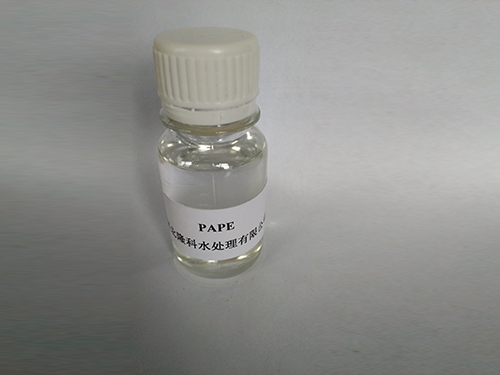
Figure 1: Industrial application of Polyhydric Alcohol Phosphate Ester (PAPE) in a cooling tower system.
Technical Specifications and Parameters
The efficacy of Polyhydric Alcohol Phosphate Ester(PAPE) is defined by its precise chemical composition and physical properties. Understanding these specifications is crucial for engineers to correctly formulate and apply PAPE in various industrial water systems.
Typical Product Specifications:
These parameters highlight PAPE's stability and effectiveness across a broad range of industrial conditions. Its high active content ensures potency, while its acidic pH helps in controlling alkalinity and scale formation.
Application Scenarios and Technical Advantages
The versatile properties of Polyhydric Alcohol Phosphate Ester(PAPE) make it ideal for a multitude of demanding industrial applications, particularly in water treatment where scale and corrosion are persistent challenges.
Typical Application Scenarios:
- Cooling Water Systems: Used in open-recirculating and closed-loop cooling systems (e.g., cooling towers, chillers) to inhibit calcium carbonate, calcium phosphate, and iron oxide scale formation, and to provide effective corrosion control for carbon steel, copper, and aluminum alloys.
- Boiler Water Treatment: Prevents scale formation in boilers operating at various pressures by sequestering hardness ions and acting as an effective sludge conditioner.
- Oilfield Operations: Employed as a scale inhibitor in oil and gas production, particularly in formations with high mineral content, to prevent blockages in pipelines and downhole equipment.
- Desalination Plants: Crucial for preventing scale formation in reverse osmosis (RO) membranes and multi-stage flash (MSF) evaporators, enhancing efficiency and extending membrane life.
- Industrial Cleaning and Metal Working: Functions as a dispersant and complexing agent in industrial detergents and as a component in metal surface treatment formulations.
Technical Advantages:
- Superior Scale Inhibition: PAPE exhibits a strong ability to chelate metal ions (Ca²⁺, Mg²⁺, Fe³⁺), preventing their precipitation and subsequent formation of mineral scales even at high concentrations and elevated temperatures. Its threshold inhibition effect is particularly notable, meaning it can prevent scale formation at sub-stoichiometric concentrations.
- Excellent Corrosion Resistance: Forms a protective film on metal surfaces, acting as an anodic and cathodic inhibitor, thereby reducing the rate of general and localized corrosion. It is particularly effective in systems prone to localized pitting corrosion.
- High Thermal Stability: Unlike some conventional phosphonates, PAPE maintains its efficacy at elevated temperatures, making it suitable for high-heat process water systems and boilers without significant degradation.
- Good pH Stability: Effective across a broad pH range (typically 6.0-9.5 in application), providing flexibility in water treatment programs.
- Synergistic Effects: Can be effectively combined with other water treatment chemicals (e.g., polycarboxylates, biocides) to achieve synergistic improvements in overall system protection without adverse interactions.
- Low Environmental Impact: Many PAPE formulations are designed for lower phosphorus discharge and improved biodegradability, aligning with modern environmental regulations (e.g., REACH, specific regional guidelines) and reducing the risk of eutrophication compared to orthophosphate-based treatments.
- Energy Saving: By preventing scale buildup, PAPE maintains heat transfer efficiency in heat exchangers and cooling systems, directly translating to reduced energy consumption and operational costs. For instance, a 1mm layer of calcium carbonate scale can reduce heat transfer efficiency by 10-15%, making PAPE a crucial energy-saving agent.
Vendor Comparison and Customized Solutions
Choosing the right supplier for Polyhydric Alcohol Phosphate Ester(PAPE) is paramount for ensuring consistent product quality, reliable supply, and expert technical support. While several manufacturers offer PAPE, distinctions in purity, formulation, and service capabilities can significantly impact application success.
Key Differentiators in Vendor Selection:
Customized Solutions for Optimal Performance:
Recognizing that every industrial water system presents unique challenges, leading PAPE manufacturers offer tailored solutions. Customization can involve:
- Specific Molecular Weight Tuning: Adjusting the polymerization degree of the polyhydric alcohol component or the extent of phosphorylation to optimize PAPE's performance for specific water chemistry (e.g., high hardness, high silica).
- Blended Formulations: Combining Polyhydric Alcohol Phosphate Ester(PAPE) with other complementary inhibitors (e.g., phosphonates, polymers, azoles) to create multi-functional products that address multiple issues simultaneously (e.g., combined scale, corrosion, and biological control).
- pH Neutralization/Adjustment: Offering PAPE in pre-neutralized forms or with specific pH ranges to integrate seamlessly into existing treatment programs without requiring extensive pH adjustments on-site.
- Concentration Variants: Providing PAPE in various active concentrations to meet different logistical needs or dosing requirements, from highly concentrated forms for bulk transport to diluted solutions for direct injection.
- Application-Specific Testing: Conducting rigorous lab and pilot plant testing using customer-specific water samples to validate the customized PAPE formulation's efficacy under actual operating conditions before full-scale deployment.
A focus on customized solutions ensures that industrial clients receive a PAPE product precisely engineered for their unique operational parameters, maximizing return on investment and ensuring long-term system integrity. Our company's decades of experience in specialty chemicals and adherence to ISO 9001 and ISO 14001 standards underscore our commitment to delivering superior, tailored PAPE solutions.
Application Case Studies
Real-world applications demonstrate the tangible benefits of Polyhydric Alcohol Phosphate Ester(PAPE) in mitigating industrial water treatment challenges.
Case Study 1: Refinery Cooling Water System Optimization
Client:
A major petrochemical refinery in the Middle East operating a large open-recirculating cooling water system with high cycles of concentration and challenging water chemistry (high hardness, silica, and fluctuating pH).
Challenge:
Frequent fouling of heat exchangers due to calcium carbonate and calcium phosphate scale, leading to reduced heat transfer efficiency, increased energy consumption, and periodic shutdowns for acid cleaning. Existing phosphonate-based treatment struggled at elevated temperatures and high cycle rates.
Solution:
Implemented a custom blend incorporating Polyhydric Alcohol Phosphate Ester(PAPE) as the primary scale and corrosion inhibitor. The PAPE formulation was optimized for high thermal stability and enhanced dispersancy.
Results:
- Scale Reduction: A 70% reduction in calcium carbonate and calcium phosphate scale deposition was observed on heat exchanger surfaces within six months.
- Energy Savings: Improved heat transfer efficiency led to a documented 8% reduction in overall cooling system energy consumption.
- Extended Run Times: The interval between chemical cleanings was extended from 6 months to over 18 months, significantly reducing operational downtime and maintenance costs.
- Corrosion Control: Corrosion rates for carbon steel dropped below 2 MPY (mils per year), meeting NACE standards for cooling water systems.
Client Feedback: "The PAPE-based solution has revolutionized our cooling water management. We've seen significant improvements in system reliability and considerable cost savings, allowing us to focus on core refining operations."
Case Study 2: Municipal Wastewater Treatment Plant
Client:
A large municipal wastewater treatment plant experiencing severe scaling in their dewatering equipment (centrifuges and filter presses) due to phosphate precipitation (struvite and brushite).
Challenge:
Frequent mechanical failures and reduced efficiency of dewatering equipment due to hard scale buildup. This necessitated intensive manual cleaning and increased chemical consumption for descaling, impacting operational costs and sludge disposal efficiency.
Solution:
Introduced a specialized formulation of Polyhydric Alcohol Phosphate Ester(PAPE) into the sludge conditioning stage, specifically designed to inhibit struvite and brushite formation through crystal modification and dispersion.
Results:
- Scale Elimination: Virtually eliminated struvite and brushite scale formation in centrifuges and associated piping, leading to continuous operation.
- Maintenance Cost Reduction: Annual maintenance costs associated with descaling and equipment repair decreased by 40%.
- Improved Efficiency: Dewatering equipment operated at peak efficiency, improving sludge dryness and reducing overall sludge volume for disposal.
Client Feedback: "PAPE provided a long-awaited solution to our persistent struvite problem. It's robust, easy to integrate, and delivers consistent results, drastically improving our dewatering process."
Trustworthiness: FAQ, Lead Time, Warranty & Support
Frequently Asked Questions (FAQ)
Q: What is the primary function of Polyhydric Alcohol Phosphate Ester(PAPE)?
A: PAPE primarily acts as a highly effective scale inhibitor and corrosion inhibitor in various industrial water systems, preventing mineral deposition and protecting metal surfaces.
Q: Is PAPE environmentally friendly?
A: Compared to traditional phosphate-based inhibitors, PAPE formulations are often designed for improved biodegradability and lower phosphorus discharge, aligning with modern environmental regulations. Specific environmental profiles depend on the exact PAPE variant and application context.
Q: What industries benefit most from PAPE?
A: Industries such as petrochemical, power generation, metallurgy, water supply & drainage, oil & gas, and chemical manufacturing frequently utilize PAPE for their water treatment needs.
Q: Can PAPE be used with other water treatment chemicals?
A: Yes, PAPE exhibits excellent compatibility and often synergizes with other common water treatment chemicals, including dispersants, biocides, and other corrosion inhibitors, allowing for comprehensive treatment programs.
Lead Time and Fulfillment
We maintain robust inventory levels and an efficient supply chain to ensure timely delivery of our Polyhydric Alcohol Phosphate Ester(PAPE) products.
- Standard Orders: Typically, lead times for standard PAPE formulations range from 5-10 business days, depending on order volume and destination.
- Customized Solutions: For bespoke PAPE formulations, lead times will be quoted individually, factoring in R&D, pilot testing, and production scheduling, usually ranging from 3-6 weeks after design finalization.
- Expedited Shipping: Expedited shipping options are available upon request for urgent requirements. Please contact our sales team for details.
Warranty Commitments
All our Polyhydric Alcohol Phosphate Ester(PAPE) products are manufactured under stringent quality control protocols and are backed by a comprehensive warranty.
- Product Specification Adherence: We warrant that our PAPE products will meet the technical specifications provided in our official data sheets and certificates of analysis for a period of 12 months from the date of shipment, provided they are stored and handled according to our recommendations.
- Performance Guarantee: In specific cases where a customized PAPE solution is developed for a particular application and its performance validated through joint trials, a performance guarantee may be offered, subject to agreed-upon operational parameters and monitoring protocols.
- Quality Certifications: Our manufacturing facilities are ISO 9001:2015 certified, ensuring consistent quality management and product reliability.
Customer Support Information
Our dedicated team of technical experts and customer service professionals is committed to providing unparalleled support at every stage, from initial inquiry to post-application monitoring.
- Technical Assistance: Our chemical engineers and application specialists are available for consultation, troubleshooting, and dosage optimization. We offer on-site visits, remote diagnostics, and detailed technical reports to ensure optimal PAPE performance.
- Sales & Order Support: For product inquiries, quotes, or order placement, please contact our sales department via phone or email during business hours.
- Emergency Support: An emergency contact line is available for critical issues outside of regular business hours.
- Documentation: Safety Data Sheets (SDS), Technical Data Sheets (TDS), and Certificates of Analysis (CoA) are readily available for all PAPE products.
We pride ourselves on responsive and knowledgeable customer support, integral to building lasting partnerships with our B2B clients.
Conclusion
As industrial processes continue to evolve, demanding higher efficiency and greater environmental responsibility, the role of advanced chemical solutions like Polyhydric Alcohol Phosphate Ester(PAPE) becomes increasingly vital. Its superior performance in scale inhibition, corrosion control, and thermal stability provides significant operational advantages, contributing to energy savings, extended equipment life, and reduced maintenance costs. By understanding its intricate manufacturing process, robust technical specifications, and diverse application capabilities, B2B stakeholders can confidently integrate PAPE into their water treatment strategies to achieve sustainable and economically beneficial outcomes.
The commitment to quality, backed by rigorous testing and comprehensive customer support, ensures that PAPE remains a cornerstone technology for critical industrial applications worldwide.
Citations
- Sharma, V. K., & Sharma, A. (2018). Chemical principles of water treatment. In Water Purification. Springer.
- Nalco Water Handbook. (2009). McGraw-Hill Professional.
- Grand View Research. (2022). Sustainable Water Treatment Market Size, Share & Trends Analysis Report.
- Bansal, R. C., & Goyal, M. (2005). Activated carbon adsorption. CRC Press.
- International Organization for Standardization (ISO) official publications.
-
Comprehensive Analysis on Why Aluminum Chlorohydrate Safe for UseNewsApr.16,2026
-
Industrial Applications and Guide to Chloride of AluminiumNewsApr.09,2026
-
Exploring Aluminium Chloride Properties Applications and Sourcing InformationNewsApr.07,2026
-
Comprehensive Guide to Chloride Aluminium Properties Applications and SourcingNewsApr.04,2026
-
Understanding Aluminium Chloride Properties Applications and Sourcing DetailsNewsMar.31,2026
-
Understanding Aluminium Chloride Properties Applications and SourcingNewsMar.28,2026
PAPE: High-Efficiency Polyhydric Alcohol Phosphate Ester
Introduction to Polyhydric Alcohol Phosphate Ester (PAPE)
In the realm of advanced chemical solutions for industrial water treatment and corrosion inhibition, Polyhydric Alcohol Phosphate Ester(PAPE) stands out as a critical component. This innovative compound is specifically engineered to address complex challenges in various industrial systems, offering superior performance in scale inhibition, corrosion control, and dispersion. As industries increasingly demand environmentally responsible and highly effective solutions, PAPE has emerged as a preferred choice due to its multifaceted benefits and adaptability.
Polyhydric Alcohol Phosphate Ester(PAPE) is a synthetic organic compound characterized by its unique molecular structure, which combines the complexing abilities of phosphate esters with the multi-functional hydroxyl groups of polyhydric alcohols. This synergy results in a molecule with exceptional chelating properties and strong surface affinity, making it highly effective in preventing scale formation and mitigating metal corrosion in demanding environments. Its chemical stability and excellent water solubility further enhance its utility across a wide range of pH and temperature conditions, ensuring robust performance in critical industrial applications.
The demand for high-performance chemical additives is driven by the need to optimize operational efficiency, extend equipment lifespan, and comply with stringent environmental regulations. PAPE directly contributes to these objectives by providing a sustainable and powerful solution that minimizes downtime, reduces maintenance costs, and enhances the overall reliability of industrial infrastructure. This article will delve into the technical intricacies, application benefits, and market positioning of this essential chemical, offering B2B decision-makers and engineers a comprehensive understanding of its value proposition.
Manufacturing Process Flow of Polyhydric Alcohol Phosphate Ester (PAPE)
The production of Polyhydric Alcohol Phosphate Ester(PAPE) involves a meticulously controlled chemical synthesis process to ensure high purity, consistent quality, and optimal performance characteristics. This multi-step process leverages advanced reaction engineering to achieve the desired molecular structure and functional properties.
Key Materials and Preparation:
- Polyhydric Alcohol: Typically, a polyol such as sorbitol, glycerol, or pentaerythritol is selected based on the desired molecular weight and number of reactive hydroxyl groups. These are sourced from reputable suppliers and undergo purity checks.
- Phosphorylating Agent: Phosphoric acid, phosphorus pentoxide (P2O5), or polyphosphoric acid (PPA) are common choices. The selection depends on the specific esterification method and the desired degree of phosphorylation.
- Catalysts: Acidic catalysts (e.g., sulfuric acid, p-toluenesulfonic acid) or basic catalysts may be employed to facilitate the esterification reaction, improving reaction kinetics and yield.
- Solvents: Appropriate reaction solvents are chosen to ensure homogeneity and manage exothermic reactions, though some processes can be solvent-free.
Manufacturing Process Steps (Schematic Representation):
Step 1: Raw Material Preparation & Metering
Accurate weighing and transfer of polyhydric alcohol, phosphorylating agent, and catalyst to the reactor.
Step 2: Esterification Reaction
Heating the mixture under controlled temperature (e.g., 80-150°C) and pressure, often with stirring, to allow the hydroxyl groups of the polyol to react with the phosphorylating agent, forming ester linkages. Water is typically a byproduct.
Step 3: Neutralization
Neutralizing any residual unreacted phosphoric acid or catalysts using an alkaline solution (e.g., sodium hydroxide) to achieve the desired pH range for the final product.
Step 4: Filtration & Purification
Filtering the product to remove any insoluble impurities, followed by purification steps like deionization or washing, if required, to enhance product quality.
Step 5: Quality Control & Packaging
Comprehensive testing against ISO, ASTM, or internal standards. Packaging into suitable container111s for storage and shipment.
Testing Standards and Quality Assurance:
Throughout the manufacturing process, strict quality control measures are implemented. Products are routinely tested against international standards such as ISO 9001 for quality management systems and specific ASTM or NACE standards relevant to corrosion and scale inhibition. Key parameters include pH, active content, specific gravity, phosphorus content, and stability. Advanced analytical techniques like Nuclear Magnetic Resonance (NMR) and Fourier-transform infrared spectroscopy (FTIR) are used to confirm the molecular structure and purity of the resulting Polyhydric Alcohol Phosphate Ester(PAPE).
Service Life and Target Industries:
When properly formulated and applied, PAPE-based treatments can significantly extend the service life of industrial equipment, often by several years, by effectively preventing corrosion and scale buildup. Target industries include:
- Petrochemical: Cooling water systems, heat exchangers, refining units.
- Metallurgy: Steel mills, casting operations, pickling lines.
- Power Generation: Boiler feed water, cooling towers, condensate systems.
- Water Supply & Drainage: Municipal water treatment, industrial wastewater, desalination plants.
- Chemical Manufacturing: Reactor cooling, process water circuits.
Advantages in these scenarios include significant energy saving due to reduced fouling, enhanced corrosion resistance extending asset life, and improved system efficiency.
Industry Trends and Market Dynamics
The industrial water treatment sector is undergoing significant transformation, driven by a confluence of environmental regulations, resource scarcity, and technological advancements. Key trends impacting the demand for advanced chemical solutions like Polyhydric Alcohol Phosphate Ester(PAPE) include:
- Emphasis on Sustainability: Increasing pressure to reduce chemical discharge and utilize "green" chemistries. PAPE's excellent biodegradability profile and low toxicity, compared to traditional phosphate inhibitors, align with these goals. The global market for sustainable water treatment is projected to grow at a CAGR of 6.5% from 2022 to 2027, reaching over $50 billion by 2027 (Source: Grand View Research).
- Water Scarcity and Reuse: Industries are increasingly forced to reuse water, leading to higher cycles of concentration and more challenging water chemistry. This necessitates robust scale and corrosion inhibitors that perform effectively under high salinity and temperature conditions.
- Digitalization and Smart Water Management: Integration of sensors, IoT, and AI for real-time monitoring and optimized chemical dosing. PAPE's stable performance allows for more precise and efficient chemical management within these smart systems.
- Demand for Multi-functional Additives: Preference for single products that offer comprehensive solutions for scale, corrosion, and biological control, simplifying treatment regimes. PAPE's inherent multi-functionality as an effective scale inhibitor and corrosion inhibitor positions it strongly.
- Aging Infrastructure: The need to protect existing industrial assets from deterioration due to corrosion and scaling, extending their operational life and reducing capital expenditure on replacements.
These trends collectively underscore the increasing market demand for sophisticated and efficient water treatment chemicals. Polyhydric Alcohol Phosphate Ester(PAPE), with its superior performance in diverse industrial environments, is well-positioned to meet these evolving requirements, offering both economic and environmental advantages to end-users.
Figure 1: Industrial application of Polyhydric Alcohol Phosphate Ester (PAPE) in a cooling tower system.
Technical Specifications and Parameters
The efficacy of Polyhydric Alcohol Phosphate Ester(PAPE) is defined by its precise chemical composition and physical properties. Understanding these specifications is crucial for engineers to correctly formulate and apply PAPE in various industrial water systems.
Typical Product Specifications:
These parameters highlight PAPE's stability and effectiveness across a broad range of industrial conditions. Its high active content ensures potency, while its acidic pH helps in controlling alkalinity and scale formation.
Application Scenarios and Technical Advantages
The versatile properties of Polyhydric Alcohol Phosphate Ester(PAPE) make it ideal for a multitude of demanding industrial applications, particularly in water treatment where scale and corrosion are persistent challenges.
Typical Application Scenarios:
- Cooling Water Systems: Used in open-recirculating and closed-loop cooling systems (e.g., cooling towers, chillers) to inhibit calcium carbonate, calcium phosphate, and iron oxide scale formation, and to provide effective corrosion control for carbon steel, copper, and aluminum alloys.
- Boiler Water Treatment: Prevents scale formation in boilers operating at various pressures by sequestering hardness ions and acting as an effective sludge conditioner.
- Oilfield Operations: Employed as a scale inhibitor in oil and gas production, particularly in formations with high mineral content, to prevent blockages in pipelines and downhole equipment.
- Desalination Plants: Crucial for preventing scale formation in reverse osmosis (RO) membranes and multi-stage flash (MSF) evaporators, enhancing efficiency and extending membrane life.
- Industrial Cleaning and Metal Working: Functions as a dispersant and complexing agent in industrial detergents and as a component in metal surface treatment formulations.
Technical Advantages:
- Superior Scale Inhibition: PAPE exhibits a strong ability to chelate metal ions (Ca²⁺, Mg²⁺, Fe³⁺), preventing their precipitation and subsequent formation of mineral scales even at high concentrations and elevated temperatures. Its threshold inhibition effect is particularly notable, meaning it can prevent scale formation at sub-stoichiometric concentrations.
- Excellent Corrosion Resistance: Forms a protective film on metal surfaces, acting as an anodic and cathodic inhibitor, thereby reducing the rate of general and localized corrosion. It is particularly effective in systems prone to localized pitting corrosion.
- High Thermal Stability: Unlike some conventional phosphonates, PAPE maintains its efficacy at elevated temperatures, making it suitable for high-heat process water systems and boilers without significant degradation.
- Good pH Stability: Effective across a broad pH range (typically 6.0-9.5 in application), providing flexibility in water treatment programs.
- Synergistic Effects: Can be effectively combined with other water treatment chemicals (e.g., polycarboxylates, biocides) to achieve synergistic improvements in overall system protection without adverse interactions.
- Low Environmental Impact: Many PAPE formulations are designed for lower phosphorus discharge and improved biodegradability, aligning with modern environmental regulations (e.g., REACH, specific regional guidelines) and reducing the risk of eutrophication compared to orthophosphate-based treatments.
- Energy Saving: By preventing scale buildup, PAPE maintains heat transfer efficiency in heat exchangers and cooling systems, directly translating to reduced energy consumption and operational costs. For instance, a 1mm layer of calcium carbonate scale can reduce heat transfer efficiency by 10-15%, making PAPE a crucial energy-saving agent.
Vendor Comparison and Customized Solutions
Choosing the right supplier for Polyhydric Alcohol Phosphate Ester(PAPE) is paramount for ensuring consistent product quality, reliable supply, and expert technical support. While several manufacturers offer PAPE, distinctions in purity, formulation, and service capabilities can significantly impact application success.
Key Differentiators in Vendor Selection:
Customized Solutions for Optimal Performance:
Recognizing that every industrial water system presents unique challenges, leading PAPE manufacturers offer tailored solutions. Customization can involve:
- Specific Molecular Weight Tuning: Adjusting the polymerization degree of the polyhydric alcohol component or the extent of phosphorylation to optimize PAPE's performance for specific water chemistry (e.g., high hardness, high silica).
- Blended Formulations: Combining Polyhydric Alcohol Phosphate Ester(PAPE) with other complementary inhibitors (e.g., phosphonates, polymers, azoles) to create multi-functional products that address multiple issues simultaneously (e.g., combined scale, corrosion, and biological control).
- pH Neutralization/Adjustment: Offering PAPE in pre-neutralized forms or with specific pH ranges to integrate seamlessly into existing treatment programs without requiring extensive pH adjustments on-site.
- Concentration Variants: Providing PAPE in various active concentrations to meet different logistical needs or dosing requirements, from highly concentrated forms for bulk transport to diluted solutions for direct injection.
- Application-Specific Testing: Conducting rigorous lab and pilot plant testing using customer-specific water samples to validate the customized PAPE formulation's efficacy under actual operating conditions before full-scale deployment.
A focus on customized solutions ensures that industrial clients receive a PAPE product precisely engineered for their unique operational parameters, maximizing return on investment and ensuring long-term system integrity. Our company's decades of experience in specialty chemicals and adherence to ISO 9001 and ISO 14001 standards underscore our commitment to delivering superior, tailored PAPE solutions.
Application Case Studies
Real-world applications demonstrate the tangible benefits of Polyhydric Alcohol Phosphate Ester(PAPE) in mitigating industrial water treatment challenges.
Case Study 1: Refinery Cooling Water System Optimization
Client:
A major petrochemical refinery in the Middle East operating a large open-recirculating cooling water system with high cycles of concentration and challenging water chemistry (high hardness, silica, and fluctuating pH).
Challenge:
Frequent fouling of heat exchangers due to calcium carbonate and calcium phosphate scale, leading to reduced heat transfer efficiency, increased energy consumption, and periodic shutdowns for acid cleaning. Existing phosphonate-based treatment struggled at elevated temperatures and high cycle rates.
Solution:
Implemented a custom blend incorporating Polyhydric Alcohol Phosphate Ester(PAPE) as the primary scale and corrosion inhibitor. The PAPE formulation was optimized for high thermal stability and enhanced dispersancy.
Results:
- Scale Reduction: A 70% reduction in calcium carbonate and calcium phosphate scale deposition was observed on heat exchanger surfaces within six months.
- Energy Savings: Improved heat transfer efficiency led to a documented 8% reduction in overall cooling system energy consumption.
- Extended Run Times: The interval between chemical cleanings was extended from 6 months to over 18 months, significantly reducing operational downtime and maintenance costs.
- Corrosion Control: Corrosion rates for carbon steel dropped below 2 MPY (mils per year), meeting NACE standards for cooling water systems.
Client Feedback: "The PAPE-based solution has revolutionized our cooling water management. We've seen significant improvements in system reliability and considerable cost savings, allowing us to focus on core refining operations."
Case Study 2: Municipal Wastewater Treatment Plant
Client:
A large municipal wastewater treatment plant experiencing severe scaling in their dewatering equipment (centrifuges and filter presses) due to phosphate precipitation (struvite and brushite).
Challenge:
Frequent mechanical failures and reduced efficiency of dewatering equipment due to hard scale buildup. This necessitated intensive manual cleaning and increased chemical consumption for descaling, impacting operational costs and sludge disposal efficiency.
Solution:
Introduced a specialized formulation of Polyhydric Alcohol Phosphate Ester(PAPE) into the sludge conditioning stage, specifically designed to inhibit struvite and brushite formation through crystal modification and dispersion.
Results:
- Scale Elimination: Virtually eliminated struvite and brushite scale formation in centrifuges and associated piping, leading to continuous operation.
- Maintenance Cost Reduction: Annual maintenance costs associated with descaling and equipment repair decreased by 40%.
- Improved Efficiency: Dewatering equipment operated at peak efficiency, improving sludge dryness and reducing overall sludge volume for disposal.
Client Feedback: "PAPE provided a long-awaited solution to our persistent struvite problem. It's robust, easy to integrate, and delivers consistent results, drastically improving our dewatering process."
Trustworthiness: FAQ, Lead Time, Warranty & Support
Frequently Asked Questions (FAQ)
Q: What is the primary function of Polyhydric Alcohol Phosphate Ester(PAPE)?
A: PAPE primarily acts as a highly effective scale inhibitor and corrosion inhibitor in various industrial water systems, preventing mineral deposition and protecting metal surfaces.
Q: Is PAPE environmentally friendly?
A: Compared to traditional phosphate-based inhibitors, PAPE formulations are often designed for improved biodegradability and lower phosphorus discharge, aligning with modern environmental regulations. Specific environmental profiles depend on the exact PAPE variant and application context.
Q: What industries benefit most from PAPE?
A: Industries such as petrochemical, power generation, metallurgy, water supply & drainage, oil & gas, and chemical manufacturing frequently utilize PAPE for their water treatment needs.
Q: Can PAPE be used with other water treatment chemicals?
A: Yes, PAPE exhibits excellent compatibility and often synergizes with other common water treatment chemicals, including dispersants, biocides, and other corrosion inhibitors, allowing for comprehensive treatment programs.
Lead Time and Fulfillment
We maintain robust inventory levels and an efficient supply chain to ensure timely delivery of our Polyhydric Alcohol Phosphate Ester(PAPE) products.
- Standard Orders: Typically, lead times for standard PAPE formulations range from 5-10 business days, depending on order volume and destination.
- Customized Solutions: For bespoke PAPE formulations, lead times will be quoted individually, factoring in R&D, pilot testing, and production scheduling, usually ranging from 3-6 weeks after design finalization.
- Expedited Shipping: Expedited shipping options are available upon request for urgent requirements. Please contact our sales team for details.
Warranty Commitments
All our Polyhydric Alcohol Phosphate Ester(PAPE) products are manufactured under stringent quality control protocols and are backed by a comprehensive warranty.
- Product Specification Adherence: We warrant that our PAPE products will meet the technical specifications provided in our official data sheets and certificates of analysis for a period of 12 months from the date of shipment, provided they are stored and handled according to our recommendations.
- Performance Guarantee: In specific cases where a customized PAPE solution is developed for a particular application and its performance validated through joint trials, a performance guarantee may be offered, subject to agreed-upon operational parameters and monitoring protocols.
- Quality Certifications: Our manufacturing facilities are ISO 9001:2015 certified, ensuring consistent quality management and product reliability.
Customer Support Information
Our dedicated team of technical experts and customer service professionals is committed to providing unparalleled support at every stage, from initial inquiry to post-application monitoring.
- Technical Assistance: Our chemical engineers and application specialists are available for consultation, troubleshooting, and dosage optimization. We offer on-site visits, remote diagnostics, and detailed technical reports to ensure optimal PAPE performance.
- Sales & Order Support: For product inquiries, quotes, or order placement, please contact our sales department via phone or email during business hours.
- Emergency Support: An emergency contact line is available for critical issues outside of regular business hours.
- Documentation: Safety Data Sheets (SDS), Technical Data Sheets (TDS), and Certificates of Analysis (CoA) are readily available for all PAPE products.
We pride ourselves on responsive and knowledgeable customer support, integral to building lasting partnerships with our B2B clients.
Conclusion
As industrial processes continue to evolve, demanding higher efficiency and greater environmental responsibility, the role of advanced chemical solutions like Polyhydric Alcohol Phosphate Ester(PAPE) becomes increasingly vital. Its superior performance in scale inhibition, corrosion control, and thermal stability provides significant operational advantages, contributing to energy savings, extended equipment life, and reduced maintenance costs. By understanding its intricate manufacturing process, robust technical specifications, and diverse application capabilities, B2B stakeholders can confidently integrate PAPE into their water treatment strategies to achieve sustainable and economically beneficial outcomes.
The commitment to quality, backed by rigorous testing and comprehensive customer support, ensures that PAPE remains a cornerstone technology for critical industrial applications worldwide.
Citations
- Sharma, V. K., & Sharma, A. (2018). Chemical principles of water treatment. In Water Purification. Springer.
- Nalco Water Handbook. (2009). McGraw-Hill Professional.
- Grand View Research. (2022). Sustainable Water Treatment Market Size, Share & Trends Analysis Report.
- Bansal, R. C., & Goyal, M. (2005). Activated carbon adsorption. CRC Press.
- International Organization for Standardization (ISO) official publications.
-
Comprehensive Analysis on Why Aluminum Chlorohydrate Safe for UseNewsApr.16,2026
-
Industrial Applications and Guide to Chloride of AluminiumNewsApr.09,2026
-
Exploring Aluminium Chloride Properties Applications and Sourcing InformationNewsApr.07,2026
-
Comprehensive Guide to Chloride Aluminium Properties Applications and SourcingNewsApr.04,2026
-
Understanding Aluminium Chloride Properties Applications and Sourcing DetailsNewsMar.31,2026
-
Understanding Aluminium Chloride Properties Applications and SourcingNewsMar.28,2026