
PAPEMP High-Efficiency Phosphonate Scale Inhibitor
Polyamino Polyether Methylene Phosphonic Acid (PAPEMP): what’s moving the market and why it matters
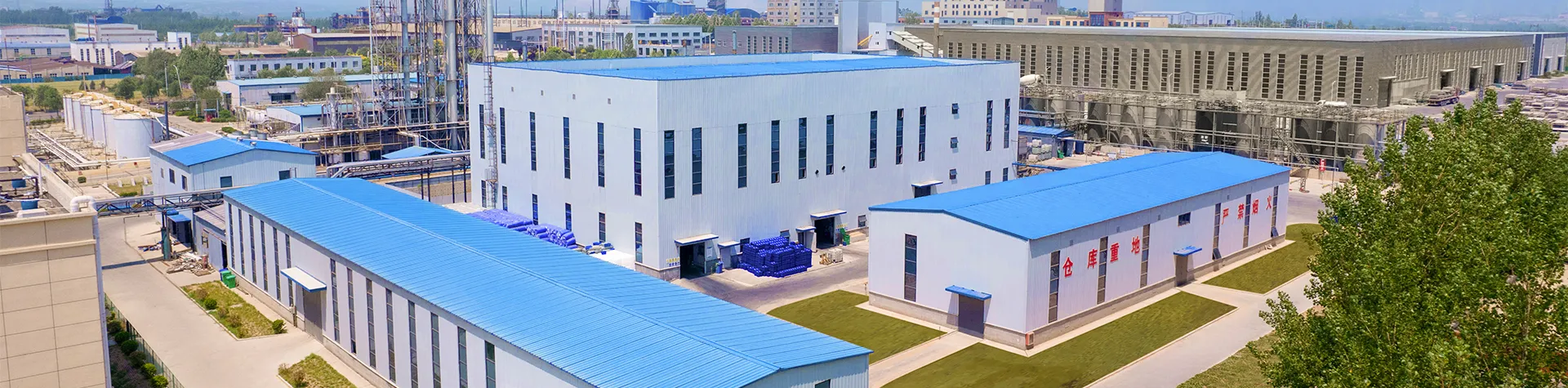
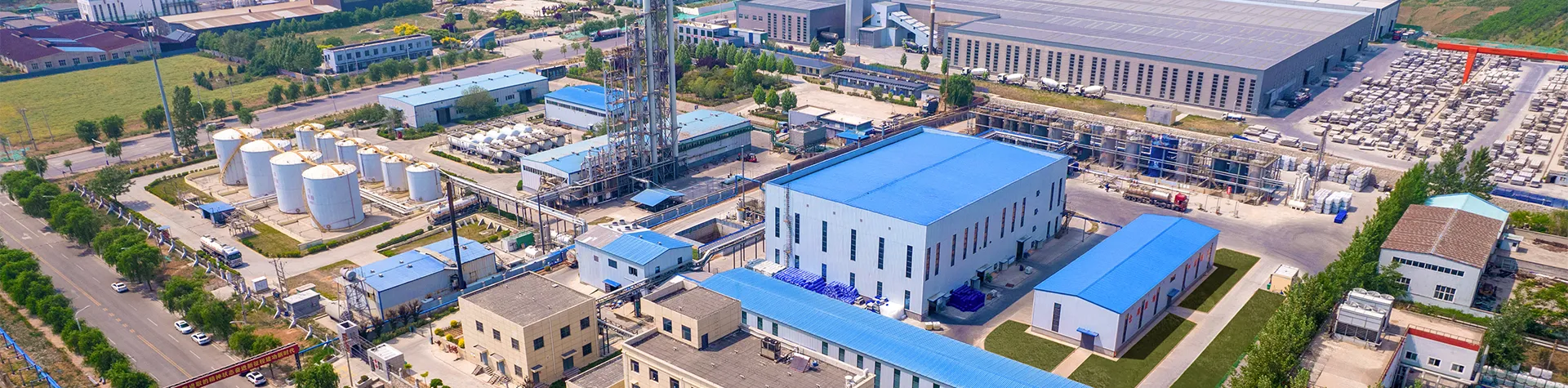
Let’s talk about Papemp—a phosphonate workhorse that, to be honest, keeps more cooling systems running than most people realize. Officially known as Polyamino Polyether Methylene Phosphonic Acid (PAPEMP), it’s a first‑generation water treatment agent with high chelating power, stubborn calcium tolerance, and surprisingly consistent scale inhibition even in harsh, high-alkalinity loops. Manufactured in Xingtai City, Hebei Province (No. 3, North of Haohua East Road, North Park, Neiqiu County Industrial Zone), the product is quietly gaining share across industrial water programs.
What’s trending
Two things, mainly. First, operators are pushing cycles higher to save water—so scale risk goes up. Second, treatment buyers want fewer SKUs and more flexible chemistry. Papemp fits both: it’s versatile (cooling, RO, geothermal, even oilfield waters) and plays well with zinc, azoles, and low-P programs. Many customers say they can trim polymer dosage when Papemp is dialed in, which, if true on your site, is a tidy cost win.
Technical snapshot
| Active content (as acid) | ≈ 40–50% (real-world batches may vary) |
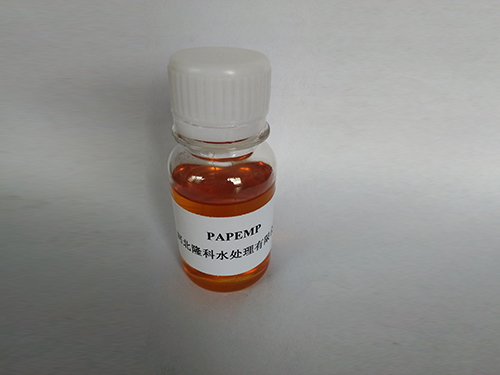
| Appearance | Clear to pale yellow liquid |
| pH (1% solution) | ≈ 2.0 ± 0.5 |
| Density (20°C) | ≈ 1.20 g/cm³ |
| Chelation value vs CaCO₃ | ≈ 400–450 mg CaCO₃ per g |
| Iron tolerance | Good up to around 2–5 mg/L Fe in typical programs |
| Storage life | 12 months sealed, 5–35°C, away from alkalies |
How it’s made (short version)
Process chemistry is a phosphonomethylation (think Mannich-type) on a polyamino‑polyether backbone using phosphorous acid and formaldehyde under controlled pH and temperature. After completion, the mixture is aged, filtered, and standardized for active content. QA methods typically include hardness titration (EDTA), Ca/Mg analysis, and active phosphonate determination per APHA/ASTM. It’s not glamorous, but it’s reliable.
Testing and compliance
- Hardness and Ca/Mg: ASTM D1126 and ASTM D511.
- Water sampling and routine lab: APHA Standard Methods (selection depends on matrix).
- Health effects for potable-related use: NSF/ANSI 60 (check lot-level certification where required).
- Factory systems: ISO 9001/14001 are commonly requested; REACH/RoHS upon region, I guess.
Application scenarios and dosage
- Open recirculating cooling: Papemp 5–30 mg/L; synergizes with low‑dose polymers.
- RO antiscalant: 2–6 mg/L depending on saturation indices; pre-screen with scaling software.
- Geothermal and oilfield injection waters: 5–20 mg/L; lab-screen against BaSO₄/CaCO₃.
- Textile/paper process water: controls Ca²⁺/Fe fouling; dosage after jar tests.
Service life in-system is “dose-and-blowdown”—so it’s about maintaining residuals rather than a single lifetime. In stable cooling loops, operators keep steady-state residuals for weeks; performance is tracked via differential pressure and heat-transfer deltas.
Advantages we keep seeing
High calcium tolerance, solid dispersion of fine precipitates, and resilience across pH 7–9 (even higher with the right companion chemistry). Feedback from plant chemists is that Papemp feels “set-and-forget” once the tower chemistry is tuned—less troubleshooting, fewer soft shutdowns.
Vendor comparison (indicative)
| Vendor | Active content | Lead time | Certs | Customization |
|---|---|---|---|---|
| Hebei manufacturer (Xingtai origin) | ≈ 45% ±2% | 7–14 days | ISO 9001/14001; NSF/ANSI 60 on request | pH, actives, inhibitor blend options |
| Regional trader | ≈ 40–45% | Stock dependent | Varies | Limited |
| Overseas brand | ≈ 45–50% | 3–6 weeks | Broad portfolio | Formulation-level |
Customization examples
For specialized loops: slightly higher actives for lower storage volume; buffered versions for easier blending; or co-formulation with acrylic/maleic polymers for tougher CaSO₄/SiO₂ regimes. Field trials first, always.
Case notes from the field
- Steel plant cooling: with Papemp at 18 mg/L, CaCO₃ deposition index dropped; tube-side ΔP improved ~22% after 6 weeks (operator logs).
- Seawater RO pretreatment: 3 mg/L reduced cleanings from monthly to quarterly; SDI stabilized below 4.5.
- Geothermal brine pilot: blend with low-MW acrylic polymer cut scale mass by ≈ 70% versus blank.
Note: Test data and performance are system-specific; verify with jar tests, dynamic tube-blocking, and site trials in line with your plant QA/QC plan.
Authoritative citations
- APHA, AWWA, WEF. Standard Methods for the Examination of Water and Wastewater, latest ed.
- ASTM D1126 – Standard Test Method for Hardness in Water.
- ASTM D511 – Standard Test Methods for Calcium and Magnesium in Water.
- NSF/ANSI 60 – Drinking Water Treatment Chemicals – Health Effects.
- The Nalco Water Handbook, 3rd Edition, McGraw‑Hill.
-
Comprehensive Analysis on Why Aluminum Chlorohydrate Safe for UseNewsApr.16,2026
-
Industrial Applications and Guide to Chloride of AluminiumNewsApr.09,2026
-
Exploring Aluminium Chloride Properties Applications and Sourcing InformationNewsApr.07,2026
-
Comprehensive Guide to Chloride Aluminium Properties Applications and SourcingNewsApr.04,2026
-
Understanding Aluminium Chloride Properties Applications and Sourcing DetailsNewsMar.31,2026
-
Understanding Aluminium Chloride Properties Applications and SourcingNewsMar.28,2026