


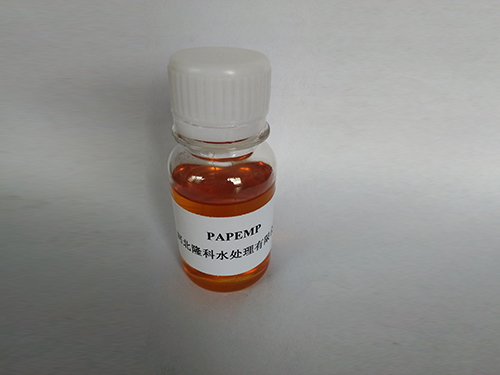
PAPEMP Phosphonate: High Ca Tolerance, Scale Control
Polyamino Polyether Methylene Phosphonic Acid (PAPEMP): field notes, specs, and where it wins
If you manage cooling water or RO pretreatment, you’ve probably heard whispers about papemp. It’s one of those quietly effective, first‑generation phosphonate dispersants that keeps stubborn calcium salts from wrecking your heat‑exchange budget. I’ve seen it specified under a few private labels, but the chemistry is consistent: strong chelation, high calcium tolerance, and a forgiving operating window. In short, it just works. From Xingtai City to the Gulf Coast, many customers say it’s the “set-and-forget” inhibitor in their toolbox.
Industry trend check
Two currents are shaping adoption: tighter phosphate discharge scrutiny and the demand for zero‑unplanned downtime. Interestingly, papemp is still holding ground because it pairs well with modern, low‑P polycarboxylates in zinc‑free programs and shows robust performance at low dose in high‑hardness waters. Real‑world use may vary, of course, but the stability across pH and temperature swings is why engineers keep it on spec.
Typical specifications
| Parameter | Typical value (≈) | Notes / method |
|---|---|---|
| Appearance | Clear to amber liquid | Visual |
| Active content | 40–50% | Titration, real plants vary |
| pH (1% sol.) | 2.0–3.0 | pH meter, 25°C |
| Density (20°C) | ≈1.20 g/cm³ | Hydrometer |
| Ca tolerance | High at 2,000–4,000 mg/L Ca²⁺ | Static test per NACE/ASTM proxy |
| Scale inhibition rate | ≥95% at 3–10 mg/L | CaCO₃ test; lab data |
| Shelf life | 12 months | Sealed, 5–30°C |
Where it’s used (and why)
- Open and closed cooling loops: dosage 3–20 mg/L, often blended with acrylic copolymers.
- RO/UF pretreatment: mitigates CaCO₃/CaSO₄ scaling; watch compatibilities with coagulants.
- Oilfield waterflood and produced water: high TDS conditions; synergistic with phosphino‑polycarboxylates.
- Geothermal and district energy: temperature resilience is the draw.
How it’s made and tested (short version)
Manufacturers typically condense polyamino‑polyether backbones with phosphorous acid and formaldehyde (controlled Mannich‑type route), then polish and filter. QC covers pH, active content, iron, and clarity. Performance is verified by static/recirculating scale tests (CaCO₃/CaSO₄), calcium tolerance, and ICP‑OES ion balance. Reference methods often include ASTM D511 for Ca/Mg, NACE TM0374 for inhibitor screening, and internal protocols aligned to GB/T scale‑inhibitor evaluations. Service life in storage is ≈12 months; in‑system longevity depends on bleed rates and make‑up chemistry.
Vendor snapshot and customization
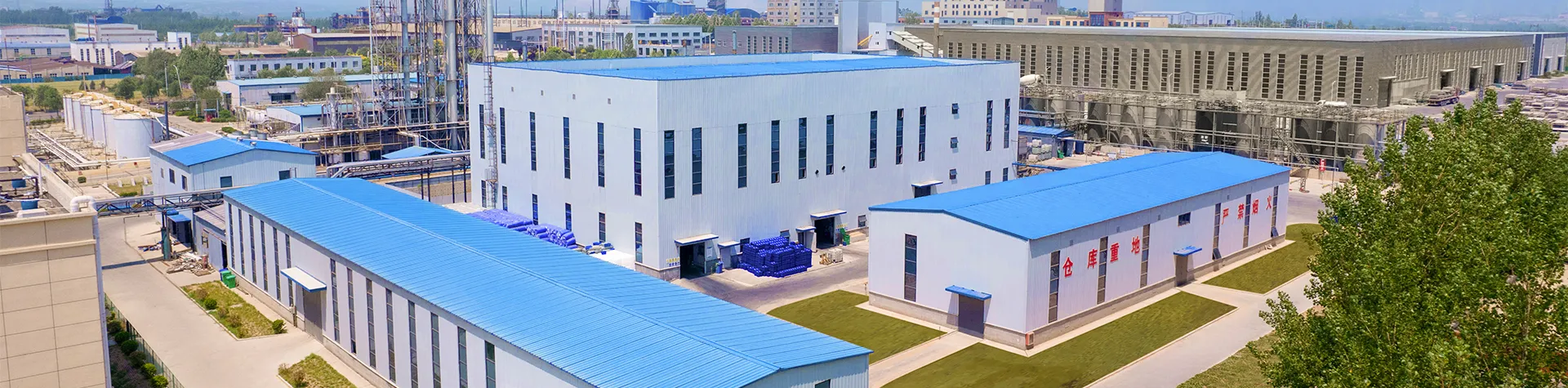
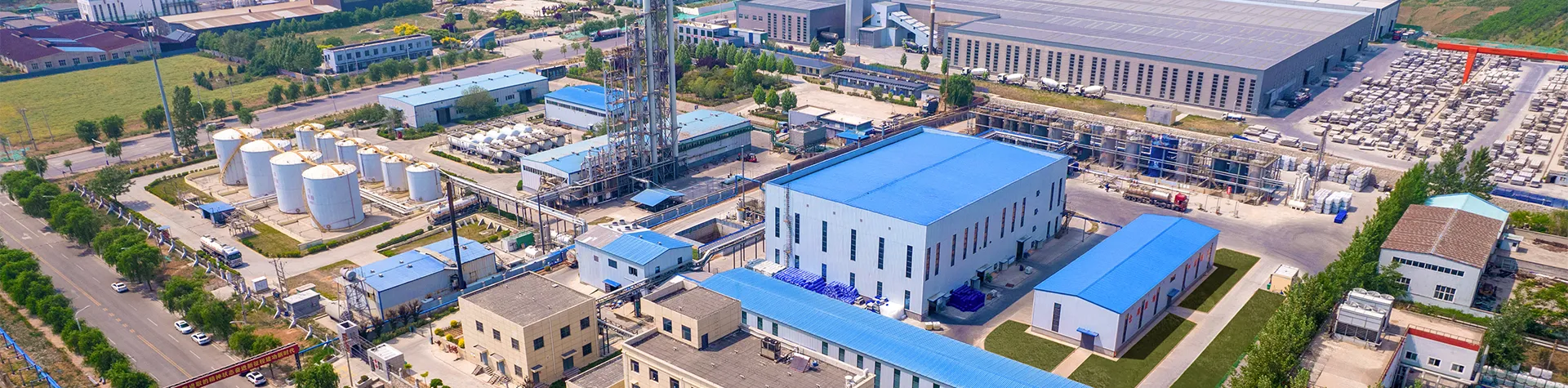
Origin for the LKP line: No. 3, North of Haohua East Road, North Park, Neiqiu county Industrial Zone, Xingtai City, Hebei Province. Custom options usually include actives (35–50%), low‑iron grades, and co‑formulations with dispersants or azoles.
| Vendor | Certifications | Lead time | Customization | Price level |
|---|---|---|---|---|
| LKP (Xingtai) | ISO 9001; batch CoA; can support NSF/ANSI 60 on request | 10–20 days | Actives, low‑Fe, blends | Mid |
| Importer A | Varies; CoA relay | Stock to 2 weeks | Limited | Mid–High |
| Oilfield‑specialty B | ISO 9001; offshore specs | 3–5 weeks | High (field‑specific) | High |
Advantages I’ve seen in the field
- Strong dispersancy keeps iron/calcium fouling at bay; towers stay cleaner.
- High calcium tolerance reduces precipitation risk in hard make‑up waters.
- Compatible with azoles, molybdate, and most acrylic copolymers; just avoid overdosing with cationic polymers.
Case notes and feedback
Case 1, steel mill cooling: baseline CaCO₃ deposition cut by ≈96% at 6 mg/L papemp in a low‑P program; ΔT stabilized within two weeks. “To be honest, we didn’t expect the bio‑film visuals to improve too—pleasant surprise,” the maintenance supervisor said.
Case 2, RO pretreat: mixed‑bed effluent with 350 mg/L Ca²⁺, LSI +1.6; dosing 3–5 mg/L papemp plus dispersant extended CIP intervals from monthly to quarterly.
Safety and compliance quick hits
Handle as an acidic liquid; use gloves and eye protection. For potable applications, confirm supplier’s NSF/ANSI/CAN 60 listing for your exact grade. SDS should clarify transport and biodegradability (phosphonates are typically not readily biodegradable).
Authoritative citations
- NACE TM0374: Laboratory screening tests for scale inhibitors. https://store.nace.org
- ASTM D511: Test methods for calcium and magnesium in water. https://www.astm.org
- NSF/ANSI/CAN 60: Drinking water treatment chemicals—health effects. https://www.nsf.org
- ISO 9001:2015 Quality management systems—Requirements. https://www.iso.org
-
Comprehensive Analysis on Why Aluminum Chlorohydrate Safe for UseNewsApr.16,2026
-
Industrial Applications and Guide to Chloride of AluminiumNewsApr.09,2026
-
Exploring Aluminium Chloride Properties Applications and Sourcing InformationNewsApr.07,2026
-
Comprehensive Guide to Chloride Aluminium Properties Applications and SourcingNewsApr.04,2026
-
Understanding Aluminium Chloride Properties Applications and Sourcing DetailsNewsMar.31,2026
-
Understanding Aluminium Chloride Properties Applications and SourcingNewsMar.28,2026