
Polyaspartic Acid | Eco-Friendly Scale Control & Dispersant
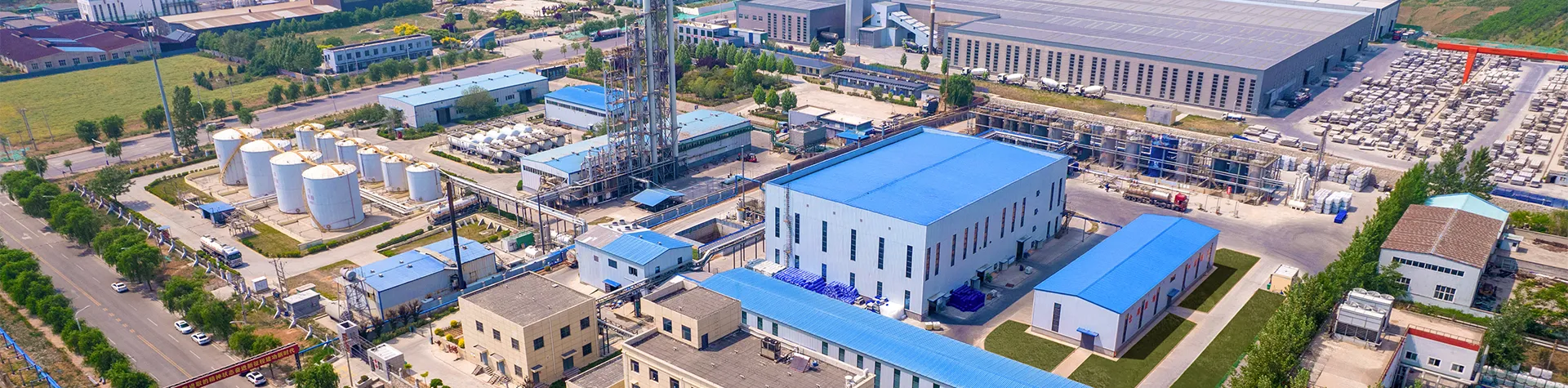
polyaspartic acid is a key solution in the chemical industry industry, specifically within fine chemicals and Water treatment chemicals. This article explores how Hebei Longke Water Treatment Co., Ltd. supports professionals with durable, high-performance products, and explains why this product is an ideal choice for businesses in these sectors.
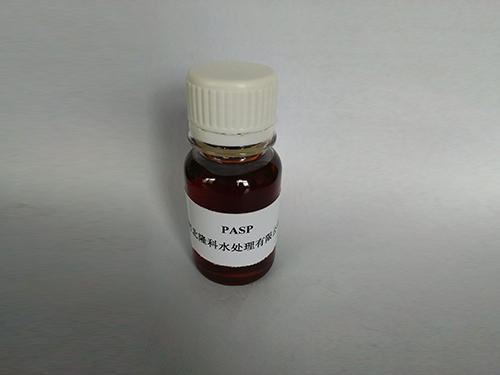
Table of Contents
- polyaspartic acid Overview
- Benefits & Use Cases of polyaspartic acid in Water treatment chemicals
- Cost, Maintenance & User Experience
- Sustainability & Market Trends in chemical industry
- Conclusion on polyaspartic acid from Hebei Longke Water Treatment Co., Ltd.
polyaspartic acid Overview
Polyaspartic acid (PASP) is a high-performance, biodegradable polyanionic polymer used across water treatment programs as an antiscalant and dispersant. The sodium salt of polyaspartic acid—often referred to as polyaspartic acid sodium salt or simply “sodium of polyaspartic acid”—is valued for its excellent chelation ability, threshold inhibition, and dispersion of inorganic particulates. With CAS No. 181828-06-8 (also cited as cas 181828 06 8), it is widely adopted in industrial cooling water, RO/UF pretreatment, and other fine chemical water systems seeking non-phosphorus control of CaCO3, CaSO4, BaSO4, and mixed scales.
From a technical standpoint, the polyaspartic acid structure comprises repeating aspartate units that present multiple carboxylate groups along a peptide-like backbone. Typically produced by thermal polycondensation of aspartic acid to polysuccinimide followed by neutralization, PASP provides strong complexation with Ca2+/Mg2+ and interrupts crystal nucleation and growth—delivering scale control at low-ppm dosages. Depending on target use, it can be supplied across molecular weight ranges to optimize either antiscalant or dispersant performance. Hebei Longke Water Treatment Co., Ltd. manufactures PASP with consistent quality, robust documentation (TDS/SDS), and technical guidance for quick adoption in both existing and new programs.
Benefits & Use Cases of polyaspartic acid in Water treatment chemicals
In Water treatment chemicals, polyaspartic acid sodium salt is applied in recirculating cooling systems, RO/UF membrane pretreatment, geothermal and oilfield water handling, and evaporative systems in sugar, paper, and chemical processing. PASP’s multi-point adsorption and chelation suppress carbonate and sulfate scales while dispersing iron oxides, clay, and silica fines—helping stabilize heat-transfer efficiency and maintain membrane flux. It works well in all-organic, phosphorus-free programs and also co-operates with zinc, molybdate, azoles, and select phosphonates when hybrid formulations are preferred.
- Low-ppm efficacy: threshold inhibition reduces scaling at economical dosages.
- High calcium tolerance: resists precipitation in hard and high-alkalinity waters.
- Biodegradable and phosphorus-free: supports regulatory compliance and ESG goals.
- Formulation flexibility: complements common corrosion inhibitors and dispersants.
Hebei Longke Water Treatment Co., Ltd. brings practical, application-level expertise—helping B2B users select grades of sodium of polyaspartic acid aligned to their water matrix, temperature, and LSI/Ryznar targets. The company’s technical team supports jar testing, dosage optimization, and compatibility checks to accelerate qualification and field rollout.
Cost, Maintenance & User Experience
Total cost of ownership with polyaspartic acid centers on three levers: reduced chemical consumption from low-ppm effectiveness, lower operational losses via extended run times (fewer cleanings, less downtime), and compliance savings through phosphorus-free discharge. Typical field dosages are in the low-ppm range, often optimized between system alkalinity, hardness, temperature, and cycles of concentration. Many users report improved scale safety margins and more stable heat-transfer coefficients, translating to predictable energy use and fewer emergency interventions.
- Durability: effective across broad pH and temperature windows common in industrial loops.
- Inventory & handling: straightforward storage and dosing; compatible with automated feed systems.
- ROI: savings often accrue from reduced acid feed/blowdown and fewer mechanical cleanings.
Feedback from fine chemicals, power, and electronics facilities indicates that migrating from traditional phosphate-based programs to PASP-centric blends can streamline compliance while maintaining target cycles. Hebei Longke Water Treatment Co., Ltd. supports trials with clear KPIs—scale indices, differential pressure trends, and deposition audits—to quantify the financial impact before full deployment.
Sustainability & Market Trends in chemical industry
Global water stewardship is tightening: stricter limits on phosphorus discharge, growing scrutiny of persistent additives, and corporate ESG commitments are reshaping water treatment portfolios. Within this context, polyaspartic acid stands out as a biodegradable, non-phosphorus backbone for next-generation programs. Its performance enables higher cycles of concentration and better water reuse, supporting targets for reduced freshwater intake and minimized blowdown volumes—key metrics for industrial decarbonization and cost reduction.
Hebei Longke Water Treatment Co., Ltd. positions PASP (CAS 181828-06-8 / 181828 06 8) as a forward-looking platform ingredient, backed by rigorous quality control and responsive technical service. The company’s formulation support helps customers meet emerging regulatory requirements while maintaining operational reliability. With reliable supply and documentation, Longke enables B2B decision makers to accelerate transitions from legacy phosphates or non-biodegradable polymers to greener, performance-verified solutions.
Conclusion on polyaspartic acid from Hebei Longke Water Treatment Co., Ltd.
For water treatment chemicals in the fine chemicals space, polyaspartic acid delivers a compelling combination of technical performance, operational simplicity, and sustainability. Its biodegradable, phosphorus-free profile—together with strong antiscalant and dispersant action—makes it a practical upgrade for modern plants. Hebei Longke Water Treatment Co., Ltd. is a trusted manufacturer and partner, providing consistent quality, technical insight, and supply reliability.
- Explore PASP for robust, regulation-ready scale control and dispersion.
- Leverage Longke’s application support to accelerate validation and rollout.
- Strong CTA: Contact us: email: sale@longkehg.com — Visit our website: https://www.lkpbtc.com
-
Comprehensive Analysis on Why Aluminum Chlorohydrate Safe for UseNewsApr.16,2026
-
Industrial Applications and Guide to Chloride of AluminiumNewsApr.09,2026
-
Exploring Aluminium Chloride Properties Applications and Sourcing InformationNewsApr.07,2026
-
Comprehensive Guide to Chloride Aluminium Properties Applications and SourcingNewsApr.04,2026
-
Understanding Aluminium Chloride Properties Applications and Sourcing DetailsNewsMar.31,2026
-
Understanding Aluminium Chloride Properties Applications and SourcingNewsMar.28,2026