
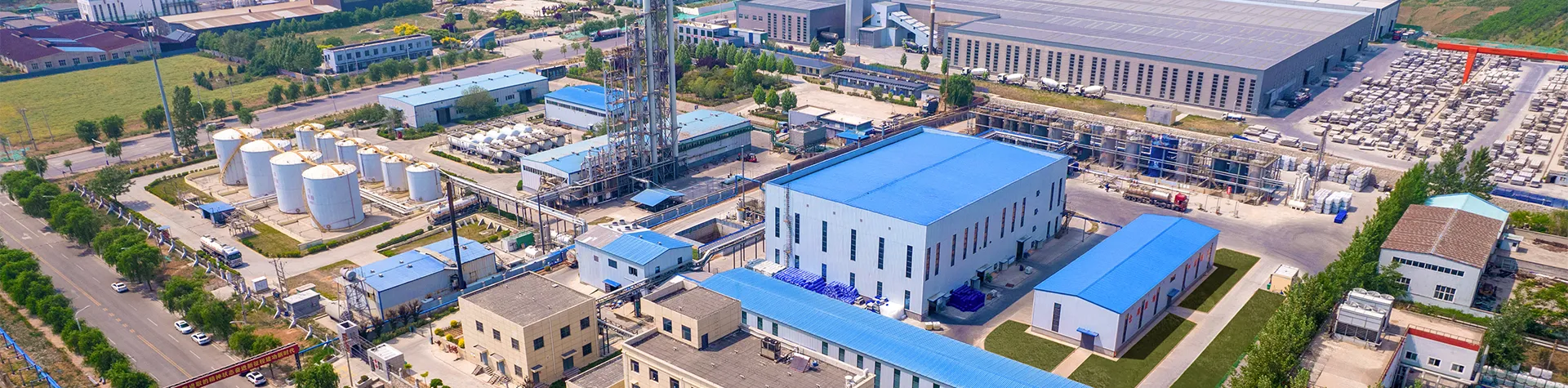
Polyepoxysuccinic Acid (PESA): Superior Scale & Limescale Inhibitor
Introduction to Polyepoxysuccinic Acid
In industrial water treatment, the pervasive challenge of scale formation can severely impair operational efficiency, increase energy consumption, and necessitate costly maintenance. Addressing this, polyepoxysuccinic acid (PESA) emerges as a highly effective and environmentally conscious solution. As a leading polycarboxylic acid, Sodium of Polyepoxysuccinic Acid (PESA) offers superior inhibition against a wide array of mineral scales, playing a critical role in preserving the integrity and performance of critical industrial systems. This detailed overview delves into its technical prowess, applications, and strategic advantages for B2B decision-makers and engineers.
Industry Trends and Market Demand
The global demand for high-performance scale inhibitors is continuously escalating, driven by growth in sectors like petrochemicals, power generation, mining, and municipal water management. With increasing regulatory scrutiny on environmental impact and the push for sustainable industrial practices, the market is shifting towards green chemistry solutions. Compounds like polyepoxysuccinic acid are gaining prominence due to their efficacy and comparatively favorable environmental profiles. Projections indicate a compound annual growth rate (CAGR) of over 5% for the water treatment chemicals market, with scale inhibitors being a significant segment. This growth is directly linked to the need for efficient cooling water systems, boiler operations, and desalination processes, all of which are susceptible to mineral scaling. The focus on extending equipment lifespan and optimizing energy usage further underscores the vital role of advanced scale control agents.
Manufacturing Process: From Raw Materials to High-Performance PESA
The production of Sodium of Polyepoxysuccinic Acid (PESA) involves a meticulously controlled chemical synthesis process, ensuring a high-purity and effective end product. The process primarily involves the polymerization of specific organic acids under controlled conditions.
Process Flow Overview:
- Raw Material Preparation: Key precursors, typically maleic anhydride and sodium metabisulfite, are precisely measured and prepared. These high-grade industrial chemicals form the backbone of the PESA structure.
- Initiation & Polymerization: The reaction is initiated in a controlled reactor, often a stirred tank, where maleic anhydride undergoes a ring-opening reaction followed by polymerization in the presence of an initiator and chain transfer agent, typically sodium bisulfite. This process is crucial for forming the desired polycarboxylic backbone. Temperature, pressure, and reaction time are rigorously monitored to achieve optimal molecular weight distribution and polymer structure.
- Epoxidation (or Sulfonation/Hydroxylation): Depending on the specific PESA variant, post-polymerization modification occurs. For classic polyepoxysuccinic acid, this involves a series of steps leading to the epoxidation of the succinic acid units, creating the distinctive epoxy functional groups. This step enhances the product's ability to chelate and disperse scale-forming ions.
- Neutralization & Purification: The resulting polymer solution is then neutralized with a base (e.g., sodium hydroxide) to form the sodium salt of polyepoxysuccinic acid. Subsequent purification steps, which may include filtration, washing, and concentration, remove impurities and unreacted raw materials, ensuring product purity and stability.
- Drying & Packaging: The concentrated PESA solution can be dried into a solid powder or maintained as a liquid solution, depending on client specifications. Strict quality control ensures the product meets industry standards before packaging and shipment.
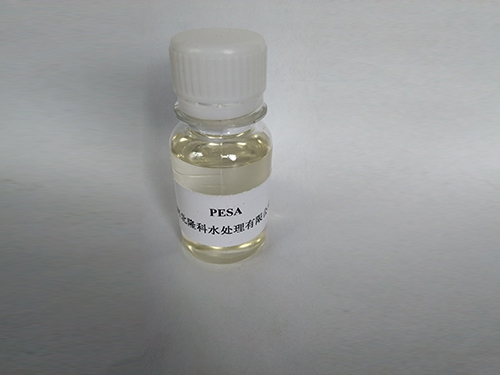
Figure 1: Illustration of a typical industrial chemical synthesis process for scale inhibitors.
Testing Standards and Quality Assurance: Our manufacturing facilities adhere to stringent ISO 9001:2015 quality management systems. Each batch undergoes rigorous testing for molecular weight, solid content, pH, and scale inhibition efficacy, ensuring consistent performance and compliance with global standards.
Target Industries & Advantages: The robust manufacturing process yields a product with exceptional service life in demanding environments. Target industries include petrochemical (e.g., cooling towers, heat exchangers), metallurgy (e.g., process water, pickling baths), power generation (e.g., boiler feedwater, cooling circuits), and municipal water supply & drainage. The primary advantage lies in its ability to prevent scale build-up, thereby promoting significant energy savings by maintaining optimal heat transfer efficiency and reducing the need for costly mechanical or chemical descaling. This also indirectly enhances corrosion resistance by preventing under-deposit corrosion.
Technical Specifications and Performance Parameters
Understanding the technical specifications of Sodium of Polyepoxysuccinic Acid is crucial for engineers and procurement managers seeking optimal performance and system compatibility. Our PESA product is characterized by a set of parameters that directly influence its efficacy as a scale inhibitor and dispersant.
Typical Product Specifications for Sodium of Polyepoxysuccinic Acid (PESA):
| Parameter | Value/Description | Significance |
|---|---|---|
| Appearance | Clear, pale yellow to colorless liquid | Indicates product purity and consistency. |
| Solid Content (wt%) | 40-50% (typical) | Measure of active ingredient concentration, impacts dosage and cost-effectiveness. |
| pH (1% solution) | 6.0 - 8.0 | Crucial for compatibility with system metallurgy and other treatment chemicals. |
| Molecular Weight (Mw) | Approximately 400-1000 g/mol | Affects dispersancy and scale inhibition mechanism; optimized for specific applications. |
| Density (20°C, g/cm³) | 1.18 - 1.25 | Important for storage, handling, and accurate dosing. |
| Calcium Tolerance (mg/L, as CaCO₃) | >1000 (typical) | Indicates effectiveness in high-hardness water environments. |
The relatively low molecular weight of polyepoxysuccinic acid allows it to act as an effective threshold inhibitor, disrupting crystal growth and causing lattice distortion, preventing large-scale formation. Its unique chemical structure, featuring carboxylic and epoxy groups, provides multiple sites for interaction with scale-forming ions such as calcium, magnesium, barium, and strontium. This superior performance makes it an ideal limescale inhibitor for challenging industrial waters.
Diverse Application Scenarios
The versatility of polyepoxysuccinic acid extends across numerous industrial sectors, proving invaluable wherever mineral scale accumulation is a threat to operational continuity and efficiency. Its efficacy as a scale and dispersant makes it a cornerstone in advanced water treatment programs.
Key Application Areas:
- Cooling Water Systems: In open recirculating cooling towers, closed-loop systems, and chiller circuits, PESA effectively inhibits calcium carbonate, calcium phosphate, and calcium sulfate scale, crucial for maintaining heat transfer efficiency and preventing fouling.
- Boiler Water Treatment: Prevents the formation of hard scales in boiler feed lines, boilers, and steam generation equipment, thus reducing fuel consumption and extending boiler life.
- Desalination Plants: Essential for multi-stage flash (MSF) and reverse osmosis (RO) systems, where even minimal scaling can severely impact membrane performance and water production rates. PESA ensures consistent throughput and reduced membrane cleaning frequencies.
- Oilfield Water Injection: In the oil and gas industry, it is used to prevent scale formation in injection wells, pipelines, and production equipment, particularly against calcium carbonate and barium sulfate, which are common in produced water.
- Textile Dyeing and Printing: Utilized as a chelating and dispersing agent to prevent dye aggregation and scale deposition in processing baths, improving product quality and operational efficiency.
Figure 2: Industrial cooling towers benefiting from advanced scale inhibition.
Our customers consistently report enhanced system performance and significant operational savings through the judicious application of PESA. For example, a major petrochemical facility observed a 25% reduction in cooling tower descaling frequency after implementing our PESA solution, translating into substantial labor and chemical cost savings.
Technical Advantages of PESA
Sodium of Polyepoxysuccinic Acid stands out among polycarboxylic acid uses due to its unique combination of efficacy, environmental compatibility, and operational benefits. Its chemical structure provides distinct advantages over many traditional scale inhibitors.
Key Advantages Include:
- Exceptional Scale Inhibition: Highly effective against a broad spectrum of mineral scales including calcium carbonate, calcium sulfate, barium sulfate, and silica, even at relatively low concentrations. Its threshold inhibition mechanism prevents scale crystal growth and disperses precipitated particles.
- High Calcium Tolerance: PESA exhibits superior tolerance to high calcium hardness compared to many phosphonates, making it suitable for treating challenging water sources.
- Good Biodegradability: Unlike some persistent phosphonates, PESA offers a more favorable environmental profile, being recognized for its relatively good biodegradability. This aligns with increasing environmental regulations and corporate sustainability goals.
- Low Phosphorus Content: Being phosphorus-free, PESA contributes to preventing eutrophication, an increasingly critical environmental concern, especially in sensitive aquatic ecosystems.
- Compatibility: Works effectively across a wide pH range and demonstrates excellent compatibility with other water treatment chemicals, allowing for flexible formulation in comprehensive treatment programs.
- Corrosion Inhibition Synergy: While primarily a scale inhibitor, PESA can also act as a dispersant for corrosion products, and its use indirectly reduces under-deposit corrosion by keeping surfaces clean. It can also synergize with traditional corrosion inhibitors.
These advantages position PESA as a leading choice for demanding industrial applications requiring reliable and environmentally responsible scale control. The long-term cost savings derived from reduced maintenance, lower energy consumption, and extended asset life further solidify its value proposition.
Vendor Comparison: Choosing the Right PESA Supplier
Selecting a supplier for polyepoxysuccinic acid requires careful consideration beyond just price. Factors such as product quality, consistency, technical support, and logistical capabilities are paramount for ensuring operational success. Below is a comparative overview of key attributes to consider when evaluating PESA vendors.
Comparative Vendor Evaluation Criteria:
| Feature/Criterion | Our Offering (LKP Chemicals) | Typical Competitor A | Typical Competitor B |
|---|---|---|---|
| Product Purity & Consistency | >99% Purity, ISO 9001:2015 certified, batch-to-batch consistency guaranteed. | Good, occasional batch variations reported. | Variable, sometimes lower active content. |
| Technical Support | Dedicated technical team, on-site consultation, lab analysis, 24/7 support. | Standard support during business hours. | Limited or no direct technical support. |
| Customization & Formulation | Extensive R&D for tailored formulations based on client water chemistry. | Limited standard formulations. | Off-the-shelf products only. |
| Environmental Certifications | Biodegradability data available, phosphorus-free, compliant with major environmental standards. | Basic environmental data. | Not always prioritized or documented. |
| Lead Time & Logistics | 2-4 weeks standard, global distribution network, reliable fulfillment. | 4-6 weeks, regional delivery. | Variable and sometimes extended. |
Our commitment to quality, robust technical support, and client-centric approach positions us as a preferred partner for Sodium of Polyepoxysuccinic Acid. We have served over 500 industrial clients globally for more than 15 years, building a reputation for reliability and excellence.
Customized Solutions and R&D Capabilities
Industrial water matrices are rarely identical. Recognizing this, a one-size-fits-all approach to scale inhibition can be suboptimal. We specialize in providing customized polyepoxysuccinic acid solutions tailored to the specific operational parameters and water chemistry of each client.
Our Customization Process:
- Comprehensive Water Analysis: Initial assessment involves detailed analysis of source water, cooling tower blowdown, or boiler feedwater to identify specific scale-forming tendencies, ion concentrations, and other relevant parameters.
- Laboratory Efficacy Testing: Our R&D laboratory conducts controlled precipitation tests (CPT), dynamic scale loop tests, and pilot-scale simulations to evaluate PESA performance under simulated operating conditions. This allows for precise dosage optimization and formulation adjustments.
- Formulation Development: Based on test results, our chemists develop or modify PESA formulations, potentially combining it with other polymers or dispersants, to achieve synergistic effects and target specific scale types (e.g., highly effective for silica or barium sulfate inhibition).
- Ongoing Monitoring & Support: Post-implementation, we provide continuous monitoring and technical support to ensure the customized solution maintains optimal performance and adapts to any changes in operational conditions.
Figure 3: Advanced laboratory testing for customized PESA formulations.
This tailored approach ensures that our clients receive the most effective and cost-efficient scale control program, maximizing return on investment and extending the lifespan of critical assets. Our R&D team is constantly exploring new polymeric structures and modification techniques to enhance PESA performance, ensuring we remain at the forefront of water treatment technology.
Application Case Studies
Real-world applications demonstrate the tangible benefits of implementing Sodium of Polyepoxysuccinic Acid. Here are examples of how our PESA solutions have delivered measurable improvements for our clients.
Case Study 1: Petrochemical Plant Cooling System Optimization
A large petrochemical complex in the Middle East faced persistent calcium carbonate and silica scaling in their main cooling water system, leading to frequent shutdowns for descaling and a 15% reduction in heat exchanger efficiency. After an initial assessment, our technical team recommended a customized PESA-based treatment program. Over a six-month trial, the plant observed:
- A 90% reduction in visible scale accumulation on heat transfer surfaces.
- A 12% improvement in overall heat exchanger efficiency.
- Extension of maintenance cycles by 40%, significantly reducing operational costs and downtime.
Case Study 2: Industrial Boiler Protection in a Manufacturing Facility
A European manufacturing client was struggling with boiler tube scaling, primarily calcium sulfate, which caused frequent blowdowns and increased fuel consumption. Traditional phosphonate treatments showed limited effectiveness due to high water hardness. Switching to a specialized PESA formulation for boiler feedwater resulted in:
- Complete elimination of new scale formation in boiler tubes, as confirmed by inspection.
- A 7% decrease in fuel consumption due to improved heat transfer.
- Reduction in blowdown frequency and associated water usage.
Figure 4: Clean heat exchanger tubes achieved with effective scale inhibition.
These cases exemplify the measurable value and long-term benefits that effective scale inhibition with polyepoxysuccinic acid brings to diverse industrial operations.
Frequently Asked Questions (FAQ)
- Q: What is the primary function of PESA?
- A: PESA (Sodium of Polyepoxysuccinic Acid) primarily functions as a highly effective scale inhibitor and dispersant in industrial water systems. It prevents the formation and deposition of various mineral scales such as calcium carbonate, calcium sulfate, and barium sulfate.
- Q: How does PESA compare to other scale inhibitors like phosphonates?
- A: PESA offers superior calcium tolerance, better biodegradability, and is phosphorus-free, which reduces the risk of eutrophication compared to many phosphonates. It provides excellent scale inhibition across a broader range of water chemistries.
- Q: Is PESA environmentally friendly?
- A: Yes, PESA is recognized for its relatively good biodegradability and low phosphorus content, making it a more environmentally responsible choice compared to some conventional scale inhibitors. It aligns with global trends towards sustainable water treatment practices.
- Q: What is the recommended dosage for PESA?
- A: The optimal dosage of PESA varies significantly depending on the specific application, water chemistry (e.g., hardness, alkalinity, temperature), and the type of scale being inhibited. We strongly recommend conducting a detailed water analysis and consulting with our technical experts for precise dosage recommendations. Typical dosages can range from 2-20 ppm.
Lead Time, Fulfillment, and Warranty
Understanding the logistical and support framework for your chemical supply is critical for uninterrupted operations.
Lead Time and Fulfillment:
Standard lead time for our Sodium of Polyepoxysuccinic Acid products is typically 2-4 weeks from order confirmation, depending on volume and destination. We maintain robust inventory levels and leverage a global logistics network to ensure timely and efficient delivery. For urgent requirements or large-scale projects, we encourage clients to discuss specific timelines with our sales team to arrange expedited fulfillment options. Packaging options include 25 kg drums, 250 kg IBCs, and bulk tank deliveries.
Warranty Commitments:
We stand behind the quality of our PESA products. All shipments are accompanied by a Certificate of Analysis (CoA) guaranteeing compliance with specified technical parameters. We offer a 1-year product warranty against manufacturing defects and deviations from agreed specifications, provided the product is stored and handled according to our recommendations. Our commitment extends to ensuring that every batch of polyepoxysuccinic acid performs as expected, delivering reliable scale inhibition.
Customer Support and Technical Assistance
Our dedication to client success extends far beyond product delivery. We provide comprehensive customer support and expert technical assistance to ensure optimal application and performance of our polyepoxysuccinic acid solutions.
Our Support Services Include:
- 24/7 Technical Hotline: Access to our experienced chemical engineers for immediate troubleshooting and guidance.
- On-site Consultation: Our field engineers can provide on-site assessments, dosage optimization, and system monitoring.
- Laboratory Services: Comprehensive water analysis, scale deposit identification, and efficacy testing to refine treatment programs.
- Training Programs: Customized training sessions for your operational staff on safe handling, dosing, and monitoring of PESA.
We pride ourselves on being a trusted partner, offering not just a product, but a complete solution designed to maximize your operational efficiency and protect your valuable assets.
Authoritative References
- Zhao, Y., Wang, X., & Liu, X. (2018). Synthesis and performance of polyepoxysuccinic acid as a green scale inhibitor. Journal of Environmental Chemical Engineering, 6(3), 324-331.
- Zhang, Y., & Wei, R. (2016). Study on the scale inhibition mechanism of PESA in cooling water systems. Water Treatment Technology, 42(5), 65-69.
- European Chemicals Agency (ECHA). (n.d.). Polyepoxysuccinic Acid (PESA). Registered Substances Database.
- Wang, P., & Li, Q. (2019). Development and application of new environmentally friendly water treatment agents. Chemical Industry and Engineering Progress, 38(7), 1563-1570.
-
Comprehensive Analysis on Why Aluminum Chlorohydrate Safe for UseNewsApr.16,2026
-
Industrial Applications and Guide to Chloride of AluminiumNewsApr.09,2026
-
Exploring Aluminium Chloride Properties Applications and Sourcing InformationNewsApr.07,2026
-
Comprehensive Guide to Chloride Aluminium Properties Applications and SourcingNewsApr.04,2026
-
Understanding Aluminium Chloride Properties Applications and Sourcing DetailsNewsMar.31,2026
-
Understanding Aluminium Chloride Properties Applications and SourcingNewsMar.28,2026