
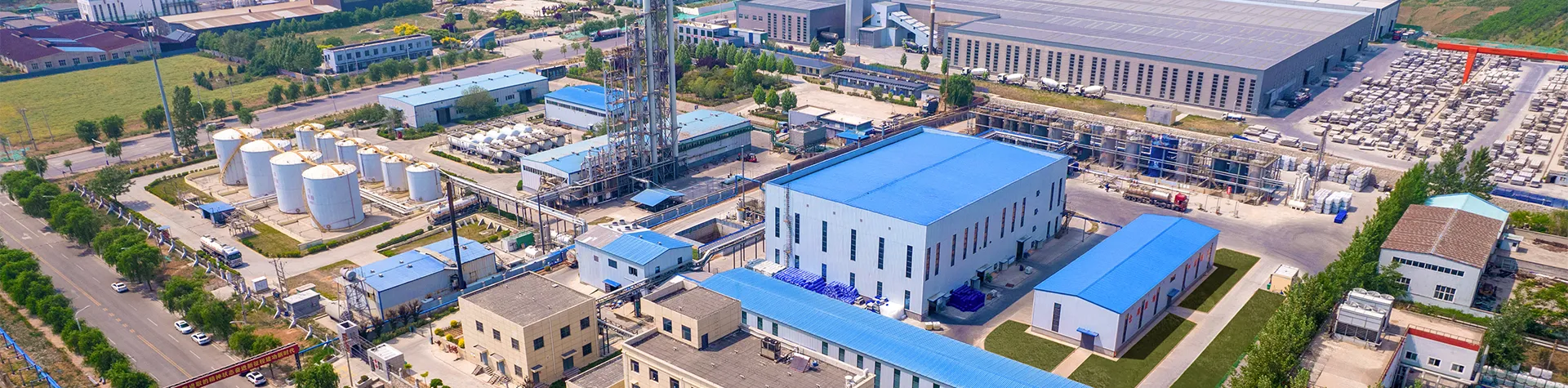
Polyhydric Alcohol Phosphate Ester (PAPE)-Scale Inhibitor&Corrosion Inhibitor|Hebei Longke Water Treatment Co., Ltd.

Introduction
Water treatment is a critical component of industrial and environmental sustainability, ensuring the efficiency of cooling systems, preventing scale formation, and protecting infrastructure from corrosion. Among the advanced chemical solutions available, Polyhydric Alcohol Phosphate Ester (PAPE) stands out as a cutting-edge water treatment chemical. Developed by Hebei Longke Water Treatment Co., Ltd., PAPE offers exceptional scale and corrosion inhibition properties, making it a preferred choice for industries reliant on water systems. This article provides an in-depth exploration of PAPE's features, specifications, applications, and the company's commitment to innovation.
Product Overview
PAPE is a novel water treatment chemical designed to address the challenges of scale and corrosion in industrial water systems. Its unique molecular structure incorporates multiple polyethylene glycol groups, enhancing its ability to inhibit the formation of calcium, barium, and strontium scales. This advanced formulation not only improves the efficiency of water systems but also extends the lifespan of equipment by minimizing corrosion. PAPE is particularly effective in environments where traditional inhibitors fall short, such as oil fields and closed-loop cooling systems.
Key Features and Benefits
PAPE's effectiveness stems from its unique chemical properties, which include:
- Superior Scale Inhibition: PAPE demonstrates exceptional performance in preventing the deposition of calcium carbonate, calcium sulfate, and other insoluble salts. Its ability to integrate polyethylene glycol groups enhances its compatibility with other water treatment chemicals, such as polycarboxylic acids, organophosphonic acids, and zinc salts.
- Corrosion Protection: Beyond scale inhibition, PAPE provides cathodic protection to steel surfaces, reducing the risk of corrosion in water systems. This dual functionality makes it a versatile solution for diverse industrial applications.
- Adaptability: PAPE is suitable for both open and closed-loop systems. In open systems, it is recommended to use concentrations below 15 mg/L, while closed systems may require up to 150 mg/L for optimal performance.
- Stability: The product's chemical stability ensures long-term effectiveness, even under varying temperature and pH conditions.
Technical Specifications
PAPE's technical specifications are designed to meet the rigorous demands of industrial water treatment. The following table outlines its key parameters:
| Items | Index |
|---|---|
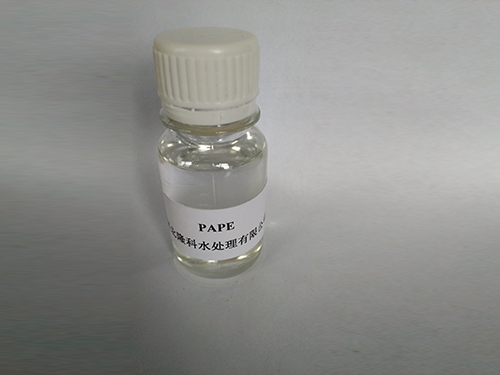
| Appearance | Colorless or light yellow transparent liquid |
| Solid content, % | 50.0 min |
| Density (20℃), g/cm³ | 1.25 min |
| Total phosphoric acid (as PO₄³⁻), % | 30.0 min |
| Organophosphoric acid (as PO₄³⁻), % | 15.0 min |
| pH (1% water solution) | 1.5-3.0 |
Applications and Industry Use Cases
PAPE's versatility makes it suitable for a wide range of applications, including:
- Oil Fields: PAPE is an effective barium salt scale inhibitor, addressing the challenges of scale formation in oil production and extraction processes.
- Circulating Cooling Water Systems: As a multi-effect water quality stabilizer, PAPE ensures the efficiency of closed-loop cooling systems by preventing scale and corrosion.
- Power Plants: PAPE is used to protect boilers and heat exchangers from calcium and sulfate scale buildup, enhancing energy efficiency and reducing maintenance costs.
- Industrial Processes: Its compatibility with other chemicals makes PAPE ideal for use in manufacturing and processing plants where water quality is critical.
For more information on PAPE's applications in power plants, visit this page.
Company Background: Hebei Longke Water Treatment Co., Ltd.
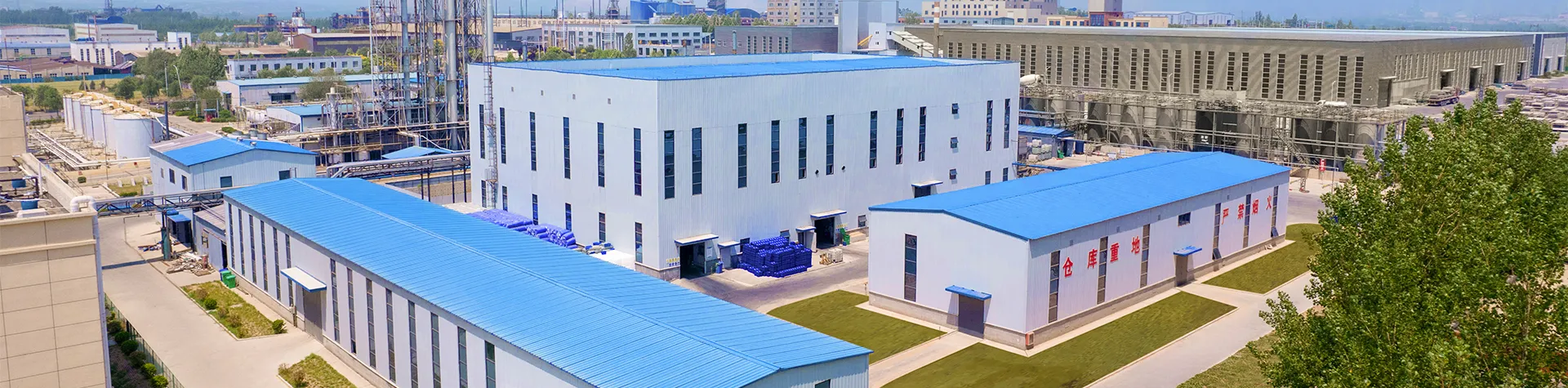
Hebei Longke Water Treatment Co., Ltd. is a leading manufacturer of water treatment chemicals, dedicated to providing innovative solutions for industrial and environmental challenges. With a focus on research and development, the company has established itself as a trusted name in the water treatment industry. Their commitment to quality and sustainability is reflected in products like PAPE, which address the evolving needs of modern industries.
Hebei Longke's expertise in developing advanced chemical formulations ensures that their products meet the highest standards of performance and reliability. Their range of solutions includes scale inhibitors, corrosion inhibitors, and water stabilizers, tailored to diverse applications across sectors such as energy, manufacturing, and agriculture.
Safety and Handling
While PAPE is an effective chemical, it is important to handle it with care. As an acidic liquid, it can be corrosive to skin and eyes. Users should wear appropriate protective gear, including gloves and goggles, and avoid direct contact. In case of accidental exposure, rinse the affected area with plenty of water immediately. For detailed safety information, refer to the company's safety guidelines.
Related Products and Synonyms
PAPE is part of a broader family of water treatment chemicals, including:
- PolyaminoPolyether Methylene Phosphonae (PAPEMP)
- 2-Phosphonobutane-1,2,4-Tricarboxylic Acid (PBTC)
Common synonyms for PAPE include Polyol phosphate ester and Polyhydric alcohol phosphate ester. For more details on related products, visit this page.
Conclusion
PAPE represents a significant advancement in water treatment technology, offering robust solutions for scale and corrosion control. Its unique formulation, combined with the expertise of Hebei Longke Water Treatment Co., Ltd., ensures that industries can maintain efficient and sustainable water systems. Whether in oil fields, power plants, or industrial processes, PAPE's reliability and effectiveness make it a valuable asset for modern water treatment needs.
References
NIST (National Institute of Standards and Technology): According to NIST, the development of advanced chemical standards is crucial for ensuring the safety and efficacy of industrial materials. For more information on standards related to water treatment chemicals, visit https://www.nist.gov.
-
Comprehensive Analysis on Why Aluminum Chlorohydrate Safe for UseNewsApr.16,2026
-
Industrial Applications and Guide to Chloride of AluminiumNewsApr.09,2026
-
Exploring Aluminium Chloride Properties Applications and Sourcing InformationNewsApr.07,2026
-
Comprehensive Guide to Chloride Aluminium Properties Applications and SourcingNewsApr.04,2026
-
Understanding Aluminium Chloride Properties Applications and Sourcing DetailsNewsMar.31,2026
-
Understanding Aluminium Chloride Properties Applications and SourcingNewsMar.28,2026
Polyhydric Alcohol Phosphate Ester (PAPE)-Scale Inhibitor&Corrosion Inhibitor|Hebei Longke Water Treatment Co., Ltd.
Introduction
Water treatment is a critical component of industrial and environmental sustainability, ensuring the efficiency of cooling systems, preventing scale formation, and protecting infrastructure from corrosion. Among the advanced chemical solutions available, Polyhydric Alcohol Phosphate Ester (PAPE) stands out as a cutting-edge water treatment chemical. Developed by Hebei Longke Water Treatment Co., Ltd., PAPE offers exceptional scale and corrosion inhibition properties, making it a preferred choice for industries reliant on water systems. This article provides an in-depth exploration of PAPE's features, specifications, applications, and the company's commitment to innovation.
Product Overview
PAPE is a novel water treatment chemical designed to address the challenges of scale and corrosion in industrial water systems. Its unique molecular structure incorporates multiple polyethylene glycol groups, enhancing its ability to inhibit the formation of calcium, barium, and strontium scales. This advanced formulation not only improves the efficiency of water systems but also extends the lifespan of equipment by minimizing corrosion. PAPE is particularly effective in environments where traditional inhibitors fall short, such as oil fields and closed-loop cooling systems.
Key Features and Benefits
PAPE's effectiveness stems from its unique chemical properties, which include:
- Superior Scale Inhibition: PAPE demonstrates exceptional performance in preventing the deposition of calcium carbonate, calcium sulfate, and other insoluble salts. Its ability to integrate polyethylene glycol groups enhances its compatibility with other water treatment chemicals, such as polycarboxylic acids, organophosphonic acids, and zinc salts.
- Corrosion Protection: Beyond scale inhibition, PAPE provides cathodic protection to steel surfaces, reducing the risk of corrosion in water systems. This dual functionality makes it a versatile solution for diverse industrial applications.
- Adaptability: PAPE is suitable for both open and closed-loop systems. In open systems, it is recommended to use concentrations below 15 mg/L, while closed systems may require up to 150 mg/L for optimal performance.
- Stability: The product's chemical stability ensures long-term effectiveness, even under varying temperature and pH conditions.
Technical Specifications
PAPE's technical specifications are designed to meet the rigorous demands of industrial water treatment. The following table outlines its key parameters:
| Items | Index |
|---|---|
| Appearance | Colorless or light yellow transparent liquid |
| Solid content, % | 50.0 min |
| Density (20℃), g/cm³ | 1.25 min |
| Total phosphoric acid (as PO₄³⁻), % | 30.0 min |
| Organophosphoric acid (as PO₄³⁻), % | 15.0 min |
| pH (1% water solution) | 1.5-3.0 |
Applications and Industry Use Cases
PAPE's versatility makes it suitable for a wide range of applications, including:
- Oil Fields: PAPE is an effective barium salt scale inhibitor, addressing the challenges of scale formation in oil production and extraction processes.
- Circulating Cooling Water Systems: As a multi-effect water quality stabilizer, PAPE ensures the efficiency of closed-loop cooling systems by preventing scale and corrosion.
- Power Plants: PAPE is used to protect boilers and heat exchangers from calcium and sulfate scale buildup, enhancing energy efficiency and reducing maintenance costs.
- Industrial Processes: Its compatibility with other chemicals makes PAPE ideal for use in manufacturing and processing plants where water quality is critical.
For more information on PAPE's applications in power plants, visit this page.
Company Background: Hebei Longke Water Treatment Co., Ltd.
Hebei Longke Water Treatment Co., Ltd. is a leading manufacturer of water treatment chemicals, dedicated to providing innovative solutions for industrial and environmental challenges. With a focus on research and development, the company has established itself as a trusted name in the water treatment industry. Their commitment to quality and sustainability is reflected in products like PAPE, which address the evolving needs of modern industries.
Hebei Longke's expertise in developing advanced chemical formulations ensures that their products meet the highest standards of performance and reliability. Their range of solutions includes scale inhibitors, corrosion inhibitors, and water stabilizers, tailored to diverse applications across sectors such as energy, manufacturing, and agriculture.
Safety and Handling
While PAPE is an effective chemical, it is important to handle it with care. As an acidic liquid, it can be corrosive to skin and eyes. Users should wear appropriate protective gear, including gloves and goggles, and avoid direct contact. In case of accidental exposure, rinse the affected area with plenty of water immediately. For detailed safety information, refer to the company's safety guidelines.
Related Products and Synonyms
PAPE is part of a broader family of water treatment chemicals, including:
- PolyaminoPolyether Methylene Phosphonae (PAPEMP)
- 2-Phosphonobutane-1,2,4-Tricarboxylic Acid (PBTC)
Common synonyms for PAPE include Polyol phosphate ester and Polyhydric alcohol phosphate ester. For more details on related products, visit this page.
Conclusion
PAPE represents a significant advancement in water treatment technology, offering robust solutions for scale and corrosion control. Its unique formulation, combined with the expertise of Hebei Longke Water Treatment Co., Ltd., ensures that industries can maintain efficient and sustainable water systems. Whether in oil fields, power plants, or industrial processes, PAPE's reliability and effectiveness make it a valuable asset for modern water treatment needs.
References
NIST (National Institute of Standards and Technology): According to NIST, the development of advanced chemical standards is crucial for ensuring the safety and efficacy of industrial materials. For more information on standards related to water treatment chemicals, visit https://www.nist.gov.
-
Comprehensive Analysis on Why Aluminum Chlorohydrate Safe for UseNewsApr.16,2026
-
Industrial Applications and Guide to Chloride of AluminiumNewsApr.09,2026
-
Exploring Aluminium Chloride Properties Applications and Sourcing InformationNewsApr.07,2026
-
Comprehensive Guide to Chloride Aluminium Properties Applications and SourcingNewsApr.04,2026
-
Understanding Aluminium Chloride Properties Applications and Sourcing DetailsNewsMar.31,2026
-
Understanding Aluminium Chloride Properties Applications and SourcingNewsMar.28,2026