


Scale and Corrosion Inhibitor HEDP Na2 | High-Purity, Proven
HEDP•Na2: The Workhorse Scale and Corrosion Protection Many Plants Quietly Rely On
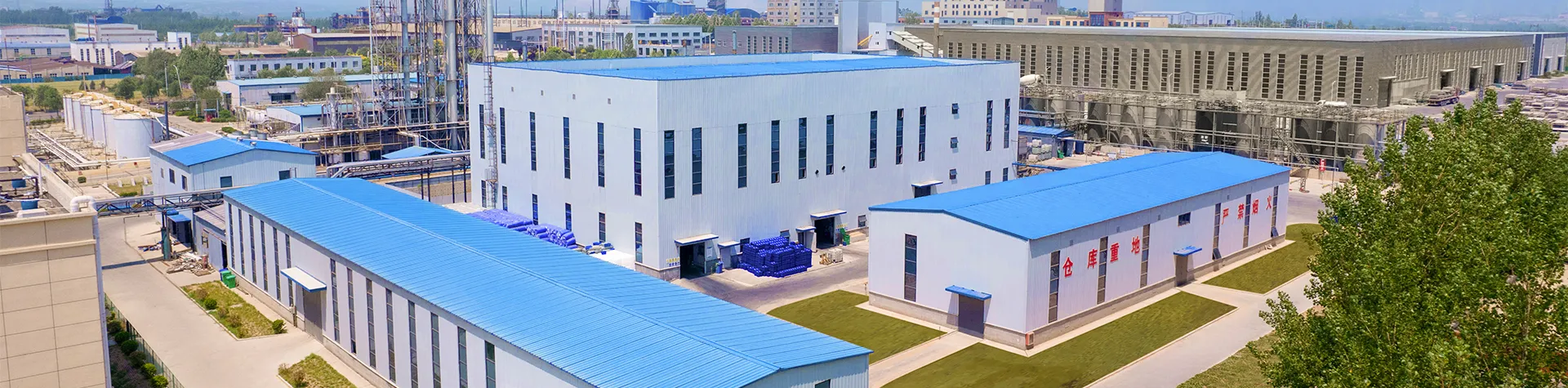
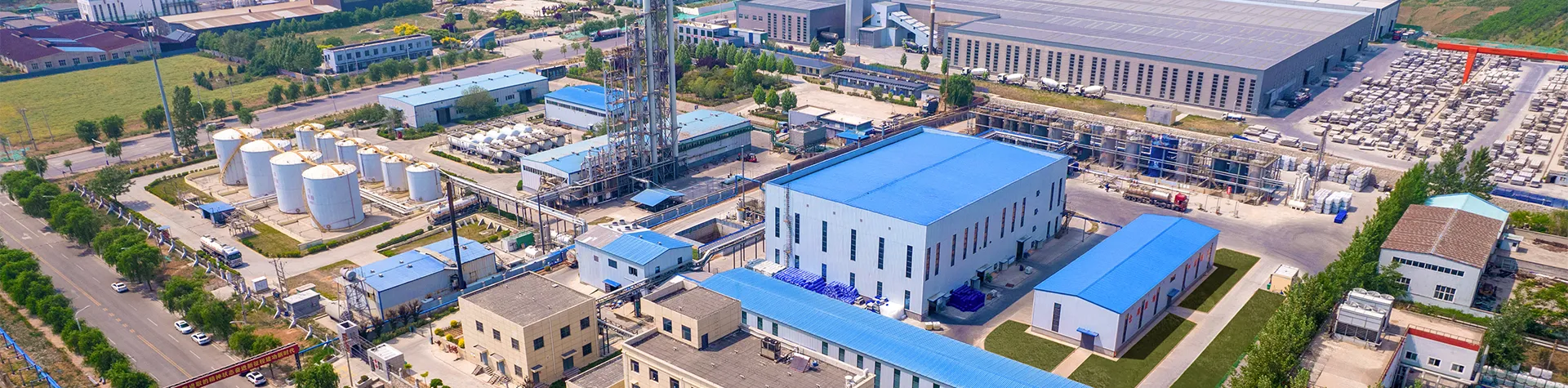
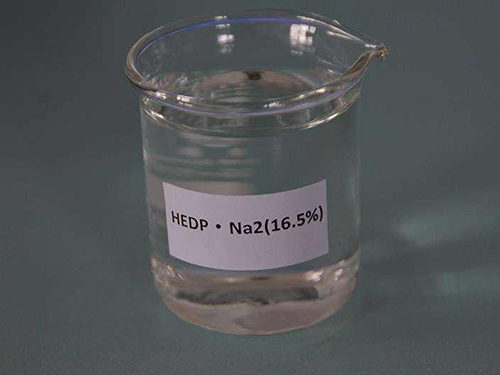
If you’ve ever babysat a chiller loop during peak summer, you know what I mean: scaling sneaks up, corrosion lurks, and downtime gets expensive. That’s why a dependable scale and corrosion inhibitor isn’t just a “nice to have”—it’s insurance. Lately I’ve spent time with Disodium Salt of 1‑Hydroxy Ethylidene‑1,1‑Diphosphonic Acid (HEDP•Na2), CAS No. 7414‑83‑7, produced in Xingtai City, Hebei Province (No. 3, North of Haohua East Road, North Park, Neiqiu County Industrial Zone). And to be honest, it’s one of those quietly effective chemistries that operators keep ordering because it just works.
Why HEDP•Na2 is Trending (Again)
Industry demand is shifting toward phosphonate blends that tolerate higher hardness and fluctuating pH. HEDP•Na2 sits right in that sweet spot. It disperses mineral salts, chelates metal ions, and stabilizes against oxidizers better than many polycarboxylates. Many customers say its handling is easier than the acid form, and, surprisingly, it often pairs better with oxidizing biocides than their old formulas.
Typical Application Scenarios
- Industrial cooling towers and HVAC loops (hardness drift, intermittent chlorination)
- Power plant circulating water and mining process water
- RO pretreatment to control CaCO3/CaSO4 nucleation
- Oilfield water injection and produced-water reuse
- Pulp & paper white water systems
Product Specifications (typical, real-world use may vary)
| Product | Disodium Salt of 1‑Hydroxy Ethylidene‑1,1‑Diphosphonic Acid (HEDP•Na2) |
| CAS | 7414-83-7 |
| Active content (as HEDP), % | ≈ 20–22% (common); custom up to ≈ 30% |
| pH (1% soln, 25°C) | 6.0–8.0 |
| Density (20°C) | ≈ 1.18–1.22 g/cm³ |
| Fe, ppm | ≤ 20 |
| Appearance | Colorless to pale-yellow liquid |
How It’s Made (condensed process flow)
Raw materials: phosphorous acid, acetyl source, and controlled catalysts. Method: condensation to hydroxy‑ethylidene diphosphonic acid, then neutralization with NaOH to the disodium salt, followed by clarification, iron-polishing, and stabilization. Testing: active content by phosphonate titration; Fe by ICP‑OES; chloride by ion chromatography; color as APHA (Pt‑Co). Batches are typically qualified via coupon corrosion tests (ASTM G31/NACE TM0169) and scaling suppression in synthetic water (LSI>0).
Performance and Test Data
In a 200 ppm as CaCO3 synthetic hard water at 60°C, 20 mg/L HEDP•Na2 reduced calcium carbonate precipitation by >95% versus blank and lowered carbon steel corrosion rate from ≈0.25 mm/y (blank) to ≈0.08 mm/y (ASTM G31 coupons, 72 h). In field HVAC loops, I’ve seen operators run 8–20 mg/L active with intermittent chlorination and still keep differential pressure stable. Service life: shelf-life ≈ 12 months sealed; protective film persistence in closed systems ≈ 2–6 weeks (depends on metallurgy and oxidant exposure).
Advantages
- Strong threshold inhibition and chelation under varying pH
- Good chlorine tolerance compared with many carboxylates
- Synergizes with PBTC, azoles, and zinc salts
- Lower phosphorus discharge than traditional phosphate programs for equivalent control
Vendor Snapshot and Customization
| Vendor | Active % | Certs | Packaging | Lead Time | Notes |
|---|---|---|---|---|---|
| Hebei (Xingtai) plant | 20–30% | ISO 9001, REACH-ready | 250 kg drums, IBCs | 7–10 days | Custom blends with PBTC/ATMP |
| Coastal supplier | ≈ 20% | ISO 9001 | Drums only | 2–3 weeks | Limited customization |
| Importer/blender | 18–22% | Varies | Drums/IBCs | Stock-dependent | Additives on request |
Case Notes from the Field
A northern China food plant switched from phosphate/zinc to HEDP•Na2 with a small PBTC kicker. Blowdown phosphorus dropped ≈30%, and corrosion coupons held under 0.1 mm/y. Operator feedback? “Less sludge, easier pH control.” Another client in RO pretreatment dosed 3–5 mg/L active and reported fewer cleanings—nothing dramatic, just steady membranes, which is the point.
Standards, Safety, and Use Tips
- Corrosion testing per ASTM G31 / NACE TM0169; consult ISO 8044 terminology
- Water analysis: hardness (ASTM D1126), phosphorous (APHA 4500‑P)
- Dose: typically 5–30 mg/L (as product) in recirculating systems; monitor LSI and oxidant residuals
- Compatibility: oxidizing biocides OK within normal ranges; avoid overfeed with high Zn to limit deposition
Whether you call it a scale and corrosion inhibitor or simply “the phosphonate,” HEDP•Na2 keeps heat exchangers honest. And yes, you can get it where you need it, with specs tight enough to make your lab smile.
Authoritative citations
- ASTM G31-21: Standard Guide for Laboratory Immersion Corrosion Testing of Metals.
- NACE TM0169/G31: Laboratory Corrosion Testing of Metals (Coupon Method).
- ASTM D1126-22: Standard Test Method for Hardness in Water.
- APHA Standard Methods 4500-P: Phosphorus (latest edition).
-
Comprehensive Analysis on Why Aluminum Chlorohydrate Safe for UseNewsApr.16,2026
-
Industrial Applications and Guide to Chloride of AluminiumNewsApr.09,2026
-
Exploring Aluminium Chloride Properties Applications and Sourcing InformationNewsApr.07,2026
-
Comprehensive Guide to Chloride Aluminium Properties Applications and SourcingNewsApr.04,2026
-
Understanding Aluminium Chloride Properties Applications and Sourcing DetailsNewsMar.31,2026
-
Understanding Aluminium Chloride Properties Applications and SourcingNewsMar.28,2026