
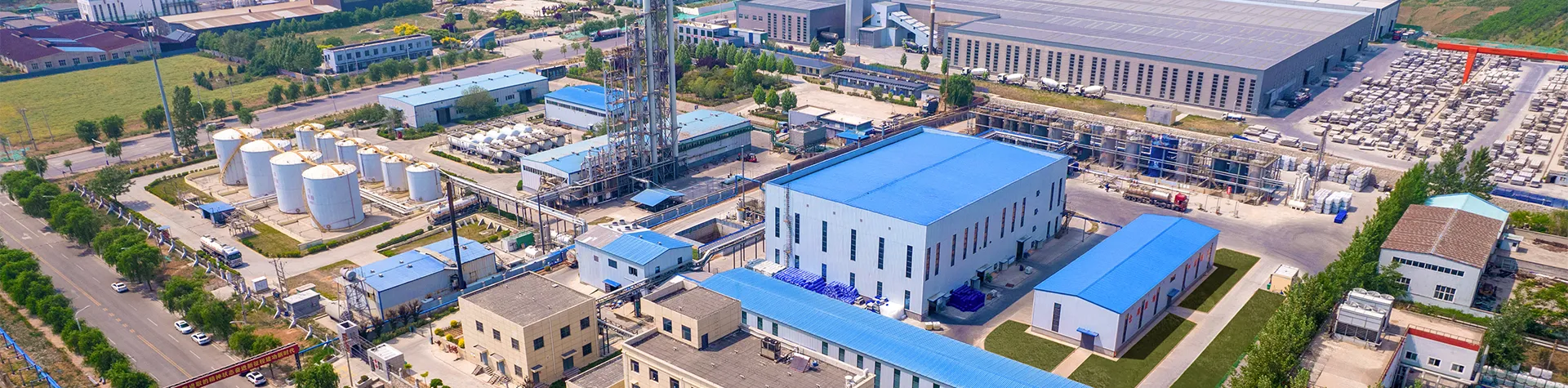
Top Insights on Benzalkonium Chloride Manufacturers – Trends, Applications & Innovations
Understanding Benzalkonium Chloride Manufacturers: A Vital Pillar in Global Disinfection Solutions
At first glance, the phrase benzalkonium chloride manufacturers might sound niche or even technical—but their role in modern life couldn’t be more important, especially as hygiene and sanitation become frontline concerns worldwide. Simply put, benzalkonium chloride (BAC) is a widely used antiseptic and disinfectant agent found in countless consumer and industrial products. Knowing who makes it and why matters is key to grasping global health, manufacturing supply chains, and even environmental considerations.
In today’s interconnected world, the proper supply and quality of BAC directly impact sectors ranging from healthcare to food processing and water treatment. Manufacturers of this compound hold a crucial spot in both industrial chemistry and public health infrastructure.
Global Industry Context: Why Benzalkonium Chloride Manufacturers Matter
It’s no secret that in the last decade, the disinfectants market has skyrocketed, growing at an estimated annual rate of over 7%, according to data from the International Organization for Standardization (ISO) and industry reports. This surge stems from increased hygiene awareness post-pandemic and ongoing needs in food safety and healthcare environments.
Benzalkonium chloride manufacturers have had to scale up production rapidly to meet global demand. The World Bank estimates that global sanitation-related product markets will surpass $7 billion by 2025. However, this intense growth also raises challenges: supply chain bottlenecks, quality assurance, and environmental impacts of chemical manufacturing.
Simply put, a breakdown in the BAC supply can ripple through hospitals, farms, and even municipal water systems—highlighting just how vital these manufacturers are.
Defining Benzalkonium Chloride Manufacturers
If we break it down, benzalkonium chloride manufacturers are companies specializing in producing BAC, which is a type of cationic surfactant with broad-spectrum antimicrobial properties. They typically operate chemical synthesis plants, refining crude materials into this effective disinfectant ingredient.
BAC itself is used in antiseptic wipes, hand sanitizers, surface cleaners, and even eye drops. So these manufacturers are the backbone supplying countless end products that keep environments safe and germ-free globally.
In a way, these manufacturers bridge raw chemical processing with practical applications that protect public health and support industrial hygiene.
Key Factors in Benzalkonium Chloride Production
1. Purity & Quality Control
This is arguably the most critical factor. Impurities can reduce efficacy or cause unwanted side effects, especially in healthcare applications. Manufacturers must adhere to strict standards — often certified by ISO or equivalent bodies — to guarantee product consistency.
2. Scalability & Production Capacity
The capacity to scale operations to meet sudden spikes in demand — like during a health crisis — separates reliable suppliers from marginal ones. Large-capacity plants with automated processes tend to lead.
3. Environmental Compliance
With chemical manufacturing comes responsibility. Stringent waste management and sustainable sourcing of raw materials help limit a manufacturer’s ecological footprint.
4. Cost Efficiency
Lower production costs mean affordable end products. Manufacturers streamline processes, invest in yield improvements, and optimize supply chains to stay competitive.
5. Innovation & Customization
Some manufacturers develop specialized BAC formulations tailored for unique uses—from cosmetic-grade to industrial-strength variants, this flexibility is a valuable differentiator.
Product Specifications: Benzalkonium Chloride (Sample Grade)
| Parameter | Value | Units |
|---|---|---|
| Active BAC Content | 50 | % |
| pH (1% solution) | 6.0–8.0 | – |
| Appearance | Clear to slightly hazy liquid | – |
| Density (20°C) | 0.98–1.02 | g/cm³ |
Global Applications and Use Cases for Benzalkonium Chloride
- Healthcare: Used extensively in wound care antiseptics and surface disinfectants in hospitals.
- Food Industry: Sanitizing equipment and surfaces to prevent contamination.
- Water Treatment: Algicide and bactericide in water purification processes.
- Consumer Products: Found in hand sanitizers, antiseptic wipes, and eye drops globally.
- Post-Disaster Relief: Essential in emergency sanitation kits distributed by NGOs in affected regions.
In Asia and Europe, massive production hubs exist to supply regional demand, whereas in North America, innovation in greener BAC alternatives is emerging. Africa's increasing adoption of BAC-based disinfectants is propelling new manufacturing investments too.
Mini takeaway:
These manufacturers don’t just churn out chemicals; they enable safe environments worldwide, from hospitals to homes.
Why Benzalkonium Chloride Manufacturers Are Critical Long-Term
Choosing established, quality-focused manufacturers yields multiple tangible benefits:
- Consistent Safety: Products meet stringent health regulations, ensuring user safety.
- Cost Predictability: Reliable supply chains help businesses maintain budgets and reduce product shortages.
- Sustainability Focus: Eco-conscious manufacturers reduce harmful emissions and waste, aligning with global environmental goals.
- Trust and Innovation: Leading manufacturers invest in new formulations that improve antimicrobial effectiveness and reduce resistance risk.
Frankly, it’s not just about buying a disinfectant—it’s about securing a product that protects dignity, safety, and well-being, a connection many users don’t immediately think about.
Future Trends & Innovations in BAC Manufacturing
As sustainability climbs the agenda, newer manufacturing processes incorporate renewable raw materials and renewable energy. Some firms experiment with biotechnology routes to produce BAC, reducing toxic byproducts.
Automation and digital monitoring allow better process control, enhancing purity and batch consistency while lowering costs.
There’s also increasing pressure from regulators globally to reduce chemical footprints; manufacturers adapting early will likely lead the market’s future.
Challenges & How Leading Manufacturers Address Them
Of course, producing BAC isn’t without challenges:
- Waste disposal: Chemical byproducts require treatment — proactive manufacturers invest in closed-loop systems.
- Supply chain disruptions: Global raw material shortages require agile sourcing and inventory management.
- Regulatory compliance: Diverse regulations across markets pose complexity; international manufacturers build strong compliance teams.
Innovations such as greener catalysts, improved filtration technology, and collaborative vendor partnerships are practical solutions many top-tier manufacturers use.
Vendor Comparison: Leading Benzalkonium Chloride Manufacturers
| Manufacturer | Capacity (tons/year) |
Certifications | Sustainability Initiatives | Regional Focus |
|---|---|---|---|---|
| CleanChem Inc. | 12,000 | ISO 9001, ISO 14001 | Renewable energy used in 60% of operations | North America, Europe |
| EcoChem Solutions | 8,500 | ISO 9001, REACH compliant | Biotech-based process under development | Asia-Pacific |
| SafeGuard Chemicals | 10,200 | ISO 9001, FDA approved | Advanced filtration and closed-loop waste systems | Global |
Frequently Asked Questions About Benzalkonium Chloride Manufacturers
- Q1: How can I verify the quality of benzalkonium chloride from a manufacturer?
- A: Look for manufacturers certified with ISO 9001 quality management standards and refer to product safety data sheets (SDS). Reliable suppliers also provide batch testing results and third-party lab certifications to confirm purity and compliance.
- Q2: Are benzalkonium chloride manufacturers integrating eco-friendly production methods?
- A: Yes, many are adopting sustainable practices including renewable energy use, waste minimization, and developing biotech routes. These efforts help reduce environmental impacts while maintaining product quality.
- Q3: Can I source customized formulations from these manufacturers?
- A: Absolutely. Leading manufacturers often offer tailored BAC solutions with specified concentration ranges, additives, or packaging to fit specific industry needs.
- Q4: What regions currently dominate benzalkonium chloride production?
- A: Asia-Pacific, North America, and Europe host major production hubs, with increasing activity in emerging markets like Africa. Each region has unique regulatory and demand profiles driving market dynamics.
- Q5: How do global disruptions affect benzalkonium chloride supply?
- A: Raw material shortages, transportation delays, or regulatory changes can create bottlenecks. Manufacturers mitigate this through diversified sourcing, inventory buffers, and active communication with clients.
Conclusion
Understanding benzalkonium chloride manufacturers is more than an academic exercise; it reveals the hidden infrastructure supporting public health worldwide. These manufacturers’ ability to produce high-purity, cost-effective, and sustainable BAC underpins industries from medicine to food safety. Looking ahead, those who innovate and embrace green manufacturing stand to help build a healthier, more resilient world.
If you’re interested in sourcing quality BAC or learning more about trusted suppliers, visit our website!
Final thought:
It feels like the most unassuming chemical can carry the weight of entire industries and health systems—a reminder that behind every safe environment lies an often overlooked chemical manufacturer.
References:
1. Wikipedia: Benzalkonium chloride
2. International Organization for Standardization (ISO)
3. World Bank Data on Global Sanitation
-
Comprehensive Analysis on Why Aluminum Chlorohydrate Safe for UseNewsApr.16,2026
-
Industrial Applications and Guide to Chloride of AluminiumNewsApr.09,2026
-
Exploring Aluminium Chloride Properties Applications and Sourcing InformationNewsApr.07,2026
-
Comprehensive Guide to Chloride Aluminium Properties Applications and SourcingNewsApr.04,2026
-
Understanding Aluminium Chloride Properties Applications and Sourcing DetailsNewsMar.31,2026
-
Understanding Aluminium Chloride Properties Applications and SourcingNewsMar.28,2026