



Understanding the Meaning of Flocculation in Water Treatment Processes
Understanding the Meaning of Flocculation in Water Treatment
Flocculation is a critical process in water and wastewater treatment, playing a vital role in removing suspended particles and improving water clarity. It's often misunderstood, so let's delve into its definition, how it works, and why it's so important. This process, combined with coagulation, results in cleaner, safer water. At LKP BTC, we provide advanced solutions for water treatment, including flocculation technologies. Understanding this process is the first step towards optimizing your water treatment system.
What is Flocculation? A Detailed Explanation
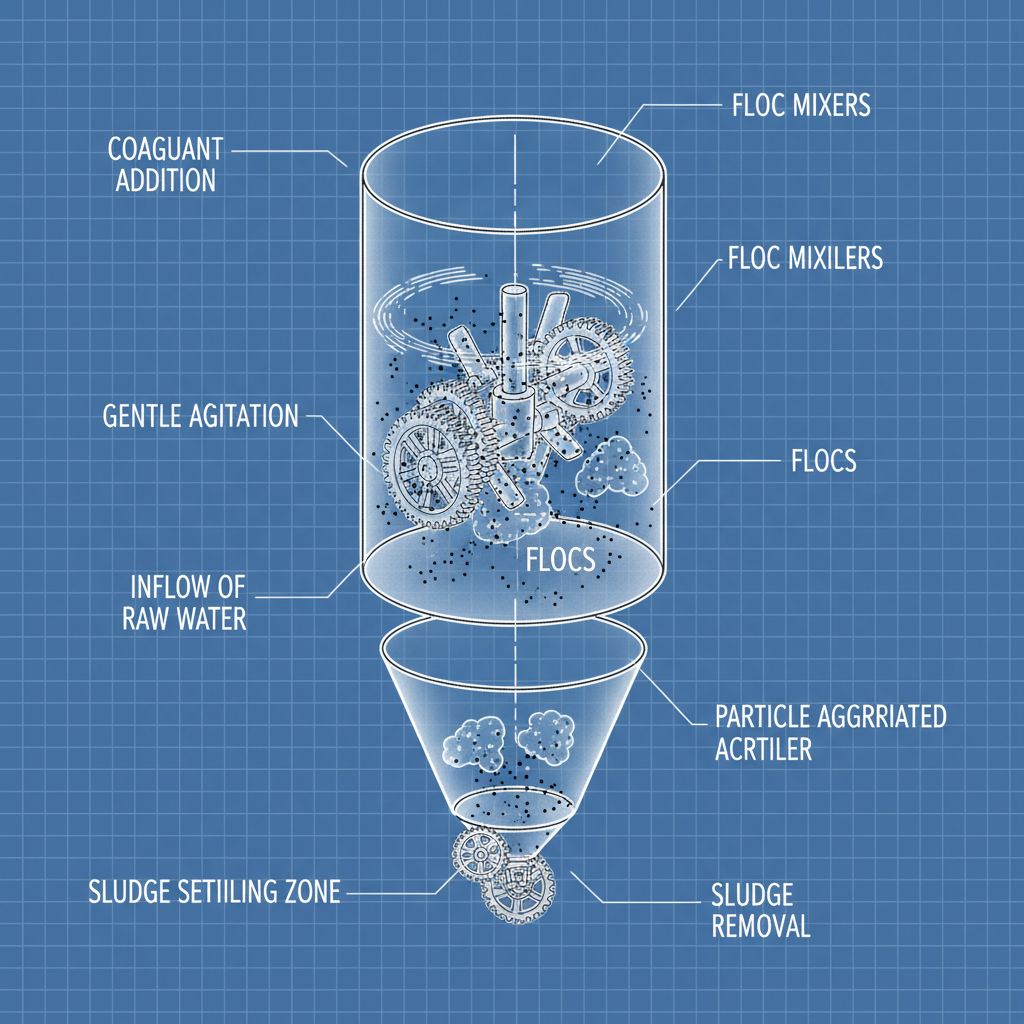
Flocculation is the process where small, suspended particles in water collide and clump together to form larger, heavier masses called 'flocs'. These flocs settle out of the water more easily through sedimentation or filtration. It's important to differentiate it from coagulation, which precedes flocculation. Coagulation neutralizes the charges of particles, allowing them to begin clumping, while flocculation actively encourages the formation of larger, visible flocs. The result is significantly improved water quality. Effective flocculation is essential for meeting stringent water quality standards.
Key Takeaway: Flocculation creates larger, heavier particles (flocs) from smaller suspended solids, making them easier to remove from water.
How Does Flocculation Differ from Coagulation?
While often used together, coagulation and flocculation are distinct processes. Coagulation involves the addition of chemicals (coagulants) to neutralize the electrical charges of fine particles, allowing them to destabilize and begin to clump. Flocculation then gently mixes the water to promote collisions between these destabilized particles, encouraging the formation of larger flocs. Without coagulation, flocculation would be less effective, as the particles would remain too dispersed to clump effectively. Think of coagulation as preparing the particles and flocculation as bringing them together. LKP BTC specializes in optimizing both coagulation and flocculation for maximum efficiency.
Coagulation vs. Flocculation:
• Coagulation: Neutralizes particle charges
• Flocculation: Promotes floc formation through gentle mixing
• Order: Coagulation always precedes flocculation
Factors Affecting Flocculation Efficiency
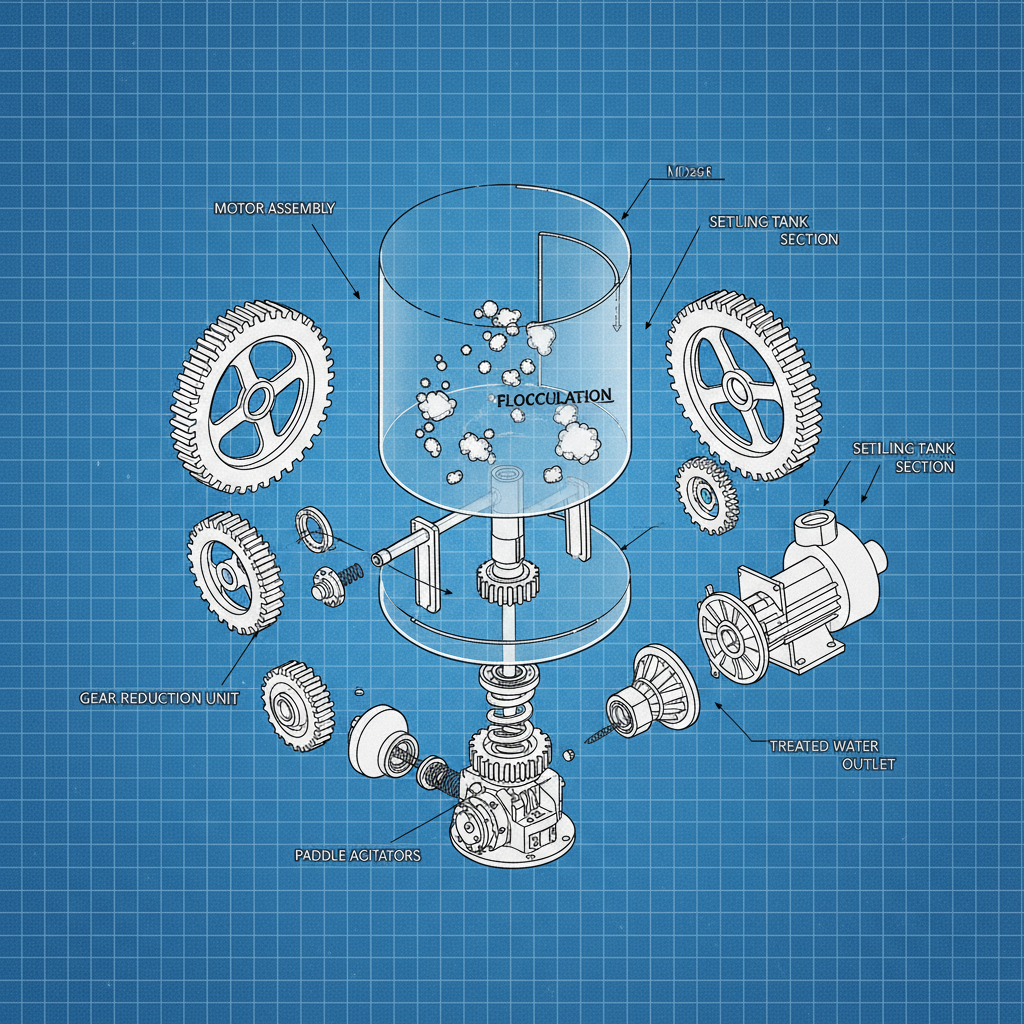
Several factors influence how well flocculation works. These include the type and dosage of flocculant used, the mixing intensity and duration, the pH of the water, temperature, and the characteristics of the particles themselves. Too much mixing can break up flocs, while too little mixing won't allow them to form properly. The correct pH is critical for optimal flocculant performance. LKP BTC offers expert analysis and optimization services to ensure your flocculation process is running at peak efficiency.
Types of Flocculants Used in Water Treatment
Flocculants are chemicals that promote the aggregation of particles. They are broadly categorized into inorganic and organic flocculants. Inorganic flocculants, like alum (aluminum sulfate) and ferric chloride, work by neutralizing charges. Organic flocculants, such as polymers (polyacrylamides), are long-chain molecules that bridge particles together. The choice of flocculant depends on the water's characteristics and the type of particles being removed. Selecting the right flocculant is crucial for cost-effectiveness and optimal performance.
Applications of Flocculation in Water Treatment
Flocculation is used in a wide range of water treatment applications, including municipal drinking water treatment, industrial wastewater treatment, and sewage treatment. It’s vital for removing turbidity, color, and pathogens from water sources. Properly flocculated water is safer, clearer, and more aesthetically pleasing. From removing suspended solids in manufacturing processes to clarifying water for public consumption, flocculation is a foundational technology. LKP BTC offers customized flocculation systems to meet diverse application needs.
Conclusion: The Importance of Flocculation
Flocculation is a vital step in achieving clean and safe water. Understanding the principles behind it and the factors that influence its effectiveness is key to optimizing water treatment processes. By employing the right techniques and technologies, such as those offered by LKP BTC, you can ensure a reliable and efficient water treatment system.
Frequently Asked Questions (FAQs)
What happens if flocculation isn't performed properly?
If flocculation isn't performed effectively, suspended particles will remain dispersed in the water, leading to high turbidity and reduced water clarity. This can compromise the efficiency of subsequent treatment processes like filtration and disinfection, potentially resulting in water that doesn't meet safety standards. Poor flocculation can also increase the concentration of pollutants and pathogens in the water supply, posing health risks. Regular monitoring and optimization of the flocculation process are crucial to avoid these issues.
What is the role of pH in flocculation?
pH significantly impacts the effectiveness of flocculation, particularly when using inorganic flocculants like alum or ferric chloride. Each flocculant has an optimal pH range where it performs best. Outside this range, the flocculant may not dissolve properly, or its charge neutralization capabilities can be reduced. Monitoring and adjusting the pH is often a critical step in the flocculation process. LKP BTC provides pH control solutions tailored to your specific water chemistry.
Is flocculation always necessary in water treatment?
While not always absolutely necessary, flocculation is highly beneficial and often essential for achieving desired water quality. For water sources with high turbidity or significant levels of suspended solids, flocculation significantly improves the efficiency of subsequent treatment steps. In some cases, particularly with very clear water sources, it may be possible to rely on filtration alone, but flocculation generally enhances overall treatment effectiveness and reduces filter clogging.
-
Comprehensive Analysis on Why Aluminum Chlorohydrate Safe for UseNewsApr.16,2026
-
Industrial Applications and Guide to Chloride of AluminiumNewsApr.09,2026
-
Exploring Aluminium Chloride Properties Applications and Sourcing InformationNewsApr.07,2026
-
Comprehensive Guide to Chloride Aluminium Properties Applications and SourcingNewsApr.04,2026
-
Understanding Aluminium Chloride Properties Applications and Sourcing DetailsNewsMar.31,2026
-
Understanding Aluminium Chloride Properties Applications and SourcingNewsMar.28,2026