

Why Choose Acrylic Homopolymer for Superior Scale Control?
LK-1100 Acrylic Homopolymer: field notes, specs, and where it really shines
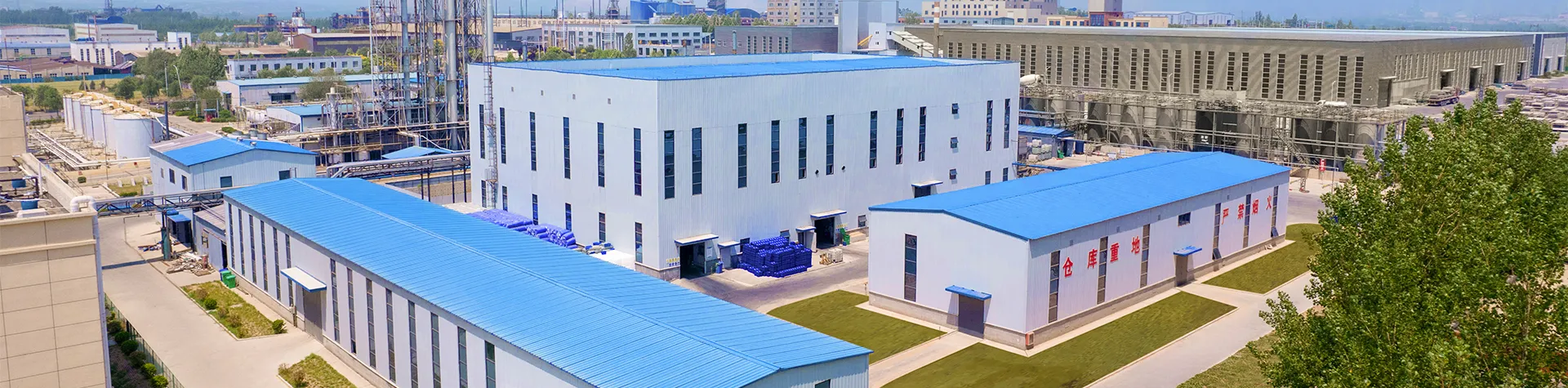
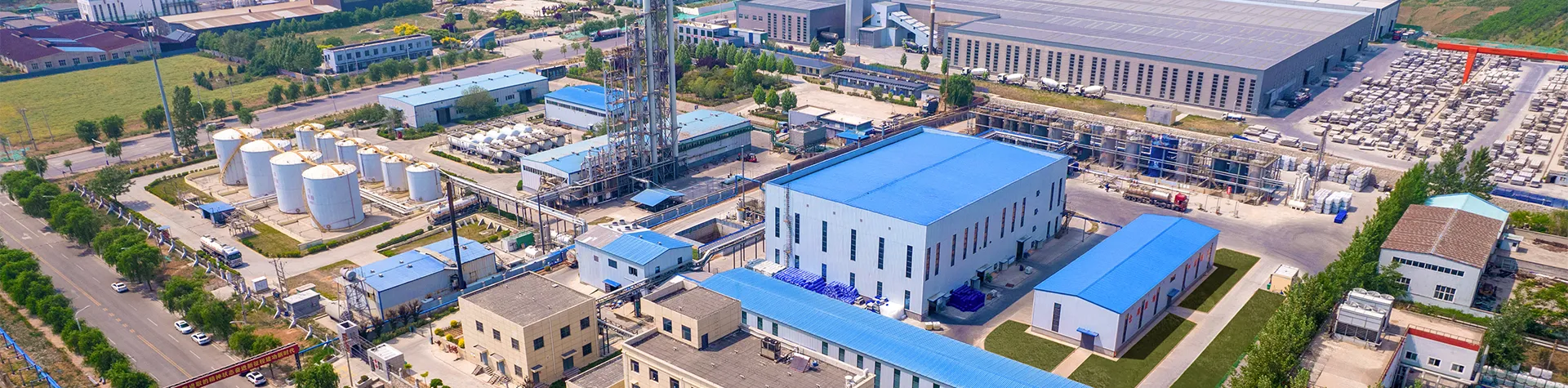
If you’ve worked around cooling loops or RO pretreatment, you’ve probably seen a humble little polymer doing heavy lifting. I’m talking about the acrylic homopolymer—in this case, LK-1100, produced in Xingtai City, Hebei (No. 3, North of Haohua East Road, North Park, Neiqiu County Industrial Zone). It’s a partially neutralized, low-MW polyacrylic acid salt that keeps calcium carbonate and sulfate microcrystals from settling. Simple in theory; surprisingly effective in the wild.
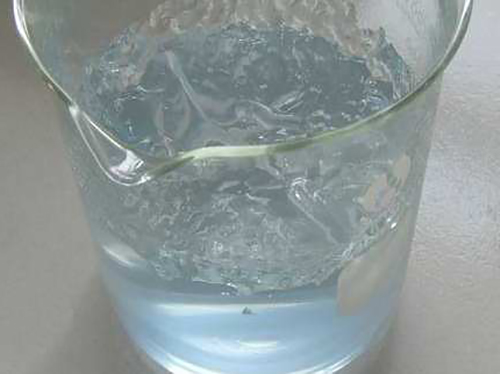
What’s trending (and why LK-1100 fits)
The market’s nudging toward phosphate-free programs, tighter health-effect compliance, and lower biofouling risk. A low molecular weight acrylic homopolymer ticks those boxes: strong dispersancy, minimal nutrient loading, predictable behavior in blended programs (phosphonates, azoles, oxidizing biocides). Many customers say it’s the “set-and-forget” workhorse once dialed in.
How it works (in plain-ish language)
LK-1100 adsorbs on nascent scale crystals, shifts zeta potential, and prevents agglomeration—so particles stay tiny and suspended. In fact, that threshold-inhibition effect is why low dosage goes a long way. In dispersancy tests with hard make-up water, it kept CaCO3 fines from locking up tube bundles—practical, not just pretty lab data.
Process flow, QA, and service life
- Materials: acrylic acid monomer, water, free-radical initiators; post-reaction partial neutralization.
- Method: aqueous polymerization, controlled MW, then salt formation; filtered and QA’d.
- Key QA: solids content, pH, viscosity, residual monomer, dispersion performance (CaCO3/CaSO4), corrosion-program compatibility.
- Testing standards: hardness by APHA 2340; SDI by ASTM D4189; health-effects documentation per NSF/ANSI/CAN 60 (where required).
- Service life: shelf life ≈ 12 months sealed at 5–30°C; system performance persists with continuous dosing.
Product specifications (typical values)
| Chemistry | Partially neutralized polyacrylic acid (acrylic homopolymer) |
| Average MW | ≈ 2,000–4,000 Da (real-world use may vary) |
| Appearance | Clear to slightly yellow liquid |
| Active solids | ≈ 30% wt |
| pH (as supplied) | 7.0–8.0 |
| Density (25°C) | ≈ 1.15 g/cm³ |
| Viscosity (25°C) | ≈ 50–150 mPa·s |
| Typical dosage | 2–20 mg/L, depending on LSI/ions load |
Applications that suit LK-1100
- Open/closed-loop cooling water, chillers, HVAC.
- RO/NF pretreatment (reduce SDI spikes, keep colloids dispersed).
- Mining and mineral processing; pulp & paper white water; textile dyeing rinse loops.
- Evaporators in food/sugar (program-dependent; check approvals).
Vendor comparison (typical, internal testing)
| Parameter | LK-1100 | Generic PAA 30% (Vendor A) | AA/AMPS 40% (Vendor B) |
|---|---|---|---|
| Active solids | ≈ 30% | ≈ 30% | ≈ 40% |
| MW control | Tight low-MW window | Broader spread | Low-to-mid MW |
| DTB scale test at CaCO3 2,000 mg/L | Pass ≥ 4 h (8 mg/L dose) ≈ | ≈ 2.5 h | ≥ 5 h (copolymer boosted) |
| NSF/ANSI/CAN 60 docs | Available on request | Not listed | Available on request |
| Customization | MW/solids/pH tuning | Limited | Formula-driven |
Customization and integration
Programs are rarely one-ingredient. LK-1100 plays well with phosphonates (HEDP/ATMP), azoles, and oxidizing/non-oxidizing biocides; jar tests recommended, to be honest. Custom options: tweak MW for higher-silica waters, adjust neutralization, or bump solids for drum space savings.
Field snapshots (customer feedback)
- Hebei cement cooling tower: cycles raised 4→6; acid clean interval stretched from ~6 to ~10 months; ΔP stabilized, dose ~8 mg/L. Operators said “less dust cementing in HX channels.”
- Textile RO pretreat: SDI cut from ≈6.0 to 3.2 (ASTM D4189), CIP interval doubled (≈60→120 days) with LK-1100 + biocide program. Energy draw flattened—small but noticeable.
Compliance, testing, and documentation
Drinking-water use generally requires NSF/ANSI/CAN 60 conformance; labs running APHA 2340 hardness, ASTM D4189 SDI, and ISO/IEC 17025-calibrated QA are standard practice. For sustainability targets, many teams review safety data and regulatory dossiers (REACH-style) before onboarding. It seems basic, yet it saves headaches later.
Bottom line
LK-1100 is the kind of acrylic homopolymer you spec when you want predictable dispersion, clean heat transfer surfaces, and fewer surprise shutdowns. Not flashy—just effective.
Authoritative citations
- NSF/ANSI/CAN 60: Drinking Water Treatment Chemicals – Health Effects.
- APHA, Standard Methods for the Examination of Water and Wastewater, Method 2340 (Hardness).
- ASTM D4189 – Standard Test Method for Silt Density Index (SDI) of Water.
- Ullmann’s Encyclopedia of Industrial Chemistry, “Polyacrylates.”
- AWWA Manual M58, Internal Corrosion Control in Water Distribution Systems.
-
Comprehensive Analysis on Why Aluminum Chlorohydrate Safe for UseNewsApr.16,2026
-
Industrial Applications and Guide to Chloride of AluminiumNewsApr.09,2026
-
Exploring Aluminium Chloride Properties Applications and Sourcing InformationNewsApr.07,2026
-
Comprehensive Guide to Chloride Aluminium Properties Applications and SourcingNewsApr.04,2026
-
Understanding Aluminium Chloride Properties Applications and Sourcing DetailsNewsMar.31,2026
-
Understanding Aluminium Chloride Properties Applications and SourcingNewsMar.28,2026