



2 phosphonobutane 1 2 4 tricarboxylic acid Scale Inhibitor
PBTC•Na4 in Real-World Water Treatment: What Practitioners Actually See
If you work around cooling towers, RO skids, or paper machines, you’ve likely bumped into 2 Phosphonobutane 1 2 4 Tricarboxylic Acid in one form or another. In sodium-salt format (PBTC•Na4), it’s the quiet overachiever—great threshold inhibitor, steady chelator, and surprisingly robust at higher temperatures and alkalinities. Actually, that’s why many formulators keep it in their core program even as “low P” trends accelerate.
Where it’s made and what it is
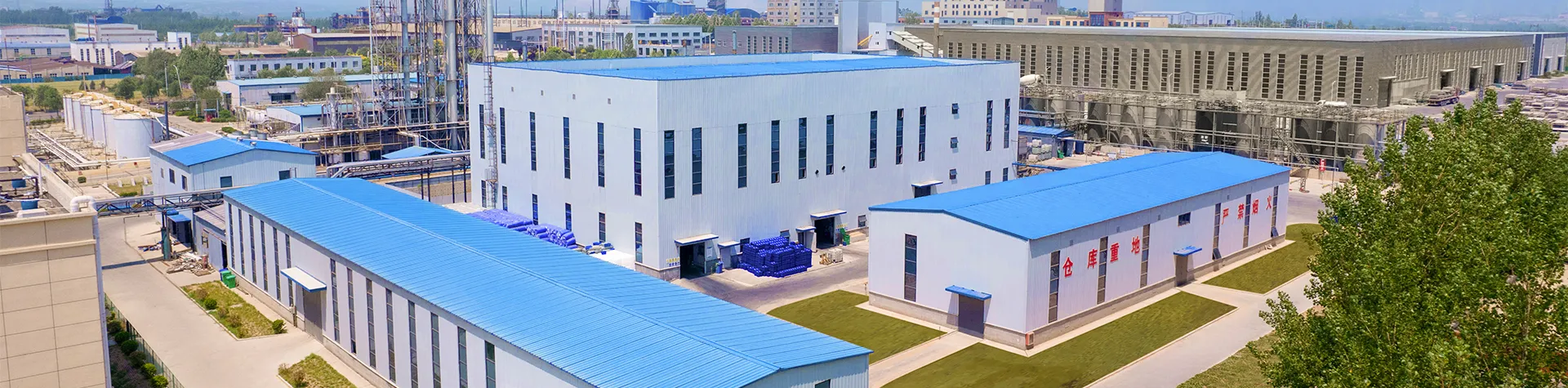
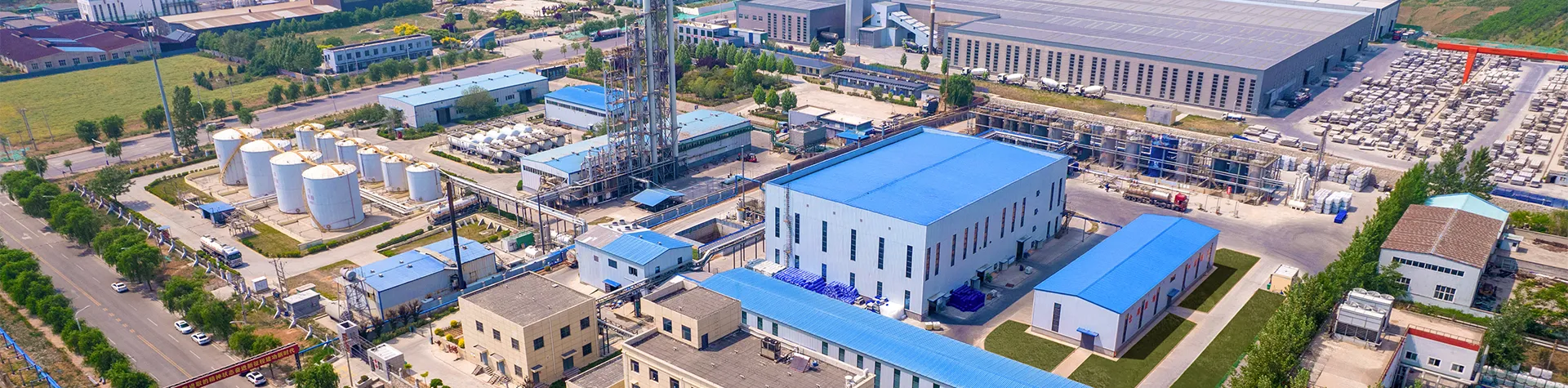
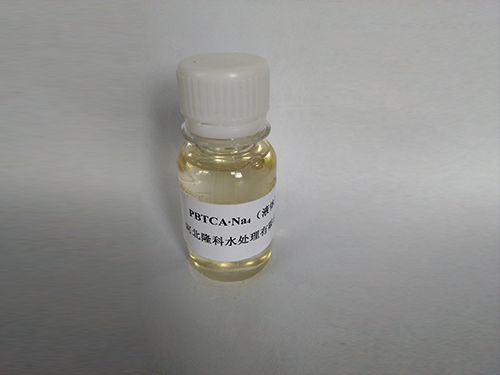
Origin: No. 3, North of Haohua East Road, North Park, Neiqiu county Industrial Zone, Xingtai City, Hebei Province. Product: 2-Phosphonobutane-1,2,4-Tricarboxylic Acid, Sodium salt (PBTC•Na4). CAS No. 40372-66-5. In short, 2 Phosphonobutane 1 2 4 Tricarboxylic Acid sodium salt offers high calcium tolerance, good iron dispersion, and compatibility with zinc, polyacrylates, and phosphino-carboxylates—real-world use may vary, of course.
Industry trends (why PBTC sticks around)
- Shift to lower phosphorus programs; PBTC’s efficiency keeps dosage modest.
- Higher cycles of concentration in cooling towers; PBTC tolerates hardness and pH.
- RO/desalination needs antiscalants that don’t foul membranes; PBTC plays well with polycarboxylates.
Typical product specs (PBTC•Na4)
| Appearance | Colorless to pale yellow liquid | Visual |
| Active content (as PBTC acid) | ≈ 40% w/w | Acid–base titration |
| pH (1% sol.) | 7.0–8.0 | pH meter |
| Density (20°C) | ≈ 1.28 g/cm³ | ASTM D1298 |
| Fe content | ≤ 20 mg/kg | ICP-OES |
| Residual phosphorous acid | ≤ 0.8% w/w | Titration |
How it’s made (short version)
Materials: phosphorous acid, carboxylated intermediates, controlled neutralization with NaOH. Methods: catalytic addition and carboxylation under temperature control, followed by neutralization to the tetra-sodium salt, filtration/polishing, and QA release. Testing standards: pH/density per ASTM norms; metals by ICP; chloride by ion chromatography; active content by titration. Certifications typically include ISO 9001 and ISO 14001; REACH registration for EU supply when applicable.
Application scenarios and dosing
- Open recirculating cooling water, high hardness: 5–30 mg/L as product.
- RO/UF pretreatment antiscalant: 2–8 mg/L with compatible polymers.
- Geothermal and oilfield water handling: 10–40 mg/L, field-validated.
- Pulp & paper white water systems: 5–20 mg/L for deposition control.
Service life: in-system efficacy is continuous with feed; many customers say they see stable scale indices at LSI up to +2 with adequate monitoring. 2 Phosphonobutane 1 2 4 Tricarboxylic Acid also helps disperse iron, reducing fouling—handy in mixed metallurgy loops.
Vendor snapshot (real-world buyer notes)
| Vendor | Active (≈) | Compliance | Lead time | MOQ | Packaging |
|---|---|---|---|---|---|
| LKP (Hebei) | 40% (as acid) | ISO 9001/14001, REACH-ready | 2–4 weeks | 1 MT | 250 kg drums / IBCs |
| Vendor A (Global) | 35–40% | ISO; region-specific | 3–6 weeks | 1–5 MT | Drums / IBCs |
| Vendor B (Regional) | ≈ 40% | ISO | 1–3 weeks | 500 kg | Drums |
Note: Specifications and compliance vary by region and grade. If you need potable approvals (e.g., NSF/ANSI 60), ask explicitly.
Case data (field + lab)
Textile plant cooling tower, 2,500 m³/h, make-up 350 ppm CaCO₃ hardness, LSI +1.8. Program: PBTC•Na4 at 20 mg/L plus low-MW polyacrylate. After 8 weeks, deposit audit showed ≈70% less CaCO₃ scale vs. previous phosphonate; corrosion coupons (CS) averaged 0.08 mm/y per NACE TM0169—pretty solid for that alkalinity.
Lab inhibition test: 500 ppm Ca²⁺, 60°C, pH 8.3. 2 Phosphonobutane 1 2 4 Tricarboxylic Acid at 5 mg/L delivered >95% CaCO₃ inhibition; with 10 mg/L, inhibition approached 98% (ASTM-inspired protocol; internal method).
Customization and support
- Custom active strength (≈ 30–50%).
- Blends with acrylics or PAA/PSP for specific waters.
- Metal ion tolerance tuning; iron dispersion targets.
- On-request CoA, SDS, and QC data sets.
Safety, storage, and shelf life
Store in HDPE drums/IBCs at 5–35°C, away from strong oxidizers. Shelf life: 12 months sealed; stir before use. As with any phosphonate, avoid contact with cationic polymers in neat form—add separately.
References
- ASTM D1298 – Standard Test Method for Density of Liquid Petro Products.
- NACE TM0169 – Laboratory Corrosion Testing of Metals.
- ECHA Substance Info: Phosphonobutane tricarboxylic acid (PBTC) – Registration dossiers.
- ISO 9001 and ISO 14001 – Quality and Environmental Management Systems.
-
Comprehensive Analysis on Why Aluminum Chlorohydrate Safe for UseNewsApr.16,2026
-
Industrial Applications and Guide to Chloride of AluminiumNewsApr.09,2026
-
Exploring Aluminium Chloride Properties Applications and Sourcing InformationNewsApr.07,2026
-
Comprehensive Guide to Chloride Aluminium Properties Applications and SourcingNewsApr.04,2026
-
Understanding Aluminium Chloride Properties Applications and Sourcing DetailsNewsMar.31,2026
-
Understanding Aluminium Chloride Properties Applications and SourcingNewsMar.28,2026