

Oct . 23, 2025 13:50
Back to list
Scale and Corrosion Inhibitor HEDP Na4 – High Purity, Stable
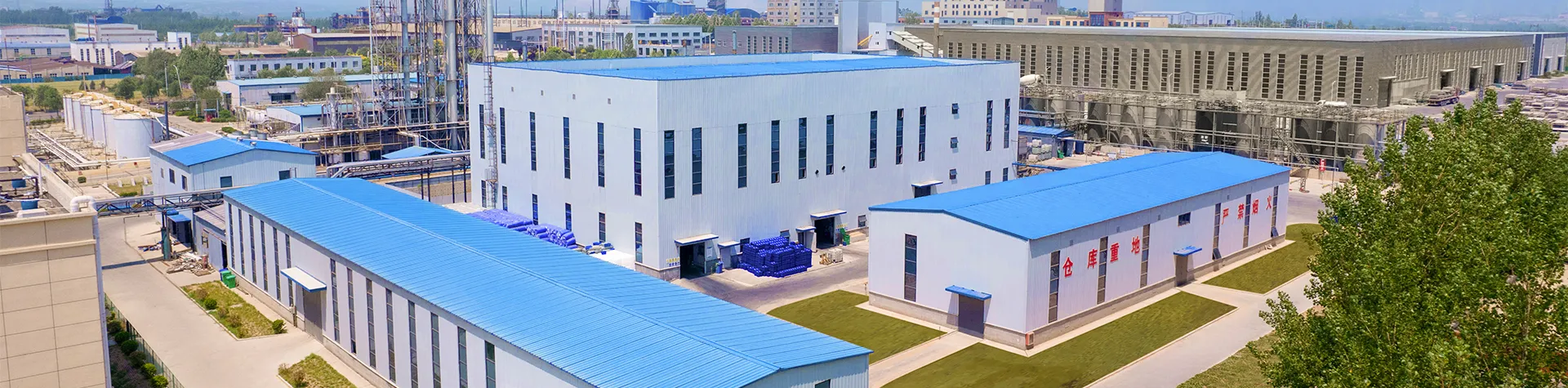
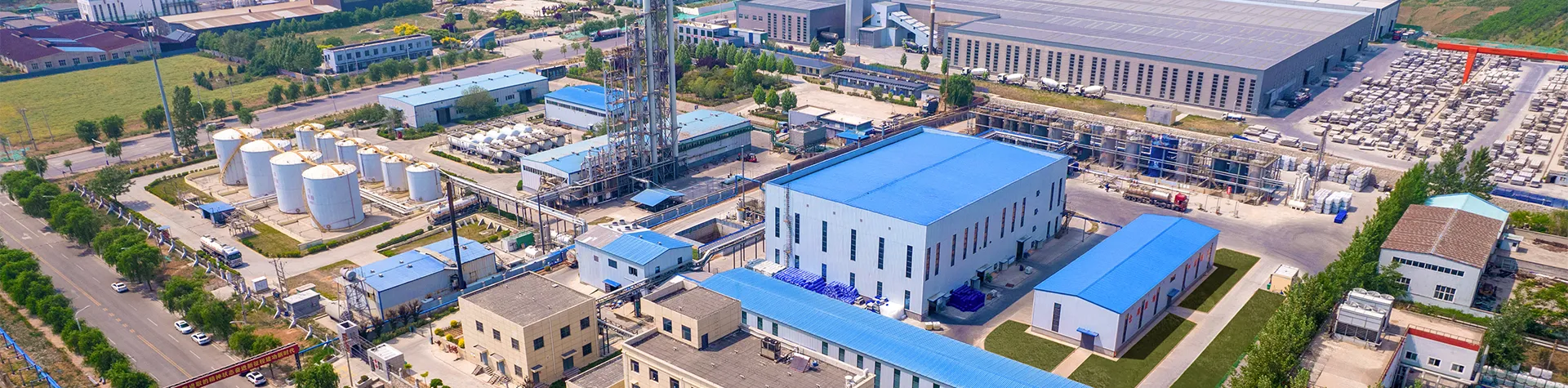
If you’ve ever fought with stubborn deposits in cooling loops or watched a heat exchanger lose efficiency week by week, you already know why a good Scale And Corrosion Inhibitor is worth its weight in uptime. The product on my bench today: Tetra Sodium of 1-Hydroxy Ethylidene-1,1-Diphosphonic Acid HEDP·Na4 (Granule), CAS 3794-83-0. It’s manufactured in Neiqiu County Industrial Zone, Xingtai, Hebei—an address I’ve actually visited; tidy plant, pragmatic engineering team. And yes, I asked annoying questions about granulation consistency. They didn’t flinch.
Industry pulse, briefly: phosphonate-based inhibitors, especially HEDP salts, are trending because they hold calcium in check, buffer against metal ion catalysis, and stay stable under alkaline conditions. To be honest, many customers say they value “predictable dosing” more than shiny brochures. Fair.
Product snapshot (typical, real-world use may vary):
Where it shines:
- Recirculating cooling water and chillers (steel, petrochem, HVAC).
- RO pretreatment and desalination, as a threshold antiscalant.
- Geothermal loops, oilfield injection water, paper & pulp evaporators.
- Heat exchangers where chloride is “a bit lively” and you still need control.
How it works (fast version): this Scale And Corrosion Inhibitor complexes Ca2+/Fe2+/Fe3+, disturbs crystal growth (threshold effect), and forms a protective film that lowers corrosion rates on carbon steel and copper alloys—especially paired with zinc salts or azoles. Dosing? Typically 5–30 mg/L in cooling circuits; 1–3 mg/L upstream of RO. I guess you tweak for LSI/RSI, temperature, and makeup water.
Process flow (manufacturing, simplified):
- Materials: phosphorous acid, acetic sources, PCl3; then neutralized with NaOH to tetrasodium salt.
- Methods: controlled synthesis, hydrolysis, neutralization, granulation, low-temp drying.
- QC/testing: active content via titration/ICP-OES; Fe by ICP; pH; chelation capacity; thermal stability. Corrosion bench tests commonly follow NACE/ASTM methods (see citations).
- Service life in system: inhibitor film is maintained via continuous feed; performance audits every 2–4 weeks.
Compliance and certifications (available upon request): ISO 9001/14001/45001; NSF/ANSI/CAN 60 for potable-related applications depends on site/product registration; REACH-ready SDS. Many clients, surprisingly, also ask for Halal documentation for global plants—possible.
Vendor comparison (indicative):
Application method (field-proven):
- Pre-clean system; verify metallurgy.
- Start at 10–15 mg/L; adjust to achieve target scaling indices ≤ 0 and corrosion rates ≤ 1.5 mpy (carbon steel) in side-stream coupons.
- Pair with biodispersant if biofouling pressure is high.
Case notes (abridged):
- Steel plant cooling tower: switching to this Scale And Corrosion Inhibitor cut CaCO3 deposition by ≈ 40% in 6 weeks; corrosion coupon on CS dropped from 3.2 to 1.1 mpy.
- RO pretreatment at a food processor: 25% longer clean-in-place interval, stable differential pressure, same recovery rate. Operators were, frankly, relieved.
Logistics and origin:
- Origin: No. 3, North of Haohua East Road, North Park, Neiqiu County Industrial Zone, Xingtai City, Hebei Province.
- Packs: 25 kg bags; 500/1000 kg FIBCs. Store cool and dry; keep sealed.
Many customers say the big win is predictability. I’d add: it plays nicely with most standard programs and tolerates a bit of operator variability—within reason, of course.
References:
1) ASTM G31 – Standard Practice for Laboratory Immersion Corrosion Testing of Metals.
2) NACE TM0169 (G31) – Laboratory Corrosion Testing of Metals (AMPP).
3) NSF/ANSI/CAN 60 – Drinking Water Treatment Chemicals—Health Effects.
4) ASTM D511/D1126 – Water hardness and silica test methods for makeup/recirculating waters.
| Product | HEDP·Na4 (Granule) |
| Appearance | White to off‑white granules |
| Active content (as HEDP·Na4) | ≈ 90–95% (COA prevails) |
| pH (1% solution) | ≈ 11.0 ± 1.0 |
| Iron, Fe | ≤ 35 ppm (typ.) |
| Chelation capacity (as CaCO3) | ≈ 450–520 mg/g |
| Solubility in water | > 99% |
| Shelf life | 24 months (dry, sealed) |
| Criteria | LKPBTC (Hebei) | Vendor A | Vendor B |
|---|---|---|---|
| Active content assurance | COA per lot; ≈ 90–95% | ≈ 88–92% | ≈ 90% (typ.) |
| Granule consistency | Low dust, good flow | Mixed particle size | Low dust |
| Lead time | ≈ 10–15 days EXW | ≈ 20 days | ≈ 12–18 days |
| Customization | Bag size, inhibitor blends | Limited | Yes (MOQ applies) |
Share
Latest news
-
Comprehensive Analysis on Why Aluminum Chlorohydrate Safe for UseNewsApr.16,2026
-
Industrial Applications and Guide to Chloride of AluminiumNewsApr.09,2026
-
Exploring Aluminium Chloride Properties Applications and Sourcing InformationNewsApr.07,2026
-
Comprehensive Guide to Chloride Aluminium Properties Applications and SourcingNewsApr.04,2026
-
Understanding Aluminium Chloride Properties Applications and Sourcing DetailsNewsMar.31,2026
-
Understanding Aluminium Chloride Properties Applications and SourcingNewsMar.28,2026