





Comprehensive Guide to Aluminum Chloride Coagulant for Water and Wastewater Treatment
Aluminum Chloride Coagulant: A Comprehensive Guide
Aluminum chloride coagulant is a widely used chemical in water treatment and industrial processes for removing impurities and clarifying liquids. Its effectiveness stems from its ability to neutralize the charges of suspended particles, causing them to aggregate and settle. This article will explore the properties, applications, advantages, and considerations when utilizing aluminum chloride coagulant, offering a detailed overview for professionals and those involved in water and wastewater management. Choosing the right coagulant is crucial for efficient and cost-effective treatment.
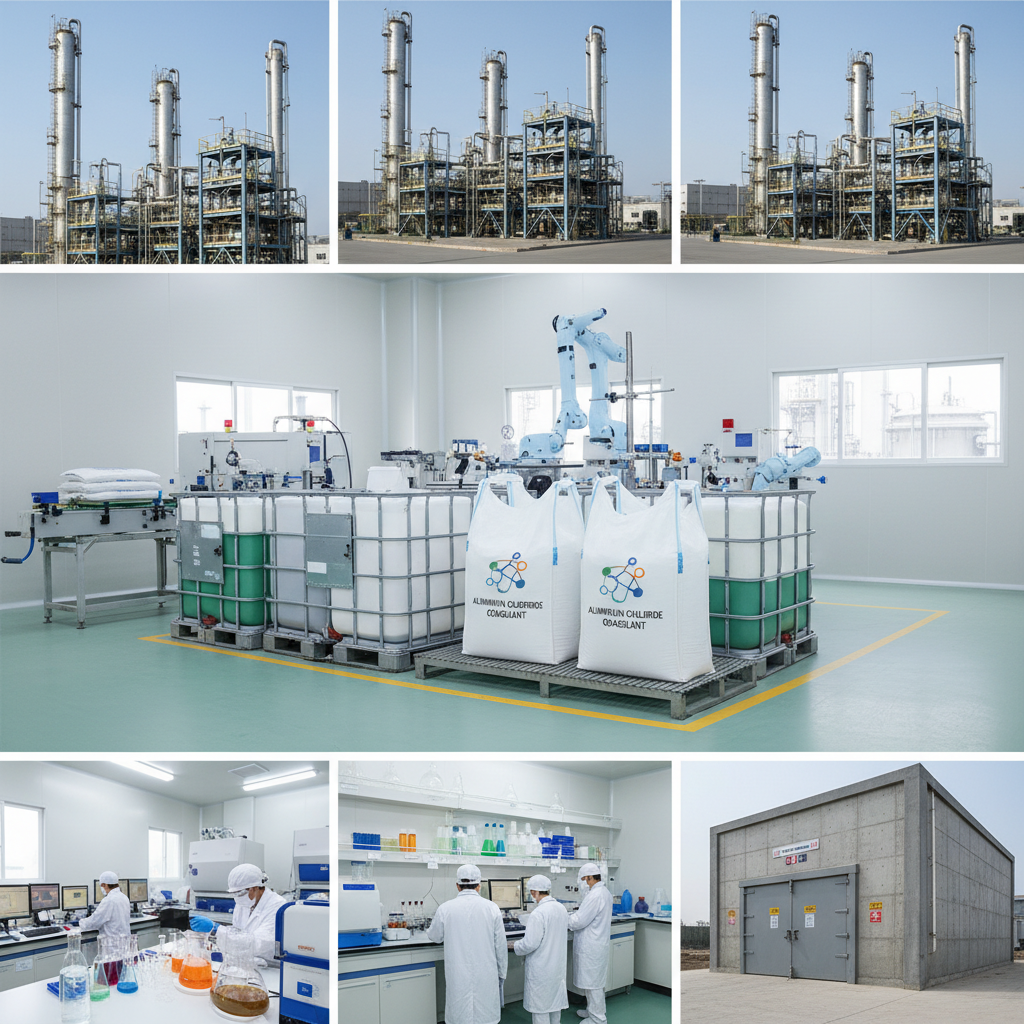
Understanding Aluminum Chloride Coagulant
Aluminum chloride (AlCl₃) is an inorganic salt that exists as a white crystalline powder or in solution. As a coagulant, it functions by introducing positively charged aluminum ions into the water. These ions neutralize the negative charges on colloidal particles – like clay, silt, and organic matter – that cause turbidity. Neutralizing these charges allows the particles to clump together, forming larger, heavier flocs that settle out of the water. The specific formulation and concentration of the aluminum chloride are vital to optimal performance, depending on the characteristics of the water being treated. LKP BTC provides various grades tailored to specific needs.
Key Benefits: Effective turbidity removal, reduced color, and improved water clarity. Aluminum chloride is also often cost-effective compared to other coagulants.
Applications of Aluminum Chloride Coagulant
Aluminum chloride coagulant finds extensive applications in a wide range of industries. Primary uses include: Municipal water treatment, where it clarifies drinking water; Wastewater treatment, removing pollutants from industrial and domestic wastewater; Paper manufacturing, aiding in the retention of fillers and sizing agents; Textile industry, improving dye uptake and reducing effluent color; Leather tanning, precipitating proteins; and Oil & Gas industry, for wastewater management and oil recovery enhancement. The versatility of aluminum chloride makes it a crucial component in many industrial processes.
Application Areas:
• Drinking Water Purification
• Industrial Wastewater Treatment
• Paper & Pulp Industry
• Textile Processing
Aluminum Chloride Coagulant vs. Other Coagulants
While several coagulants are available, aluminum chloride offers distinct advantages and disadvantages compared to alternatives like alum (aluminum sulfate) and ferric chloride. Aluminum chloride typically requires a lower dosage for equivalent coagulation, making it cost-effective. However, it can lower the pH of the water, potentially necessitating pH adjustment. The choice of coagulant depends on the specific water chemistry and treatment goals. Consulting with LKP BTC’s experts can help determine the most suitable solution for your application.
Factors Influencing Aluminum Chloride Coagulation
Effective coagulation with aluminum chloride depends on several parameters, including pH, temperature, alkalinity, and the initial concentration of suspended solids. Maintaining the optimal pH range (typically 5.5 to 7.5) is crucial for maximizing coagulation efficiency. Higher temperatures generally enhance coagulation rates, while adequate alkalinity is necessary to buffer pH changes. Careful monitoring and adjustment of these parameters are essential for achieving consistent results. LKP BTC offers technical support to optimize your coagulation process.
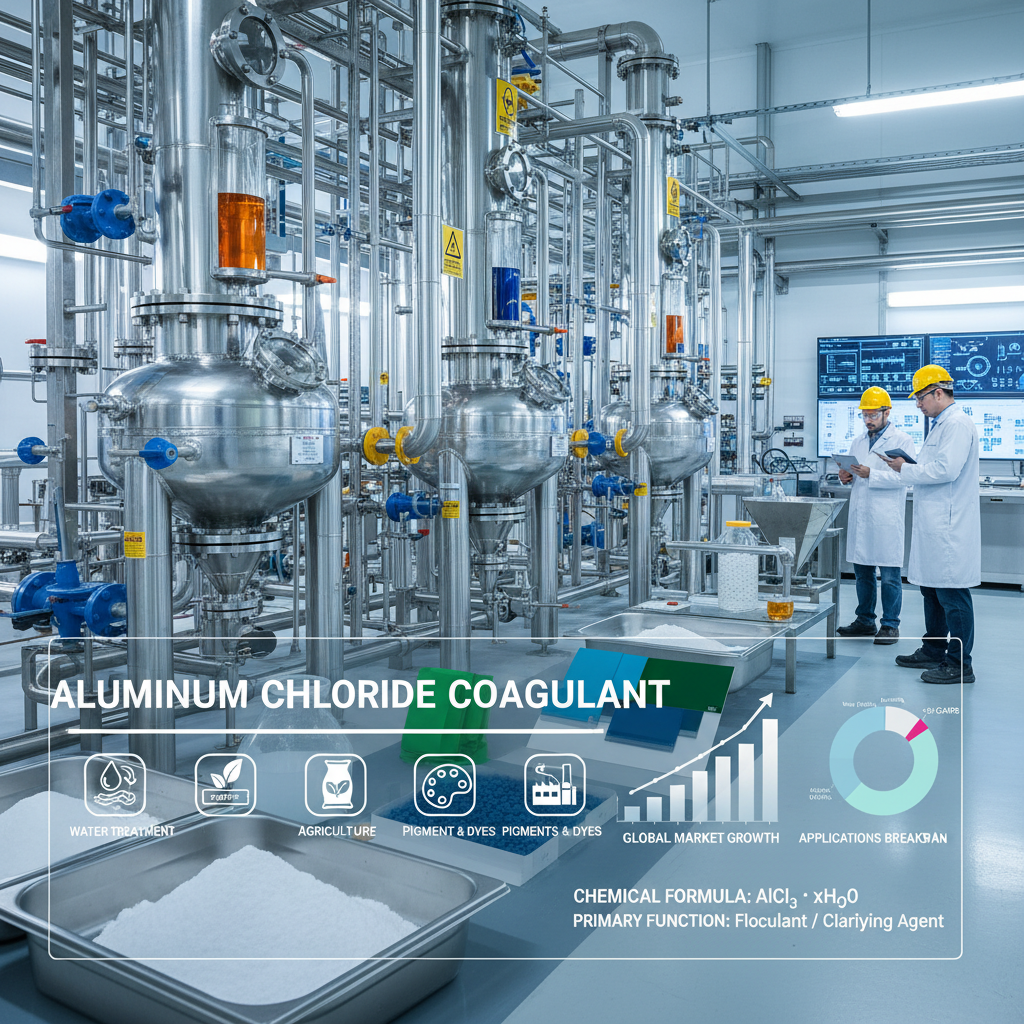
Safety Considerations and Handling
Aluminum chloride is a corrosive substance and requires careful handling. Always wear appropriate personal protective equipment (PPE), including gloves, safety glasses, and respiratory protection when handling the chemical. Avoid contact with skin and eyes. In case of contact, flush immediately with plenty of water. Store aluminum chloride in a cool, dry, and well-ventilated area, away from incompatible materials. Consult the Safety Data Sheet (SDS) for detailed safety information and handling instructions. LKP BTC provides comprehensive SDS documentation.
Conclusion: Optimizing Water Treatment with Aluminum Chloride
The aluminum chloride coagulant remains a powerful and versatile tool for achieving efficient water and wastewater treatment. Understanding its properties, applications, and optimal operating conditions is vital for maximizing its benefits. By carefully considering water chemistry and adhering to safety guidelines, you can effectively utilize aluminum chloride to improve water quality and protect the environment.
Frequently Asked Questions (FAQs)
What is the optimal pH range for aluminum chloride coagulation?
The optimal pH range for aluminum chloride coagulation is typically between 5.5 and 7.5. Within this range, aluminum ions are most effectively destabilizing suspended particles. Below 5.5, the coagulation process may be inhibited due to the formation of insoluble aluminum hydroxide precipitates. Above 7.5, the aluminum ions can precipitate as aluminum hydroxide, reducing their effectiveness as a coagulant. Regular pH monitoring and adjustment are crucial for maintaining optimal coagulation performance. The required pH adjustment will depend on the source water characteristics.
How do I determine the correct dosage of aluminum chloride?
Determining the correct dosage requires jar tests to simulate the coagulation process. In jar tests, different doses of aluminum chloride are added to samples of the water being treated, and the flocculation and settling rates are observed. The optimal dosage is the lowest amount that produces clear water with minimal residual turbidity. Factors to consider include the initial turbidity, alkalinity, and temperature of the water. LKP BTC’s technical team can assist with jar testing and dosage optimization.
What safety precautions should I take when handling aluminum chloride?
Aluminum chloride is corrosive and can cause skin and eye irritation. Always wear appropriate personal protective equipment (PPE), including gloves, safety glasses, and a face shield. Avoid contact with skin, eyes, and clothing. In case of contact, flush affected areas with plenty of water for at least 15 minutes. Store aluminum chloride in a cool, dry, and well-ventilated area, away from incompatible materials. Refer to the Safety Data Sheet (SDS) for detailed safety information and handling instructions.
Can aluminum chloride be used in combination with other coagulants?
Yes, aluminum chloride can be used in combination with other coagulants, such as polymers, to enhance coagulation performance. Polymers can help to bridge flocs and improve their settling characteristics. Combining coagulants can be particularly effective when dealing with complex water matrices or challenging turbidity conditions. The optimal combination and dosage will depend on the specific water chemistry and treatment goals. Careful jar testing is recommended to optimize the combination.
-
Comprehensive Analysis on Why Aluminum Chlorohydrate Safe for UseNewsApr.16,2026
-
Industrial Applications and Guide to Chloride of AluminiumNewsApr.09,2026
-
Exploring Aluminium Chloride Properties Applications and Sourcing InformationNewsApr.07,2026
-
Comprehensive Guide to Chloride Aluminium Properties Applications and SourcingNewsApr.04,2026
-
Understanding Aluminium Chloride Properties Applications and Sourcing DetailsNewsMar.31,2026
-
Understanding Aluminium Chloride Properties Applications and SourcingNewsMar.28,2026