


Comprehensive Guide to Aluminum Chloride Products and Industrial Applications
Aluminum Chloride Products: A Comprehensive Guide
Aluminum chloride is a versatile chemical compound with a wide range of industrial applications. From acting as a catalyst in organic synthesis to being a key component in antiperspirants, its uses are diverse and crucial. This article provides an in-depth look at aluminum chloride products, exploring their types, applications, safety considerations, and the advantages of sourcing from a reputable supplier like LKPBTC. Understanding these compounds is vital for businesses relying on their unique properties.

Understanding the Different Forms of Aluminum Chloride
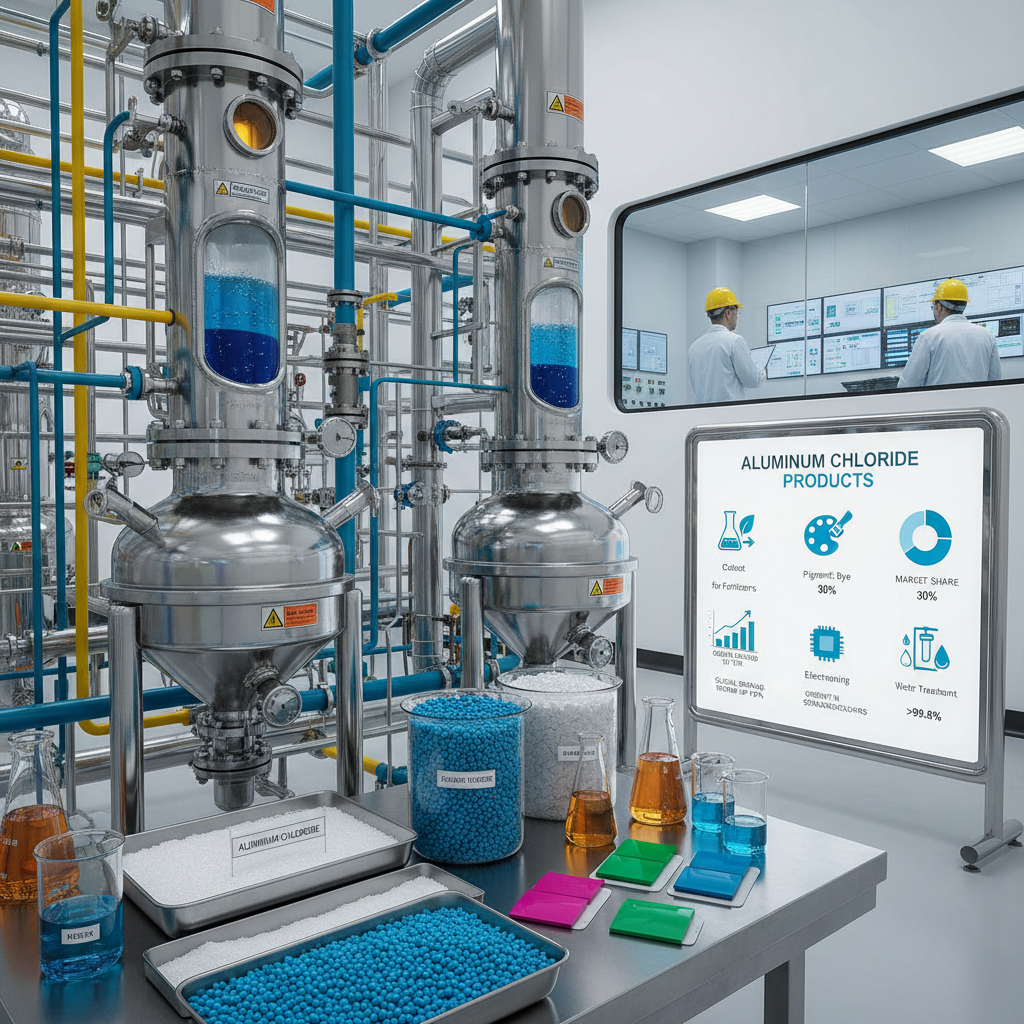
Aluminum chloride isn't just one single substance; it manifests in various forms, each possessing unique characteristics that lend themselves to specific applications. Anhydrous aluminum chloride (AlCl3) is the most common form, appearing as a white, crystalline solid. This form is highly reactive and serves as a powerful Lewis acid catalyst. Then there's basic aluminum chloride, which exists as hydrated forms, like aluminum chloride hexahydrate (AlCl3·6H2O). This form is typically found as granules or flakes and is more commonly used in water treatment processes. The choice between these forms depends heavily on the intended application and the required level of reactivity.
Key Highlights: LKPBTC offers both anhydrous and hydrated forms of aluminum chloride, ensuring a tailored solution for diverse industrial needs.
Key Applications of Aluminum Chloride
The versatility of aluminum chloride shines through its extensive application list. In the chemical industry, it’s a critical catalyst in Friedel-Crafts reactions, used in the production of numerous organic compounds like dyes and pharmaceuticals. It also finds use in petroleum refining as a catalyst in isomerization and cracking processes. Beyond this, aluminum chloride serves as a flocculant in water purification, assisting in the removal of impurities. The cosmetic industry utilizes it in antiperspirants to reduce sweat production. Finally, it's used in the production of aluminum metal and various other aluminum compounds.
Application Benefits:
• Catalyzes crucial chemical reactions.
• Enhances water purification processes.
• Provides effective sweat reduction in cosmetics.
• Essential in aluminum metal production.
Aluminum Chloride Products: A Comparative Overview
Choosing the right type of aluminum chloride product is crucial for optimal results. Here's a comparison of the two primary forms:
Safety Considerations When Handling Aluminum Chloride
Aluminum chloride is a corrosive substance and requires careful handling. Direct contact with skin and eyes should be avoided, as it can cause burns. Inhalation of dust or fumes can irritate the respiratory tract. Always wear appropriate personal protective equipment (PPE), including gloves, safety glasses, and a respirator when handling this chemical. Ensure adequate ventilation in the work area. Proper storage is also crucial – keep aluminum chloride in a tightly sealed container, away from moisture and incompatible materials. Review the LKPBTC Safety Data Sheet (SDS) for comprehensive safety guidelines.
Why Choose LKPBTC for Your Aluminum Chloride Needs?
LKPBTC is a trusted supplier of high-quality aluminum chloride products. We offer a wide range of specifications to meet your specific requirements, coupled with stringent quality control measures. Our commitment to reliability, competitive pricing, and excellent customer service sets us apart. We also provide comprehensive technical support and documentation, including SDS and Certificates of Analysis. With LKPBTC, you're not just purchasing a chemical – you're gaining a reliable partner dedicated to your success.
Conclusion: Partner with LKPBTC for Quality Aluminum Chloride
Selecting the right supplier of aluminum chloride products is essential for operational efficiency and product quality. LKPBTC is committed to delivering superior products, reliable service, and expert support. Contact us today to discuss your specific needs and discover how we can contribute to your success.
Frequently Asked Questions (FAQs)
What are the primary hazards associated with aluminum chloride?
Aluminum chloride is highly corrosive and can cause severe burns upon contact with skin and eyes. Inhalation of dust or fumes can irritate the respiratory system. It also reacts vigorously with water, generating heat and potentially releasing corrosive fumes. Proper handling procedures, including the use of appropriate PPE and adequate ventilation, are crucial to mitigate these hazards. Always consult the Safety Data Sheet (SDS) for comprehensive hazard information and safety guidelines. LKPBTC provides detailed SDS information with all our products, ensuring our customers are well-informed and equipped to handle the material safely.
What is the shelf life of aluminum chloride?
The shelf life of aluminum chloride depends on proper storage conditions. Anhydrous aluminum chloride is highly hygroscopic (absorbs moisture from the air) and will degrade over time if exposed to humidity. Properly sealed containers stored in a cool, dry environment will maximize shelf life. Generally, it can be stored for 2-3 years if properly protected. Aluminum chloride hexahydrate is less susceptible to degradation, but should still be stored in a dry environment. Check the product packaging for specific storage recommendations and expiry dates.
Can LKPBTC provide custom packaging options for aluminum chloride?
Yes, LKPBTC offers custom packaging options to meet your specific requirements. We understand that different applications may require varying quantities and packaging formats. We can accommodate requests for different bag sizes, container types, and labeling specifications. Please contact our sales team to discuss your custom packaging needs and receive a tailored quotation.
What quality control measures does LKPBTC employ for its aluminum chloride products?
LKPBTC maintains rigorous quality control standards throughout the entire production process. We conduct thorough testing of raw materials and finished products to ensure purity, concentration, and compliance with industry specifications. Our quality control procedures include chemical analysis, physical property testing, and visual inspection. We also provide Certificates of Analysis (COAs) with each shipment, detailing the results of these tests. Our commitment to quality ensures that our customers receive consistently reliable aluminum chloride products.
-
Comprehensive Analysis on Why Aluminum Chlorohydrate Safe for UseNewsApr.16,2026
-
Industrial Applications and Guide to Chloride of AluminiumNewsApr.09,2026
-
Exploring Aluminium Chloride Properties Applications and Sourcing InformationNewsApr.07,2026
-
Comprehensive Guide to Chloride Aluminium Properties Applications and SourcingNewsApr.04,2026
-
Understanding Aluminium Chloride Properties Applications and Sourcing DetailsNewsMar.31,2026
-
Understanding Aluminium Chloride Properties Applications and SourcingNewsMar.28,2026