





Comprehensive Guide to Aluminum Chloride Safe Handling and Potential Hazards
Is Aluminum Chloride Safe? A Comprehensive Guide
Aluminum chloride, a versatile chemical compound, finds applications in diverse industries like pharmaceuticals, cosmetics, and water treatment. However, questions surrounding its safety are common. This article provides a detailed exploration of aluminum chloride’s safety profile, potential hazards, handling precautions, and emergency procedures. Understanding these aspects is crucial for those working with or potentially exposed to this compound, ensuring safe and responsible usage. We aim to offer a clear and informative overview for both professionals and individuals seeking knowledge on this important chemical.
Understanding Aluminum Chloride: Properties and Uses
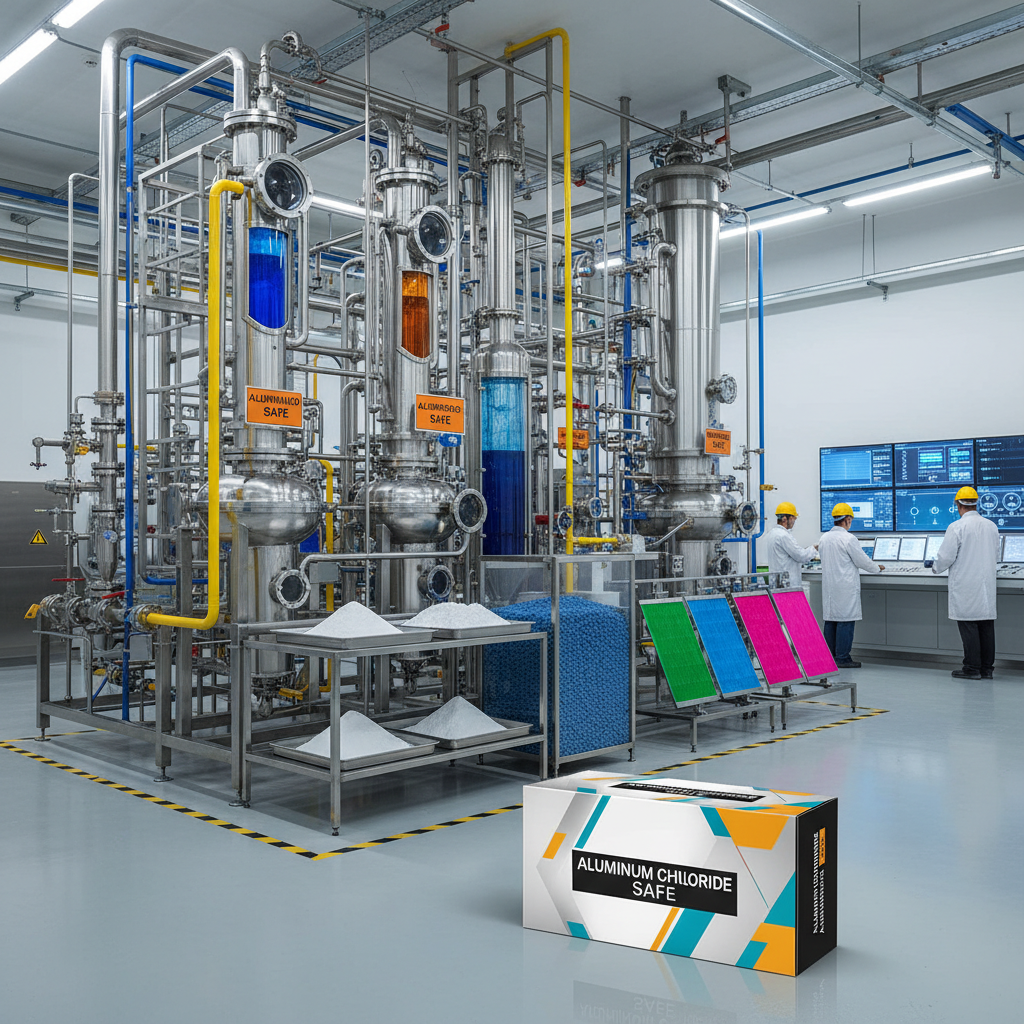
Aluminum chloride (AlCl₃) is a white or pale yellow crystalline solid. It's highly reactive with water, releasing heat and forming hydrochloric acid. This reactivity is a key factor in its numerous applications. It serves as a catalyst in organic synthesis, a flocculant in water purification, an antiperspirant in cosmetics, and a component in certain medications. The safety concerns primarily stem from its corrosive nature and potential for inhalation of fumes. Proper handling and storage are vital to mitigate these risks, and it’s critical to adhere to recommended safety guidelines provided by suppliers like LKPBTC. Understanding the specific application and concentration levels is also important for assessing potential hazards.
Key Highlights: Aluminum chloride's corrosive nature and reactivity with water necessitate careful handling and storage. Its applications span diverse industries, requiring tailored safety protocols for each use case.
Potential Hazards of Aluminum Chloride Exposure
Exposure to aluminum chloride can pose several health hazards. Direct contact with skin or eyes causes severe irritation and burns due to its corrosive properties. Inhalation of fumes can irritate the respiratory tract, leading to coughing, shortness of breath, and potentially pulmonary edema. Ingestion is also harmful, causing burns to the mouth and esophagus. Long-term exposure to high levels of aluminum compounds has been linked to neurotoxic effects, although the evidence is still being researched. The severity of the effects depends on the concentration of the aluminum chloride, duration of exposure, and individual sensitivity. Always consult a Safety Data Sheet (SDS) before handling and prioritize appropriate protective measures.
Exposure Risks:
• Skin and Eye Irritation/Burns
• Respiratory Tract Irritation
• Ingestion Hazards
• Potential Neurotoxic Effects (long-term)
Aluminum Chloride Safe Handling Practices
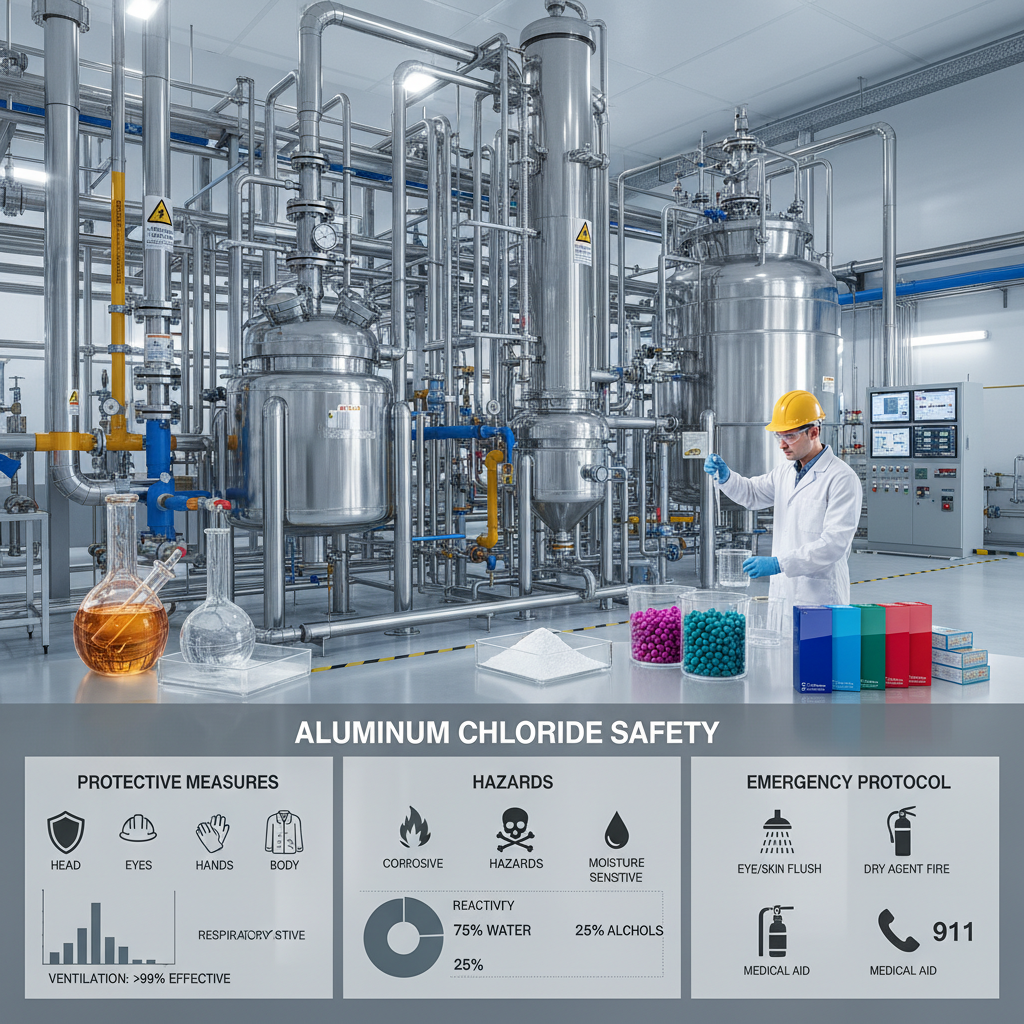
Safe handling of aluminum chloride requires strict adherence to specific protocols. Always wear appropriate personal protective equipment (PPE), including chemical-resistant gloves, safety goggles or a face shield, and a respirator if there’s a risk of inhaling fumes. Work in a well-ventilated area or use a fume hood. Avoid contact with water, as this generates heat and corrosive hydrochloric acid. Store aluminum chloride in a tightly sealed container in a cool, dry, and well-ventilated area, away from incompatible materials like water and strong bases. Dispose of waste materials according to local regulations. Training personnel on these procedures is paramount for a safe working environment. LKPBTC provides comprehensive documentation and support for safe handling.
Emergency Procedures: What to Do in Case of Exposure
In the event of aluminum chloride exposure, immediate action is critical. For skin contact, immediately flush the affected area with copious amounts of water for at least 15-20 minutes. Remove contaminated clothing. For eye contact, flush with water for at least 30 minutes, holding eyelids open. Seek immediate medical attention in both cases. If inhaled, move the person to fresh air and provide oxygen if breathing is difficult. If ingested, do NOT induce vomiting. Rinse the mouth with water and seek immediate medical attention. Always have the SDS readily available for medical personnel. Knowing these procedures can significantly reduce the severity of the consequences.
Regulatory Considerations and Safe Sourcing
The handling and use of aluminum chloride are subject to various regulations depending on the region and application. Understanding and complying with these regulations is essential for ensuring safety and avoiding legal issues. Furthermore, sourcing aluminum chloride from reputable suppliers like LKPBTC ensures product quality and access to comprehensive safety information, including SDS and technical support. Choosing a reliable supplier contributes to a safer and more responsible supply chain.
Conclusion: Prioritizing Safety with Aluminum Chloride
While aluminum chloride is a valuable chemical compound with numerous applications, its safe handling requires diligence and awareness. By understanding the potential hazards, implementing appropriate safety measures, and adhering to regulatory guidelines, the risks associated with its use can be effectively minimized. Partnering with a trusted supplier like LKPBTC further enhances safety through reliable product quality and expert support. Prioritizing safety is not only a legal obligation but also a moral responsibility.
Frequently Asked Questions (FAQs)
What is the best way to store aluminum chloride?
The best way to store aluminum chloride is in a tightly sealed, corrosion-resistant container, in a cool, dry, and well-ventilated area. It's crucial to keep it away from moisture, water, and incompatible materials like strong bases and oxidizing agents. Avoid direct sunlight and sources of heat. Regularly inspect the container for any signs of damage or corrosion. Following these storage guidelines prevents accidental reactions and maintains the chemical's stability.
What type of respirator is recommended when handling aluminum chloride?
The type of respirator recommended depends on the concentration of aluminum chloride fumes and the ventilation conditions. A NIOSH-approved respirator with an acid gas cartridge is generally recommended. For higher concentrations or in confined spaces, a supplied-air respirator may be necessary. It's essential to consult the SDS for specific recommendations and to ensure that the respirator is properly fitted and maintained. A comprehensive respiratory protection program, including training and fit testing, is crucial for effective protection.
Can aluminum chloride be neutralized after a spill?
Neutralizing aluminum chloride after a spill requires caution. While it can be neutralized, the reaction generates heat and potentially corrosive fumes. A dilute solution of sodium carbonate (soda ash) can be used, but it must be added slowly and cautiously. It's essential to wear appropriate PPE and work in a well-ventilated area. After neutralization, the residue should be collected and disposed of according to local regulations. For large spills, professional hazardous materials cleanup services should be contacted.
Where can I find a Safety Data Sheet (SDS) for aluminum chloride?
A Safety Data Sheet (SDS) for aluminum chloride should be readily available from your supplier. LKPBTC provides SDS documents for all their products. You can also find SDSs on the websites of chemical manufacturers and regulatory agencies like OSHA. The SDS contains critical information about the chemical's properties, hazards, handling precautions, and emergency procedures.
-
Comprehensive Analysis on Why Aluminum Chlorohydrate Safe for UseNewsApr.16,2026
-
Industrial Applications and Guide to Chloride of AluminiumNewsApr.09,2026
-
Exploring Aluminium Chloride Properties Applications and Sourcing InformationNewsApr.07,2026
-
Comprehensive Guide to Chloride Aluminium Properties Applications and SourcingNewsApr.04,2026
-
Understanding Aluminium Chloride Properties Applications and Sourcing DetailsNewsMar.31,2026
-
Understanding Aluminium Chloride Properties Applications and SourcingNewsMar.28,2026