



Comprehensive Guide to Benzalkonium Chloride Application and its Diverse Uses
Benzalkonium Chloride Application: A Comprehensive Guide
Benzalkonium chloride (BAC) is a versatile quaternary ammonium compound widely utilized as a disinfectant, antiseptic, and surfactant across numerous industries. Its effectiveness against bacteria, viruses, and fungi makes it a crucial component in many applications, ranging from healthcare to household cleaning. This article provides an in-depth exploration of the diverse benzalkonium chloride application, its benefits, considerations for use, and current market trends. Understanding its properties and appropriate usage is vital for maximizing its effectiveness and ensuring safety.

Understanding Benzalkonium Chloride (BAC): Properties and Mechanism
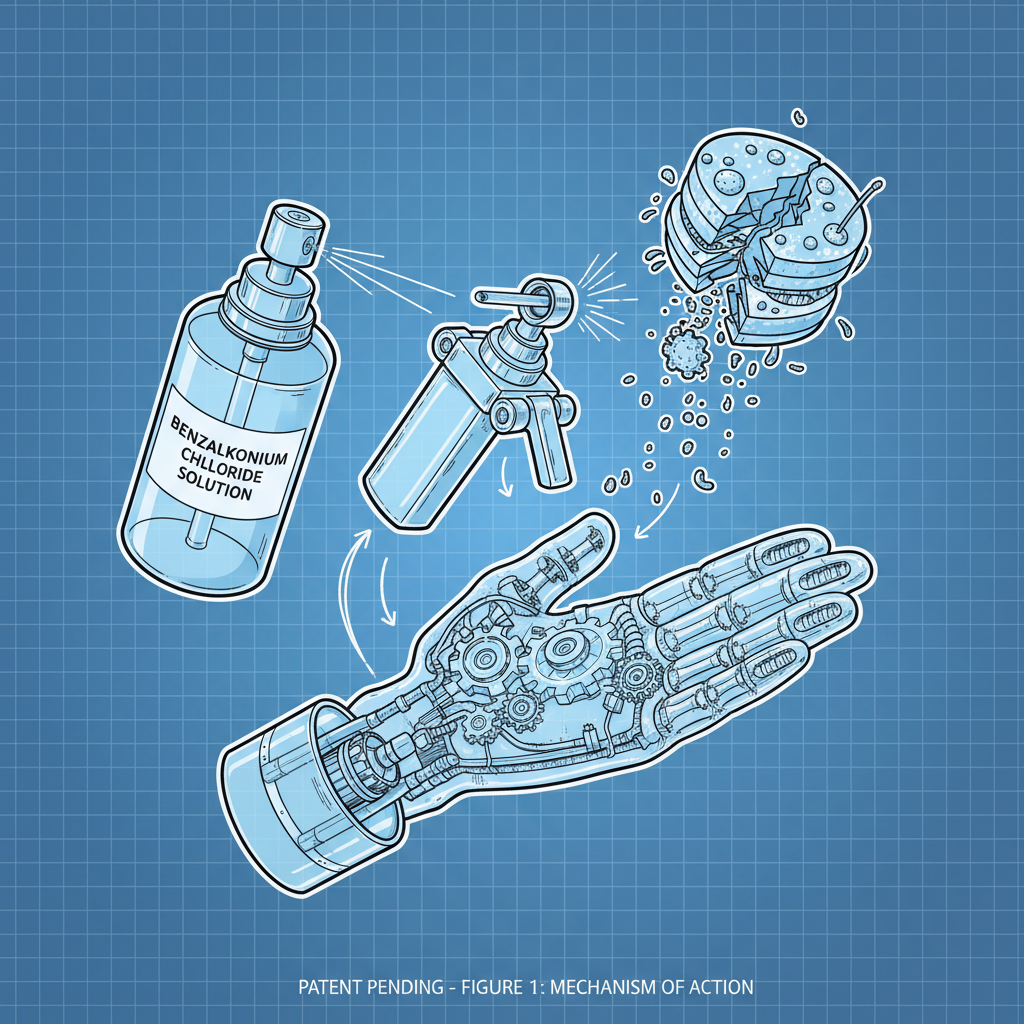
BAC functions by disrupting the cell membranes of microorganisms, leading to cell leakage and ultimately, their demise. It’s particularly effective against gram-positive bacteria, although it also exhibits activity against gram-negative bacteria, fungi, and certain viruses. It’s generally considered safe for topical use in low concentrations, but higher concentrations can be irritating to the skin and mucous membranes. BAC is also a cationic surfactant, which means it possesses both hydrophobic (water-repelling) and hydrophilic (water-attracting) properties. This dual nature allows it to emulsify oils, reduce surface tension, and act as a detergent, enhancing its cleaning power. The efficacy of BAC is influenced by factors such as concentration, contact time, temperature, and the presence of organic matter.
Key Highlights: BAC disrupts cell membranes, effective against various microorganisms, acts as a surfactant, and efficacy varies with conditions.
Diverse Applications of Benzalkonium Chloride
The broad-spectrum antimicrobial activity of BAC fuels its widespread applications. In healthcare, it’s a key ingredient in hand sanitizers, antiseptic solutions for wound care, and oral hygiene products like mouthwashes. Household applications include disinfecting cleaning sprays, laundry detergents, and fabric softeners. Industrially, it's employed as a preservative in paints, adhesives, and cosmetics. Furthermore, BAC finds use in aquaculture as a fish disinfectant, and in food processing as a surface sanitizer. The versatility of benzalkonium chloride continues to drive innovation in new application areas.
Application Areas:
• Healthcare: Hand sanitizers, wound care, oral hygiene
• Household: Cleaning sprays, detergents, fabric softeners
• Industrial: Preservatives, cosmetics
• Aquaculture and Food Processing
Benzalkonium Chloride in Healthcare: A Vital Role in Infection Control
Healthcare settings rely heavily on BAC for preventing the spread of infections. As a component of hand sanitizers, it rapidly reduces bacterial load on skin. In antiseptic solutions, it prepares skin for surgical procedures and cleans minor wounds. BAC-containing mouthwashes help reduce oral bacteria, contributing to improved oral health. It’s also used in nasal sprays to control bacteria and relieve congestion. However, concerns about the development of bacterial resistance to BAC necessitate judicious use and adherence to recommended concentrations. Ongoing research focuses on optimizing BAC formulations and combining it with other antimicrobial agents to combat resistance.
Safety Considerations and Potential Side Effects
While generally safe at recommended concentrations, BAC can cause skin irritation, allergic reactions, and eye discomfort in sensitive individuals. Ingestion of concentrated BAC solutions can be toxic. It’s crucial to follow manufacturer’s instructions and avoid prolonged or excessive exposure. Concerns have been raised regarding the potential for BAC to contribute to antibiotic resistance, prompting ongoing research into its long-term effects. Proper storage and disposal are also essential to prevent environmental contamination.
The Future of Benzalkonium Chloride: Research and Development
Research efforts are focused on overcoming BAC resistance and enhancing its antimicrobial activity. Combining BAC with other agents, encapsulating it in nanoparticles, and developing novel delivery systems are being explored. Additionally, scientists are investigating the potential of BAC in new applications, such as antiviral coatings and targeted drug delivery. Sustainable and eco-friendly production methods are also gaining attention to minimize environmental impact. LKP BTC is committed to delivering innovative and high-quality BAC solutions to meet evolving industry needs.
Conclusion: A Versatile Antimicrobial Agent
Benzalkonium chloride remains a valuable and versatile antimicrobial agent with a wide range of applications. Understanding its properties, benefits, and potential risks is crucial for responsible and effective use. Ongoing research and innovation will continue to refine its applications and address challenges like antibiotic resistance.
Frequently Asked Questions (FAQs)
What is the appropriate concentration of benzalkonium chloride for general disinfection?
The appropriate concentration for general disinfection typically ranges from 0.05% to 0.2%, depending on the application and the target microorganism. For surface cleaning, a 0.1% solution is often sufficient. However, higher concentrations may be required for specific applications, such as disinfecting medical equipment or treating heavily contaminated surfaces. Always refer to the manufacturer’s instructions for recommended concentrations and dilution ratios. Using excessively high concentrations does not necessarily improve efficacy and can increase the risk of adverse effects.
Can benzalkonium chloride be used on all surfaces?
While BAC is effective on many surfaces, it’s not suitable for all materials. It should not be used on metal surfaces that are prone to corrosion, as it can accelerate the process. Similarly, it may damage certain plastics and fabrics. It’s always recommended to test the solution on a small, inconspicuous area before applying it to a larger surface. Always consult the manufacturer's instructions for both the BAC product and the surface material to ensure compatibility.
Is benzalkonium chloride environmentally friendly?
BAC is biodegradable, but its complete breakdown in the environment can be slow. Its presence in wastewater can potentially impact aquatic organisms, although the effects are generally considered to be low at typical environmental concentrations. Responsible disposal practices, such as proper wastewater treatment, are crucial to minimize environmental contamination. Ongoing research is focused on developing more eco-friendly production methods and biodegradable alternatives.
What should I do if I accidentally ingest a benzalkonium chloride solution?
If you accidentally ingest a benzalkonium chloride solution, seek immediate medical attention. Do not induce vomiting unless directed to do so by a medical professional. Rinse your mouth thoroughly with water and drink a small amount of milk or water to dilute the solution. Symptoms of ingestion can include nausea, vomiting, abdominal pain, and potentially more severe complications. It's crucial to have the product label available to provide information to medical personnel.
-
Comprehensive Analysis on Why Aluminum Chlorohydrate Safe for UseNewsApr.16,2026
-
Industrial Applications and Guide to Chloride of AluminiumNewsApr.09,2026
-
Exploring Aluminium Chloride Properties Applications and Sourcing InformationNewsApr.07,2026
-
Comprehensive Guide to Chloride Aluminium Properties Applications and SourcingNewsApr.04,2026
-
Understanding Aluminium Chloride Properties Applications and Sourcing DetailsNewsMar.31,2026
-
Understanding Aluminium Chloride Properties Applications and SourcingNewsMar.28,2026