





Comprehensive Guide to Benzalkonium Chloride Use and Applications
Benzalkonium Chloride Use: A Comprehensive Guide
Benzalkonium chloride (BAC) is a widely used disinfectant and antiseptic with applications spanning healthcare, personal care, and industrial settings. Its effectiveness against a broad spectrum of microorganisms makes it a valuable component in numerous products. Understanding the diverse uses of benzalkonium chloride is crucial for informed application and safe handling. This article explores its properties, common applications, safety considerations, and sourcing options. It aims to provide a detailed overview for businesses and individuals seeking to utilize this versatile chemical compound effectively.
What is Benzalkonium Chloride?
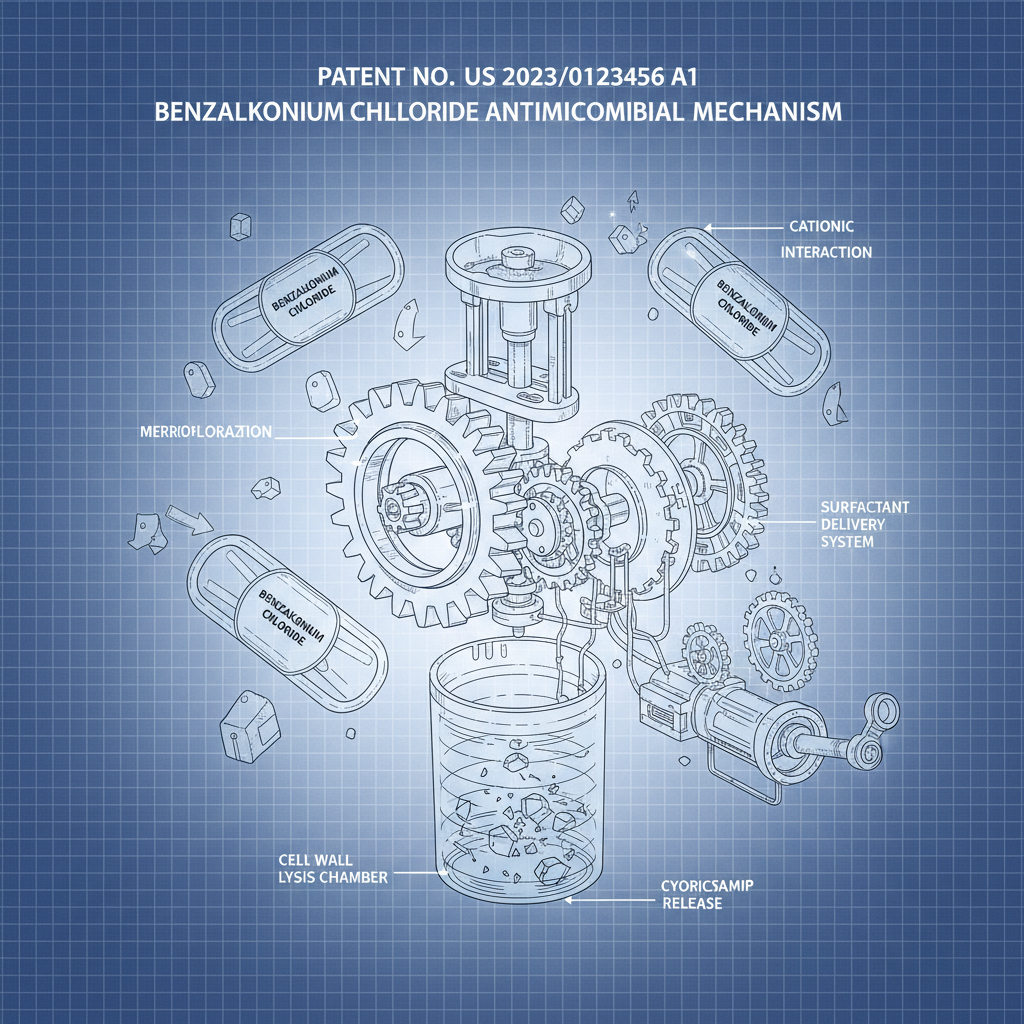
Benzalkonium chloride is a quaternary ammonium compound – a positively charged ion that disrupts the cell membranes of microorganisms. This disruption leads to cell leakage and ultimately, microbial inactivation. It’s a colorless to pale yellow liquid, readily soluble in water and alcohol. It's known for its cationic surface-active properties and is generally effective against bacteria, fungi, and some viruses. However, it is less effective against bacterial spores.
Key Highlights: A versatile quaternary ammonium compound known for its disinfectant and antiseptic properties, effective against a broad spectrum of microorganisms but less effective against spores.
Common Applications of Benzalkonium Chloride
The applications of benzalkonium chloride are remarkably diverse. In healthcare, it’s a key ingredient in hand sanitizers, antiseptic solutions for skin wounds, and as a preservative in ophthalmic solutions. In the personal care industry, you’ll find it in mouthwashes, antiseptic wipes, and various cosmetic products as a preservative. Industrially, it’s used as a disinfectant in cleaning products, algaecide in swimming pools, and as a biocide in various industrial processes. Its wide applicability stems from its potent antimicrobial activity and relative cost-effectiveness.
Application Areas:
• Healthcare: Hand sanitizers, wound cleansers, ophthalmic solutions
• Personal Care: Mouthwashes, antiseptic wipes, cosmetics
• Industrial: Cleaning products, algaecides, biocides
Benzalkonium Chloride Use in Different Industries
The concentration of benzalkonium chloride varies considerably depending on the application. For instance, a typical hand sanitizer may contain 0.1% - 0.2% BAC, whereas industrial disinfectants can contain up to 50% or higher. Understanding the appropriate concentration for each use is crucial for efficacy and safety. Different industries adhere to specific regulations and standards regarding BAC usage. Careful compliance is essential.
Safety Considerations and Handling of Benzalkonium Chloride
While generally considered safe at recommended concentrations, benzalkonium chloride can cause irritation to the skin, eyes, and respiratory tract. Direct contact should be avoided. When handling concentrated solutions, protective gloves, eye protection, and a respirator are recommended. In case of contact, rinse thoroughly with water. It’s important to store it in a cool, dry place away from incompatible materials. Always refer to the Safety Data Sheet (SDS) for detailed safety information before handling.

Sourcing Benzalkonium Chloride from a Reliable Supplier
When sourcing benzalkonium chloride, choosing a reputable supplier like LKP BTC is essential. Look for suppliers that provide high-quality products, offer detailed specifications, and adhere to stringent quality control measures. Verify certifications and ensure the supplier can provide necessary documentation, including SDS and Certificates of Analysis. Reliable suppliers will also offer competitive pricing and efficient logistics.
Conclusion
Benzalkonium chloride remains a crucial ingredient in numerous applications due to its effective antimicrobial properties. Understanding its uses, safety considerations, and sourcing options is paramount for ensuring optimal performance and safe handling. Partnering with a reputable supplier like LKP BTC ensures access to high-quality benzalkonium chloride to meet your specific needs.
Frequently Asked Questions (FAQs)
What is the difference between Benzalkonium Chloride and other quaternary ammonium compounds?
Benzalkonium Chloride (BAC) is a specific type of quaternary ammonium compound (QAC). While all QACs share a similar structure and antimicrobial properties, they differ in their alkyl chain lengths and chemical composition. These differences affect their effectiveness against specific microorganisms, their solubility, and their toxicity profiles. BAC is known for its broad-spectrum activity and relatively low toxicity, making it a common choice in many applications. Different QACs are tailored for specific uses, and their effectiveness can vary significantly depending on the target pathogen and the application environment.
Is Benzalkonium Chloride effective against viruses?
Benzalkonium chloride demonstrates varying levels of effectiveness against different viruses. It is generally effective against enveloped viruses, such as influenza and coronaviruses, by disrupting their lipid envelope. However, it is less effective against non-enveloped viruses, which lack this outer layer. The efficacy also depends on the concentration of BAC, contact time, and the presence of organic matter. While it can inactivate some viruses, it shouldn’t be relied upon as a primary defense against all viral infections.
Can Benzalkonium Chloride be used as a preservative in cosmetics?
Yes, Benzalkonium Chloride is commonly used as a preservative in cosmetics to prevent the growth of bacteria, yeast, and mold, extending the product's shelf life. However, regulations regarding its use vary by country. The permissible concentration is typically low, generally around 0.005% to 0.1%, to minimize the risk of skin irritation. Cosmetic manufacturers must adhere to these regulations to ensure product safety and compliance.
-
Comprehensive Analysis on Why Aluminum Chlorohydrate Safe for UseNewsApr.16,2026
-
Industrial Applications and Guide to Chloride of AluminiumNewsApr.09,2026
-
Exploring Aluminium Chloride Properties Applications and Sourcing InformationNewsApr.07,2026
-
Comprehensive Guide to Chloride Aluminium Properties Applications and SourcingNewsApr.04,2026
-
Understanding Aluminium Chloride Properties Applications and Sourcing DetailsNewsMar.31,2026
-
Understanding Aluminium Chloride Properties Applications and SourcingNewsMar.28,2026