
Dodecyldimethylbenzylammonium Chloride | High-Purity DDBAC
Benzalkonium Chloride (C12): Field Notes, Specs, and What Buyers Actually Ask
If you work with disinfectants or formulation bases, you’ve almost certainly crossed paths with dodecyldimethylbenzylammonium chloride. In industry shorthand, many of us just say BAC or BZK (C12). It’s the dependable quaternary ammonium compound that shows up in hospital wipes, CIP rinses, even cooling tower programs. And yes, trends are moving—toward lower-foaming blends, better hard-water tolerance, and documentation you can actually hand to auditors without sweating.
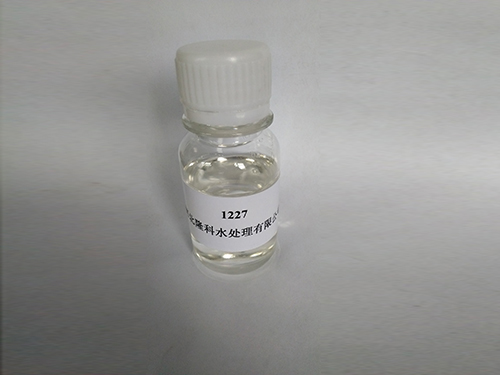
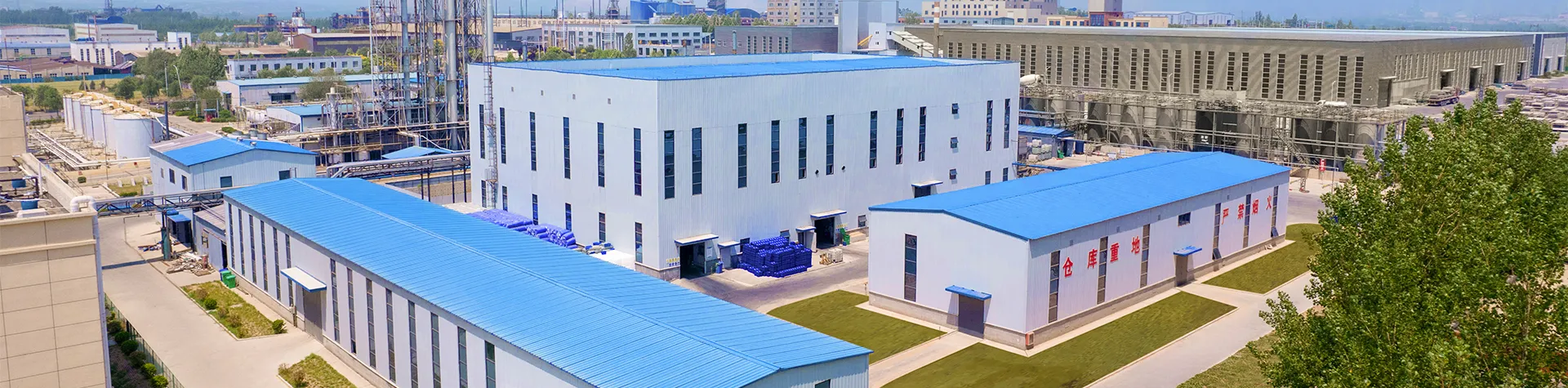
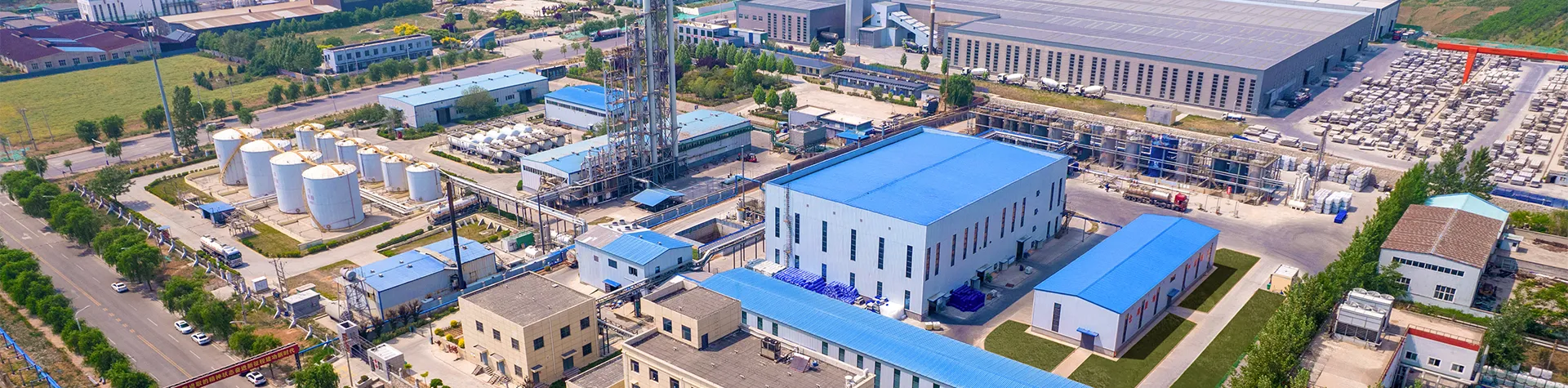
Product at a glance: Benzalkonium Chloride (Dodecyl Dimethyl Benzyl ammonium Chloride); CAS No. 8001-54-5 / 63449-41-2; single-chain C12 grade often cross-referenced as CAS 139-07-1 for the dodecyl-specific salt. Origin: No. 3, North of Haohua East Road, North Park, Neiqiu county Industrial Zone, Xingtai City, Hebei Province. To be honest, the location detail matters for import docs and lead time planning—freight is a silent tax in 2025.
Why it’s still winning (and where)
Hospitals, food plants, oil & gas, water treatment, and HVAC maintenance rely on BZK for broad-spectrum activity and surface compatibility. Many customers say they pick it over oxidizers for safety and material friendliness. In personal care, it appears in rinse-off products (with region-specific limits). In fact, demand nudged up with the push for non-corrosive, low-odor, quats that can pass EN testing without wrecking stainless.
Product specification (typical)
| Active content | ≈ 50% or 80% (w/w), real-world use may vary |
| Appearance | Clear to slightly hazy, pale yellow liquid |
| pH (10% aq.) | 6.0–8.0 |
| CAS | 8001-54-5 / 63449-41-2; dodecyl-specific: 139-07-1 |
| Shelf life | 24 months in original, sealed drums; avoid freezing |
| Standards | Supports EN 1276, EN 13697, ASTM E2315 validation when properly formulated |
Process flow (high level)
Materials: quaternary ammonium salt produced via controlled quaternization of benzyl-dimethylamine with a C12 alkyl source; followed by neutralization, polishing, dilution to 50%/80%, and QC release. Methods: closed reactor, solvent-free where possible, filtered, then filled into HDPE drums/IBCs. Testing: actives by titration (or HPLC), amine residue, color, pH, and microbiological efficacy on finished formulations. Service life: typically stable 24 months; performance in use depends on soils, hardness, and temperature.
Application snapshots
- Food processing: 0.1–0.2% use-dilution surface sanitizers (check local regs).
- Healthcare wipes: non-corrosive on stainless and plastics; low odor is a plus.
- Water systems: biofilm control in cooling towers; often blended with surfactants.
- Oil & gas: tank and line sanitation between batches.
Test data we’ve seen: EN 1276 ≥ 5-log reduction on E. coli and S. aureus at recommended contact times; EN 13697 surface tests pass on non-porous substrates; ASTM E2315 time-kill at 60 seconds looks strong against common vegetative bacteria. Of course, your matrix may nudge results up or down.
Vendor comparison (buyer’s quick view)
| Vendor | Docs & Certs | Customization | Lead Time | Notes |
|---|---|---|---|---|
| LKP Biotech (Neiqiu, Hebei) | COA, SDS, ISO 9001; test summaries for EN/ASTM | 50% or 80% actives; low-color spec; private label | ≈ 10–15 days ex-works | Factory origin helps pricing stability |
| Overseas Brand Supplier | Robust dossier; GMP plants for some lines | Tight spec windows; premium pricing | ≈ 3–5 weeks | Strong global support |
| Regional Trader | Basic COA/SDS | Limited | Stock dependent | Check batch-to-batch color/odor |
Case notes from the field
- Poultry plant: switched to a BZK-based final rinse, achieved ≥4-log reduction on Listeria in drains; operators reported less fume irritation.
- HVAC service firm: quarterly coil treatment reduced slime accumulation and pressure drop, with no visible copper staining—surprisingly rare.
- Bottling line: hard-water tolerant blend cut rewash rates by ~12% (three-month average), QA liked the clean odor profile.
Compliance and labeling matter. Certifications often include ISO 9001, and for biocidal claims you’ll map to EN 1276/13697, sometimes AOAC or ASTM methods. For the U.S., EPA registration applies to end-use products; the active is on List N for certain formulations when meeting label directions. And yes, dodecyldimethylbenzylammonium chloride must be handled with standard PPE and stored away from strong oxidants.
Final thought: if you need low color, tight odor, and repeatable titration values, dodecyldimethylbenzylammonium chloride from a factory source with documented QC beats bargain-bin buys. I guess it’s the one disinfectant base that rarely shocks me anymore—mostly because it just does what it says on the tin.
References
- U.S. EPA. List N and Quaternary Ammonium Compounds overview: https://www.epa.gov/pesticide-registration/list-n-disinfectants
- ECHA Substance Information: Benzalkonium chlorides (C12-C16): https://echa.europa.eu/substance-information
- EN 1276: Chemical disinfectants and antiseptics—Quantitative suspension test for bactericidal activity.
- ASTM E2315: Standard Guide for Assessment of Antimicrobial Activity Using a Time-Kill Procedure.
-
Comprehensive Analysis on Why Aluminum Chlorohydrate Safe for UseNewsApr.16,2026
-
Industrial Applications and Guide to Chloride of AluminiumNewsApr.09,2026
-
Exploring Aluminium Chloride Properties Applications and Sourcing InformationNewsApr.07,2026
-
Comprehensive Guide to Chloride Aluminium Properties Applications and SourcingNewsApr.04,2026
-
Understanding Aluminium Chloride Properties Applications and Sourcing DetailsNewsMar.31,2026
-
Understanding Aluminium Chloride Properties Applications and SourcingNewsMar.28,2026