


Scale and Corrosion Inhibitor - High-Purity HEDP Na2
HEDP•Na2: the quiet workhorse behind reliable cooling water and clean heat exchangers
I’ve toured a handful of water-treatment plants over the last decade, from midsize HVAC chiller rooms to power stations near the coast. The common thread? When scale takes hold or corrosion creeps in, energy bills spike and downtime follows. That’s why a proven scale and corrosion inhibitor matters more than the brochure gloss. One that keeps heat-transfer surfaces honest, dosing windows forgiving, and audits painless.
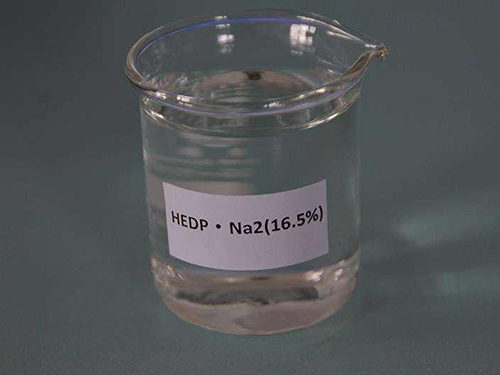
Enter Disodium Salt of 1‑Hydroxy Ethylidene‑1,1‑Diphosphonic Acid (HEDP•Na2), CAS 7414‑83‑7. To be honest, it’s not flashy—but it’s dependable. In fact, many customers say it’s the “set-and-forget” backbone of their water treatment program, especially where calcium carbonate, sulfate, and mild steel are the usual suspects.
Industry snapshot
Tighter discharge permits and ESG reporting are pushing plants toward cleaner cycles and better control programs. Surprisingly, HEDP salts still hold ground thanks to strong calcium tolerance, thermal stability up to around 150–200°C in most systems, and synergy with polymers and zinc. In closed loops and RO pretreatment, the scale and corrosion inhibitor story is about predictability under variable makeup water—something operators quietly value.
Product specifications (typical)
| Property | Typical value (≈) | Method / Standard |
|---|---|---|
| Appearance | Clear to slightly hazy aqueous solution | Visual |
| Active content (as HEDP) | 20–30 wt% (real‑world may vary) | Complexometric titration |
| Total phosphorus (as P) | ≈ 7–10 wt% | ICP‑OES; Standard Methods 4500‑P |
| pH (1% soln, 25°C) | ≈ 4.0–6.0 | ASTM E70 |
| Fe(III) chelation capacity | High, stable in alkaline range | Lab chelation test |
How it’s made and validated
Materials: phosphorous acid and carbonyl precursors undergo controlled phosphonation, then neutralization to the disodium salt. Methods: pH‑controlled reaction, filtration, and polishing. QC: active content titration, ICP‑OES phosphorus, and bench corrosion/scale screens. Testing references include ASTM G31 (corrosion coupons) and simulated recirculator tests akin to ASTM D2688. Shelf life: ≈ 12 months sealed; service life in system depends on continuous dosing and cycles of concentration.
Where it earns its keep
- Open recirculating cooling (HVAC, petrochemical, steel)
- Closed chilled and hot water loops (low‑foaming, easy passivation)
- RO pretreatment (anti‑scalant support, with polymers)
- Power plant condensers and geothermal brine moderation
- Oilfield waterflood and produced‑water handling (with compatibility checks)
Dosage: typically 5–30 mg/L as product; up to 50 mg/L during startup or stress. Plays nicely with Zn salts, phosphonates (ATMP, PBTC), and dispersant polymers—always jar test first.
Vendor landscape (quick comparison)
| Vendor | Origin | Strengths | Notes |
|---|---|---|---|
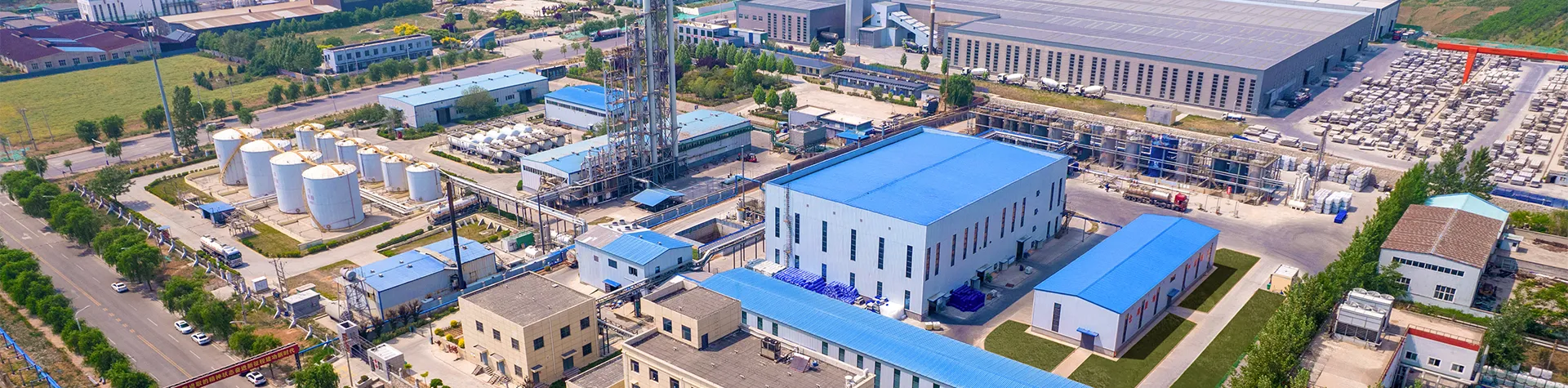
| Lanke Petrochemical (HEDP•Na2) | No. 3, North of Haohua East Road, North Park, Neiqiu county Industrial Zone, Xingtai, Hebei | Competitive pricing, steady lead times, customization | ISO/QC docs available on request |
| Global Brand Supplier | Multi‑region | Broad tech support, NSF/ANSI 60 options | Higher price, strong documentation |
| Regional Blender | Local | Fast delivery, flexible pack sizes | Specs vary; verify active content |
Customization and documentation
Concentration (≈20–30%), low‑chloride grades, and blend‑ready versions with polymers are common requests. Certificates often include COA, SDS, and—where applicable—NSF/ANSI 60 compliance for potable‑adjacent use. It seems that audit‑friendly batch traceability saves headaches later.
Field notes (mini case)
A 3,200 RT commercial tower saw rising approach temperatures and CaCO3 scale at drift eliminators. Switching to HEDP•Na2 with a polymer dispersant dropped deposit rate by ≈70% and stabilized mild‑steel corrosion near 1.0–1.5 mpy (ASTM G31 coupons) over 90 days. Not perfect science, but the energy bill told the story.
References:
1) ASTM G31-21, Standard Practice for Laboratory Immersion Corrosion Testing of Metals.
2) ASTM D2688-05(2017), Corrosivity of Water in the Absence of Heat Transfer (Recirculation Method).
3) NSF/ANSI 60, Drinking Water Treatment Chemicals—Health Effects.
4) ECHA Substance Information: 1-Hydroxyethane-1,1-diyldiphosphonic acid, disodium salt (HEDP•Na2).
-
Comprehensive Analysis on Why Aluminum Chlorohydrate Safe for UseNewsApr.16,2026
-
Industrial Applications and Guide to Chloride of AluminiumNewsApr.09,2026
-
Exploring Aluminium Chloride Properties Applications and Sourcing InformationNewsApr.07,2026
-
Comprehensive Guide to Chloride Aluminium Properties Applications and SourcingNewsApr.04,2026
-
Understanding Aluminium Chloride Properties Applications and Sourcing DetailsNewsMar.31,2026
-
Understanding Aluminium Chloride Properties Applications and SourcingNewsMar.28,2026