



DTPMPA Scale & Corrosion Inhibitor | High-Purity, Durable
Diethylene Triamine Penta (Methylene Phosphonic Acid) — field notes from the water-treatment trenches
I’ve been tracking phosphonate chemistry for years, and few molecules pull as much weight in tough systems as [Dtpmpa]. It’s the workhorse chelant/threshold inhibitor that quietly keeps heat exchangers, RO pretreatment loops, and oilfield brines out of trouble. To be honest, most plant engineers I speak with don’t care what it’s called—only that it works under high hardness, high temperature, and with plenty of oxidants floating around.
Quick context and why it matters
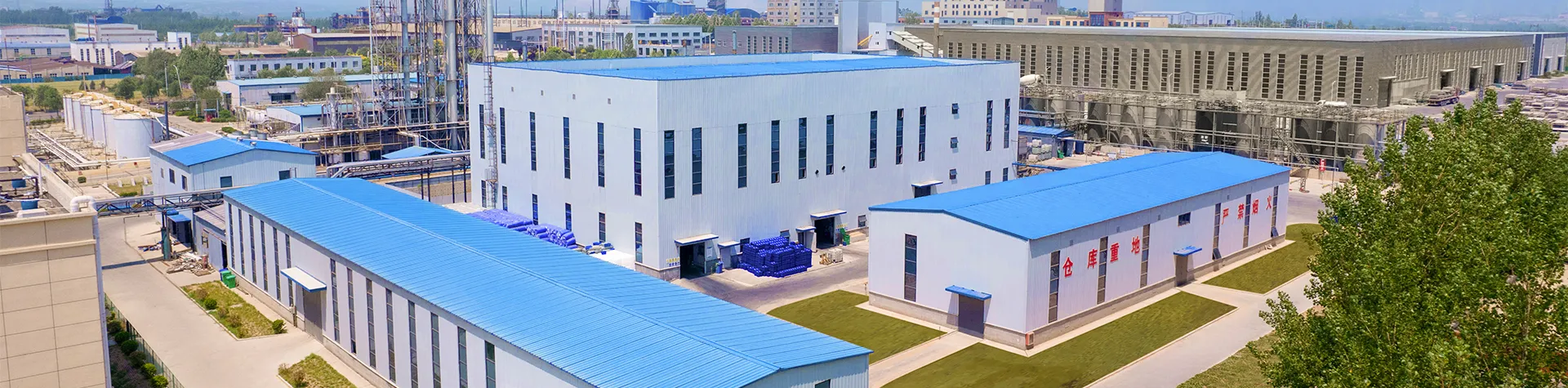
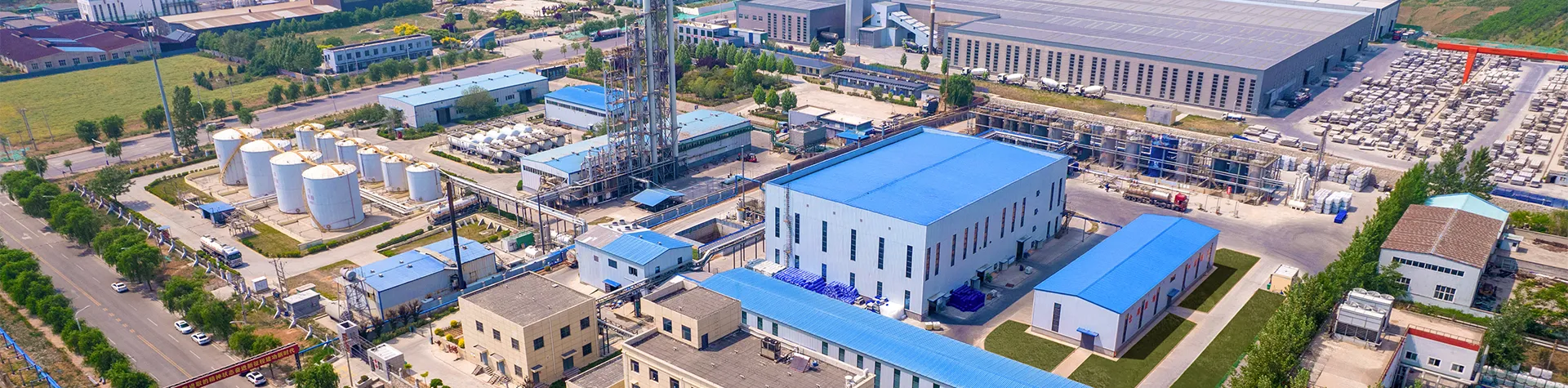
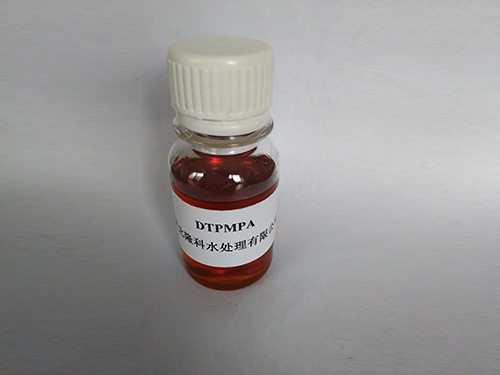
The industry trend is clear: cycles of concentration keep rising, discharge limits tighten, and oxidizing biocides are here to stay. Dtpmpa handles all three—great calcium tolerance, strong chelation/threshold effects, and better chlorine stability than most carboxylates. CAS No. 15827-60-8, typically supplied as an amber aqueous solution. Origin for the product discussed here: No. 3, North of Haohua East Road, North Park, Neiqiu county Industrial Zone, Xingtai City, Hebei Province.
Product specs (typical)
| Appearance | Amber liquid |
| Active acid content | ≈ 48–52% (w/w), real-world lots may vary |
| Total phosphorus (as P) | ≈ 30% (ICP-OES per ISO 11885) |
| pH (1% soln) | ≈ 2.0 ± 0.5 |
| Density (20°C) | ≈ 1.35 ± 0.05 g/cm³ |
| Chelation value (as CaCO₃) | ≥ 350 mg/g (lab titration data) |
| Corrosion test (CS coupons) | ≤ 0.1 mm/y at optimized dose (ASTM G31), indicative |
| Shelf life | 12–24 months sealed; service life in recirc systems ≈ 2–7 days per dose (operating dependent) |
Where it’s used
- Industrial cooling towers and closed loops (high LSI, high hardness).
- Oilfield injection/produced water; high TDS environments.
- Desalination pretreatment, evaporators, sugar and pulp & paper wash waters.
- Detergent auxiliaries and metal-cleaning blends where chelation helps.
Typical dose: 5–15 mg/L as threshold scale inhibitor; 10–30 mg/L when used with Zn²⁺ or polycarboxylates. Many customers say small tweaks—pH and biocide schedule—make a huge difference.
How it’s made (high-level)
Materials: diethylenetriamine (DETA), phosphorous acid (H₃PO₃), and formaldehyde. Method: controlled phosphonomethylation (Mannich-type), followed by stabilization/neutralization to target acidity, vacuum stripping, fine filtration. QC includes assay (acid-base), phosphorus by ICP-OES (ISO 11885), density check, and corrosion/scale tests on request. Packaging: 250 kg drums, 1,200 kg IBCs.
Compliance and testing
Common references: ISO 11885 for elemental P, ASTM G31 for corrosion rate on carbon steel coupons, and OECD 301 screening for biodegradability (phosphonates are generally not readily biodegradable—plan for discharge compliance). REACH and ISO 9001 documentation are typically available on request. Actual plant performance should be verified with on-site trials; lab metrics don’t capture biofouling/oxidant shocks perfectly.
Vendor snapshot (selection matters more than many think)
| Vendor | Active content | Certs | Lead time | Customization | Notes |
|---|---|---|---|---|---|
| LKP Biotech (Hebei, CN) | ≈ 50% | ISO 9001; REACH dossier available | 7–15 days | pH/assay tuning; blends | Factory origin; solid tech sheets |
| Import Brand M | 48–50% | ISO 14001, 9001 | 2–4 weeks | Limited | Premium pricing; wide stock |
| Regional Trader Y | ≈ 47–50% | COA only | Ready stock | None | Budget option; verify QC |
Case notes and feedback
Steel mill, recirc cooling: switching to Dtpmpa + zinc (3 mg/L Zn²⁺) cut CaCO₃ deposition by ≈ 40% and brought corrosion below 0.08 mm/y on low-carbon steel coupons (90-day average, ASTM G31). A coastal hotel chiller loop added 8 mg/L Dtpmpa during peak conductivity spikes—operators report “less sand-like grit in strainers” and longer intervals between acid cleans. Not scientific quotes, sure, but they line up with our lab curves.
Practical tips
- Pre-dilute to 10–20% for metering stability; avoid mixing with strong oxidizers in the same tank.
- Great synergy with Zn²⁺ and low-MW polyacrylates; watch orthophosphate limits in discharge.
- Track residuals indirectly via Ca²⁺ balance and heat-transfer deltas if on-line P isn’t available.
Citations
- ECHA Substance Information: DTPMP (Diethylenetriaminepenta(methylene phosphonic acid)).
- ASTM G31 – Standard Practice for Laboratory Immersion Corrosion Testing of Metals.
- ISO 11885 – Water quality — Determination of selected elements by ICP-OES.
-
Comprehensive Analysis on Why Aluminum Chlorohydrate Safe for UseNewsApr.16,2026
-
Industrial Applications and Guide to Chloride of AluminiumNewsApr.09,2026
-
Exploring Aluminium Chloride Properties Applications and Sourcing InformationNewsApr.07,2026
-
Comprehensive Guide to Chloride Aluminium Properties Applications and SourcingNewsApr.04,2026
-
Understanding Aluminium Chloride Properties Applications and Sourcing DetailsNewsMar.31,2026
-
Understanding Aluminium Chloride Properties Applications and SourcingNewsMar.28,2026