
Hydroxyphosphonoacetic Acid (HPAA): Best for Cooling Towers?
2-hydroxyphosphonoacetic acid (HPAA): field notes, specs, and what buyers are really asking
If you’ve spent any time troubleshooting stubborn scale in high-hardness circuits, you’ve heard of hydroxyphosphonoacetic acid. In practice, HPAA sits in a sweet spot: strong threshold inhibition, reasonable chlorine tolerance, and easy blending with other phosphonates. It’s also known by CAS No. 23783-26-8 and often supplied at ≈50% active. I’ve seen maintenance teams switch to it when HEDP alone couldn’t hold CaCO3 at elevated LSI—especially when heat load creeps up mid-summer.
Industry trend check
The water-treatment market keeps nudging toward low-phosphorus discharge, but operators still want robust scale control under heat stress. hydroxyphosphonoacetic acid is a pragmatic compromise—lower P than classic polyphosphate programs, strong CaCO3/CaSO4 inhibition, and good compatibility with zinc, molybdate, or azoles in all-organic packages. In oilfield waterfloods, I’m seeing HPAA used as a backbone inhibitor, then customized for Ba/Sr sulfates with boosters as needed.
Where it’s used (and why)
- Open recirculating cooling systems (steel, petrochemical, HVAC).
- Once-through and closed-loop circuits needing low-foaming, chlorine-tolerant inhibitors.
- Oilfield injection water and produced-water handling where scaling indices swing.
- RO antiscalant blends (select cases; pilot first).
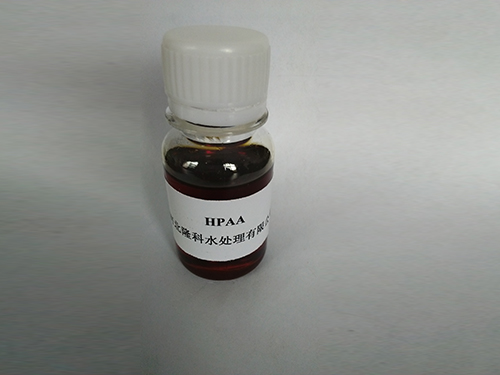
Product snapshot: 2-hydroxyphosphonoacetic acid (HPAA)
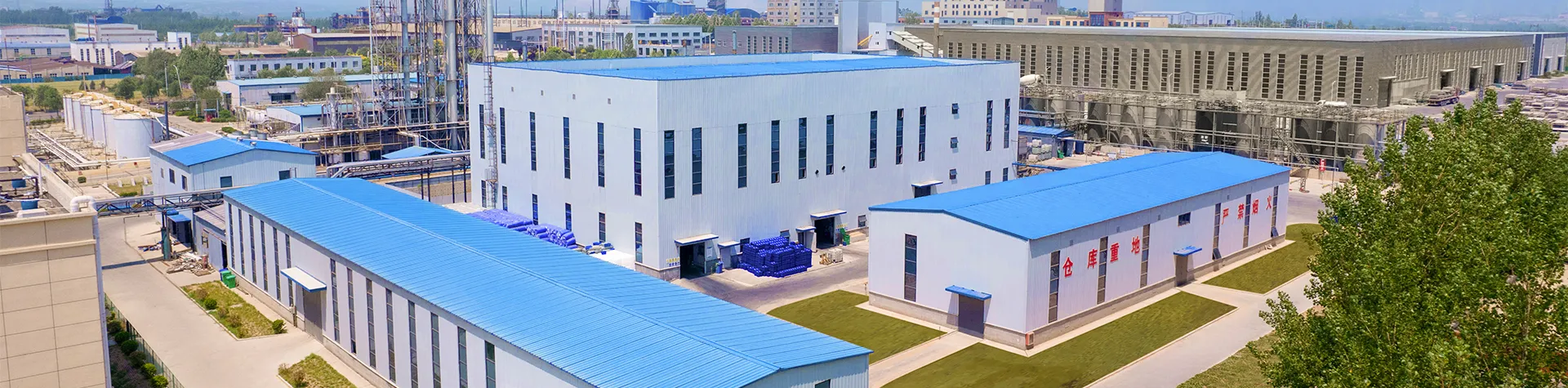
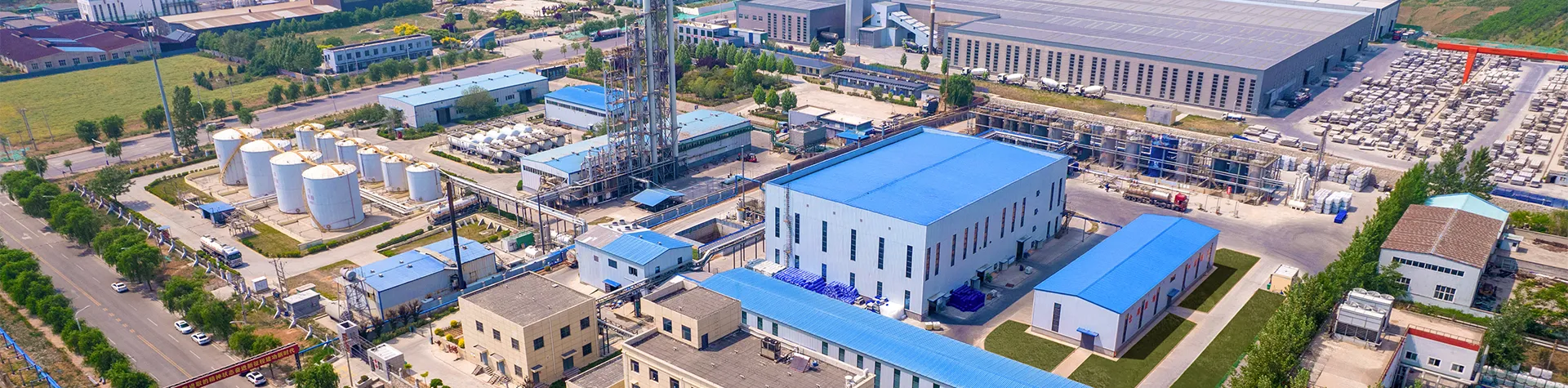
Origin: No. 3, North of Haohua East Road, North Park, Neiqiu county Industrial Zone, Xingtai City, Hebei Province. Many customers say it ships clean—low turbidity, consistent acidity—good for automated feed.
| Parameter | Typical value (≈) | Notes / method |
|---|---|---|
| Appearance | Clear to light-amber liquid | Visual |
| Active content | 50% ±1% | Potentiometric titration (internal) |
| pH (1% soln) | 1.0–3.0 | pH meter, 25°C |
| Density @20°C | ≈1.30 g/cm³ | Hydrometer |
| Fe³⁺ tolerance | Good up to 5–10 mg/L | Jar test, clarity |
| Storage life | 12 months sealed | 5–35°C, avoid freezing |
Process flow (how it’s made and checked)
Materials: phosphorous acid and glyoxylic acid (among others). Method: controlled addition in a glass-lined reactor, temperature hold, then polishing filtration and concentration. QC: active content by titration, density, pH, clarity, sometimes ICP for metals. Packaging: typically 250 kg drums or IBCs. Service life depends on storage—keep sealed; agitation before dosing helps.
Dosing, testing, and performance
- Cooling water: 5–20 mg/L as active for maintenance; 30–50 mg/L during startup or high LSI. Real-world use may vary.
- Field verification: calcium hardness, LSI/RSI, deposit rate coupons, and jar tests. ASTM D1126 is your friend for hardness checks.
- Scale inhibition: in my notes, hydroxyphosphonoacetic acid at 10 mg/L held CaCO3 inhibition >95% at 60°C, LSI ≈+1.8; your mileage may vary with alkalinity and TDS.
Advantages (why teams pick HPAA)
Strong threshold effect, decent oxidative stability, blends nicely with PBTC/HEDP, and shows good performance in moderate iron waters. From a compliance angle, it often fits better into low-P discharge limits than old-school polyphosphates.
Vendor landscape (quick comparison)
| Vendor type | Strengths | Trade-offs |
|---|---|---|
| Hebei producer (factory-direct) | Stable supply, customization, cost leverage | Lead time for special grades |
| EU/US brand | Extensive documentation, multi-site QA | Premium pricing |
| Trading house | Flexible MOQs, quick spot fills | Spec variation across lots |
Customization and certifications
Options: low-metal grade, 50–60% active, blended packages (HPAA+PBTC+Zn). Documentation: ISO 9001 quality systems, SDS/GHS-compliant labeling, and REACH/TSCA status as applicable. For biodegradability screens, suppliers often reference OECD 301; ask for the specific variant and raw data.
Mini case notes
- Steel plant tower: after switching to hydroxyphosphonoacetic acid at 12 mg/L active within an all-organic program, acid clean frequency dropped from quarterly to semiannual—operators reported cleaner strainers and steadier ΔP.
- Oilfield injection: HPAA-based blend stabilized CaSO4 in high-sulfate water; dosing trimmed by ≈15% after jar tests aligned with NACE-style screening.
Safety quick take: it’s acidic; use PPE, secondary containment, and compatible metering pumps (PVDF/PTFE wetted parts). Neutralize spills per site SOP.
References
- OECD, Ready Biodegradability (OECD 301). https://www.oecd-ilibrary.org/environment/test-no-301-ready-biodegradability_9789264070349-en
- NACE (AMPP) TM0374, Laboratory screening tests for scale inhibitors. https://store.ampp.org
- ASTM D1126, Standard Test Method for Hardness in Water. https://www.astm.org/d1126
- ISO 9001:2015, Quality management systems — Requirements. https://www.iso.org/standard/62085.html
-
Comprehensive Analysis on Why Aluminum Chlorohydrate Safe for UseNewsApr.16,2026
-
Industrial Applications and Guide to Chloride of AluminiumNewsApr.09,2026
-
Exploring Aluminium Chloride Properties Applications and Sourcing InformationNewsApr.07,2026
-
Comprehensive Guide to Chloride Aluminium Properties Applications and SourcingNewsApr.04,2026
-
Understanding Aluminium Chloride Properties Applications and Sourcing DetailsNewsMar.31,2026
-
Understanding Aluminium Chloride Properties Applications and SourcingNewsMar.28,2026