

Isothiazolinones: Broad-Spectrum, Cost-Effective Biocides?
CMIT/MIT Buyer’s Field Guide: Specs, Testing, and Real-World Lessons
If you’re shortlisting isothiazolinones (CMIT/MIT) for paints, water systems, or paper chemistry, you’re in good company. Demand is up—partly because water-based everything is today’s baseline, and biofilms don’t care about your production schedule. I’ve toured plants where a weekend pause turned into a Monday morning microbial party. Not fun; very fixable.
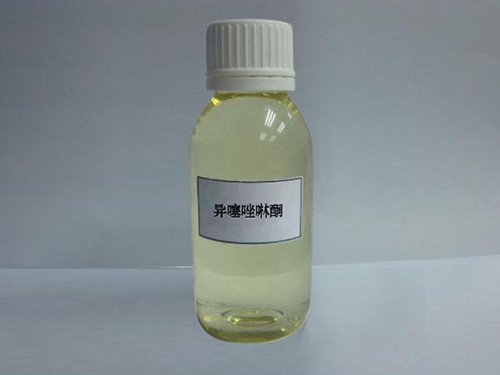
What makes isothiazolinones tick
CMIT/MIT (CAS 26172-55-4, 2682-20-4) is a fast-acting, broad-spectrum microbicide. Typical blends use magnesium salts to stabilize, kept slightly acidic to maximize potency. Low dose, strong kill—though, to be honest, formulation and water chemistry matter a lot more than brochures admit.
Typical product specifications
| Product | Isothiazolinones (CMIT/MIT) aqueous blend |
| Active content (total) | ≈ 1.5% or 2.5% (real-world use may vary by spec) |
| CMIT:MIT ratio | 3:1 typical; custom ratios available |
| Appearance | Clear to pale-yellow liquid |
| pH (as supplied) | 2.0–5.0 |
| Solubility | Fully miscible in water |
| Recommended dose | 5–30 ppm active in process water; 0.02–0.1% in formulations (always lab-validate) |
| Shelf life | ≈ 12 months sealed at 5–30°C; service life in systems depends on load (often 2–8 weeks between shots) |
Where isothiazolinones work best
- Water-based paints, coatings, inks, adhesives, sealants
- Cooling towers, closed loops, air washers
- Pulp & paper wet-end, starch kitchens, white water
- Oil & gas (frac waters, drilling fluids), mining slurries
- Household & I&I cleaners—with regulatory checks per region
Regulatory note: cosmetics and skin-contact products have strict limits; the EU bans CMIT/MIT in leave-on, tightly restricts rinse-off. Always verify local rules.
Process flow and QA (short version)
- Materials: CMIT, MIT actives; stabilizers (e.g., magnesium salts); DI water; acid for pH trim.
- Methods: controlled dilution and blending; pH adjustment; in-line mixing; 5 µm polishing filter for clarity.
- Testing standards: Preservative efficacy via ISO 11930 (for applicable formulations); rapid kill by ASTM E2315; disinfectant performance EN 1276; biodegradation screens OECD 301.
- Release tests: assay by HPLC; pH; appearance; MIC against E. coli, P. aeruginosa, S. aureus, C. albicans (typical MIC 1–10 ppm—lab-dependent).
Vendor comparison (indicative)
| Vendor | Assay/Ratio | Docs & Compliance | Lead Time | Customization |
|---|---|---|---|---|
| LKP Biotech (Hebei) | 1.5–2.5% CMIT/MIT, 3:1 std. | COA, SDS; REACH/EPA support on request | ≈ 7–14 days | Yes: ratio, ppm, packaging |
| EU Brand Supplier | 1.5% premium grade | Extensive BPR dossier | 2–4 weeks | Limited SKUs |
| US Mixer | 2.5% value grade | EPA-listed product line | 1–2 weeks | Private label options |
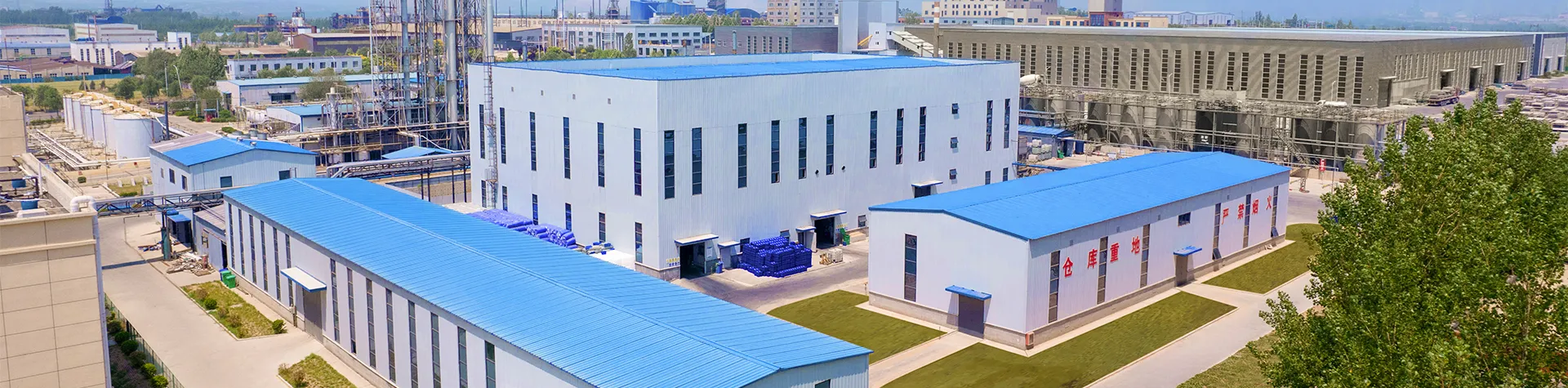
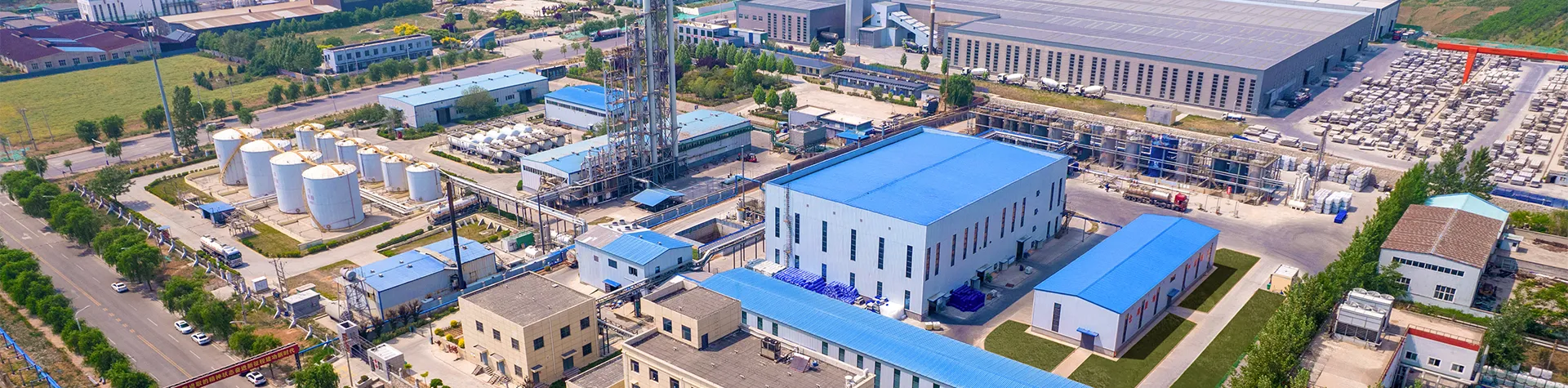
Origin for LKP Biotech: No. 3, North of Haohua East Road, North Park, Neiqiu county Industrial Zone, Xingtai City, Hebei Province.
Test data (snapshot)
In a satin wall paint, 0.05% of a 1.5% CMIT/MIT blend achieved ≥5-log reduction vs. E. coli and P. aeruginosa at 48 h (ISO 11930 challenge). In a cooling tower bleed, 15 ppm active cut ATP by ~90% within 24 h; a maintenance shot at 7 ppm held counts stable for two weeks. Your mileage will vary with pH, temperature, and organics.
Case notes and feedback
- Paint plant (SEA): swab failures dropped to zero after switching to isothiazolinones with better pH control; “no more Monday surprises.”
- Paper mill (EU): white-water odor event solved by shock dose 25 ppm active, then 8 ppm daily—confirmed by plate counts.
Customization & packaging
Options include CMIT:MIT ratios (3:1, 6:1), actives at 1.5–3.0%, low-odor grades, and drum/IBC packaging. For sensitive matrices, a preservative laddering approach—pairing isothiazolinones with BIT or DBNPA—often stabilizes long shutdowns.
Compliance reminder: ensure use per local BPR/EPA authorizations; label and worker protection per SDS. Conduct compatibility and efficacy tests before scale-up.
References
-
Comprehensive Analysis on Why Aluminum Chlorohydrate Safe for UseNewsApr.16,2026
-
Industrial Applications and Guide to Chloride of AluminiumNewsApr.09,2026
-
Exploring Aluminium Chloride Properties Applications and Sourcing InformationNewsApr.07,2026
-
Comprehensive Guide to Chloride Aluminium Properties Applications and SourcingNewsApr.04,2026
-
Understanding Aluminium Chloride Properties Applications and Sourcing DetailsNewsMar.31,2026
-
Understanding Aluminium Chloride Properties Applications and SourcingNewsMar.28,2026