
Scale and Corrosion Inhibitor | High-Efficiency, Low Dosage
EDTMPA (Solid): a field-tested companion for industrial water systems
If you’ve been around cooling towers or RO pretreatment lines as long as I have, you know the unsung hero is a good scale and corrosion inhibitor. Without it, calcium carbonate blooms on your exchangers, iron starts to pit, and the maintenance team doesn’t sleep. EDTMPA (solid) has become a staple—partly because it’s stable, partly because it’s forgiving. And, to be honest, because it simply works across a wide range of waters.
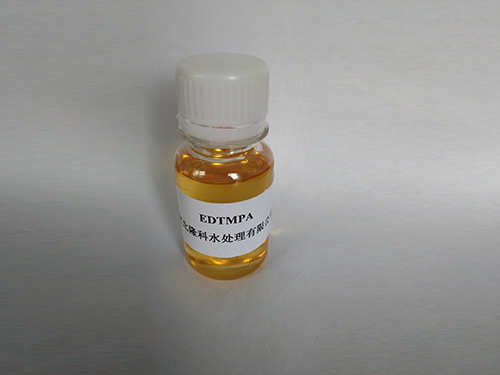
Product snapshot: EDTMPA(Solid), CAS 1429-50-1
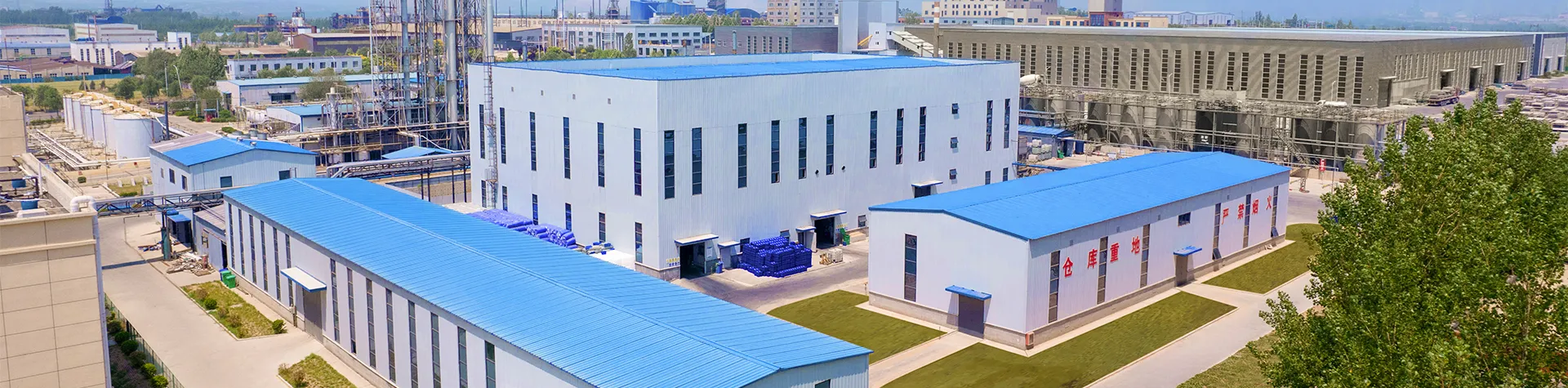
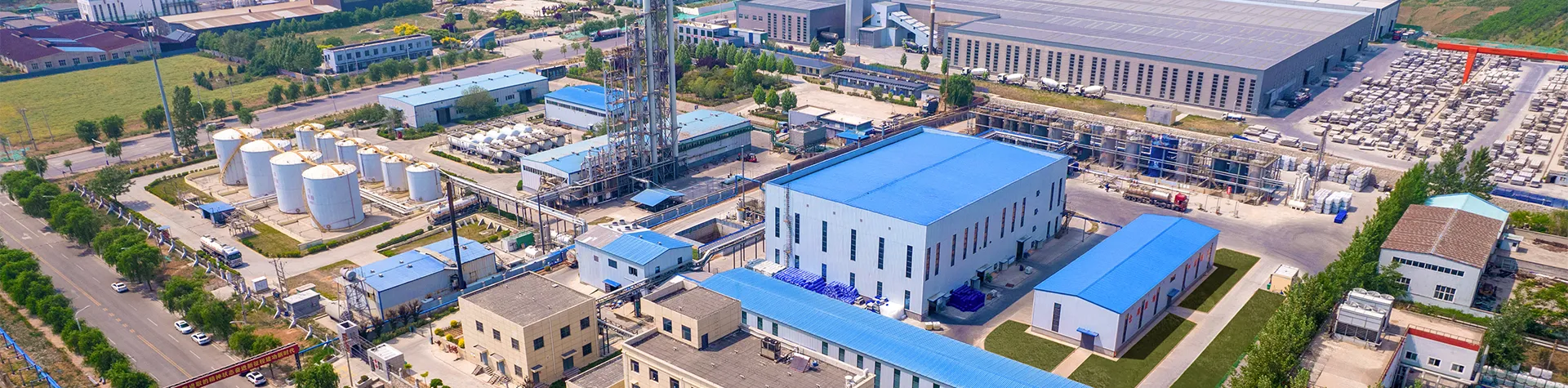
Origin: No. 3, North of Haohua East Road, North Park, Neiqiu county Industrial Zone, Xingtai City, Hebei Province. In my notes, that plant’s been shipping consistently, which matters when uptime is money.
| Item | Typical Value (≈) | Notes |
| Appearance | White crystalline solid | Flows well for dosing bins |
| Active acid content | ≥ 97% | Real-world use may vary by lot |
| Total phosphorus (as PO3) | ≈ 25–28% | Chelation-driven control of Ca/Mg |
| pH (1% solution) | 2.0–3.0 | ASTM E70 |
| Fe (ppm) | ≤ 35 | ICP-OES tested |
| Chelation value (as CaCO3) | ≈ 500–600 mg/g | Benchmark vs. HEDP |
How it’s made (quick process flow)
Materials: ethylenediamine (EDA), phosphorous acid, and formaldehyde. Method: controlled phosphonomethylation, followed by neutral wash, vacuum drying, and solid flaking. QC: active content by titration, metals by ICP, solution pH by ASTM E70. Batch release sometimes includes NACE/ASTM coupon testing for corrosion rate check. Service life: in circulating systems, it’s continuously dosed; typical consumption 5–10 mg/L·day depending on cycles of concentration.
Where it shines
- Cooling towers and chillers (LSI/Ryznar-managed) – dosage 5–30 mg/L- RO/NF pretreatment – scale control under high recovery
- Oilfield injection water, geothermal, and steel pickling rinse loops
- Pulp & paper white water, municipal reclaimed water reuse
Customers tell me it’s especially steady at high temperatures and high hardness. In fact, several plants reported less softener bleed since switching.
Industry trends
Two big moves: lower-phosphorus discharge limits and data-driven dosing. So we see blends pairing scale and corrosion inhibitor phosphonates with polymer dispersants and azole-free corrosion packages. Sensors + coupon racks, ASTM G31/NACE protocols—operators want proof, not promises.
Vendor comparison (condensed)
| Vendor | Lead Time | MOQ | Certifications | Customization |
| Hebei producer (Xingtai origin) | 7–14 days | ≈ 500 kg | ISO 9001/14001 (typical) | Particle size, blend-ready |
| GlobalChem A | 4–6 weeks | 1 MT | ISO; some NSF/ANSI 60 lines | Private-label options |
| Regional Importer | Stock-dependent | 1–5 bags | Varies | Limited |
Real-world results
Case A (food plant, 4,000 RT tower): Switching to scale and corrosion inhibitor program built on EDTMPA cut corrosion from 0.20 to 0.03 mm/y on CS coupons (NACE/ASTM G31), and reduced CaCO3 deposition by ≈ 70% at 3.5 cycles.
Case B (RO pretreat, 75% recovery): With 8–12 mg/L EDTMPA plus a mild dispersant, delta-P rise slowed from weekly to monthly cleans; SDI15 held under 4.5. Operators were, frankly, relieved.
Customization and compliance
Common asks: low-iron specs, dust-suppressed granules, pre-blends with polymers/azole alternatives, and SDS in multiple languages. For regulated sites, buyers look for ISO 9001/14001, and sometimes NSF/ANSI 60 for potable-adjacent uses; REACH/TSCA status shared on request. Testing against LSI, ASTM D511 (hardness), and online corrosion probes gives you a tight feedback loop.
Bottom line: EDTMPA solid remains a versatile scale and corrosion inhibitor for harsh make-up waters and high-temperature loops. Not perfect, but dependable—especially when paired with smart monitoring.
Authoritative citations
- ASTM G31/NACE TM0169: Laboratory Immersion Corrosion Testing of Metals – https://www.astm.org/g0031
- ASTM E70: Standard Test Method for pH of Aqueous Solutions – https://www.astm.org/e0070
- ASTM D511: Standard Test Methods for Calcium and Magnesium in Water – https://www.astm.org/d0511
- NSF/ANSI 60: Drinking Water Treatment Chemicals – Health Effects – https://www.nsf.org
- Ryznar Stability Index and Langelier Saturation Index references – AWWA Water Quality & Treatment – https://www.awwa.org
-
Comprehensive Analysis on Why Aluminum Chlorohydrate Safe for UseNewsApr.16,2026
-
Industrial Applications and Guide to Chloride of AluminiumNewsApr.09,2026
-
Exploring Aluminium Chloride Properties Applications and Sourcing InformationNewsApr.07,2026
-
Comprehensive Guide to Chloride Aluminium Properties Applications and SourcingNewsApr.04,2026
-
Understanding Aluminium Chloride Properties Applications and Sourcing DetailsNewsMar.31,2026
-
Understanding Aluminium Chloride Properties Applications and SourcingNewsMar.28,2026