

Scale and Corrosion Inhibitor | High-Performance, Eco-Safe
EDTMPA (Solid): Field Notes on a Modern Scale Control Workhorse
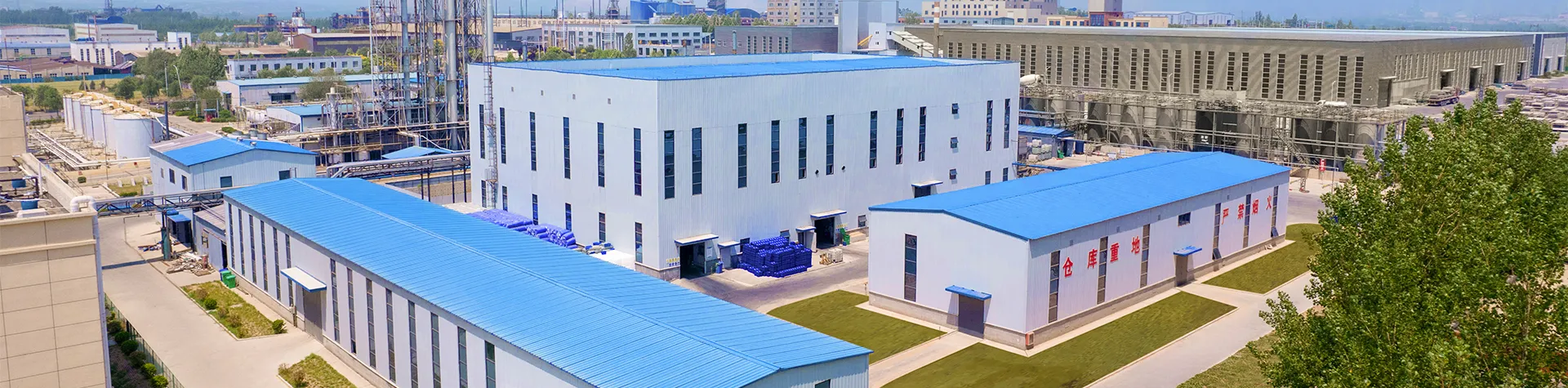
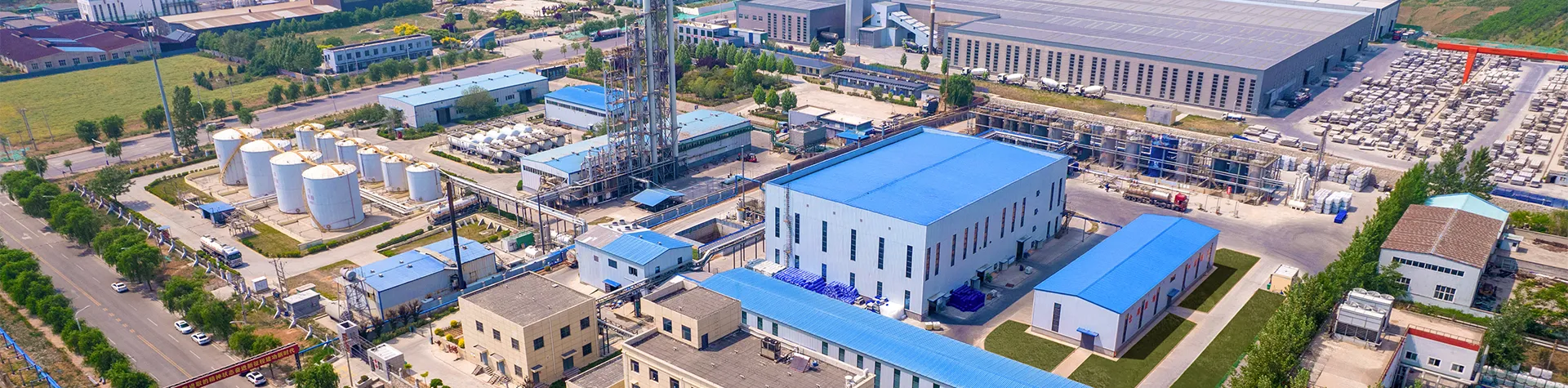
If you manage cooling water or produced water, you’ve definitely heard people ask for a scale and corrosion inhibitor that just “works” under stress. Honestly, that’s why Ethylene Diamine Tetra (Methylene Phosphonic Acid) — EDTMPA (Solid), CAS 1429-50-1 — keeps showing up in my notes. It’s versatile, stable, and (to be blunt) forgiving when real-world conditions refuse to behave. Origin: No. 3, North of Haohua East Road, North Park, Neiqiu County Industrial Zone, Xingtai City, Hebei Province. I visited a similar plant once; the hum of spray dryers is unforgettable.
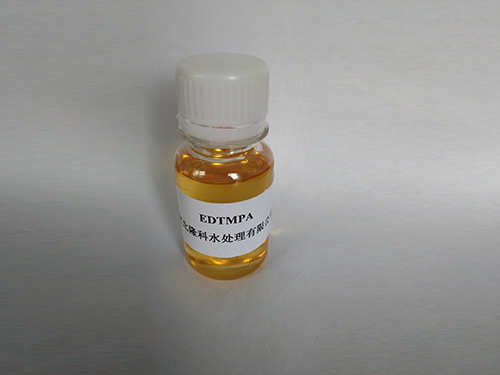
Why EDTMPA Solid is a go-to scale and corrosion inhibitor
Compared with ATMP or HEDP, EDTMPA tends to hold onto metal ions more tightly and keeps working at higher temperatures — in some plants up to around 200°C. It resists hydrolysis, tolerates oxidizing biocides reasonably well, and many customers say dosage windows are wider than they expected. To be honest, that’s huge when your make-up water turns on you mid-season.
Typical Product Specifications (EDTMPA Solid)
| Appearance | White to off‑white crystalline solid |
| Active content (as EDTMPA) | ≥ 95% (≈, real-world batches may vary) |
| Total phosphonic acid (as PO₃H) | ≈ 75–80% |
| Fe (ppm) | ≤ 20 ppm |
| pH (1% solution) | 2.0–3.0 |
| Chelation value (mg CaCO₃/g) | ≈ 450–520 |
| Solubility | Completely soluble in water |
Process Flow, QC, and Service Life
Materials: ethylenediamine, phosphorous acid, formaldehyde; acid-catalyzed Moedritzer–Irani condensation; neutralization; evaporation; solidification (spray drying or flaking); packaging (25 kg bags or fiber drums). Methods: P31-NMR and FTIR for identity, potentiometric titration for active content, ICP for metals, moisture by Karl Fischer. Testing standards we see in bids: NACE TM0374 for scale inhibitor screening; ASTM G31 for corrosion coupons; ASTM D511/D1126 for hardness/ions affecting scaling.
Service life: in circulating systems, residual control daily; slug/continuous feed 2–20 mg/L as product. For severe scaling (high LSI or barium/strontium risk), I’ve seen 30–60 mg/L during startup shocks.
Where it’s used
- HVAC cooling towers and closed loops (steel, Cu alloys)
- Oilfield water injection and produced water handling
- RO pretreatment and thermal desalination (as a scale and corrosion inhibitor aid)
- Geothermal brines, sugar & food plant utilities, pulp & paper white water
Vendor Snapshot (real-world considerations)
| Vendor | Strength | Lead Time | Customization |
|---|---|---|---|
| Hebei-origin producer (Xingtai) | Direct plant access, stable specs | ≈ 2–4 weeks EXW | Custom granularity, package, assay |
| Importer/Distributor | Local stock, small MOQs | 2–7 days (stocked) | Limited; primarily repacks |
| Water treatment blender | Turnkey programs + monitoring | 1–3 weeks | Formulated blends for niche waters |
Case notes and feedback
A northern refinery cooling loop: switching to EDTMPA solid feed cut scale deposition by ≈80% (ΔP recovery on sidestream test rig) and dropped coupon corrosion from 0.21 to 0.06 mm/y per ASTM G31, with biocide shock unchanged. One utility manager told me, “Startup is calmer now; fewer pH swings.”
Compliance: suppliers commonly hold ISO 9001; REACH status and SDS are standard; some buyers ask for food-contact clarifications when utilities touch process steam (always double-check local regulations).
How to specify (quick checklist)
- State assay target and Fe limit; ask for P31-NMR certificate.
- Confirm packaging (25 kg bags/drums) and moisture control.
- Request NACE TM0374 inhibition data on your brine, not just DI water.
- Define feed strategy and monitoring (orthophosphate residual, LSI/CBI).
References:
- NACE TM0374: Laboratory Screening of Scale Inhibitors for Oilfield Applications.
- ASTM G31-21: Standard Guide for Laboratory Immersion Corrosion Testing.
- ASTM D511 / D1126: Water Hardness and Dissolved Solids Methods.
- Moedritzer, K.; Irani, R. R. J. Org. Chem. 1966, 31, 1603–1607 (aminomethylene phosphonic acids synthesis).
-
Comprehensive Analysis on Why Aluminum Chlorohydrate Safe for UseNewsApr.16,2026
-
Industrial Applications and Guide to Chloride of AluminiumNewsApr.09,2026
-
Exploring Aluminium Chloride Properties Applications and Sourcing InformationNewsApr.07,2026
-
Comprehensive Guide to Chloride Aluminium Properties Applications and SourcingNewsApr.04,2026
-
Understanding Aluminium Chloride Properties Applications and Sourcing DetailsNewsMar.31,2026
-
Understanding Aluminium Chloride Properties Applications and SourcingNewsMar.28,2026