






news
-
Benzalkonium chloride (BAC) is a widely used disinfectant and antiseptic with applications spanning healthcare, personal care, and industrial settings. Its effectiveness against a broad spectrum of microorganisms makes it a valuable component in numerous products. Understanding the diverse uses of benzalkonium chloride is crucial for informed application and safe handling. This article explores its properties, common applications, safety considerations, and sourcing options. It aims to provide a detailed overview for businesses and individuals seeking to utilize this versatile chemical compound effectively. Benzalkonium chloride is a quaternary ammonium compound – a positively charged ion that disrupts the cell membranes of microorganisms. This disruption leads to cell leakage and ultimately, microbial inactivation. It’s a colorless to pale yellow liquid, readily soluble in water and alcohol. It's known for its cationic surface-active properties and is generally effective against bacteria, fungi, and some viruses. However, it is less effective against bacterial spores.Read more
-
Benzalkonium chloride (BAC) is a ubiquitous disinfectant and antiseptic used across diverse industries, from healthcare and pharmaceuticals to household cleaning and personal care. Understanding the function of benzalkonium chloride is crucial for its effective and safe application. This article delves into its mechanisms of action, applications, safety considerations, and available grades, providing a thorough overview for professionals and consumers alike. From its powerful antimicrobial properties to its role in various formulations, we’ll explore the science behind this versatile compound. Benzalkonium chloride functions as a cationic surfactant, meaning it carries a positive charge. This is key to its antimicrobial activity. BAC disrupts the cell membranes of microorganisms, primarily bacteria, by interacting with the negatively charged phospholipid components. This interaction causes leakage of essential cellular components, ultimately leading to cell death. Importantly, BAC exhibits broad-spectrum activity, meaning it's effective against a wide range of Gram-positive and Gram-negative bacteria, although it’s generally more effective against Gram-positive bacteria. It also possesses some activity against enveloped viruses and fungi. The effectiveness of BAC is influenced by factors like concentration, contact time, temperature, and the presence of organic matter.Read more
-
Benzalkonium chloride (BKC) is a versatile quaternary ammonium compound widely used as an active ingredient in a diverse range of products, from disinfectants and antiseptics to personal care items and industrial applications. Understanding its function and properties is crucial for effective and safe utilization. This article delves into the detailed functions of benzalkonium chloride, its applications, safety considerations, and current market trends, providing a comprehensive overview for businesses and consumers alike. Choosing the right grade and concentration of BKC is critical for ensuring optimal performance in your specific application. At its core, benzalkonium chloride functions as a cationic surfactant. This means it has a positively charged hydrophilic (water-loving) head and a hydrophobic (water-repelling) tail. This unique structure is the basis for its antimicrobial properties. The positive charge allows BKC to interact with the negatively charged cell membranes of bacteria, viruses, and fungi, disrupting their integrity and leading to cell death.Read more
-
Flocculant materials are essential in numerous industrial processes, playing a crucial role in water treatment, mining, paper manufacturing, and more. These substances promote the clumping together of suspended particles, facilitating their removal from liquids. Selecting the right flocculant material is critical for optimizing efficiency and achieving desired results. This article will delve into the various types of flocculants, their applications, factors influencing their effectiveness, and considerations for choosing the best solution for your needs. Ensuring optimal performance through informed selection is paramount for cost-effectiveness and environmental responsibility. Flocculant materials work by neutralizing the electrostatic charges that keep suspended particles dispersed in a liquid. These particles, often negatively charged, repel each other, preventing them from settling. Flocculants, typically polymers with high molecular weight, adsorb onto the particle surfaces, bridging the gaps and forming larger, heavier aggregates known as "flocs". These flocs then readily settle out of the solution through sedimentation or are easily removed by filtration. The process is fundamentally different from coagulation, which destabilizes particles but doesn't necessarily lead to large floc formation.Read more
-
Learn how pool flocculant (PAC) is used in industrial water treatment for clarification, heavy metal removal, & cost savings.Read more
-
Explore the benefits of using flocculant in pool water treatment, focusing on LKPBTC’s high-performance solutions for industries like wastewater, manufacturing, and agriculture.Read more
-
Discover how Clay Flocculants from LKPBTC optimize sedimentation and water clarity for mining, ceramics, and more. Durable, cost-effective, and eco-friendly solutions.Read more
-
Discover the benefits and applications of durable clay based flocculants in mining, wastewater, and chemical processing industries. Explore LKPBTC's tailored solutions and sustainability focus.Read more
-
Discover how organic flocculants improve water clarity and sludge settling with eco-friendly, customizable solutions. Trusted by industry pros.Read more
-
Discover how Drinking Water Flocculant from LKPBTC enhances water purification with cost-effective, sustainable, and reliable solutions. Perfect for municipal and industrial applications.Read more
Latest News & Blogs
view more -
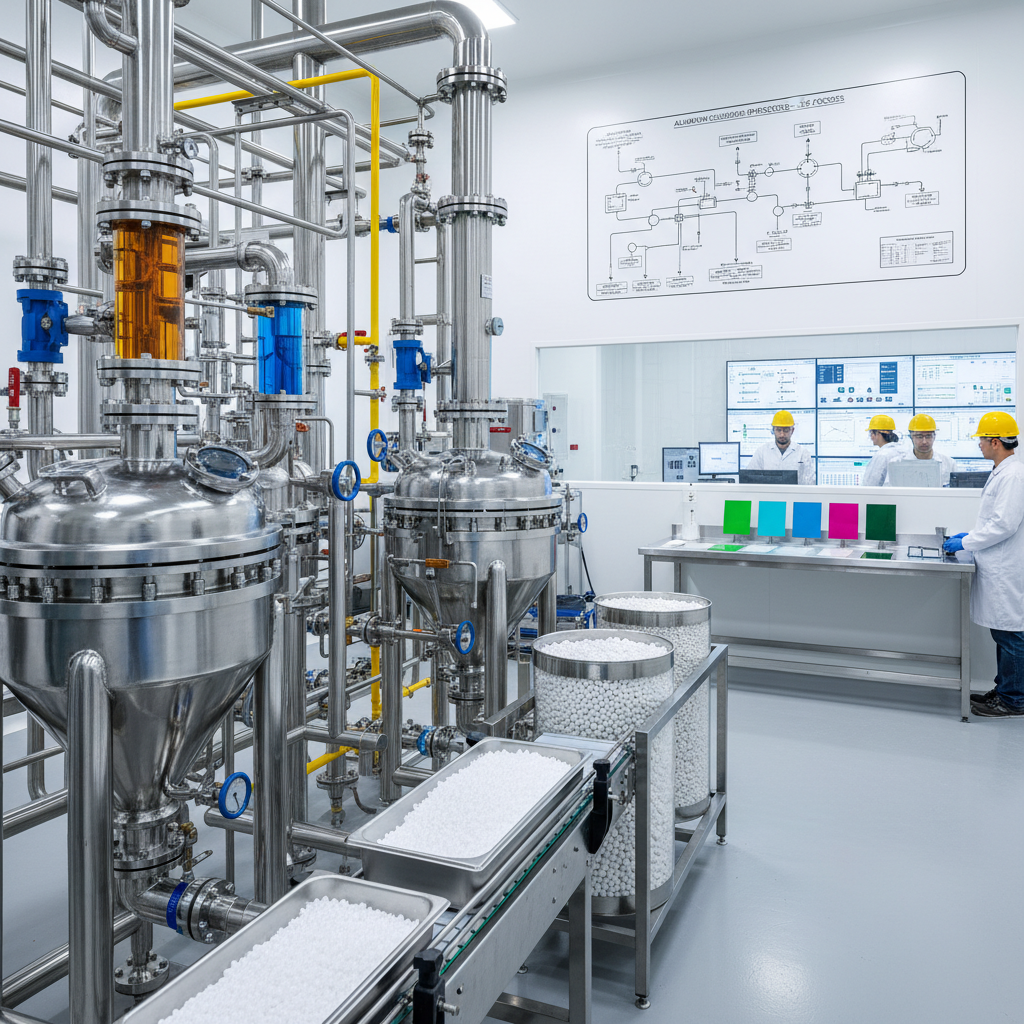 Comprehensive Analysis on Why Aluminum Chlorohydrate Safe for UseWhen exploring the ingredients of modern antiperspirants and water treatment chemicals, one common question arises: is aluminum chlorohydrate safe? This inorganic compound is widely utilized for its exceptional ability to reduce sweat and purify water, but its safety profile is often debated in consumer circles. Understanding the chemical nature and the regulatory stance on this ingredient is essential for manufacturers and consumers alike. In this guide, we will provide a professional, data-backed analysis of its safety, applications, and how it interacts with the human body to provide a clear answer to your safety concerns.read more
 -
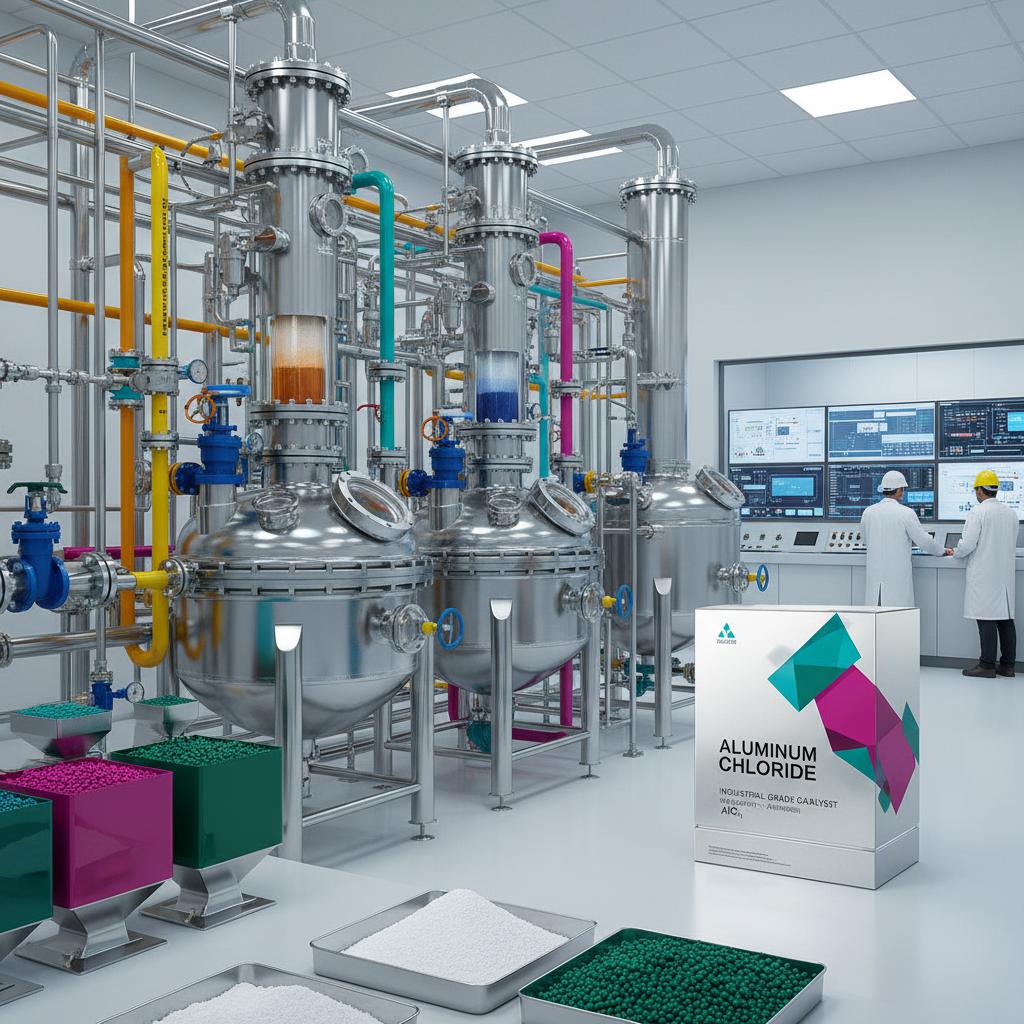 Industrial Applications and Guide to Chloride of AluminiumIn the realm of industrial chemistry and water treatment, chloride of aluminium serves as a cornerstone compound. Known for its exceptional coagulant properties, this versatile chemical is indispensable for purifying water, processing paper, and refining various textiles. Whether you are managing a large-scale wastewater facility or seeking high-purity chemical precursors for manufacturing, understanding the nuances of this compound is key to optimizing operational efficiency. In this guide, we will explore its chemical properties, various industrial grades, and why it remains a preferred choice for global engineers.read more
 -
 Exploring Aluminium Chloride Properties Applications and Sourcing InformationAluminium chloride (AlCl3) is a widely used chemical compound with diverse applications across various industries. From acting as a catalyst in organic chemistry to its role in antiperspirants, its versatility is undeniable. This article will delve into the properties of aluminium chloride, its key applications, considerations for handling, and how to source high-quality material. We'll also explore the different forms available and their specific uses, helping you understand whether you need anhydrous aluminium chloride or a different grade for your application.read more
 -
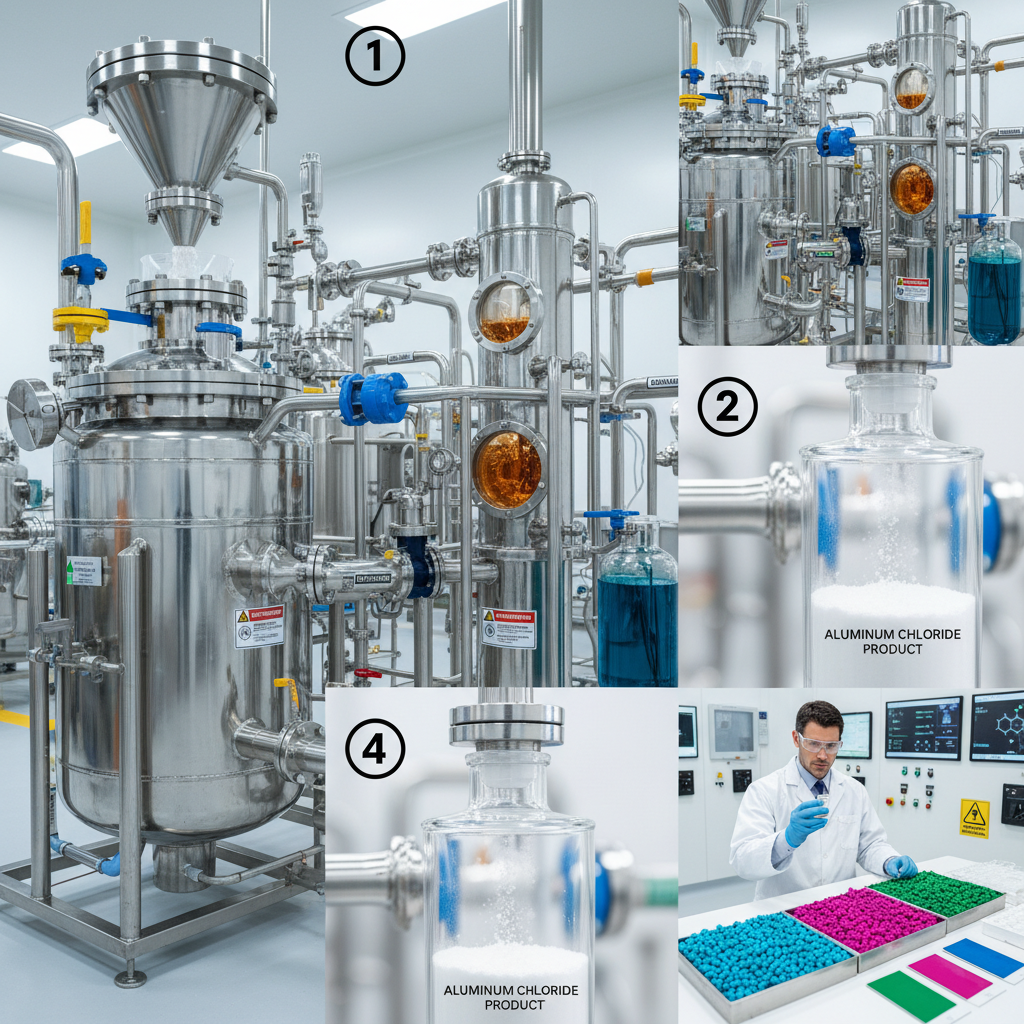 Comprehensive Guide to Chloride Aluminium Properties Applications and SourcingChloride aluminium (AlCl₃), a versatile inorganic compound, plays a critical role across various industrial sectors. From acting as a catalyst in organic synthesis to functioning as an antiperspirant, its applications are diverse. This article delves into the properties, manufacturing processes, key applications, and considerations when sourcing chloride aluminium, offering a comprehensive guide for professionals and businesses. Understanding its chemical behaviour is key to safe and effective implementation in diverse processes.read more