

news
-
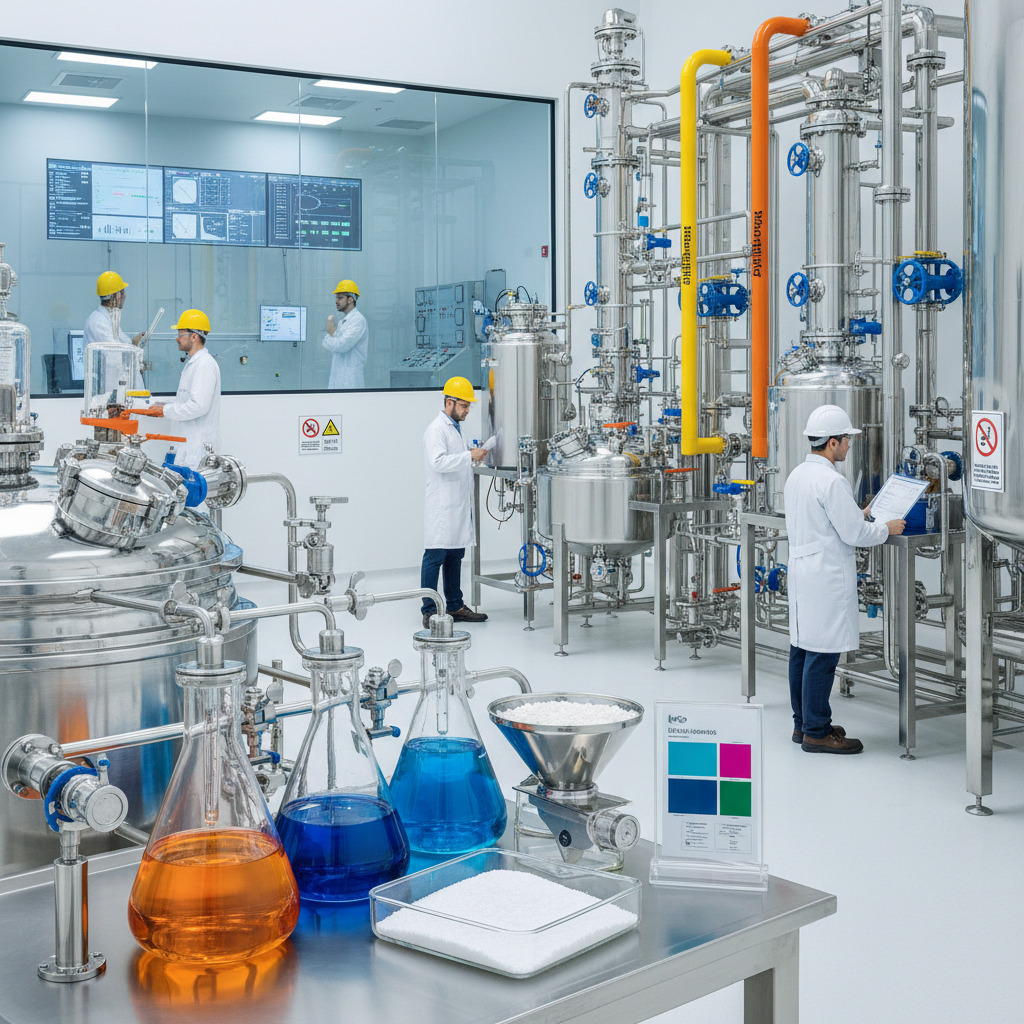 Poly Aluminum Chloride (PACL) is a widely used coagulant in water and wastewater treatment. Its effectiveness in removing impurities and improving water quality makes it a crucial component in various industrial and municipal applications. This article provides an in-depth exploration of PACL coagulant, covering its properties, applications, benefits, and considerations for optimal usage. Choosing the right coagulant is essential for efficient water treatment, and LKPTBTC offers a range of high-quality PACL solutions tailored to diverse needs. We'll delve into why PACL is a trusted choice for many industries. Unlike traditional aluminum sulfate (alum), PACL exhibits a higher charge density and a wider pH application range, making it more effective in removing suspended solids and dissolved organic matter. It works by neutralizing the negative charges of particles in water, causing them to clump together (coagulate) and form larger, heavier flocs that can then be easily removed through sedimentation or filtration. LKPTBTC’s PACL coagulant is manufactured to stringent quality standards, ensuring optimal performance and reliability.Read more
-
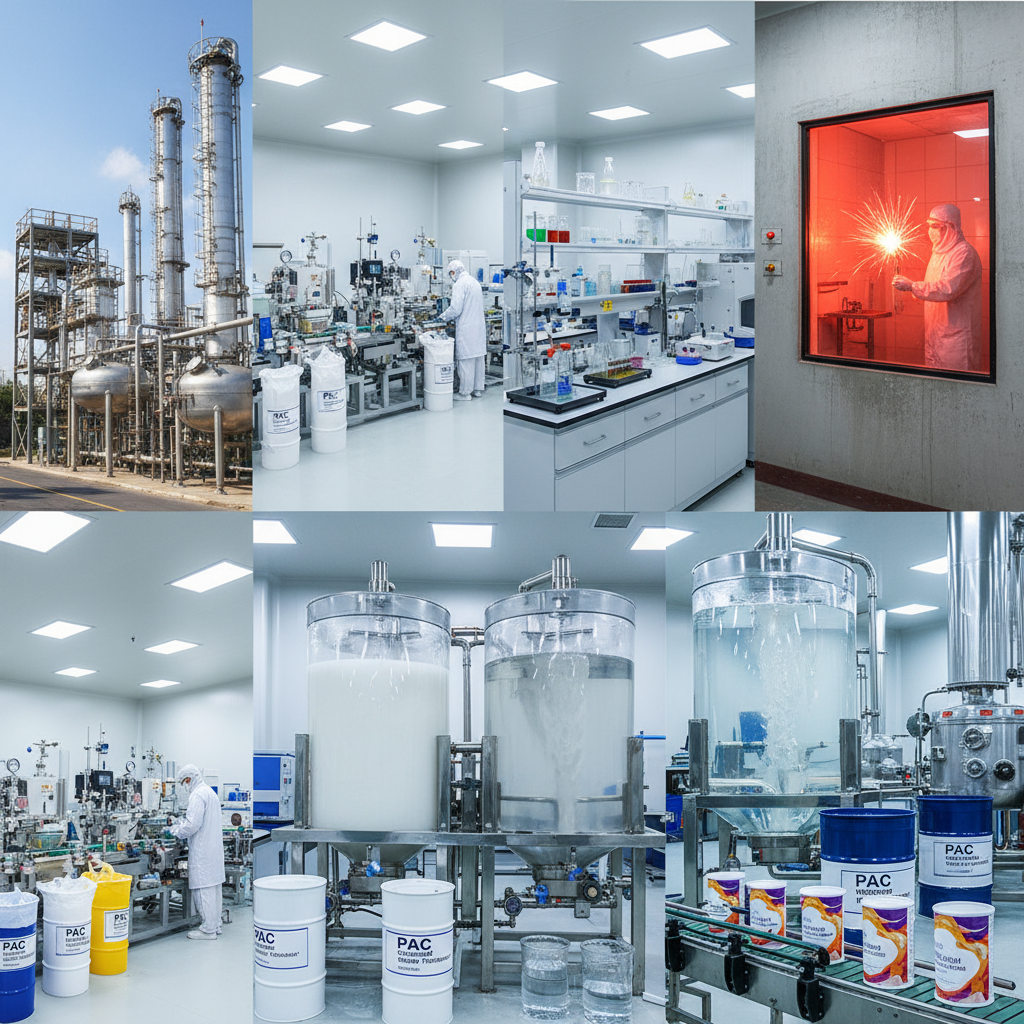 Water treatment is crucial for ensuring safe and clean water supplies. Among various treatment methods, coagulation plays a vital role in removing suspended particles. Polyaluminum Chloride (PAC) is a highly effective coagulant widely used in both industrial and municipal water treatment plants. This article will explore the science behind PAC, its advantages, applications, and how it compares to other coagulants. We’ll also direct you to LKPBTC for high-quality PAC solutions. Efficient water treatment is essential for public health and environmental sustainability. PAC, or Polyaluminum Chloride, is an inorganic polymer with the general formula [Al2(OH)nCl6-n]m, where 'n' and 'm' represent varying degrees of polymerization. It’s created by partially neutralizing aluminum hydroxide with hydrochloric acid. The resulting compound has a high positive charge, making it exceptionally effective at neutralizing the negative charges of suspended particles in water. This neutralization process destabilizes the particles, causing them to clump together—a process known as coagulation. These larger clumps, or flocs, can then be easily removed through sedimentation or filtration. LKPBTC’s PAC offerings are tailored to various water quality challenges.Read more
-
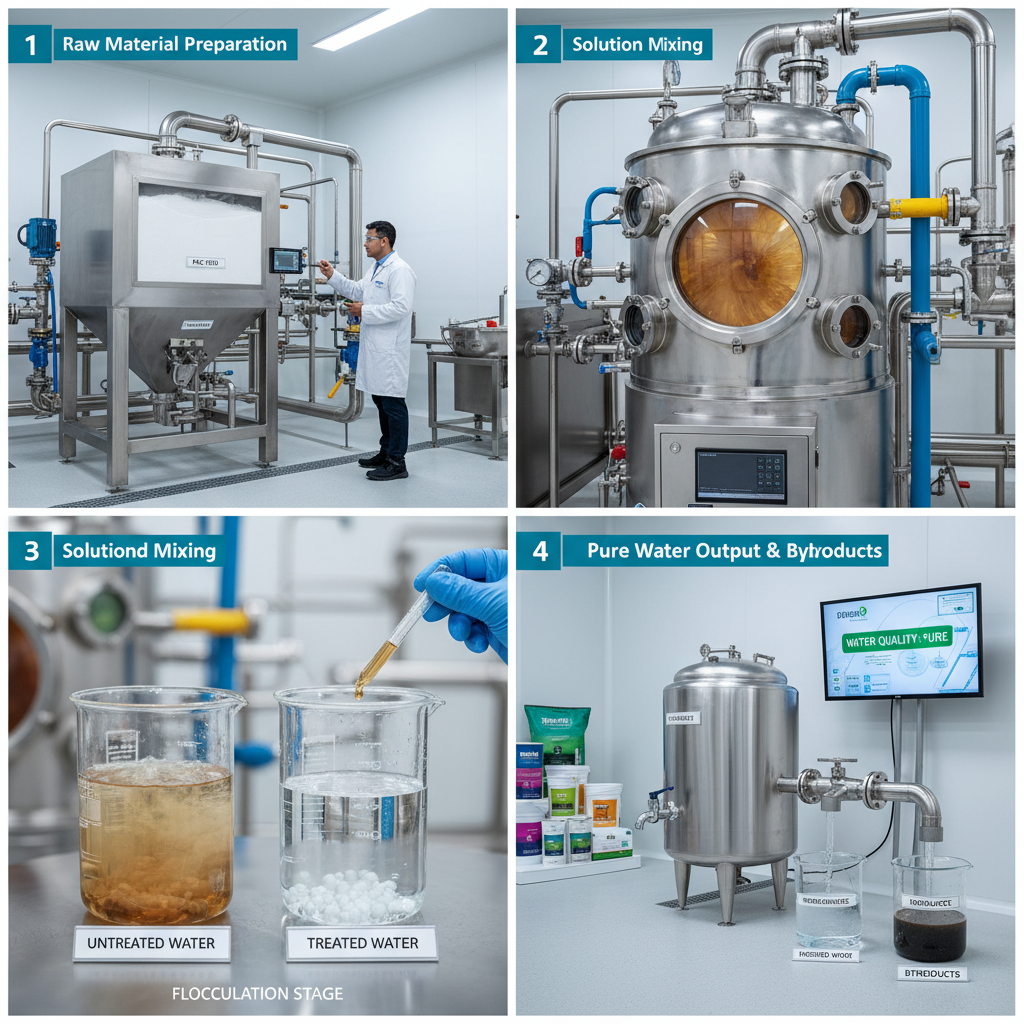 Polyaluminium Chloride (PAC) is a widely used coagulant in water and wastewater treatment. Its effectiveness in removing suspended solids, turbidity, and pollutants makes it a crucial component in ensuring safe and clean water supplies. This article delves into the properties, applications, benefits, and considerations when using Polyaluminium Chloride, providing a detailed overview for water treatment professionals and those interested in this essential chemical process. Understanding PAC’s mechanisms and optimal usage is key to maximizing water quality. It’s produced through the partial neutralization of aluminum hydroxide with hydrochloric acid. Unlike traditional aluminum sulfate (alum), PAC exhibits a wider pH operating range and generally requires a lower dosage for effective coagulation. Its high charge density facilitates the neutralization of negatively charged particles in water, leading to their aggregation and subsequent removal. The degree of polymerization and basicity significantly influence PAC's performance in different water treatment applications. PAC finds broad application across various water treatment processes. Primarily, it's used for the coagulation and flocculation of suspended solids in drinking water plants. It's also effective in removing color, organic matter, and certain heavy metals.Read more
-
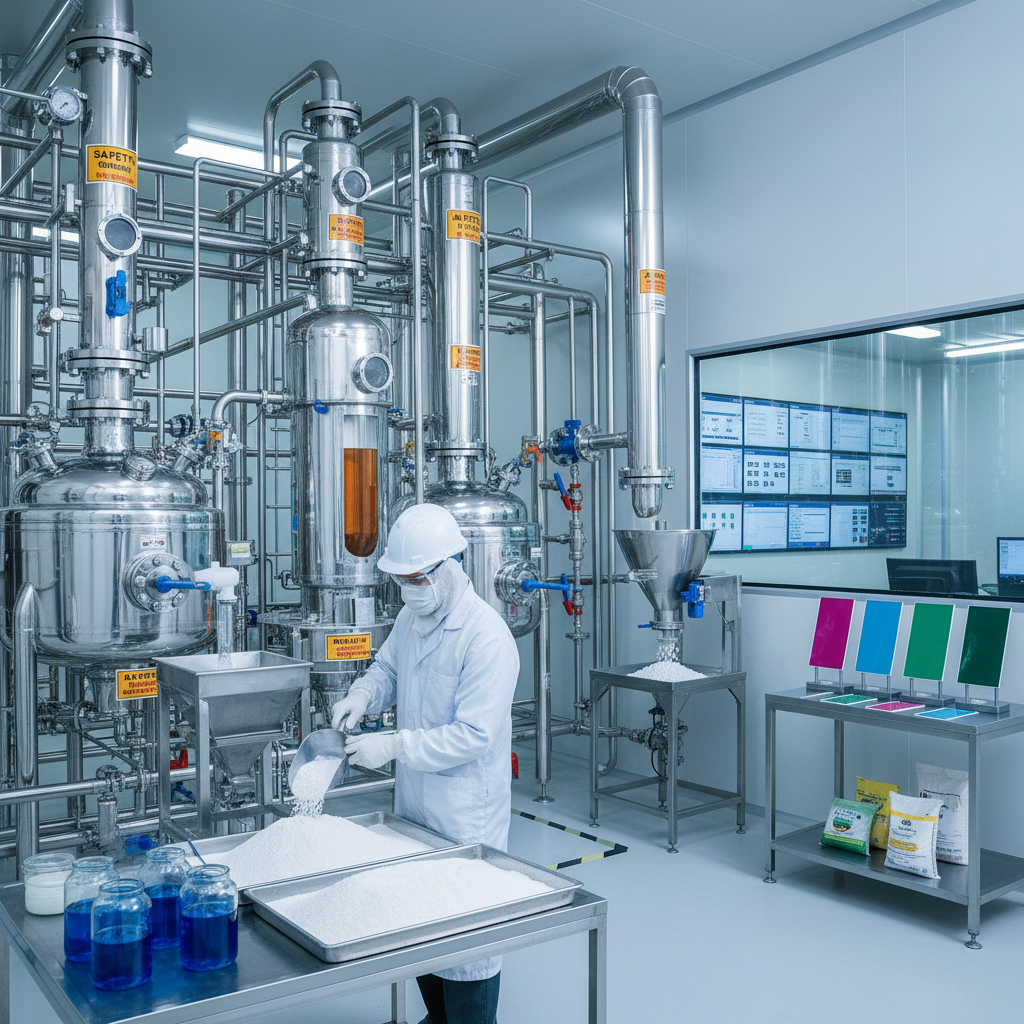 Poly Aluminium Chloride (PAC) is a highly effective inorganic polymer flocculant widely used in water and wastewater treatment. Its superior performance in removing suspended solids, turbidity, and color makes it a crucial component in various industrial and municipal applications. This article provides a detailed overview of PAC flocculant, its applications, advantages, and key considerations for optimal use. Understanding PAC flocculant’s properties is key to achieving efficient water purification. PAC works by neutralizing the negative charges of suspended particles in water, causing them to destabilize and aggregate into larger, settleable flocs. Unlike traditional aluminium sulfate (alum), PAC is effective over a broader pH range and requires lower dosages, leading to cost savings and reduced sludge volume. It exhibits excellent performance in cold water conditions where alum’s effectiveness diminishes. PAC finds widespread application in various sectors. Municipal water treatment plants utilize it for clarifying drinking water by removing turbidity and color. Wastewater treatment facilities employ PAC to remove suspended solids, phosphorus, and other pollutants before discharge. Industrial applications include paper mills (for retention and drainage), textile dyeing (for color removal), and oil refineries (for oil-water separation).Read more
-
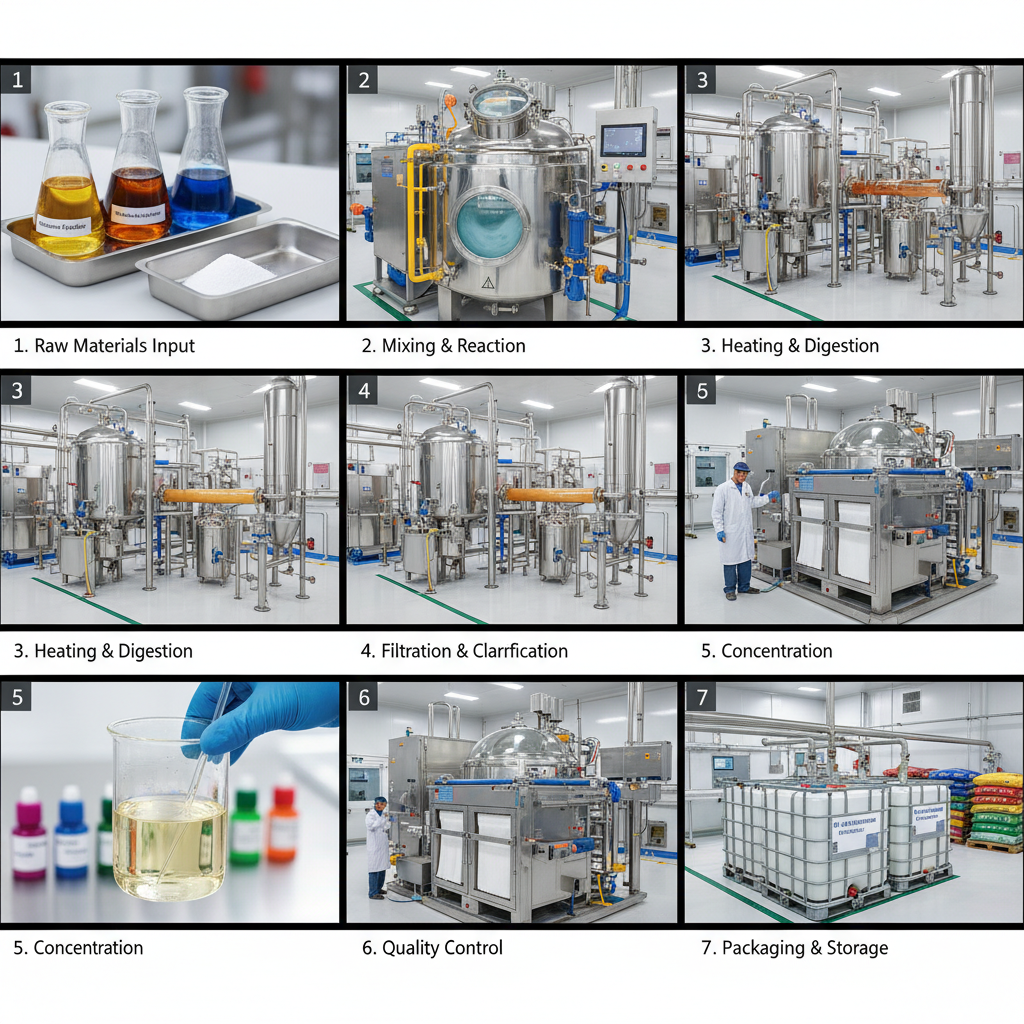 Poly aluminium chloride (PAC) solution is a highly effective coagulant widely used in water and wastewater treatment. Its versatility and efficiency make it a preferred choice for various industrial applications. This article provides an in-depth exploration of PAC solution, its applications, benefits, and considerations for optimal usage. Understanding the properties of poly aluminium chloride solution is essential for achieving efficient and cost-effective water purification. We’ll delve into its chemical composition, the factors influencing its performance, and its role in ensuring water safety. Poly aluminium chloride is a group of aluminium chlorides that have been through the process of polymerization. This process results in a higher charge density than traditional aluminium salts like alum, making PAC a more potent coagulant. It’s typically available as a liquid solution with varying aluminium content, expressed as Al2O3. PAC offers advantages such as working effectively over a wider pH range and producing less sludge compared to other coagulants. The chemical formula for PAC is [Al2(OH)nCl6-n]m, where ‘n’ and ‘m’ represent varying degrees of polymerization.Read more
-
 Are you searching for a reliable and efficient water treatment solution? Poly Aluminium Chloride (PAC) is a widely used coagulant in various industrial and municipal water treatment processes. This article will provide a detailed overview of jual poly aluminium chloride, its applications, benefits, and considerations when choosing a supplier. Understanding PAC and its proper application is crucial for achieving optimal water purification results. We’ll explore why LKP BTC is a trusted partner for all your PAC needs. Poly Aluminium Chloride is an inorganic polymer with the general formula [Al2(OH)nCl6-n]m. It's produced through the hydrolysis of aluminium chloride, resulting in a highly charged coagulant effective in removing suspended solids, turbidity, and color from water.Read more
-
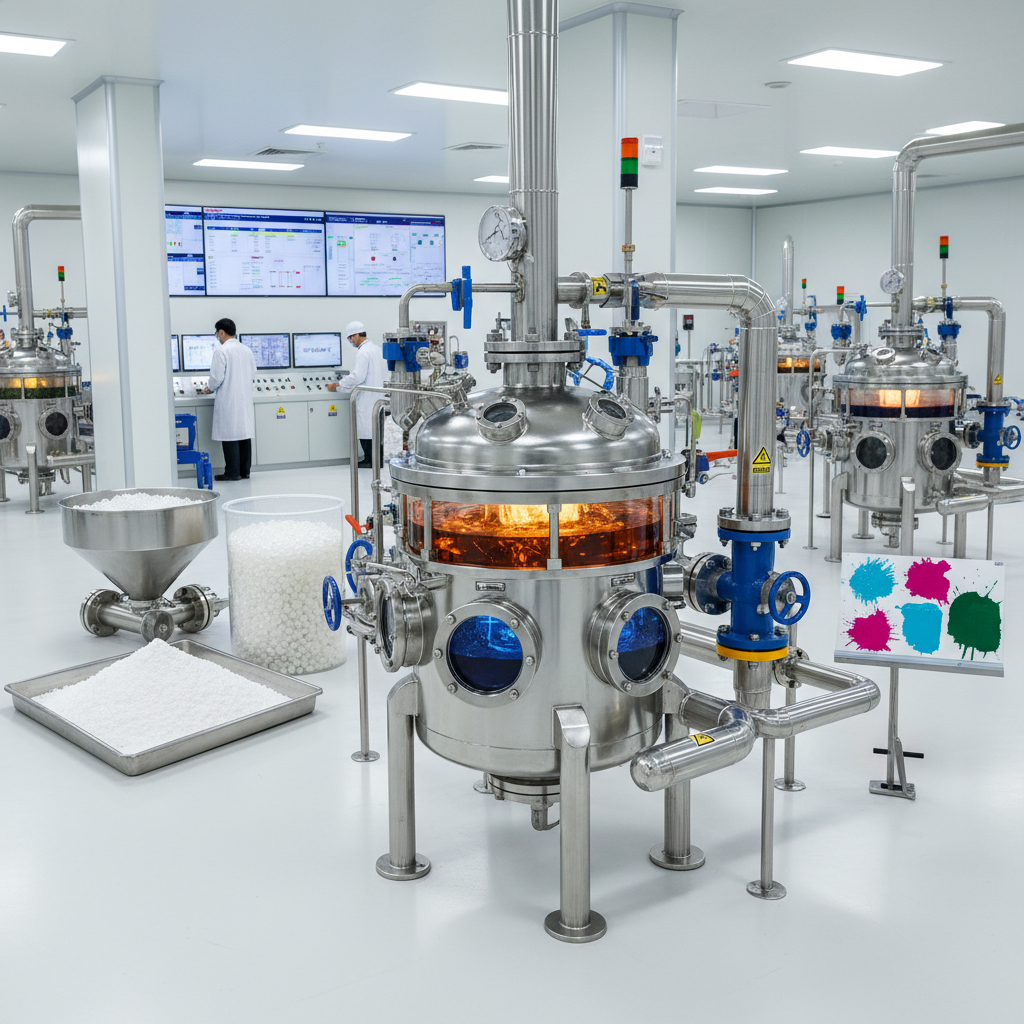 Effective water treatment is crucial for a wide range of industries and applications. Poly aluminium chloride (PAC) coagulant stands out as a highly effective solution for removing impurities and clarifying water. This article provides a detailed overview of PAC, its applications, benefits, and considerations for optimal use. Understanding the properties and applications of poly aluminium chloride coagulant is essential for professionals in water treatment, wastewater management, and related fields. Poly aluminium chloride is a type of inorganic polymer widely used as a coagulant in water and wastewater treatment. It is formed by the hydrolysis of aluminium chloride, resulting in a solution containing a variety of aluminium polymers with varying charge densities. This complex structure allows PAC to effectively neutralize the negative charges of suspended particles in water, promoting their coagulation and subsequent removal through sedimentation or filtration. Unlike traditional aluminium salts like alum, PAC exhibits excellent performance across a broader pH range and at lower temperatures.Read more
-
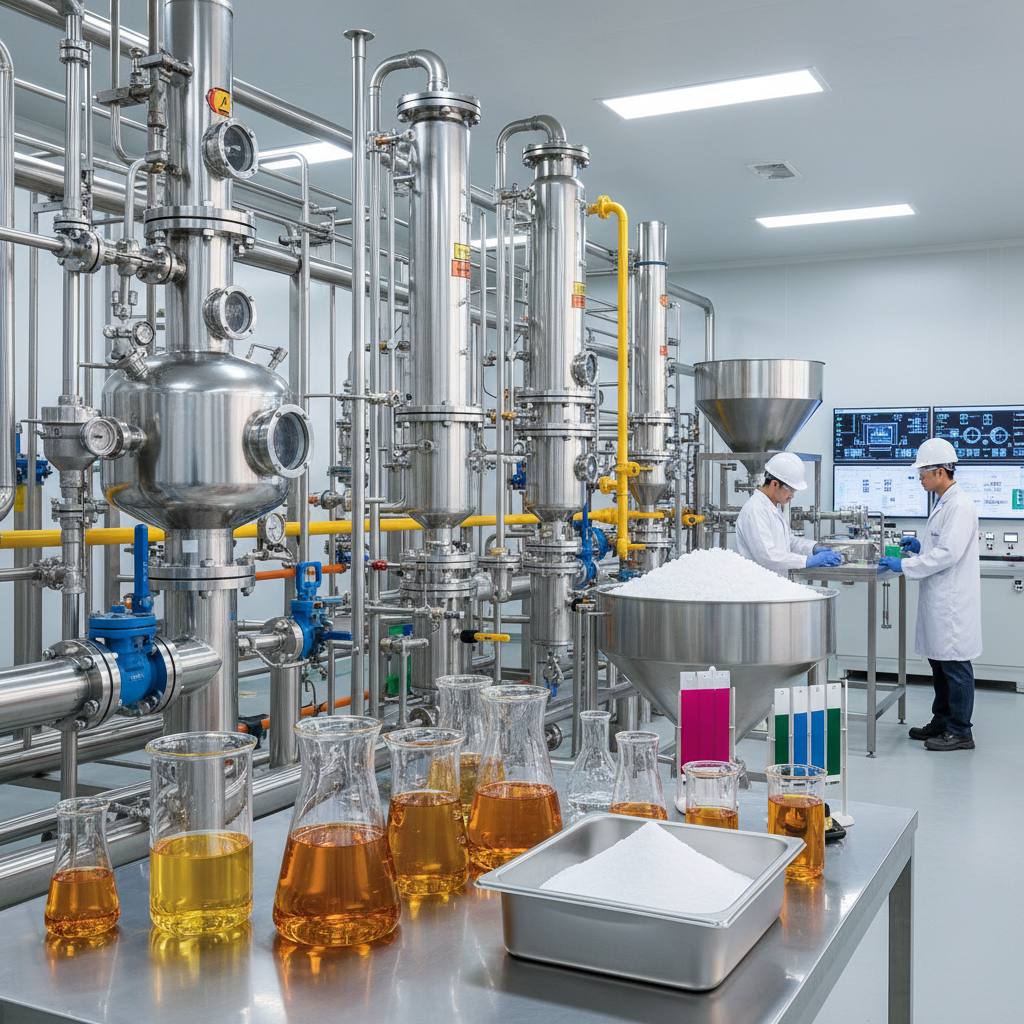 In water and wastewater treatment, achieving clarity and purity relies heavily on effective coagulation. Poly Aluminium Chloride (PAC) coagulant is a widely utilized solution, celebrated for its high efficiency and versatility. This article dives deep into the properties, applications, benefits, and considerations surrounding PAC, offering a thorough understanding for professionals and anyone involved in water treatment processes. Understanding the nuances of PAC can significantly improve treatment plant performance and water quality. Poly Aluminium Chloride is a highly effective inorganic polymer widely employed as a coagulant in water and wastewater treatment. It’s created through the partial neutralization of aluminium hydroxide with hydrochloric acid. This process generates a range of polymeric aluminium species with varying charge densities, making it exceptionally effective at destabilizing suspended particles in water. Unlike traditional alum, PAC functions effectively over a broader pH range, reducing the need for pH adjustments during treatment.Read more
-
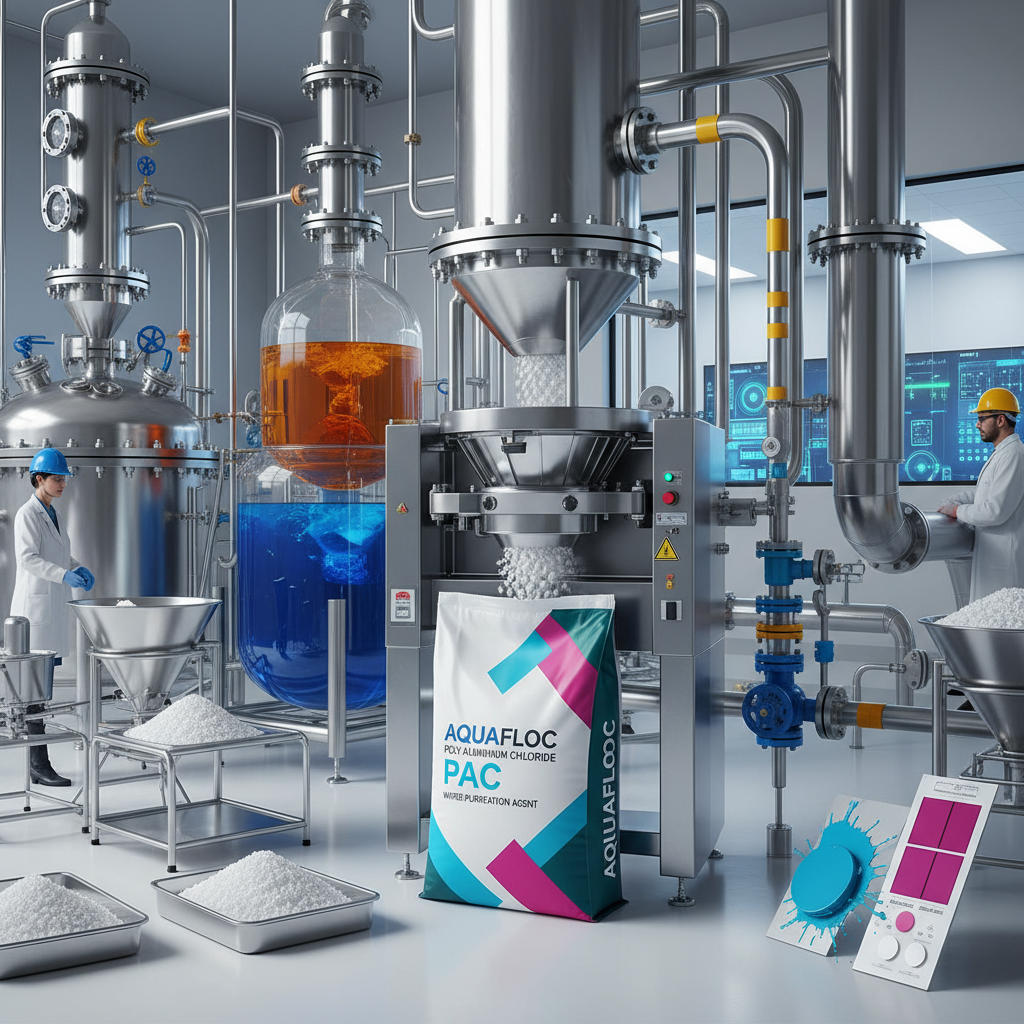 Poly Aluminium Chloride, often shortened to PAC, is a widely used coagulant in water treatment and industrial processes. Its effectiveness in removing impurities and reducing turbidity makes it a crucial component in ensuring water quality. This article will delve into the properties, applications, benefits, and factors to consider when sourcing PAC. Understanding PAC is essential for optimizing water purification and enhancing operational efficiency. We'll cover everything from its chemical composition to its crucial role in wastewater treatment. PAC is a highly effective inorganic polymer coagulant. It is produced by reacting aluminum hydroxide with hydrochloric acid. The resulting product is a clear, yellowish liquid containing a variety of aluminium polymers with varying basicities. Its high charge neutralization ability makes it superior to traditional coagulants like alum in many applications. PAC works by destabilizing negatively charged particles in water, causing them to clump together (coagulate) and settle out. The versatility and efficiency of PAC contribute to its widespread adoption across numerous industries.Read more
-
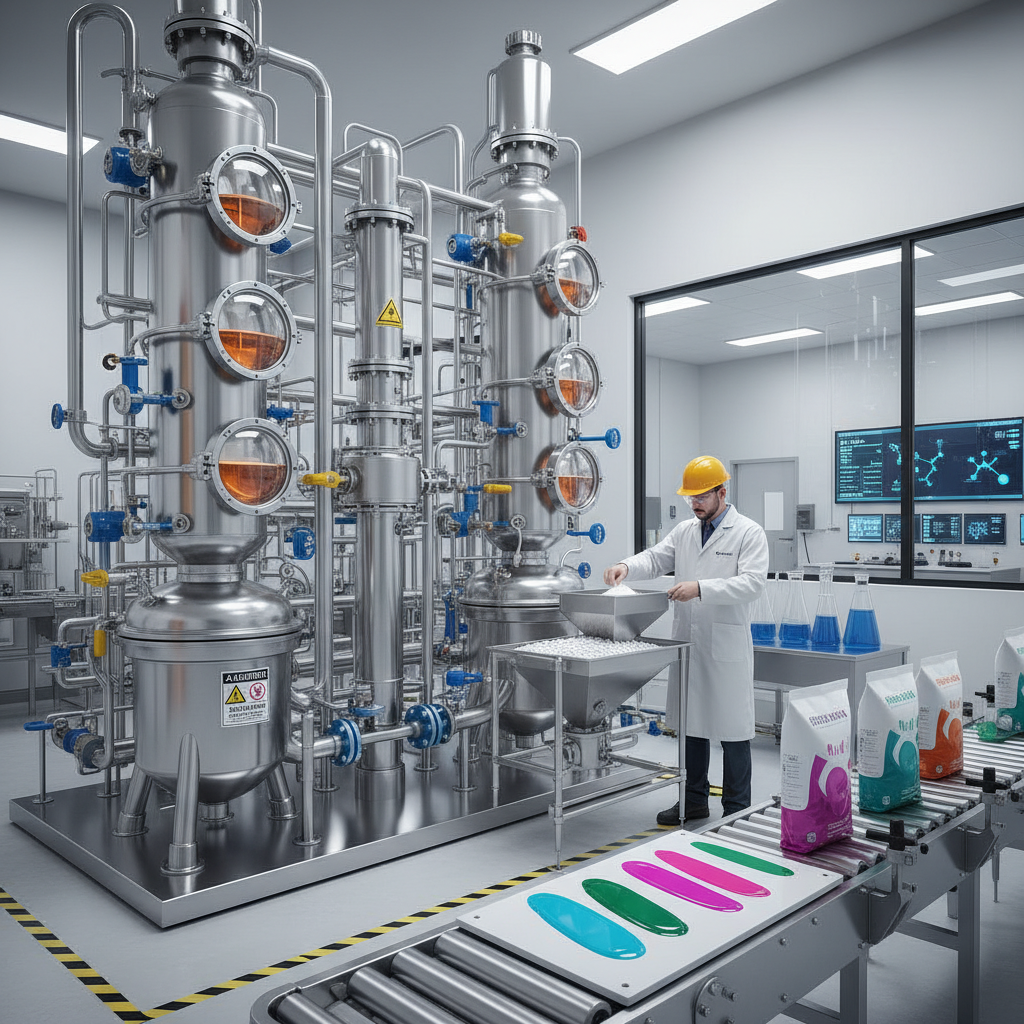 Aluminum chloride liquid is a versatile chemical compound with applications spanning numerous industries, from petrochemicals to pharmaceuticals. Understanding its properties, uses, and safety considerations is crucial for professionals working with this important substance. This article will provide a detailed overview of aluminum chloride liquid, its production, applications, handling procedures, and where to source high-quality products. For reliable supply and specifications, visit LKPBTC, a trusted supplier of industrial chemicals. It’s an important Lewis acid and is commonly produced by reacting aluminum metal with hydrochloric acid. The liquid form is often preferred for ease of handling and precise dosing in various chemical processes. It's hygroscopic, meaning it readily absorbs moisture from the air, and this reaction generates heat and hydrochloric acid fumes. LKPBTC ensures that our aluminum chloride liquid is carefully packaged to prevent moisture contamination during transit and storage. The versatility of aluminum chloride liquid drives its wide-ranging applications. A primary use is as a catalyst in Friedel-Crafts reactions, vital for the production of various organic chemicals, including pharmaceuticals, dyes, and polymers.Read more
Latest News & Blogs
view more -
 Industrial Preservation Guide for Chloro Methyl IsothiazolinoneIn the realm of industrial chemistry, maintaining the purity and stability of aqueous solutions is a constant challenge. Chloro methyl isothiazolinone serves as a powerful antimicrobial agent, widely utilized to prevent the growth of bacteria, fungi, and algae in a variety of commercial products. From water treatment systems to the manufacturing of specialty chemicals, this compound ensures that products remain uncontaminated throughout their shelf life. Understanding its chemical properties and application methods is essential for manufacturers aiming to enhance product longevity and safety in the competitive global market.read more
-
 High Efficiency Industrial Biocides Guide for isothiazolinonesIsothiazolinones: The Ultimate Guide to High-Efficiency Biocides In the realm of industrial preservation, maintaining a sterile environment is critical to product longevity and operational efficiency. Isothiazolinones , specifically the CMITMIT blend, have emerged as a premier solution for combating microbial growth. By disrupting the vital bonds between bacteria and algae proteins, these powerful biocides ensure that industrial systems remain free from harmful biofilms and contamination. Whether used in cooling towers or personal care products, these chemicals provide a broad-spectrum defense that is both cost-effective and highly efficient. Understanding the technical properties and application methods of isothiazolinones is essential for any manufacturer seeking to optimize their chemical treatment processes.read more
-
 Industrial Efficiency and Corrosion Control with 40623 75 4 HPAAUnlocking Industrial Efficiency with 40623 75 4 HPAA In the demanding world of industrial water treatment and corrosion control, finding a stable and efficient inhibitor is critical. The chemical compound known as 40623 75 4 , scientifically referred to as HPAA 2-Hydroxyphosphonoacetic acid, has emerged as a superior solution. Designed to withstand harsh acidic and alkaline environments, this specialty chemical provides unparalleled protection for metal surfaces, particularly in oilfield refill systems. By significantly improving zinc solubility and offering high-tier corrosion inhibition, it ensures the longevity of expensive infrastructure. In this guide, we will explore why this specific phosphonic acid derivative is the preferred choiceread more
-
 Industrial 2 acrylamido 2 methylpropane sulfonic acid copolymerHigh-Performance 2 acrylamido 2 methylpropane sulfonic acid copolymer for Industrial Water Treatment In the demanding world of industrial chemical processing, the management of inorganic mineral deposits is a critical challenge. The 2 acrylamido 2 methylpropane sulfonic acid copolymer , specifically represented by the LK-2000 series, serves as a powerful tool for scale inhibition and dispersion. By effectively stabilizing calcium phosphate and calcium carbonate, this copolymer ensures that industrial systems remain efficient and free from clogging. Whether you are dealing with circulating cooling water or complex boiler systems, utilizing a professional-grade sulfonate copolymer is essential for maintaining operational longevity and reducing maintenance costs.read more