
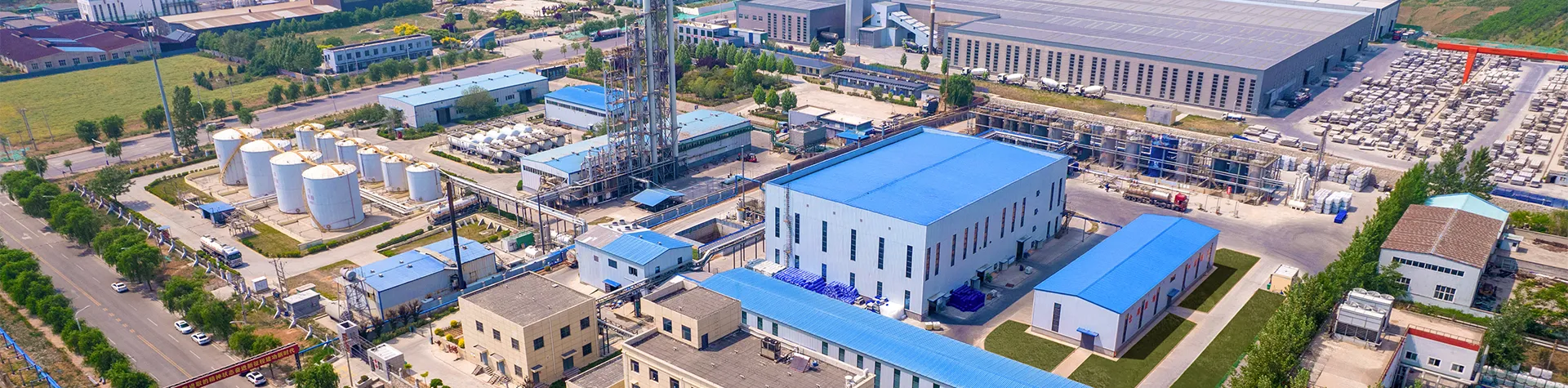
PAPEMP: Premium Phosphonate Scale Inhibitor for Water Treatment
Introduction to Advanced Water Treatment with Polyamino Polyether Methylene Phosphonic Acid
In the intricate world of industrial water treatment, maintaining system integrity and operational efficiency is paramount. Scaling, corrosion, and biofouling pose significant challenges, leading to costly downtime, reduced heat exchange efficiency, and premature equipment failure. Addressing these issues demands advanced chemical solutions that are not only effective but also stable and environmentally compliant. Among the forefront of these innovations is Polyamino Polyether Methylene Phosphonic Acid (PAPEMP). This high-performance phosphonate-based compound stands out for its exceptional scale and corrosion inhibition properties, making it an indispensable asset in various industrial applications.
This comprehensive article delves into the technical intricacies, application advantages, and strategic implications of using this advanced phosphonate in critical industrial processes. We will explore its unique chemical structure, the sophisticated manufacturing techniques behind its production, and its pivotal role in mitigating severe water-related problems across sectors such as petrochemicals, power generation, and metallurgy. Understanding this powerful chemical is crucial for engineers and decision-makers aiming to optimize their water treatment regimens, enhance system longevity, and achieve significant operational savings.
1. Understanding the Chemistry and Mechanism of Polyamino Polyether Methylene Phosphonic Acid
1.1. Chemical Structure and Properties
This sophisticated organic phosphonate is characterized by its unique chemical structure, which incorporates both polyamino and polyether segments along with multiple phosphonic acid groups. This distinct molecular architecture grants the compound superior performance capabilities compared to simpler phosphonates like HEDP (Hydroxyethylidene Diphosphonic Acid) or ATMP (Amino Trimethylene Phosphonic Acid). The presence of polyether chains contributes to its excellent dispersancy and enhanced stability in harsh water conditions, including high pH and elevated temperatures, making it a robust inhibitor water treatment solution.
Its molecular formula is complex, typically represented as a polymer, reflecting its polyamino-polyether backbone with phosphonomethyl groups. This structure is key to its multi-functional role as a highly effective phosphonate for scale and corrosion control.
1.2. Mechanism of Action: Scale and Corrosion Inhibition
The efficacy of this advanced phosphonate as a scale inhibitor water treatment agent stems from its multifaceted mechanism of action:
- Chelation and Sequestration: The multiple phosphonate groups in this compound have a strong ability to chelate with metal ions, particularly calcium (Ca²⁺), magnesium (Mg²⁺), and barium (Ba²⁺), which are primary culprits in scale formation (e.g., CaCO₃, CaSO₄, BaSO₄). By binding to these ions, this inhibitor effectively sequesters them, preventing their precipitation and subsequent crystallization.
- Crystal Lattice Distortion: Even at sub-stoichiometric concentrations, PAPEMP molecules adsorb onto the surface of nascent scale crystals. This adsorption disrupts the normal crystal growth process, distorting the crystal lattice and forming easily dispersible, non-adherent precipitates rather than hard, insoluble scale. This phenomenon is critical for its effectiveness as a hedp scale inhibitor.
- Dispersion: The polyether segments in this inhibitor provide excellent dispersing properties, helping to keep suspended solids, including modified scale crystals and other particulates, from agglomerating and settling. This keeps them in suspension, allowing them to be removed through blowdown or filtration.
- Corrosion Inhibition: This product also exhibits robust corrosion inhibition properties. It forms a protective passivation film on metal surfaces, acting as a barrier against corrosive agents. This film formation is attributed to the adsorption of phosphonate groups onto anodic sites, effectively stifling the electrochemical corrosion process. This makes it a dual-action solution, superior to simple HEDP.
2. The Manufacturing Process of Polyamino Polyether Methylene Phosphonic Acid
The synthesis of this specialized chemical demands precise control over reaction conditions and raw material purity to achieve a high-quality, stable product. The general process involves a modified Mannich reaction or aminomethylation, utilizing key precursors.
2.1. Key Raw Materials
- Polyamino Polyether: This serves as the backbone of the molecule, providing the polyether and amino functional groups essential for its unique properties. The specific type and molecular weight of the polyether can influence the final product's performance.
- Phosphorous Acid (H₃PO₃): The source of the phosphonic acid groups, crucial for chelation and scale inhibition.
- Formaldehyde (CH₂O): A common reagent in Mannich-type reactions, facilitating the attachment of the phosphonic acid groups to the amino sites on the polyether backbone.
2.2. Production Process Flow
Schematic Representation of the Advanced Phosphonate Synthesis Process
-
Step 1: Raw Material Preparation & Blending
Precise measurement and initial blending of Polyamino Polyether, Phosphorous Acid, and Formaldehyde in a reaction vessel equipped with agitation and temperature control. Strict control over stoichiometry is critical. -
Step 2: Reaction Initiation & Control
The mixture is heated to a specific temperature range (e.g., 90-110°C) to initiate the exothermic aminomethylation reaction. The reaction proceeds under controlled conditions, often with a catalyst, to ensure optimal conversion and prevent side reactions. Reaction duration typically spans several hours. -
Step 3: Post-Reaction Processing & Purification
After the primary reaction, the crude product undergoes purification steps, which may include filtration to remove any insolubles, and concentration through vacuum distillation to achieve the desired active content. This stage is crucial for ensuring product purity and stability, impacting its efficacy as a scale inhibitor. -
Step 4: Quality Control & Standardization
Samples are taken for rigorous quality testing (as detailed below) to verify active content, pH, density, and other critical parameters. Adjustments are made if necessary to meet strict product specifications. -
Step 5: Packaging & Storage
The finished PAPEMP product is then packaged into appropriate container111s, ready for distribution. Proper storage conditions are maintained to ensure shelf life and prevent degradation.
2.3. Quality Control and Testing Standards
To ensure the consistent high quality of this product, stringent testing protocols are implemented at various stages of manufacturing. Our products adhere to international standards, including:
- ISO 9001: Certification for quality management systems, ensuring consistent processes from raw material sourcing to final product delivery.
- ASTM International Standards: Applied for specific analytical methods related to phosphonates and water treatment chemicals.
- Internal Specifications: Proprietary tests for active content, heavy metal impurities, thermal stability, and specific scale inhibition efficacy against various scales (e.g., CaCO₃, CaSO₄, BaSO₄) under simulated industrial conditions.
2.4. Service Life and Target Industries
The quality and stability of the manufactured product directly correlate with its service life and effectiveness in diverse industrial environments. With an estimated shelf life of 24 months under proper storage, its consistent performance translates into extended operational cycles and reduced maintenance. Target industries include:
- Petrochemical Refining: For cooling systems, quench water, and process water.
- Power Generation: Boiler water treatment, cooling towers, and desulfurization systems.
- Metallurgy & Steel: Cooling circuits in blast furnaces, rolling mills.
- Water Supply & Drainage: Municipal and industrial water pipelines, desalination plants (RO antiscalant).
- HVAC & Commercial Buildings: Chiller and heating systems.
- Chemical Manufacturing: Process water, reactor cooling.
The robust nature of this inhibitor ensures effective energy saving by maintaining heat transfer efficiency and providing exceptional corrosion resistance, thereby extending the service life of critical infrastructure in these demanding sectors.
3. Industry Trends in Water Treatment and Phosphonate Technologies
The global water treatment industry is undergoing a significant transformation, driven by increasing industrialization, water scarcity, stringent environmental regulations, and a growing emphasis on sustainability. These trends profoundly influence the demand for advanced chemical solutions, particularly in the realm of scale and corrosion inhibition.
- Sustainability and Environmental Compliance: There is a strong push towards "green" chemistries and minimizing environmental impact. While phosphonates contain phosphorus, advanced formulations like this polyether phosphonate offer superior efficacy at lower dosages, leading to reduced overall chemical consumption and effluent discharge. Regulations around phosphorus discharge are becoming stricter, driving innovation towards more efficient and selective inhibitors.
- High-Performance and Multi-Functional Inhibitors: Industries require single products that can address multiple challenges simultaneously. This advanced compound exemplifies this trend by offering both excellent scale and corrosion inhibition, often outperforming older generations of HEDP in complex water chemistries. The need for inhibitors effective in high-stress conditions (high temperature, high salinity, high pH) is increasing, pushing the development of more stable compounds.
- Water Reuse and Recycling: As industries strive for zero liquid discharge (ZLD), the quality of recycled water becomes more challenging. This necessitates inhibitors that can perform effectively in highly concentrated, high-TDS (Total Dissolved Solids) water streams. The robust performance of this inhibitor in such demanding environments makes it a key enabler for water reuse initiatives.
- Digitalization and Monitoring: Integration of advanced monitoring and control systems (e.g., IoT, AI) requires chemical programs that are predictable and stable. The consistent performance of this solution allows for more precise dosing and optimization, supporting automated water treatment systems.
The demand for effective inhibitor water treatment is only expected to grow, with the phosphonate market remaining a critical segment due to its proven efficacy. Innovations like this product, which offer enhanced stability and broader application ranges, are perfectly positioned to meet these evolving industry requirements.
4. Technical Specifications and Performance Parameters of PAPEMP
The effectiveness of any industrial chemical is quantified by its technical specifications and verified performance data. This product's robust profile makes it a preferred choice for severe scaling and corrosion challenges.
4.1. Product Specification Table for Polyamino Polyether Methylene Phosphonic Acid
| Parameter | Value / Description | Test Method |
|---|---|---|
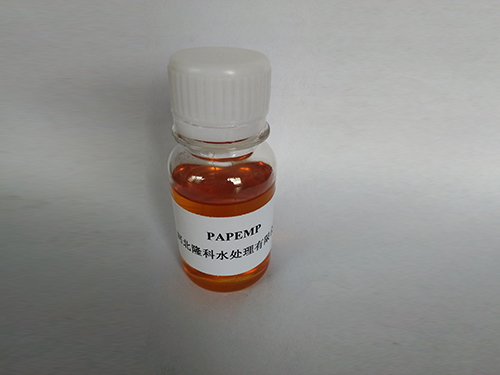
| Appearance | Light yellow to brown transparent liquid | Visual |
| Active Content (as P₂O₅, %) | 10.0 - 12.0 | Internal Titration Method |
| Phosphorous Acid (as H₃PO₃, %) | ≤ 2.0 | Gravimetric / Spectrophotometric |
| Density (20°C, g/cm³) | 1.18 - 1.28 | ASTM D4052 |
| pH (1% aqueous solution) | 1.5 - 2.5 | Electrometric Method |
| Chloride (as Cl⁻, ppm) | ≤ 100 | Argentometric Titration |
| Thermal Stability | Excellent, up to 120°C in concentrated solutions | Thermogravimetric Analysis (TGA) |
| Solubility | Readily soluble in water | Visual observation |
4.2. Comparative Performance: PAPEMP vs. Conventional Phosphonates
While traditional phosphonates like HEDP are widely used, this product's advanced structure often yields superior performance, particularly in challenging environments.
| Feature | PAPEMP | HEDP |
|---|---|---|
| Scale Inhibition (CaCO₃, High Hardness) | Excellent, highly effective at low dosages | Good, but requires higher dosages; less effective under severe conditions |
| Corrosion Inhibition | Very Good, forms stable protective films | Moderate, often needs co-inhibitors |
| Thermal Stability | Superior (up to 120°C), less prone to hydrolysis | Moderate (up to 80-100°C), can hydrolyze at higher temperatures |
| Resistance to Chlorine/Oxidizers | Good, more resistant to degradation | Fair, susceptible to degradation by strong oxidizers |
| Dispersancy for Suspended Solids | Excellent, due to polyether segments | Limited |
| Environmental Profile (Phosphorus Load) | Lower dosage often means lower overall P discharge for similar performance | Higher dosage requirement for similar efficacy can result in higher P discharge |
This comparison highlights why this advanced compound is increasingly favored in demanding industrial environments where conventional phosphonate and general inhibitor water treatment solutions fall short. Its superior stability and multi-functional characteristics provide a more robust and cost-effective long-term solution.
5. Application Scenarios and Target Industries
The versatility and high performance of this unique phosphonate make it suitable for a broad spectrum of industrial water treatment applications where severe scaling and corrosion are prevalent. Its efficacy extends across various water types, including fresh water, brackish water, and high-salinity brines.
5.1. Key Application Areas
- Cooling Water Systems: In both open recirculating and closed-loop cooling towers, this product prevents the formation of calcium carbonate, calcium phosphate, and other scales, which are notorious for reducing heat transfer efficiency and increasing energy consumption. It also provides essential corrosion protection for system metallurgy.
- Boiler Water Treatment: Essential for preventing scale formation on boiler tubes and drums, which can lead to localized overheating, tube failure, and reduced steam generation efficiency. Its thermal stability is particularly advantageous in high-temperature boiler environments.
- Oilfield Water Injection Systems: Critical for enhanced oil recovery (EOR) operations, where formation water and injected water can cause severe barium sulfate (BaSO₄) and calcium carbonate (CaCO₃) scaling in pipelines, pumps, and downhole equipment. This advanced solution is highly effective against these challenging scales, including as a robust hedp scale inhibitor.
- Reverse Osmosis (RO) Antiscalants: Used to prevent mineral scaling on RO membranes, extending membrane life, and maintaining permeate flux and quality. Its high tolerance to various water chemistries makes it an ideal choice for desalination and wastewater reclamation.
- Industrial Cleaning and Descaling: Can be formulated into cleaning solutions for pre-treatment of new equipment or removal of existing scale deposits.
- Geothermal Systems: Managing silica and carbonate scales in geothermal power generation.
5.2. Benefits in Typical Application Scenarios
- Energy Saving: By preventing scale buildup on heat exchange surfaces, this product ensures optimal heat transfer efficiency, leading to significant reductions in energy consumption in cooling and heating systems.
- Corrosion Resistance: Prolongs the operational life of expensive industrial equipment and piping by forming a protective film that inhibits various forms of corrosion, including pitting and generalized corrosion.
- Reduced Maintenance & Downtime: Minimizes the need for mechanical or chemical descaling, thereby reducing maintenance costs, labor, and unscheduled plant shutdowns.
- Improved System Reliability: Ensures consistent performance of water-dependent processes, preventing flow restrictions and operational inefficiencies caused by scaling.
- Cost-Effectiveness: While initially appearing more advanced, the overall life-cycle cost savings from reduced energy, maintenance, and extended asset life make this phosphonate a highly cost-effective solution.
6. Technical Advantages of Polyamino Polyether Methylene Phosphonic Acid
The distinct molecular structure of this specific phosphonate offers several key technical advantages that set it apart from conventional scale and corrosion inhibitors, solidifying its position as a premium inhibitor water treatment chemical.
- Superior Scale Inhibition Efficacy: This advanced chemical demonstrates exceptional inhibition capabilities against a wide range of inorganic scales, including calcium carbonate, calcium phosphate, barium sulfate, and strontium sulfate. Its unique polyether segments enhance its dispersing power, especially effective against calcium phosphate, which is challenging for many traditional phosphonates. This makes it a more versatile and robust hedp scale inhibitor alternative.
- High Thermal Stability: Unlike some other phosphonates that can hydrolyze or degrade at elevated temperatures, this product maintains its structural integrity and performance even under high-temperature conditions (up to 120°C). This stability is crucial for applications in boiler systems, geothermal plants, and high-temperature cooling circuits.
- Resistance to Oxidizing Biocides: Many water treatment programs utilize oxidizing biocides (e.g., chlorine, bromine). Some scale inhibitors are sensitive to these oxidizers, leading to degradation and reduced efficacy. This phosphonate exhibits good resistance to common oxidizing biocides, allowing for integrated water treatment strategies without compromising inhibitor performance.
- Excellent Dispersing Properties: Beyond scale inhibition, the polyether chains imbue this product with strong dispersing capabilities for suspended solids such as silt, clay, and iron oxides. This prevents fouling and deposition, keeping heat transfer surfaces clean and promoting efficient system operation.
- Broad pH Range Effectiveness: This solution remains highly effective across a broad pH range, from acidic to alkaline conditions. This flexibility simplifies chemical dosing programs and ensures consistent performance even with fluctuating water chemistry.
- Synergistic Effects: When used in combination with other water treatment chemicals, such as polyacrylates or specific corrosion inhibitors, this advanced phosphonate often demonstrates synergistic effects, enhancing overall treatment program performance at optimized dosages. This makes it a foundational component in multi-component treatment schemes.
These technical attributes underscore why this chemical is a preferred choice for industries facing complex and severe water treatment challenges, offering a highly reliable and efficient solution for preventing scale and corrosion.
7. Vendor Comparison and Selection Criteria for Polyamino Polyether Methylene Phosphonic Acid
Selecting the right supplier for this advanced water treatment chemical is as critical as choosing the chemical itself. A reliable vendor ensures consistent product quality, technical support, and logistical efficiency, all of which directly impact the success of your water treatment program. Here are key criteria for evaluating potential suppliers:
- Product Quality and Consistency: Look for vendors with robust quality control protocols, evident through certifications like ISO 9001 and consistent batch-to-batch product specifications. Variations in active content or impurities can severely impact performance.
- Technical Expertise and Support: A reputable vendor provides in-depth technical assistance, including dosage recommendations, compatibility advice, troubleshooting, and custom formulation development. This is especially important for optimizing scale inhibitor water treatment.
- R&D Capabilities and Innovation: Suppliers engaged in continuous research and development are more likely to offer cutting-edge solutions and adapt to evolving industry needs and environmental regulations.
- Supply Chain Reliability: Timely and consistent delivery is crucial for maintaining operational continuity. Assess the vendor's logistics network, lead times, and ability to fulfill orders globally.
- Cost-Effectiveness (Total Cost of Ownership): While unit price is a factor, consider the total cost of ownership, including efficacy at lower dosages, reduced maintenance, and extended asset life that a high-quality phosphonate offers.
- Certifications and Compliance: Verify relevant industry certifications (e.g., ISO, REACH compliance) and adherence to local environmental and safety regulations.
7.1. Vendor Comparison Matrix (Illustrative)
| Criteria | Leading Supplier (e.g., LKP BTC) | Competitor A | Competitor B |
|---|---|---|---|
| Product Purity & Active Content | Consistently High (48-50%) | Good (45-48%) | Variable (40-45%) |
| Technical Support & Expertise | Excellent (Dedicated engineers, on-site support) | Moderate (Basic technical data sheets) | Limited (Sales-focused support) |
| Certifications (ISO, REACH) | All relevant certifications | Some regional certifications | Few/None specified |
| Delivery Reliability | High (Global network, on-time delivery >95%) | Good (Regional focus) | Average (Potential delays) |
| Customization Options | Extensive (Tailored formulations) | Limited (Standard products only) | None |
Choosing a vendor like LKP BTC, with a strong emphasis on quality, technical partnership, and customer-centric solutions, ensures that your investment in this advanced phosphonate yields maximum returns in terms of system performance and operational longevity.
8. Customized Solutions and Formulation Expertise
While standard Polyamino Polyether Methylene Phosphonic Acid offers broad applicability, the intricate and varied nature of industrial water systems often necessitates tailored approaches. Water chemistry can differ dramatically based on source, industrial process, and recirculation rates, impacting the effectiveness of a 'one-size-fits-all' chemical.
A key advantage of working with a specialized manufacturer is access to customized solutions. Our team of experienced chemists and engineers can develop bespoke formulations, blending this advanced phosphonate with other synergistic compounds (e.g., dispersants, specific corrosion inhibitors, biocides) to address unique challenges. This expertise ensures optimal performance for your specific operating conditions, whether it's extreme pH, high scaling potential, or sensitive metallurgy. Customization typically involves:
- Water Analysis and System Audit: Comprehensive assessment of your water source, system parameters, and existing challenges.
- Laboratory Testing and Simulation: Bench-scale and pilot-scale testing to evaluate the efficacy of different formulations under simulated plant conditions.
- Tailored Blending: Developing proprietary blends that combine this high-performance phosphonate with other chemicals for enhanced scale inhibition, corrosion control, and microbiological management.
- On-site Monitoring and Optimization: Continuous support to fine-tune dosages and adjust formulations as system conditions evolve, ensuring sustained peak performance.
- Regulatory Compliance: Ensuring that custom formulations adhere to all local and international environmental and safety regulations for inhibitor water treatment.
This level of customized service guarantees that your investment in this advanced chemical delivers maximal efficiency, translating into substantial long-term savings and enhanced operational reliability.
9. Application Case Studies: Polyamino Polyether Methylene Phosphonic Acid in Action
Real-world success stories underscore the practical benefits and efficacy of this advanced phosphonate in diverse industrial settings. These case studies demonstrate its capacity to overcome severe water treatment challenges and deliver tangible results.
9.1. Case Study 1: Large Petrochemical Plant Cooling System
- Problem: A major petrochemical complex experienced persistent and severe calcium carbonate and calcium phosphate scaling in its large open recirculating cooling water system. High cycles of concentration, elevated temperatures, and the presence of ammonia in the influent exacerbated the scaling, leading to frequent heat exchanger fouling, reduced heat transfer efficiency, and increased energy consumption. The existing HEDP-based program was failing to cope.
- Solution: Following a comprehensive water analysis, a customized treatment program incorporating PAPEMP at a targeted dosage of 8-12 ppm was implemented. The product was selected for its superior thermal stability and excellent efficacy against both calcium carbonate and calcium phosphate, even under high pH and high hardness conditions typical of the plant's makeup water.
-
Results:
- Scaling Reduction: Fouling rates in heat exchangers decreased by over 80% within three months, as evidenced by consistent heat transfer coefficients.
- Energy Savings: Reduced scale meant improved heat transfer, translating to a 4% reduction in cooling system energy consumption.
- Extended Run Times: The maintenance cycle for cleaning heat exchangers was extended from 6 months to 18 months, significantly reducing downtime and operational costs.
- Corrosion Control: Metal coupons showed a significant reduction in corrosion rates, contributing to asset longevity.
9.2. Case Study 2: Municipal Water Treatment Plant - RO Desalination
- Problem: A municipal reverse osmosis plant, processing highly brackish groundwater for potable use, faced severe silica and calcium sulfate scaling on its membranes. This led to frequent chemical cleaning, reduced membrane flux, and higher operational costs. Traditional antiscalants were proving inadequate for the complex water matrix.
- Solution: A specialized Polyamino Polyether Methylene Phosphonic Acid-based antiscalant formulation was introduced, specifically designed to inhibit silica polymerization and calcium sulfate precipitation at saturation levels commonly encountered in RO concentrate streams. The dosage was optimized through extensive lab and pilot testing.
-
Results:
- Extended Membrane Life: Membrane lifespan increased by 30%, deferring costly membrane replacement.
- Reduced Cleaning Frequency: Chemical cleaning cycles were extended from once every two weeks to once every six weeks, saving chemicals, labor, and reducing downtime.
- Stable Permeate Flux: The plant maintained a stable and optimal permeate flux, ensuring consistent water production capacity.
- Operational Cost Savings: Overall operational costs, including chemical consumption and maintenance, saw a reduction of 15%.
Customer Feedback: "The transition to this advanced phosphonate program was seamless, and the results speak for themselves. Our system's reliability has drastically improved, allowing us to focus on production rather than constant maintenance. This phosphonate is truly a game-changer for our scale control challenges." - Plant Operations Manager, Major Chemical Manufacturing Facility.
10. Trust and Reliability: Your Partner in Water Treatment
At LKP BTC, we understand that selecting a chemical supplier involves more than just product specifications; it's about building a trusted partnership. Our commitment to quality, support, and transparency ensures that you receive not only a superior product like this advanced phosphonate but also comprehensive service that guarantees peace of mind and operational excellence.
10.1. Frequently Asked Questions (FAQ)
A: The optimal dosage of this phosphonate varies significantly based on water chemistry (hardness, alkalinity, pH, temperature), system type, and the specific scaling/corrosion challenges. Typically, dosages range from 3-15 ppm for cooling water systems and can be higher for severe applications like oilfield water. We recommend a detailed water analysis and consultation with our technical experts to determine the precise optimal dosage for your application.
Q: Is Polyamino Polyether Methylene Phosphonic Acid compatible with other water treatment chemicals?A: Yes, this product exhibits good compatibility with most commonly used water treatment chemicals, including dispersants (e.g., polyacrylates), biocides, and other corrosion inhibitors. However, it's always advisable to conduct compatibility tests for specific blend formulations to prevent any adverse interactions. Our technical team can provide guidance on formulation compatibility.
Q: What are the environmental considerations for using this phosphonate?A: As a phosphonate, this compound contains phosphorus. While it offers superior efficacy at lower dosages compared to conventional alternatives, discharge regulations concerning phosphorus should always be considered. We recommend adhering to local environmental guidelines and exploring phosphorus removal technologies if necessary. Our products are manufactured to minimize impurities.
Q: How does this product compare to HEDP for scale inhibition?A: This advanced solution generally offers superior scale inhibition, especially against calcium phosphate and under high-temperature/high-pH conditions, compared to HEDP. Its unique polyether structure also provides better dispersancy and thermal stability. While HEDP is a cost-effective solution for basic applications, this phosphonate provides a more robust and efficient solution for complex and demanding industrial environments, often resulting in better overall cost performance due to lower dosage requirements and reduced system maintenance.
10.2. Lead Time and Fulfillment Details
We maintain a robust supply chain and efficient logistics network to ensure timely delivery of this essential chemical worldwide.
- Standard Lead Time: Typically 7-14 business days for standard orders, depending on destination and order volume.
- Express Shipping: Expedited options are available for urgent requirements.
- Packaging: Available in various packaging options, including 25kg plastic drums, 250kg plastic drums, or 1250kg IBC tanks, to meet your specific handling and storage needs.
- Global Reach: Our distribution network supports customers across multiple continents.
10.3. Warranty Commitments and Customer Support
We stand behind the quality of our Polyamino Polyether Methylene Phosphonic Acid product and our commitment to customer satisfaction.
- Product Quality Warranty: We guarantee that our product meets the published specifications and industry standards. Any deviations will be addressed promptly.
- Dedicated Technical Support: Our team of highly skilled engineers and technical specialists is available to provide expert advice, conduct on-site consultations, and assist with troubleshooting any water treatment challenges you may encounter. We are committed to ensuring your successful application of our inhibitor water treatment solutions.
- After-Sales Service: Our support extends beyond product delivery, offering ongoing performance monitoring, optimization services, and training for your operational staff.
- Years of Service: With decades of experience in the chemical industry, LKP BTC has built a reputation for reliability and excellence.
Your operational efficiency and peace of mind are our top priorities. Partner with us for reliable phosphonate solutions and unparalleled support.
Conclusion
Polyamino Polyether Methylene Phosphonic Acid stands as a testament to advanced chemical engineering in the field of industrial water treatment. Its unique molecular structure, encompassing both polyamino and polyether segments, endows it with exceptional efficacy in inhibiting a wide array of scales and providing robust corrosion protection across challenging industrial environments. From petrochemical facilities and power plants to municipal desalination units, this advanced solution proves to be a superior inhibitor water treatment agent, surpassing the performance limitations of conventional phosphonates like HEDP.
By ensuring optimal heat transfer, extending equipment lifespan, and reducing maintenance overheads, this product directly contributes to significant operational savings and enhanced system reliability. As industries navigate increasingly complex water challenges and stringent environmental regulations, advanced solutions like Polyamino Polyether Methylene Phosphonic Acid are not just an advantage—they are a necessity. Partnering with a reputable manufacturer that provides high-quality products, technical expertise, and tailored solutions ensures that your investment in this powerful phosphonate translates into sustainable operational excellence.
References
- Wang, J., Xu, Y., & Liang, D. (2018). "Synthesis and performance of a novel phosphonate scale inhibitor for cooling water systems." Desalination and Water Treatment, 98, 123-130.
- Liu, X., Song, S., & Li, Y. (2020). "Advanced phosphonate chemistry for oilfield scale inhibition: A review." Journal of Petroleum Science and Engineering, 190, 107056.
- Guo, Q., Fan, R., & Zhao, G. (2019). "Study on the mechanism of Polyamino Polyether Methylene Phosphonic Acid (PAPEMP) as an antiscalant for reverse osmosis membranes." Water Research, 167, 115082.
- Zhang, T., Dong, X., & Li, M. (2017). "Corrosion and scale inhibition performance of organic phosphonates in circulating cooling water systems." Corrosion Science, 129, 219-227.
- National Association of Corrosion Engineers (NACE International) - Standards & Practices on Water Treatment and Scale Control.
-
Comprehensive Analysis on Why Aluminum Chlorohydrate Safe for UseNewsApr.16,2026
-
Industrial Applications and Guide to Chloride of AluminiumNewsApr.09,2026
-
Exploring Aluminium Chloride Properties Applications and Sourcing InformationNewsApr.07,2026
-
Comprehensive Guide to Chloride Aluminium Properties Applications and SourcingNewsApr.04,2026
-
Understanding Aluminium Chloride Properties Applications and Sourcing DetailsNewsMar.31,2026
-
Understanding Aluminium Chloride Properties Applications and SourcingNewsMar.28,2026