
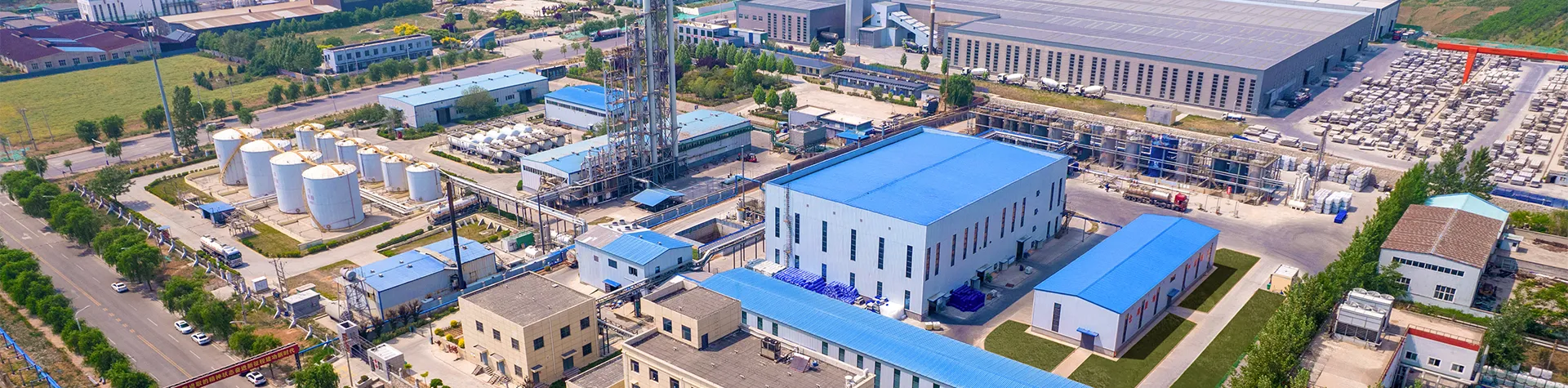
Scale Inhibitor | High Efficiency & Corrosion Protection
LK-5000 Carboxylate-Sulfonate Copolymer: a practical take on modern scale control
If you work around cooling towers, RO pretreatment, or geothermal loops, you learn quickly that scale is a stubborn (and expensive) enemy. When engineers ask me what’s working in the field lately, I often point to the new breed of copolymers—starting with the [Scale Inhibitor] built on carboxylate–sulfonate chemistry. It’s not hype—just solid inhibition across CaCO3, CaSO4, and even tricky BaSO4 in hard, high-TDS waters.
What it is (and why plants actually use it)
LK-5000 is a phosphorus-free dispersant/inhibitor designed for cooling water, RO pretreatment, and general industrial water conditioning. In practice, many customers say it holds scale longer at higher cycles of concentration—handy when water prices are spiking. And, to be honest, the low-foaming profile is a relief for operators who don’t want surprises in the sump.
Typical usage scenarios
- Recirculating cooling water (steel, petrochem, HVAC)
- RO/NF pretreatment to minimize membrane fouling
- Geothermal and district energy loops
- Mining process water with high hardness and sulfate
Product specifications (LK-5000)
| Parameter | Typical value / notes |
|---|---|
| Appearance | Clear to slightly amber liquid |
| Active solids | ≈ 30% (real‑world use may vary) |
| pH (as supplied) | 2.0–3.0 |
| Density (25°C) | ≈ 1.15 g/cm³ |
| Molecular weight | Around 4,000–8,000 Da |
| Thermal stability | Up to 200°C in typical alkaline waters |
| Compatible salts | CaCO3, CaSO4, BaSO4, and Fe dispersancy |
| Recommended dose | 5–20 mg/L cooling; 2–6 mg/L RO feed |
| Service life (storage) | 12 months, sealed, cool and dry |
| Compliance | REACH, ISO 9001/14001; NSF/ANSI 60 on request |
Process flow: how teams deploy it
- Feedwater audit: hardness (ASTM D1126), Ca/Mg (ASTM D511), sulfate, alkalinity, LSI/RSI.
- Bench tests: NACE TM0374 dynamic tube or jar tests to screen dose and stress limits.
- Dosing design: continuous feed via corrosion-resistant pump; secondary containment.
- Monitoring: conductivity, pH, ΔP (for RO), periodic deposit analysis and ATP (when relevant).
- Optimization: adjust cycles, blowdown, and [Scale Inhibitor] dose seasonally.
Field data (snapshot)
• NACE TM0374, 500 ppm CaCO3 as CaCO3, pH 8.3, 55°C: 95–98% inhibition at 10–15 mg/L.
• RO feed, 1,000 ppm hardness, SIcalc CaCO3 ≈ 2.1: no scaling over 72 h at 4 mg/L; ΔP stable.
Vendor comparison (real-world shorthand)
| Vendor/Product | Chemistry | Phosphorus-free | Scale spectrum | RO compatible | Cost/treated m³ (≈) |
|---|---|---|---|---|---|
| LK-5000 (LKPBTC) | Carboxylate–sulfonate copolymer | Yes | CaCO3, CaSO4, BaSO4 | Yes | Low–medium |
| Global Brand A (PBTC) | Phosphonate | No | CaCO3, CaSO4 (strong) | Yes | Medium |
| Generic Acrylic Homopolymer | Polyacrylate | Yes | Mainly CaCO3 | Conditional | Low |
Customization and supply
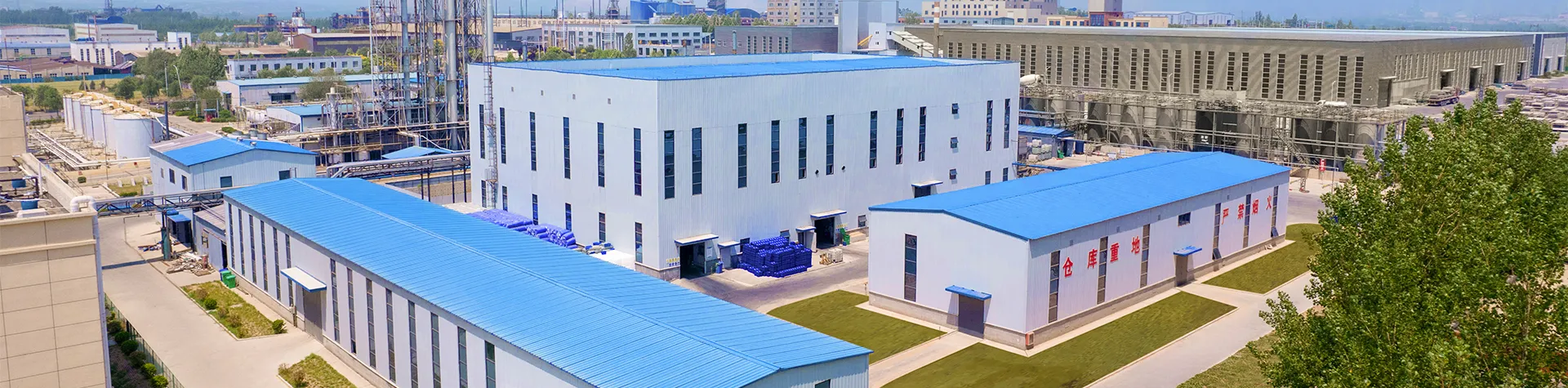
LKPBTC can tweak molecular weight bands, counter-ions (Na+/K+), and stabilizers for brine or high-iron systems. Origin: No. 3, North of Haohua East Road, North Park, Neiqiu County Industrial Zone, Xingtai City, Hebei Province. Lead times are reasonable; in fact, I’ve seen custom lots ship in 2–3 weeks when forecasts are shared.
Case notes (from the field)
• Steel mill cooling: cycles increased from 3.2 to 4.5; blowdown cut ≈ 22%; deposit rate down 80% with [Scale Inhibitor] at 12 mg/L. Operators mentioned cleaner strainers—small win, big mood.
• Bottling RO: switched from phosphonate to [Scale Inhibitor] at 4 mg/L; normalized flux drift
Final thought: chemistry matters, but so do the basics—steady dosing, honest lab data, and a crew who watches ΔP like a hawk. Do that, and this copolymer earns its keep.
Authoritative citations
- NACE TM0374-2007, Laboratory Screening Tests to Determine the Ability of Scale Inhibitors to Prevent the Precipitation of Calcium Sulfate and Calcium Carbonate.
- ASTM D1126-2018, Standard Test Method for Hardness in Water.
- ASTM D511-2019, Standard Test Methods for Calcium and Magnesium in Water.
- NSF/ANSI 60-2022, Drinking Water Treatment Chemicals – Health Effects.
- REACH Regulation (EC) No. 1907/2006, Registration, Evaluation, Authorisation and Restriction of Chemicals.
-
Comprehensive Analysis on Why Aluminum Chlorohydrate Safe for UseNewsApr.16,2026
-
Industrial Applications and Guide to Chloride of AluminiumNewsApr.09,2026
-
Exploring Aluminium Chloride Properties Applications and Sourcing InformationNewsApr.07,2026
-
Comprehensive Guide to Chloride Aluminium Properties Applications and SourcingNewsApr.04,2026
-
Understanding Aluminium Chloride Properties Applications and Sourcing DetailsNewsMar.31,2026
-
Understanding Aluminium Chloride Properties Applications and SourcingNewsMar.28,2026