

Special Corrosion and Scale Inhibitors for Power Plants: Key Barriers to Ensure Efficient Operation
In the operation of power plants, the high efficiency and stability of equipment are crucial, and the problems of scale deposition and metal corrosion have always been the "stubborn diseases" that affect equipment performance. Special Corrosion and Scale Inhibitors, as the core solution to address these issues, have become a key barrier to ensure the safe and efficient operation of power plant equipment through their unique chemical mechanism. This type of medication prevents the formation of scale by calcium and magnesium ions in water through chelation, dispersion, lattice distortion, and other effects; At the same time, a dense protective film is formed on the metal surface, effectively suppressing the occurrence of corrosion reactions, thereby extending the service life of equipment and reducing maintenance costs.
The special corrosion and scale inhibitor for power plants has significant performance advantages
Firstly, the scale and corrosion inhibitor has extremely high scale inhibition efficiency, which can effectively inhibit the formation of various types of scale such as carbonate and sulfate. Even under high temperature and high hardness water quality conditions, it can maintain good scale inhibition effect. Taking the boiler system of a thermal power plant as an example, the use of a special hedp scale inhibitorHedp can reduce scale deposition by more than 80%, greatly improve heat transfer efficiency, and significantly reduce fuel consumption. Secondly, the corrosion inhibition performance is excellent. Through precise formula design, customized corrosion inhibition protection can be provided for different materials such as carbon steel, stainless steel, copper, etc. commonly used in power plants, with a corrosion inhibition rate of over 95%. In addition, the drug also has good chemical stability, can stably function in complex water quality environments and operating conditions, and is not easily decomposed to produce harmful substances, which meets environmental protection requirements.
In practical applications of power plants, special Corrosion and Scale Inhibitors cover multiple critical systems
In boiler systems, inhibitor water treatment can prevent scaling and corrosion of furnace tubes, avoid tube bursting accidents, and ensure steam quality; In the circulating cooling water system, it can reduce the adhesion of scale on cooling towers, heat exchangers, and other equipment, improve cooling efficiency, and reduce energy consumption; In the condensate system, it can effectively protect pipelines and equipment from corrosive media such as dissolved oxygen and carbon dioxide. Whether it is thermal power plants, hydropower plants, or emerging new energy power plants, special Corrosion and Scale Inhibitors have become an indispensable guarantee for maintaining stable system operation and improving power generation efficiency.
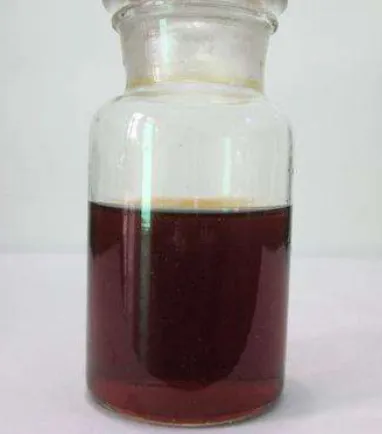
To meet the constantly upgrading operational needs of power plants, the technological innovation of special Corrosion and Scale Inhibitors continues to advance
On the one hand, researchers have developed composite agents that integrate various functions such as scale inhibition, corrosion inhibition, and sterilization, simplifying the dosing process and improving the comprehensive treatment effect; On the other hand, by utilizing cutting-edge technologies such as nanotechnology and molecular design, new drugs with higher activity and stronger targeting can be developed to cope with more complex water quality and working conditions. At the same time, the application of intelligent dosing management system can adjust the dosage of chemicals in real time according to equipment operating parameters and water quality changes, achieving precise dosing and further reducing usage costs and environmental impact.
In summary, the special Corrosion and Scale Inhibitors in power plants play an irreplaceable role in ensuring stable equipment operation, improving power generation efficiency, and reducing operation and maintenance costs. From basic scale and corrosion inhibition functions to today's multifunctional integration and intelligent applications, every technological breakthrough has driven the improvement of the operational level of power plants. With the development of the power industry towards cleanliness and efficiency, the special pbtc scale inhibitorPBTC will continue to innovate and upgrade, using more advanced technology and superior performance to build a solid defense line for the safe, environmentally friendly, and efficient operation of power plants.
Corrosion and Scale Inhibitor FAQs
What is the main role of Corrosion and Scale Inhibitors in power plants?
This agent prevents the deposition of scaling ions such as calcium and magnesium in water through chemical adsorption or chelation, while forming a protective film to slow down the corrosion of metal pipelines, ensuring the efficient and stable operation of heat exchange equipment such as boilers and condensers.
Why do power plants need dedicated Corrosion and Scale Inhibitors?
Due to the complex water quality of power plants (such as high hardness, high chloride ions) and harsh high-temperature and high-pressure conditions, ordinary chemicals are prone to failure. The specialized formula needs to adapt to extreme conditions, with high temperature resistance, strong dispersibility, and low phosphorus environmental protection characteristics.
How to evaluate the performance of Corrosion and Scale Inhibitors?
Key indicators include: static/dynamic scale inhibition rate (≥ 90%), corrosion rate (e.g. carbon steel<0.075 mm/a), pH adaptation range (usually 8.511.0), and compatibility with existing water treatment agents in power plants.
How to control the dosing method and dosage of Corrosion and Scale Inhibitors?
Continuous dosing is often used (such as injecting into the water supply system with a dosing pump), and the dosage is adjusted based on the water quality test results (usually 550 ppm). Real time monitoring of turbidity, conductivity, and corrosion coupon data is required to optimize dosage.
What are the risks to be aware of when using Corrosion and Scale Inhibitors in power plants?
Excessive dosing may lead to foam or deposition, which may affect heat transfer;
The decomposition products of pharmaceuticals need to be monitored (such as organic phosphonates that may degrade into phosphates, exacerbating scaling);
During shutdown, the system needs to be flushed to prevent residual chemicals from corroding the equipment.
-
Comprehensive Analysis on Why Aluminum Chlorohydrate Safe for UseNewsApr.16,2026
-
Industrial Applications and Guide to Chloride of AluminiumNewsApr.09,2026
-
Exploring Aluminium Chloride Properties Applications and Sourcing InformationNewsApr.07,2026
-
Comprehensive Guide to Chloride Aluminium Properties Applications and SourcingNewsApr.04,2026
-
Understanding Aluminium Chloride Properties Applications and Sourcing DetailsNewsMar.31,2026
-
Understanding Aluminium Chloride Properties Applications and SourcingNewsMar.28,2026